⚠️ Affiliate Disclaimer: This post may contain affiliate links, which means I may earn a small commission at no extra cost to you, if you make a purchase through one of these links. I only recommend products or services I genuinely trust and believe can provide value. Thank you for supporting My Medical Muse!
7 Proven Ways to Beat Fatigue Before Period: Stop Feeling Drained Every Month
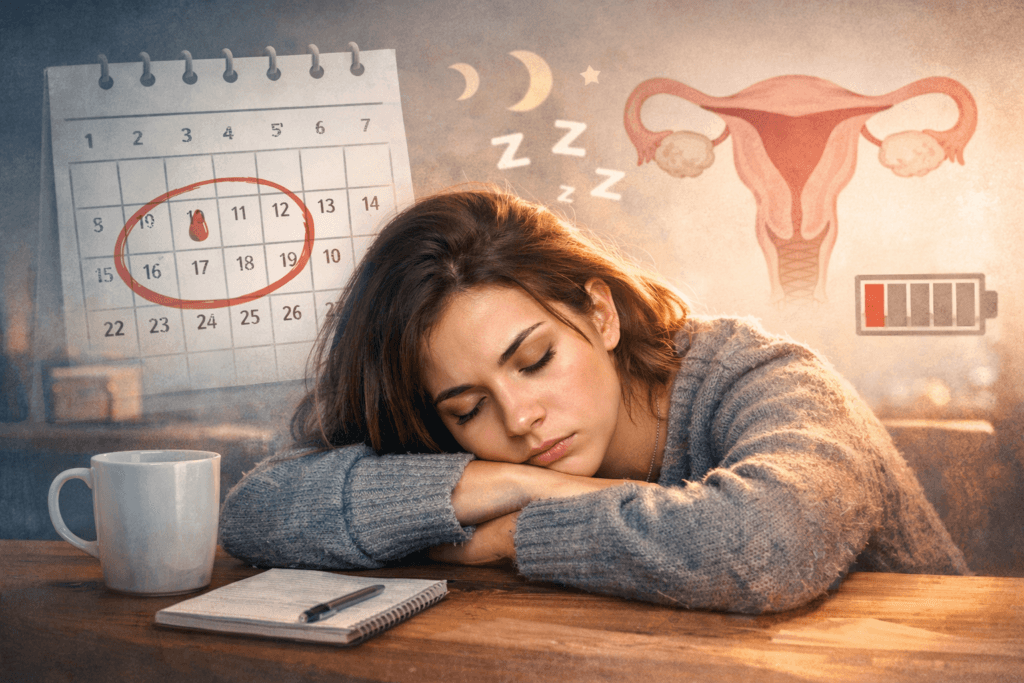
Some mornings, you wake up feeling like you’ve run a marathon in your sleep. Your body feels heavy, your mind foggy, and no amount of coffee seems to help. You shrug it off “I’m just tired,” you tell yourself but then it happens again, day after day, always at roughly the same time each month. That’s when the pattern becomes hard to ignore, the fatigue isn’t random. It’s coming right before your period.
Fatigue before your period is one of the most common yet overlooked symptoms of the menstrual cycle. While it’s easy to blame long work hours, stress, or lack of sleep, the truth is far more nuanced. Your hormones are shifting, your body is preparing for menstruation, and subtle changes in metabolism, mood, and sleep can leave you feeling exhausted. For some, lifestyle factors amplify the drain, while for others, underlying health issues may make pre-period fatigue more severe.
Understanding why this happens and how to respond can transform the way you experience your cycle. Recognizing the signs, tracking patterns, and taking proactive steps can help you regain energy, clarity, and control during the days leading up to your period. In this post, we’ll break down the science behind pre-period fatigue, explore lifestyle and nutritional strategies to combat it, and offer practical tips to keep your energy levels steady. By the end, you’ll have a roadmap to navigate your cycle with greater awareness and vitality.
What Is Pre-Period Fatigue?
Pre-period fatigue is more than just being tired, It’s a persistent, sometimes overwhelming sense of low energy that tends to appear in the days leading up to your period. Unlike ordinary fatigue from a long day at work or lack of sleep, pre-period fatigue can feel heavier, harder to shake, and often comes hand in hand with other premenstrual symptoms such as mood swings, bloating, or breast tenderness.
Most commonly, this type of fatigue is linked to the luteal phase of your menstrual cycle, the roughly two-week window after ovulation and before your period starts. During this phase, your body experiences significant hormonal fluctuations, particularly in progesterone and estrogen, which directly influence energy levels, sleep quality, and even mental clarity. Understanding these hormonal shifts is key to recognizing why your body feels drained.
The Hormonal Basis of Fatigue
Hormones are at the center of pre-period fatigue. They affect not just your reproductive system but your nervous system, metabolism, and overall energy. Here’s how the main players contribute:
Estrogen and Energy Levels
Estrogen is known for its stimulating effects. In the first half of your cycle, rising estrogen levels can improve alertness, motivation, and even mood but as you enter the luteal phase, estrogen levels drop. This dip reduces its energizing effects on the brain and nervous system, often leaving you feeling sluggish, mentally foggy, or less motivated to tackle daily tasks.
Progesterone and Sleepiness
After ovulation, progesterone rises to prepare your body for a possible pregnancy. While essential for reproductive health, progesterone also has a sedative effect. This is why you may notice a stronger urge to sleep, feel heavier or more lethargic, and sometimes find it difficult to concentrate. For many, progesterone is the main hormonal driver behind pre-period fatigue.
Blood Sugar and Cortisol Fluctuations
Hormonal changes don’t just affect your reproductive system, they also influence metabolism and stress hormones. Blood sugar regulation can become less stable, leading to spikes and crashes that intensify brain fog and tiredness. Cortisol, your body’s primary stress hormone, may also fluctuate, making it harder to sustain energy levels during the day. The combination of these metabolic and hormonal shifts compounds the feeling of fatigue.
Common Symptoms That Accompany Pre-Period Fatigue
Fatigue rarely appears alone. It often comes bundled with other premenstrual symptoms. Knowing what to look for can help you identify whether your fatigue is simply menstrual-related or potentially linked to another health issue.
Mood changes: irritability, anxiety, or mild depressive feelings
Sleep disturbances: difficulty falling asleep, early waking, or restless nights
Digestive issues: bloating, constipation, or diarrhea
Muscle aches or cramps
Headaches or migraines
Breast tenderness
If your fatigue is severe, worsening, or paired with extreme mood swings or pain, it’s worth consulting a healthcare provider to rule out underlying conditions like thyroid imbalances or anemia.
Why Pre-Period Fatigue Feels Different
Not all fatigue is created equal. Pre-period fatigue often has a distinct pattern and quality that sets it apart from everyday tiredness:
Cyclical timing: It usually begins 3-10 days before menstruation and resolves once your period starts.
Resistance to rest: Even after sleeping well or taking a nap, you may still feel drained.
Mental and physical fatigue: Brain fog, poor concentration, and physical weakness can appear simultaneously.
Emotional impact: Fatigue can amplify mood swings, irritability, or low motivation, making daily responsibilities feel more challenging.
By recognizing these patterns, you can anticipate low-energy days and plan your schedule and lifestyle accordingly, rather than being caught off guard by sudden exhaustion.
Lifestyle Factors That Exacerbate Fatigue
Even normal hormonal changes can feel much worse depending on lifestyle habits. Several factors can intensify pre-period fatigue:
1. Poor Sleep Hygiene
Irregular sleep schedules, late-night screen time, or insufficient rest can make your luteal-phase fatigue feel more severe. Prioritizing consistent, high-quality sleep is one of the simplest ways to reduce exhaustion.
2. Diet
What you eat significantly impacts energy levels. Diets high in sugar or refined carbohydrates can lead to blood sugar spikes and crashes, worsening fatigue. Similarly, low protein intake can leave you feeling sluggish, as protein is essential for sustaining energy throughout the day.
3. Stress
Chronic stress raises cortisol levels, disrupting the delicate balance of reproductive hormones and amplifying fatigue. Stress doesn’t just affect your mind, it can literally drain your body’s energy reserves.
4. Physical Inactivity
Ironically, too little movement can make fatigue worse. Gentle exercise like walking, stretching, or yoga supports healthy blood flow, improves hormone regulation, and can even increase energy levels over time.
5. Caffeine and Alcohol
While caffeine may temporarily mask tiredness, overuse can disrupt sleep cycles and worsen crashes later. Alcohol can also dehydrate you and contribute to lower energy, especially when consumed close to bedtime.
Nutritional Strategies to Combat Pre-Period Fatigue
What you eat can have a huge impact on how tired you feel in the days before your period. The right nutrients help stabilize energy, reduce inflammation, and support hormone balance. By making small adjustments to your diet, you can offset fatigue and improve both your physical and mental performance during the luteal phase.
1. Iron-Rich Foods
Blood loss during menstruation naturally depletes iron levels, and low iron can significantly worsen pre-period fatigue. Including iron-rich foods in your diet helps maintain energy levels and supports oxygen transport throughout your body.
Good sources of iron include:
Lean red meats such as beef and lamb, which provide highly absorbable heme iron
Dark leafy greens like spinach, kale, and Swiss chard
Legumes such as lentils, chickpeas, and black beans
Iron-fortified cereals and whole-grain products
Tip: Pair plant-based iron sources with vitamin C-rich foods like citrus, bell peppers, or tomatoes to improve absorption.
2. Complex Carbohydrates
Simple sugars and refined carbs can trigger blood sugar spikes followed by rapid crashes, making fatigue worse. Instead, opt for complex carbohydrates, which release energy slowly and help maintain stable blood sugar.
Examples of complex carbs:
Whole grains: quinoa, oats, brown rice, barley
Root vegetables: sweet potatoes, carrots, beets
Whole-grain breads, pastas, and cereals
These foods not only provide sustained energy but also supply fiber, which supports digestive health, a common concern during premenstrual days.
3. Healthy Fats
Healthy fats, particularly omega-3 fatty acids, have anti-inflammatory properties that may ease cramps and improve overall energy. Including these fats in your diet can support both physical comfort and mental clarity.
Good sources of healthy fats:
Fatty fish: salmon, mackerel, sardines
Nuts and seeds: walnuts, chia seeds, flaxseeds
Plant oils: avocado, olive oil, and nut butters
Healthy fats also support hormone production, which can help regulate energy levels and mood throughout your cycle.
4. Hydration
Even mild dehydration can exacerbate fatigue, cause headaches, and intensify irritability. Staying hydrated is particularly important in the days leading up to your period.
Tips for staying hydrated:
Aim for 8-10 glasses of water per day
Include herbal teas or water-rich foods like cucumbers, melons, and oranges
Reduce excessive caffeine or alcohol, which can dehydrate you
Hydration not only improves physical energy but also supports cognitive function and mood stability.
5. Magnesium and Vitamins B
Certain micronutrients play a direct role in energy metabolism and muscle relaxation:
Magnesium helps relax muscles, reduce cramping, and promote restorative sleep
Vitamin B complex supports energy production by helping your body convert food into fuel
Foods rich in magnesium and B vitamins:
Nuts and seeds (almonds, pumpkin seeds, sunflower seeds)
Leafy greens and cruciferous vegetables
Bananas, eggs, and dairy products
Whole grains and legumes
Supplementing with these nutrients may be beneficial if dietary intake is insufficient, but it’s always best to consult a healthcare professional first.
Exercise and Movement
Although fatigue can make the idea of exercise feel daunting, gentle physical activity is one of the most effective ways to boost energy, reduce mood swings, and alleviate premenstrual discomfort.
Recommended activities include:
Walking or light jogging: Enhances blood flow and oxygen delivery to tissues
Yoga or stretching: Reduces muscle tension, improves flexibility, and promotes relaxation
Resistance training: Short, consistent sessions help maintain stamina and long-term energy efficiency
Even 20-30 minutes per day can make a noticeable difference. The key is consistency, regular movement supports hormonal balance and can reduce the severity of fatigue over time.
Sleep and Recovery
Hormonal shifts in the luteal phase can disrupt sleep, leaving you more vulnerable to fatigue. Improving sleep quality is essential for restoring energy:
Maintain a regular schedule: Go to bed and wake up at the same time each day
Create a calming bedtime routine: Limit screen time 1-2 hours before sleep; try reading, gentle stretching, or meditation
Optimize your sleep environment: A cool, dark, quiet room supports deeper sleep
Take strategic naps: Limit to 20-30 minutes to avoid interfering with nighttime rest
Prioritizing sleep during the days leading up to your period can offset fatigue and improve focus, mood, and overall resilience.
Stress Management and Mind-Body Approaches
Stress compounds pre-period fatigue by altering cortisol levels and impacting hormonal balance. Incorporating mind-body techniques can improve energy, mood, and coping ability:
Meditation or mindfulness practices: Reduce stress hormones and improve focus
Breathing exercises: Slow, deep breaths can relax the nervous system and boost alertness
Journaling: Helps track fatigue patterns, emotional triggers, and identify lifestyle adjustments
Therapy or support groups: Beneficial if fatigue significantly affects mental health or daily functioning
Even small, daily stress-management practices can make a significant difference in how your body experiences fatigue.
When Pre-Period Fatigue Is a Red Flag
Most fatigue before your period is normal. However, seek medical advice if you notice:
Severe fatigue that prevents daily activities
Fatigue lasting beyond your menstrual period
Sudden, extreme tiredness or weakness
Significant changes in mood, memory, or cognition
Symptoms suggesting anemia, thyroid disorders, or other medical conditions
Conditions like iron-deficiency anemia, hypothyroidism, or chronic fatigue syndrome can mimic pre-period fatigue and require professional evaluation.
Medical Conditions That Can Worsen Fatigue
1. Iron-Deficiency Anemia
Heavy menstrual bleeding can deplete iron stores, leading to prolonged fatigue. Blood tests can confirm anemia, and supplementation may be necessary under medical supervision.
2. Thyroid Disorders
Hypothyroidism slows metabolism, making you feel sluggish. Fatigue often worsens around menstruation due to hormonal fluctuations.
Polycystic Ovary Syndrome (PCOS)
Hormonal imbalances in PCOS can affect sleep, mood, and energy levels, making pre-period fatigue more pronounced.
Chronic Fatigue Syndrome (CFS)
CFS is marked by extreme fatigue that doesn’t improve with rest. If pre-period fatigue is unusually severe, a healthcare provider may screen for this condition.
Tracking Your Cycle and Symptoms
One of the most effective ways to manage pre-period fatigue is tracking your cycle. This helps you anticipate low-energy days and tailor your lifestyle accordingly.
Things to track:
Start and end dates of your period
Daily energy levels
Mood and emotional patterns
Sleep quality
Diet and exercise habits
By noticing patterns over several months, you can implement preventive strategies and make informed choices about nutrition, activity, and rest.
Practical Tips for Managing Pre-Period Fatigue
Plan light tasks: Reserve demanding work for high-energy days and prioritize essential tasks during fatigue-prone days
Meal prep: Prepare balanced meals in advance to avoid energy crashes
Stay hydrated: Water, herbal teas, and electrolyte drinks maintain energy and focus
Incorporate movement: Even short walks or stretching breaks can reduce sluggishness
Rest strategically: Short naps or early bedtimes can offset fatigue without affecting sleep schedules
Limit sugar and caffeine spikes: These can exacerbate energy crashes
Support mental health: Mindfulness, breathing exercises, or therapy can help manage emotional drain
The Role of Supplements
While a balanced diet should come first, supplements can provide additional support when necessary:
Iron: For diagnosed anemia
Magnesium: Relieves muscle tension, improves sleep
Vitamin B-complex: Supports energy metabolism
Omega-3 fatty acids: Reduce inflammation and improve mood
Always consult a healthcare provider before starting supplements, especially iron, to ensure they are safe and appropriate for your needs.
Lifestyle Adjustments for Long-Term Energy
Fatigue before your period is not just a short-term issue, it reflects how your body responds to hormonal and lifestyle factors throughout the month. By making consistent lifestyle adjustments, you can improve energy not only during the luteal phase but across your entire cycle.
Consistent exercise: Regular physical activity builds stamina, boosts circulation, and helps regulate hormones. Even moderate daily movement like walking, yoga, or resistance training can make pre-period fatigue more manageable over time.
Balanced diet year-round: Eating nutrient-dense meals consistently prevents deficiencies in iron, B vitamins, magnesium, and other key nutrients that can worsen fatigue. A balanced diet also stabilizes blood sugar, reducing the energy crashes that often accompany PMS.
Stress management practices: Chronic stress increases cortisol, which can disrupt energy levels and hormonal balance. Incorporating mindfulness, deep breathing exercises, meditation, or journaling into your daily routine helps reduce stress-related fatigue.
Regular sleep schedule: Maintaining consistent sleep and wake times supports hormone balance and ensures restorative rest. Quality sleep is essential for both mental clarity and physical energy, particularly during the premenstrual days when progesterone can make you feel more sluggish.
By focusing on these long-term adjustments, you not only reduce pre-period fatigue but also improve overall health, mood, and resilience throughout the month.
Myths About Pre-Period Fatigue
There’s a lot of misinformation surrounding pre-period fatigue, which can leave you feeling guilty or frustrated. Understanding the truth helps you respond to your body more effectively:
“Fatigue is all in your head.” Hormonal fluctuations and metabolic changes are real and physiologically impactful, your tiredness is valid.
“You just need more sleep.” Sleep is important, but fatigue is multifactorial. Hormones, nutrition, stress, and lifestyle all contribute, so extra sleep alone may not resolve it.
“Caffeine solves it.” While caffeine temporarily masks tiredness, overreliance can worsen energy crashes later, especially if it interferes with sleep.
“Only heavy periods cause fatigue.” Even people with light menstrual bleeding can experience significant pre-period fatigue due to hormonal and metabolic changes.
Recognizing these myths can prevent unnecessary self-blame and help you approach fatigue with knowledge and compassion.
Final Thoughts
Pre-period fatigue is more than just tiredness, it’s your body sending a clear signal that hormonal shifts, lifestyle factors, and energy demands are affecting you. The good news is that with awareness and proactive strategies, you can navigate these low-energy days without letting them control your life.
Start by listening to your body and tracking your symptoms. Notice patterns in energy dips, mood changes, and sleep quality. Adjust your diet, hydration, and nutrient intake to support sustained energy. Incorporate gentle exercise, stress management techniques, and restorative sleep to help your body cope more effectively.
Plan for lower-energy days by prioritizing tasks, pacing yourself, and scheduling important responsibilities when your energy is higher. Fuel yourself with nutrient-dense foods, stay hydrated, and move in ways that feel good, not forced.
Finally, remember: pre-period fatigue is a natural part of your cycle, not a personal flaw. If your fatigue is unusually severe, persistent, or accompanied by other concerning symptoms, seek medical guidance to rule out underlying conditions.
By combining self-awareness, lifestyle adjustments, and informed care, you can manage pre-period fatigue, preserve your energy, and maintain vitality throughout your cycle. Your body is giving you signals, pay attention, respond kindly, and take control of your energy.
👩⚕️ Need Personalized Health Advice?
Get expert guidance tailored to your unique health concerns through MuseCare Consult. Our licensed doctors are here to help you understand your symptoms, medications, and lab results—confidentially and affordably.
👉 Book a MuseCare Consult NowRelated Blog Post:
- Period Pain Worse Some Months: 9 Shocking Reasons Your Cramps Change
- 13 Real Reasons You Get Severe Cramps but Normal Period (What to Do Next)
- Menstrual Cycle Related Symptoms: 21 Normal Signs vs Dangerous Red Flags Every Woman Must Know
- 10 Surprising Reasons Why Your Period Suddenly Became Shorter This Month and Why It’s Not Always Bad
- 10 Powerful Reasons Why You Get Dizzy Right Before Your Period
- 9 Critical Facts About Period-Like Bleeding in Early Pregnancy Every Woman Must Know
- Can You Get Pregnant on Your Period? 7 Key Facts Every Woman Should Know

Dr. Ijasusi Bamidele, MBBS (Binzhou Medical University, China), is a medical doctor with 5 years of clinical experience and founder of MyMedicalMuse.com, a subsidiary of Delimann Limited. As a health content writer for audiences in the USA, Canada, and Europe, Dr. Ijasusi helps readers understand complex health conditions, recognize why they have certain symptoms, and apply practical lifestyle modifications to improve well-being