⚠️ Affiliate Disclaimer: This post may contain affiliate links, which means I may earn a small commission at no extra cost to you, if you make a purchase through one of these links. I only recommend products or services I genuinely trust and believe can provide value. Thank you for supporting My Medical Muse!
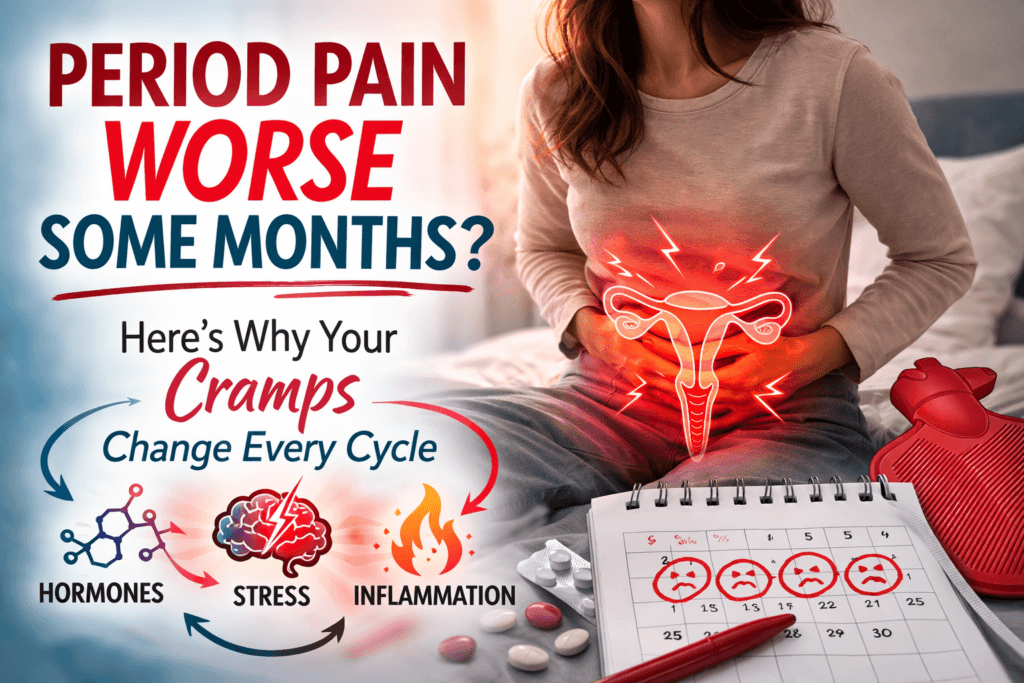
Period Pain Worse Some Months: 9 Shocking Reasons Your Cramps Change
Period pain is not a constant experience, some months, it is mild and easy to manage. Other months, it becomes intense enough to disrupt daily life.
This variation often leaves people confused and frustrated if periods are natural, why does the pain change so much? If nothing is medically wrong, why do some cycles feel significantly worse than others?
The reality is that menstrual pain is not random, it reflects what is happening inside the body at that particular time. Hormones fluctuate from month to month, the uterus responds differently to those hormonal shifts, the nervous system changes its sensitivity based on stress, sleep, inflammation, and overall health. When these factors align unfavorably, period pain becomes more severe.
In other words, your body is not being inconsistent, it is responding to changing internal conditions.
Occasional variation in pain can be normal however, recurring or worsening pain is often a signal rather than a coincidence. It may indicate hormonal imbalance, increased inflammation, lifestyle stressors, or an underlying gynecologic condition that should not be ignored.
Understanding why period pain is worse some months is essential for knowing what is normal, what is not, and when discomfort crosses the line into a medical concern.
This article explains the real reasons menstrual pain fluctuates, the biological mechanisms behind those changes, and how to recognize when your body is asking for attention rather than tolerance.
Understanding Period Pain at the Most Basic Level
Menstrual pain, medically known as dysmenorrhea, is caused by the uterus doing exactly what it is designed to do. Each month, the uterus contracts to shed its lining when pregnancy does not occur.
These contractions are controlled by hormone like chemicals called prostaglandins. Prostaglandins trigger the uterine muscles to tighten and relax in a rhythmic pattern, allowing the lining to break down and exit the body.
The problem begins when prostaglandin levels are high, higher prostaglandin levels cause stronger and more frequent uterine contractions. These intense contractions can temporarily restrict blood flow to the uterine muscle. When blood flow drops, oxygen delivery decreases, and pain signals are triggered. This is why menstrual cramps often feel deep, tight, and sometimes throbbing.
This process is considered normal physiology, however, normal does not mean identical every month.
The amount of prostaglandins your body produces and how strongly your nervous system reacts to them can vary from cycle to cycle. When prostaglandin levels rise or your pain sensitivity increases, cramps become more intense. When they remain lower, pain is milder.
That is why period pain changes rather than staying consistent.
The Role of Hormonal Fluctuations From Month to Month
Hormones do not operate on a fixed schedule, even in people with regular cycles, estrogen and progesterone levels shift slightly every month.
Some cycles move smoothly through hormonal transitions, ovulation occurs as expected, progesterone rises steadily, and hormone levels fall gradually before menstruation. These cycles often come with milder cramps.
Other months are less balanced, stress, illness, poor sleep, weight changes, or nutritional deficiencies can disrupt hormone signaling. When estrogen remains relatively high and progesterone drops sharply just before the period begins, prostaglandin production increases.
This hormonal pattern leads to stronger uterine contractions, increased inflammation, and more intense pain.
Importantly, hormonal imbalance does not have to be extreme to affect how you feel, even small shifts can cause noticeable symptoms, especially in people whose bodies are more sensitive to hormonal changes.
This is why many people notice worse cramps during particularly stressful months or after periods of poor sleep or dietary changes. The body responds to those stressors hormonally, and the uterus feels the effects.
Ovulatory Versus Non Ovulatory Cycles
Not every menstrual cycle includes ovulation, even if bleeding occurs regularly.
Ovulation is what triggers progesterone production, when ovulation does not happen, progesterone levels remain low while estrogen continues to act on the uterine lining without balance. This hormonal environment encourages higher prostaglandin activity and makes the uterus more reactive.
As a result, non ovulatory cycles often come with heavier bleeding and more painful cramps. Non ovulatory cycles are more common during certain life stages and circumstances, including adolescence, perimenopause, periods of significant stress, rapid weight changes, and chronic illness.
During these times, the hormonal signals that regulate ovulation can become inconsistent. Some months ovulation occurs normally, other months it does not.
This difference alone can explain why period pain feels manageable one cycle and significantly worse the next.
Inflammation and the Body Wide Pain Response
The uterus is part of a larger system, not an isolated organ. What happens throughout your body influences how menstrual pain is experienced.
Systemic inflammation plays a major role in pain perception, when inflammation levels rise, nerves become more sensitive and pain thresholds drop. This means sensations that might normally feel mild can become intense.
Inflammation can increase due to poor sleep, high intake of processed or sugary foods, ongoing stress, infections, or autoimmune conditions. During months when inflammation is elevated, menstrual cramps tend to feel sharper, more persistent, and harder to manage.
Even if uterine contractions remain the same, the brain interprets pain signals more strongly in an inflamed state.
This explains why lifestyle changes such as improving sleep quality, reducing highly processed foods, managing stress, and addressing underlying inflammatory conditions can significantly improve period pain for some people.
The pain is not imagined, it is amplified by what is happening throughout the body.
Stress and the Nervous System Connection
Stress does not exist only in your thoughts, it lives in your nervous system.
When stress hormones like cortisol and adrenaline remain elevated, the body stays in a heightened alert state. Muscles tense more easily, blood vessels constrict and pain signals travel faster and feel more intense.
The uterus is highly sensitive to these changes, it responds directly to nervous system input. During stressful months, uterine contractions tend to feel stronger, tighter, and more painful, even if hormone levels are similar to previous cycles.
This is not psychological weakness, it is basic neurobiology. Your body cannot fully relax into a low-pain state when it is constantly prepared for threat. That tension shows up clearly during menstruation.
Gut Health and Period Pain
The gut and reproductive organs are closely connected. They share nerve pathways, blood supply, and inflammatory signals.
When digestion is off, pelvic pain often follows. Constipation, bloating, and gut inflammation increase pressure in the pelvis. That added pressure makes uterine contractions more uncomfortable and can intensify cramps.
Some months digestion feels smooth and effortless, other months it does not. Those shifts often mirror changes in period pain.
Gut bacteria also play a role in hormone balance, the gut helps break down and eliminate excess estrogen. When gut health is poor, estrogen can recirculate instead of leaving the body. This leads to estrogen dominance, higher prostaglandin levels, and more intense cramps.
If your period pain worsens alongside bloating, constipation, diarrhea, or changes in bowel habits, the gut is likely part of the story.
Nutrient Deficiencies That Worsen Cramps
Certain nutrients are essential for muscle relaxation, nerve function, and inflammation control.
- Magnesium helps muscles relax.
- Calcium supports proper muscle contraction.
- Omega three fats reduce inflammation.
- Vitamin D influences pain signaling and immune balance.
When levels of these nutrients are low, cramps tend to feel stronger and harder to control.
Deficiencies rarely happen overnight, they build gradually over time. Pain often worsens during months when intake drops or when stress depletes nutrient reserves.
This is especially common in people with heavy periods, heavy bleeding leads to nutrient loss, nutrient loss increases pain the next cycle.
Increased pain often leads to heavier bleeding.
That cycle feeds itself unless the underlying issue is addressed.
When Pain Is a Sign of an Underlying Condition
Some variation in period pain is normal, severe, worsening, or disruptive pain is not.
Several medical conditions cause pain that fluctuates but gradually intensifies over time, including endometriosis, adenomyosis, fibroids, pelvic inflammatory disease, and ovarian cysts.
Pain linked to underlying conditions often has recognizable patterns. It may worsen with age, respond poorly to pain medication, begin before bleeding starts, radiate to the back or legs, or interfere significantly with daily life.
Pain that feels unpredictable but steadily becomes more severe deserves proper medical evaluation.
Endometriosis and Variable Monthly Pain
Endometriosis pain is often inconsistent, that inconsistency is one reason it is frequently dismissed.
Some months feel manageable, other months are overwhelming.
This happens because endometrial implants respond differently to hormonal shifts each cycle. Inflammation varies, lesions swell and bleed to different degrees. The nervous system becomes sensitized over time.
Many people with endometriosis are told their pain is normal because it is not constant, that is incorrect.
Intermittent severe pain is still abnormal and should never be ignored.
Adenomyosis and Heavy, Painful Cycles
Adenomyosis occurs when uterine lining tissue grows into the muscle wall of the uterus.
Over time, the uterus becomes thicker, more sensitive, and less efficient at contracting. Pain often increases gradually rather than suddenly.
Some months are heavier and more painful than others, depending on hormonal fluctuations and inflammation levels.
People often describe adenomyosis pain as deep, heavy, and crushing rather than sharp or cramp-like.
Fibroids and Pressure Based Pain
Fibroids cause pain through physical pressure and altered uterine contractions.
As fibroids grow, swell, or shift slightly, symptoms change. Hormonal fluctuations can temporarily increase fibroid size, leading to worse pain during certain cycles. This is why cramps may feel manageable one month and significantly worse the next.
When Period Pain Is Considered Normal
Mild to moderate cramps that respond to heat or medication, do not interfere with daily activities, and do not worsen over time can fall within normal variation.
Normal pain should not control your life, period pain should not cause regular vomiting, fainting, or missed work. If pain dictates your schedule, it is no longer normal.
Why Tracking Pain Patterns Matters
Pain patterns reveal important information. Tracking pain severity, timing relative to bleeding, associated symptoms, stress levels, diet, and sleep can uncover triggers and trends.
Patterns help identify hormonal issues, lifestyle contributors, and potential medical conditions. They also help healthcare providers take pain more seriously. You should take those patterns seriously too.
Why Period Pain Is Often Dismissed
Menstrual pain has been normalized for generations, that normalization does not make it harmless.
When pain is dismissed, diagnosis is delayed when diagnosis is delayed, outcomes worsen.
Pain is not a personal failing, pain is not exaggeration.
Pain is information.
What Helps Reduce Month to Month Pain Variation
- Consistency matters.
- Regular sleep supports hormone balance.
- Balanced nutrition reduces inflammation.
- Stress management calms the nervous system.
- Gentle, regular movement improves circulation and pain tolerance.
Medical options may include anti-inflammatory medication, hormonal therapy, targeted supplementation, or treatment of underlying conditions.
There is no single solution that works for everyone but there is always a reason pain behaves the way it does.
When to See a Doctor Without Apology
Seek medical care if pain is worsening, interfering with daily life, accompanied by heavy or irregular bleeding, occurring outside your period, or not responding to treatment.
You do not need permission to take pain seriously, your body is communicating, listening early can change everything.
The Bottom Line
Period pain is not random, and it is not meaningless, when pain is worse some months, your body is responding to real biological changes. Hormonal shifts, inflammation, nervous system stress, and underlying medical conditions all influence how much pain you feel from one cycle to the next.
Some variation can be normal, persistent, severe, or worsening pain is not. Your period should not disable you, derail your life, or force you to silently endure discomfort month after month. Pain is not a test of strength or resilience, it is information.
Listening to that signal early can protect your long-term health, shorten the path to diagnosis, and prevent years of unnecessary suffering. Ignoring pain does not make it disappear, it only delays the answer your body is trying to give you.
👩⚕️ Need Personalized Health Advice?
Get expert guidance tailored to your unique health concerns through MuseCare Consult. Our licensed doctors are here to help you understand your symptoms, medications, and lab results—confidentially and affordably.
👉 Book a MuseCare Consult NowRelated Blog Post:
- 13 Real Reasons You Get Severe Cramps but Normal Period (What to Do Next)
- Menstrual Cycle Related Symptoms: 21 Normal Signs vs Dangerous Red Flags Every Woman Must Know
- 7 Surprising Reasons Why You Have Mucus in Period Blood and Why It’s Usually a Good Sign
- 10 Surprising Reasons Why Your Period Suddenly Became Shorter This Month and Why It’s Not Always Bad
- 10 Powerful Reasons Why You Get Dizzy Right Before Your Period
- 9 Critical Facts About Period-Like Bleeding in Early Pregnancy Every Woman Must Know

Dr. Ijasusi Bamidele, MBBS (Binzhou Medical University, China), is a medical doctor with 5 years of clinical experience and founder of MyMedicalMuse.com, a subsidiary of Delimann Limited. As a health content writer for audiences in the USA, Canada, and Europe, Dr. Ijasusi helps readers understand complex health conditions, recognize why they have certain symptoms, and apply practical lifestyle modifications to improve well-being