⚠️ Affiliate Disclaimer: This post may contain affiliate links, which means I may earn a small commission — at no extra cost to you — if you make a purchase through one of these links. I only recommend products or services I genuinely trust and believe can provide value. Thank you for supporting My Medical Muse!
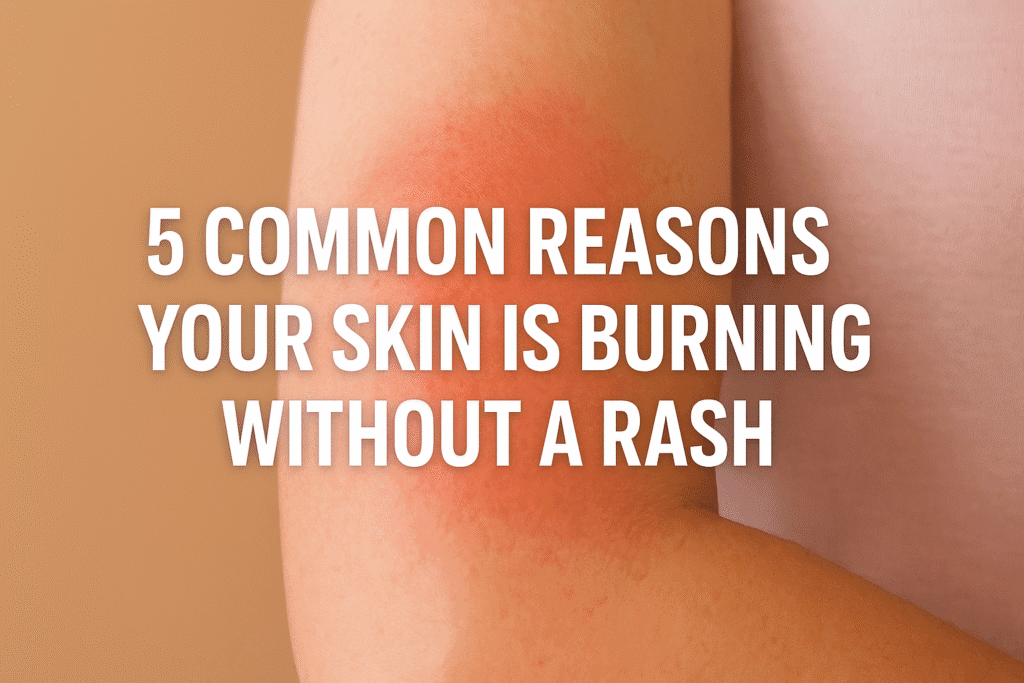
5 Common Reasons Your Skin Is Burning Without a Rash
A burning sensation on your skin, even when there’s no visible rash can be confusing and distressing. It might feel like your skin is on fire, stinging, tingling or hot to the touch, yet when you look, there’s nothing there.
This strange feeling can arise from nerve irritation, inflammation, circulation issues, stress, or even underlying medical conditions. Understanding the root cause is the key to relief.
In this guide, we’ll break down the possible causes, when to worry, home remedies, and medical treatments, so you can understand what your body is trying to tell you.
What Does Skin Burning Without a Rash Mean?
A burning sensation without visible redness, bumps, or swelling suggests that the problem may be underneath the skin rather than on its surface.
Instead of an infection or allergy (which usually produces visible irritation), the issue might stem from:
- Nerve dysfunction
- Internal inflammation
- Hormonal or metabolic imbalances
- Stress or anxiety responses
It’s not always dangerous, but persistent burning sensations can point to an underlying issue that deserves attention.
Common Descriptions People Report
People describe the feeling in many ways:
- It feels like my skin is sunburned, but I wasn’t in the sun.
- My arms and legs tingle or burn, especially at night.
- My skin burns when I touch it lightly, even with no rash.
- It comes and goes in different spots.
If you’ve noticed similar sensations, you’re not alone, thousands of people experience unexplained skin burning every day. Let’s explore what might be happening beneath the surface.
1. Nerve-Related Causes (Neuropathic Origins)
The most common reason your skin burns without any visible rash is nerve irritation or damage. Sensory nerves carry messages of touch, temperature, and pain to the brain. When they become inflamed, compressed, or injured, they can misfire and send false “burning” or “stinging” signals, even when there’s no skin problem at all.
Below are the main nerve-related causes to consider:
Peripheral Neuropathy
Peripheral neuropathy occurs when nerves outside the brain and spinal cord are damaged.
It’s one of the leading causes of unexplained burning or tingling, especially in the hands, feet, or legs.
Typical symptoms include:
Burning, tingling, or electric-shock sensations
Numbness or “pins-and-needles” feelings
Heightened sensitivity, even light touch or clothing can hurt
Pain that worsens at night or after long periods of sitting
Common causes:
Diabetes (most frequent)
Chronic alcohol use
Certain medications, such as chemotherapy or antiviral drugs
Infections, including HIV, shingles or Lyme disease
When these peripheral nerves lose their normal function, they send abnormal pain signals, creating the feeling of burning skin even though nothing is wrong on the surface. If you’re diabetic or experience persistent tingling, numbness, or burning, ask your doctor for neuropathy testing.
Managing blood sugar, correcting vitamin deficiencies, and avoiding alcohol or nerve-toxic drugs can help. Medications that calm nerve activity such as gabapentin, duloxetine or pregabalin, may also provide relief.
Nerve Compression or Irritation
A pinched or compressed nerve can cause localized burning or radiating pain. This happens when muscles, bones, or discs press against a nerve, disrupting normal signal flow.
Common examples:
Cervical or lumbar disc herniation, pressure on spinal nerves in the neck or lower back
Carpal tunnel syndrome: Compression of the median nerve in the wrist
Sciatica: Irritation of the sciatic nerve running down one leg
Thoracic outlet syndrome: Nerve compression near the collarbone
Clues it may be nerve compression:
Burning or tingling follows a specific path (for example, one arm or one leg)
Pain worsens with certain movements or positions
May include numbness, weakness, or shooting pain
Correct your posture, take frequent breaks from sitting, and stretch regularly.
If symptoms persist, a physical therapist or neurologist can recommend exercises, anti-inflammatory medication, or imaging (like an MRI) to pinpoint the compressed nerve.
Small-Fiber Neuropathy
This condition targets the tiny sensory nerve fibers that control pain and temperature sensations. Even though these small nerves are microscopic, damage to them can cause intense burning, tingling, or stinging sensations, especially in the feet, legs, or hands.
Possible causes:
Diabetes or prediabetes
Autoimmune disorders (lupus, sarcoidosis, or Sjögren’s syndrome)
Vitamin deficiencies (notably B12)
Thyroid disorders
Infections or toxins
Because small-fiber neuropathy affects only thin sensory nerves, routine nerve tests may appear normal, making it easy to miss.
What to do:
Diagnosis often requires a skin biopsy or specialized nerve conduction study.
Treating the underlying cause such as regulating blood sugar, managing autoimmune inflammation or correcting vitamin imbalance can prevent further damage. Doctors may also prescribe nerve-calming medication or topical treatments like capsaicin cream to ease the burning.
2. Circulatory and Vascular Causes
Sometimes, a burning sensation on the skin, especially in your legs, feet or hands stems from changes in blood flow rather than a problem with the nerves themselves. When circulation is impaired or unstable, the tissues don’t get enough oxygen, and sensory nerves begin to “complain,” often producing a burning, tingling, or throbbing feeling.
Poor Circulation (Peripheral Artery Disease
When arteries that carry blood to your limbs become narrowed or blocked, oxygen delivery drops. The muscles and skin may then feel painful, heavy, or burning, particularly during physical activity.
Common signs include:
Burning or tingling in the legs or feet
Pain or cramping during walking (intermittent claudication)
Cold, pale, or bluish skin tone
Slower wound healing on the legs or toes
You’re more at risk if you:
Smoke or have a smoking history
Have diabetes or prediabetes
Have high cholesterol or hypertension
Are over age 50 or overweight
What to do:
If your burning or tingling worsens when you walk and eases when you rest, that’s a classic clue for PAD. A doctor can perform a simple ankle-brachial index (ABI) test to compare blood pressure in your ankles and arms, a quick way to check for circulation issues.
Early detection is vital, as improving blood flow through exercise, medication or vascular treatment can relieve the burning sensation and prevent complications.
Erythromelalgia:
Erythromelalgia is a rare but distinctive condition that causes episodes of burning heat, redness, and warmth, most often in the hands or feet. The skin may look flushed and feel hot to the touch, though not always visibly so.
Key features:
Sudden burning pain or heat, often triggered by warmth or exertion
Red, swollen, or flushed skin during flare-ups
Relief with cooling or rest
Possible causes:
Primary (genetic) form: Due to sodium channel abnormalities in nerve cells
Secondary form: linked to conditions such as:
Polycythemia vera (a blood disorder)
Autoimmune diseases (like lupus or rheumatoid arthritis)
Nerve damage or certain medications
Management:
Keep the affected areas cool and elevated, avoid heat exposure, and discuss medication options (like aspirin, gabapentin, or calcium channel blockers) with your doctor if symptoms are severe. While the condition is rare, early recognition prevents unnecessary suffering and misdiagnosis.
3. Hormonal and Metabolic Imbalances
Hormones and metabolism play a surprisingly large role in how your nerves and skin feel. When your body’s internal chemistry shifts from diabetes, thyroid issues or hormonal changes, it can heighten nerve sensitivity and make your skin feel like it’s burning even when it looks normal.
Diabetes and Blood Sugar Swings:
Diabetes doesn’t just raise blood sugar, it gradually damages small nerves and blood vessels that feed the skin. This process, called diabetic neuropathy, can cause burning, tingling, or pins-and-needles sensations, especially at night.
Symptoms to watch for:
Burning or tingling in feet or legs, often worse at rest
Numbness or cotton-like feeling under the feet
Slow-healing wounds
Unexplained fatigue, thirst, or frequent urination
Even mild or undiagnosed diabetes can cause this type of nerve irritation. Sometimes, burning sensations are an early warning before blood tests show high sugar levels. If you notice persistent burning in your feet or hands, ask your doctor for:
Fasting glucose test
HbA1c (3-month average blood sugar)
Early lifestyle changes and strict sugar control can prevent further nerve damage.
Thyroid Disorders:
The thyroid gland regulates metabolism, nerve function, and skin health. When thyroid hormones are either too low (hypothyroidism) or too high (hyperthyroidism), the nerves and skin may overreact to stimuli, causing burning or prickling sensations.
You may also notice:
Tingling or burning in the face, arms, or legs
Dry, flaky, or unusually sensitive skin
Fatigue, mood swings, or unexplained weight changes
Cold or heat intolerance
Fixing the imbalance:
Simple blood tests for TSH, T3, and T4 can confirm thyroid problems. Once hormone levels are corrected with medication or supplements, the burning often subsides completely.
Menopause and Hormonal Fluctuations:
During menopause or perimenopause, declining estrogen levels affect how your nerves and blood vessels behave. Estrogen helps stabilize temperature regulation and keeps the skin barrier strong, so when it drops, the skin can become overly reactive and sensitive to heat or touch.
Common complaints:
Burning or tingling sensations (often on the face, neck, or chest)
Hot flashes and night sweats
Sleep disturbance or anxiety
Dry, thin, or easily irritated skin
Relief options:
Dress in light, breathable layers
Stay hydrated and avoid spicy foods, caffeine, and alcohol (common triggers)
Try cool compresses during flare-ups
Ask your healthcare provider about hormone replacement therapy (HRT) or non-hormonal options if symptoms affect daily life
4. Anxiety and Stress Reactions
If your skin feels like it’s burning during high-stress periods, the cause might be psychological, not physical.
How stress triggers it:
- The body releases adrenaline and cortisol
- Blood vessels constrict, then dilate
- Nerves become hyper-alert, amplifying sensations
This “skin on fire” feeling is common in anxiety disorders, panic attacks, or chronic stress.
You might notice:
- Burning or tingling during emotional stress
- No visible rash
- Normal lab tests
Relaxation techniques, mindfulness, and therapy can significantly reduce these sensations when stress is the root.
5. Medication or Toxin Reactions
Certain drugs or chemicals can irritate nerves or blood vessels without causing visible skin damage.
Common culprits:
- Statins (cholesterol medications)
- Chemotherapy drugs
- Antibiotics (metronidazole, fluoroquinolones)
- Topical creams with alcohol or menthol
- Heavy metals or alcohol withdrawal
If your burning started after starting a new medication, speak to your doctor, an alternative may help.
6. Autoimmune and Systemic Conditions
Several autoimmune disorders cause internal inflammation that affects nerves or small blood vessels producing a burning or tingling sensation.
Multiple Sclerosis (MS)
MS damages nerve fibers in the brain and spinal cord, sometimes causing:
- Burning or prickling skin sensations
- Numbness or weakness
- Vision or balance problems
If burning comes with other neurological symptoms, further evaluation is essential.
Lupus or Sjögren’s Syndrome
Autoimmune inflammation can irritate peripheral nerves, producing burning or tingling sensations in the limbs or face, often intermittent.
Fibromyalgia
This chronic pain condition involves nerve hypersensitivity rather than visible tissue damage.
Symptoms include:
- Burning or aching skin
- Fatigue and sleep problems
- Heightened pain from light touch (allodynia)
7. Local Irritation and Environmental Causes
Sometimes, the answer is simple, something in your environment or habits might be irritating your nerves or skin.
Chemical or Heat Exposure
Even without redness, your skin may burn from:
- Hot showers
- Strong detergents or fragrances
- Tight clothing rubbing the skin
- Prolonged laptop or phone use (localized heat)
Avoid heat exposure, switch to gentle soaps, wear breathable fabrics.
Vitamin Deficiencies
Lack of vitamins B (especially B1, B6, and B12) can damage nerves and cause:
- Burning or tingling skin
- Fatigue, dizziness, poor memory
Supplementation can reverse symptoms if caught early.
When to See a Doctor
While occasional burning without a rash is often harmless, persistent or worsening symptoms need medical attention.
Seek medical evaluation if:
- Burning lasts more than a few days or keeps returning
- There’s numbness, weakness, or pain
- You notice balance issues or vision changes
- The sensation interferes with sleep or daily life
- You have diabetes, thyroid, or autoimmune disease
How Doctors Diagnose the Cause
Your healthcare provider may perform:
- Physical and neurological exams
- Blood tests: glucose, B12, thyroid, autoimmune markers
- Nerve conduction studies or EMG
- Skin biopsy (to assess small fiber nerves)
- Imaging: MRI or CT if spinal or brain involvement suspected
This helps pinpoint whether the problem is nerve-related, hormonal or systemic.
Home Remedies and Self-Care Tips
While awaiting diagnosis or for mild cases, these home strategies can help ease the burning:
1. Cool Compresses
Apply a cold (not ice) compress for 10-15 minutes to soothe nerve activity.
2. Use Gentle Skincare
Avoid harsh soaps, hot showers, and fragranced lotions.
Opt for mild, pH-balanced moisturizers like ceramide creams or aloe vera gel.
3. Manage Stress
Meditation, deep breathing, yoga, or journaling reduce stress-induced nerve overstimulation.
4. Correct Deficiencies
Eat foods rich in vitamins B, magnesium and antioxidants:
- Leafy greens
- Eggs
- Salmon
- Whole grains
- Nuts
5. Move Regularly
Exercise boosts circulation, improves nerve health and stabilizes blood sugar, all of which reduce burning sensations over time.
6. Avoid Smoking and Alcohol
Both can worsen neuropathy and impair healing.
7. Stay Hydrated
Dehydration increases nerve irritability and skin sensitivity.
8. Consider Supplements (with medical advice)
Some evidence supports:
- Alpha-lipoic acid (nerve antioxidant)
- B-complex vitamins
- Omega-3 fatty acids
Medical Treatments
If self-care doesn’t help or the cause is identified, targeted treatments can make a big difference.
For Neuropathic Causes:
- Medications: Gabapentin, pregabalin, duloxetine
- Topical therapies: Capsaicin cream or lidocaine patches
- Physical therapy to relieve nerve compression
For Circulatory Issues:
- Blood thinners, compression stockings, or surgery (in PAD)
- Avoid heat exposure in erythromelalgia
For Hormonal/Metabolic Causes:
- Thyroid or diabetic management
- Hormone replacement for menopause (under supervision)
For Anxiety/Stress:
- Cognitive-behavioral therapy (CBT)
- Short-term anxiolytics if necessary
Why It Often Feels Worse at Night
Many people report the burning sensation intensifies at night.
That’s because:
- The body’s stress hormones drop (less natural pain suppression)
- Temperature regulation shifts
- You’re less distracted, so sensations feel stronger
Keep your bedroom cool, use breathable sheets, and avoid caffeine or alcohol before bed.
Summary Table: Possible Causes and Clues
Cause | Typical Clues | Treatment Focus |
Peripheral Neuropathy | Burning, tingling in hands/feet, numbness | Control blood sugar, vitamins, nerve meds |
Anxiety/Stress | Burning during emotional stress, no rash | Relaxation, CBT, stress reduction |
Poor Circulation (PAD) | Worse with walking, cold feet | Exercise, circulation meds |
Erythromelalgia | Heat-triggered burning in feet/hands | Cooling, medication |
Vitamin Deficiency | Fatigue, tingling, poor diet | B-complex supplementation |
Hormonal (Menopause, Thyroid) | Hot flashes, fatigue, weight changes | Hormone regulation |
Nerve Compression | Pain along nerve path | Physical therapy, posture, sometimes surgery |
When It’s Likely Harmless
Short, mild or stress-triggered burning sensations are usually temporary nerve overstimulation, not a disease.
Examples:
- After intense exercise or hot showers
- During anxiety attacks
- After caffeine or alcohol
These typically fade within hours or days.
When It May Signal a Serious Condition
Seek urgent care if:
- Burning comes with muscle weakness, facial drooping, or vision changes
- There’s loss of sensation or balance
- You have known diabetes with worsening symptoms
- Pain is severe, persistent or spreading rapidly
These may indicate neuropathy, multiple sclerosis or circulatory compromise requiring prompt medical attention.
Key Takeaways
- Burning skin without a rash is often nerve-related but can stem from many causes, from stress to diabetes.
- Persistent or spreading symptoms deserve medical testing.
- Good nerve health depends on blood sugar control, balanced nutrition, stress management and avoiding toxins.
- Mild cases respond well to cool compresses, relaxation and gentle skincare.
Final Thoughts
A burning sensation on your skin, even without visible irritation is your body’s signal that something is off. Whether it’s an anxious nervous system, a nutrient deficiency or a deeper nerve issue, don’t ignore it if it persists.
Most cases are manageable once the underlying cause is found. With the right combination of you can calm your nerves and your skin for good.
👩⚕️ Need Personalized Health Advice?
Get expert guidance tailored to your unique health concerns through MuseCare Consult. Our licensed doctors are here to help you understand your symptoms, medications, and lab results—confidentially and affordably.
👉 Book a MuseCare Consult NowRelated Blog Post You Might Like:
- Skin Stings After Shower? 9 Powerful Natural Remedies That Work
- 12 Powerful Remedies for Itchy Skin Without Rash You Should Try
- 15 Best Natural Foods for Clear Skin and Acne (Backed by Science)
- 13 Powerful Ways Zinc Deficiency Wrecks Your Skin and Immunity (Backed by Science)
- 7 Shocking Causes of Vitamin Deficiency Tingling and Crawling Skin
- How to Stop Waking Up Gasping for Air: 7 Proven Strategies for Better Nighttime Breathing

Dr. Ijasusi Bamidele, MBBS (Binzhou Medical University, China), is a medical doctor with 5 years of clinical experience and founder of MyMedicalMuse.com, a subsidiary of Delimann Limited. As a health content writer for audiences in the USA, Canada, and Europe, Dr. Ijasusi helps readers understand complex health conditions, recognize why they have certain symptoms, and apply practical lifestyle modifications to improve well-being