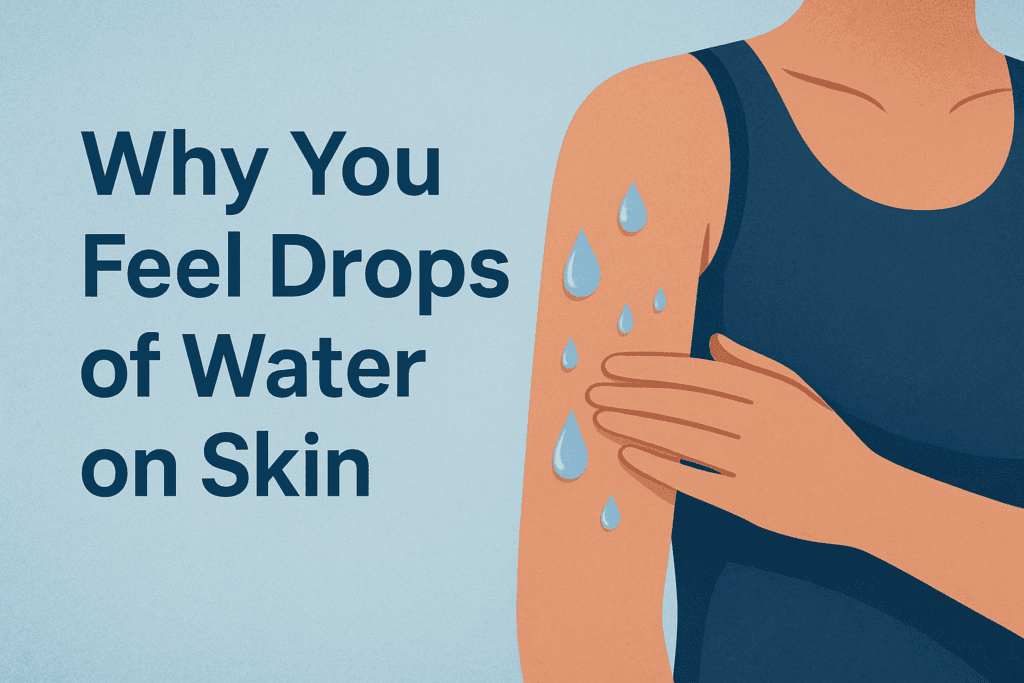
It happens out of nowhere. One moment you’re going about your day, sitting at your desk, walking down the street or lying in bed and then you feel it, the unmistakable sensation of a tiny drop of water hitting your skin. You glance around, nothing, not a single trace of moisture.
No water, no sweat, no raindrop, no insect. Just dry skin and that confusing, almost tangible feeling of droplets sliding down your arms, legs or even your face. Some people describe it as a delicate drizzle, others as little streams or light trickles moving across the skin.
It can be startling because it feels so real, your body reacts as if something touched it, even though logically, nothing did.
This mysterious phenomenon has a scientific name, formication, a type of phantom sensory sensation. It falls under the broader category of paresthesia, which includes tingling, prickling, crawling or buzzing sensations that occur without an external trigger.
The good news? Experiencing this doesn’t automatically mean something is seriously wrong. In most cases, it’s simply a temporary misfire in the nerves, a quirky signal sent from your skin to your brain.
There’s a reason it happens, and sometimes, it can hint at deeper issues with your nervous system, nutritional health or stress levels. Understanding the why behind these “phantom drops” is the first step to putting your mind at ease and knowing when to seek professional advice.
In this article, we’ll explore why you feel drops of water on your skin, when nothing is there, the common causes, the potential underlying conditions and practical steps to manage or prevent it.
What Is the Water Droplet Sensation Called?
That strange feeling of tiny drops of water on your skin, when there’s clearly nothing there is actually a recognized phenomenon in neuroscience. It falls under the umbrella of phantom sensory perceptions, more formally known as paresthesia. Paresthesia refers to unusual skin sensations such as tingling, crawling, prickling or dripping, all occurring without any physical trigger.
When the sensation specifically resembles water, cold, wet, sliding or trickling, it usually stems from miscommunication in your peripheral nerves. These are the nerves outside your brain and spinal cord, responsible for carrying touch, temperature and pain signals to your brain. Even though no liquid is present, your nerves can “misfire” sending signals that your brain interprets as moisture.
In simple terms, it’s not your imagination. Your brain genuinely thinks something is touching your skin because the nerves told it so, even though nothing actually made contact.
Why Does It Feel Exactly Like Water?
To understand why this sensation is so convincing, we need to look at the somatosensory system, the network of nerves that detects touch, temperature, and other sensations. Different types of nerve receptors respond to different stimuli:
Sensation Type | Responsible Nerve Receptor |
Heat | Thermoreceptors |
Cold | Thermoreceptors |
Touch / Pressure | Mechanoreceptors |
Pain | Nociceptors |
Tickling, Crawling, Dripping | Fine nerve fibers (C-fibers) |
The “water droplet” feeling usually arises from false signals sent by cold-sensitive thermoreceptors or light-touch C-fibers. These nerve fibers are meant to detect light touches, gentle movement across the skin or subtle temperature changes. When they misfire, your brain interprets the vague signals as something familiar, a droplet of water sliding down your skin.
Essentially, your nervous system is trying to make sense of ambiguous input, and the closest match it can find is moisture. That’s why the sensation feels real, sometimes startlingly so, even though there’s nothing there.
The Most Common Causes
The sensation of feeling drops of water on your skin even when there’s clearly nothing there, usually falls into two main categories:
- Temporary and harmless causes
- Persistent or medical-related causes
Understanding which category your experience falls into is key to knowing whether it’s something you can ignore or if it warrants attention. Let’s break them down.
Harmless & Everyday Causes
These triggers are the most common and usually nothing to worry about.
1. Nerve Compression (Sitting, Sleeping, Bending)
Sometimes, the simplest positions can cause temporary nerve misfires. Sitting cross-legged for an extended period, leaning on your elbow or letting your legs hang off a chair can compress nerves in your arms, legs or back.
This compression interrupts normal nerve signaling, producing sensations that feel like dripping water, crawling or tingling even though no liquid is present.
To fix, gently change your position, stretch your muscles, take a short walk, or massage the area. This usually restores normal nerve function within minutes.
2. Static Electricity or Dry Skin Sensitivity
In low-humidity environments particularly in winter, static electricity can accumulate on skin and clothing. This activates light-touch nerve fibers, tricking your brain into perceiving tiny water droplets.
Other sensations may include:
- Tiny zaps or shocks
- Hair standing on end
- Light tingling across the skin
Moisturize regularly, avoid synthetic fabrics that generate static, and maintain moderate indoor humidity.
3. Nerve Fatigue from Stress or Anxiety
Stress can affect your nervous system more than you might think. High levels of cortisol and adrenaline make nerves hyper-responsive, so even without direct touch or external triggers, your nerves may misfire.
Your brain may interpret these false signals as:
- Dripping water
- Crawling sensations
- Light tapping on the skin
Manage stress with techniques such as deep breathing exercises, consistent sleep routines, staying hydrated, and regular physical activity.
4. After Exercise or Sweating
After intense physical activity, your sweat may evaporate, but your nerves can continue sending signals that feel like lingering moisture. This is especially common after gym sessions, saunas or hot showers. Cool down gradually, rinse the skin if needed, and wear breathable clothing to minimize overstimulation of nerve endings.
5. Phantom Sensation After Showering
Some people experience water-like sensations minutes after leaving the shower. This is called post-bathing paresthesia. Heat temporarily changes nerve sensitivity, and as your skin cools, leftover nerve signals can create the illusion of droplets trickling down your body.
When It’s Not Normal: Medical-Related Causes
While occasional water-droplet sensations are generally harmless, frequent or persistent occurrences may indicate an underlying medical issue. These could involve nerve function, hormonal imbalances or nutritional deficiencies.
1. Peripheral Neuropathy (Early Signs)
Peripheral neuropathy occurs when the peripheral nerves, those outside the brain and spinal cord become damaged or irritated. Early warning signs include:
- Burning or tingling in the hands or feet
- Cold or “wet” sensations on the skin
- Pins-and-needles feeling
- Numbness in fingers or toes
Common triggers:
- Long-term alcohol use
- Diabetes or prediabetes
- Vitamin B12 deficiency
- Repetitive strain or nerve injury
2. Shingles (Before Rash Appears)
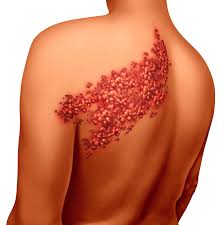
Shingles, caused by the reactivation of the varicella-zoster virus, can produce nerve pain weeks before a rash appears. Early symptoms often include:
- Dripping, burning, or stinging sensations
- Usually localized to one side of the body (back, ribcage, or waistline)
Recognizing early shingles pain can help with prompt treatment, reducing the severity and duration of the outbreak.
3. Vitamin( B12, B6, D, and Magnesium)
These nutrients are essential for nerve insulation and proper signal transmission. Deficiencies can manifest as:
- Dripping, crawling, or tingling sensations
- Muscle twitches or spasms
- Fatigue, brain fog, or low energy
Note: Testing nutrient levels is simple, and deficiencies are usually correctable through diet or supplements.
4. Hormonal Changes (Menopause, Thyroid Issues)
Hormones such as estrogen and thyroid hormones play a crucial role in nerve sensitivity. Fluctuations like those during menopause or thyroid dysfunction can make your nerves more reactive. Common symptoms include:
- Tingling or dripping sensations
- Goosebumps without exposure to cold
- Heightened skin sensitivity
5. Nerve-Related Anxiety Disorders
When accompanied by:
- Hyper-awareness of bodily sensations
- Fear of illness
- Panic or nervous system overstimulation
it may indicate somatic anxiety. The sensations are real, but they are triggered by heightened nerve responsiveness rather than a physical cause.
When to Pay Attention (Red Flags)
While occasional sensations of “water drops” on your skin are often harmless, certain patterns may indicate an underlying issue. You should consult a doctor if you notice any of the following:
- Occurs daily or spreads to larger areas: Consistent or spreading sensations may signal nerve dysfunction.
- Comes with burning, numbness, or pain: Could suggest neuropathy or nerve irritation.
- Affects walking, balance, or grip strength: May indicate peripheral nerve or spinal involvement.
- Localized to one side of the body: Could be an early sign of shingles (herpes zoster).
- Accompanied by muscle weakness or tremors: Warrants a thorough neurological evaluation.
Home Remedies and Relief Tips
If the sensations are occasional and not linked to an underlying medical condition, there are several practical ways to reduce or prevent them.
Simple Fixes That Work
Method | How It Helps |
Stretching | Releases compressed nerves and relieves temporary misfires |
Light Massage | Improves nerve circulation and soothes irritated fibers |
Warm Water Soak | Calms overactive nerves and relaxes the skin |
Magnesium + B-Complex Supplements | Supports nerve health and proper signal transmission |
Hydration | Maintains electrolyte balance, reducing nerve misfiring |
Reduce Caffeine & Alcohol | These substances can increase nerve excitability |
Sleep Support | Adequate sleep restores normal nerve function |
Nervous System Reset Techniques
Overstimulated nerves can often be calmed with targeted exercises:
4-7-8 Breathing:
- Inhale for 4 seconds
- Hold for 7 seconds
- Exhale for 8 seconds
- Repeat 5 cycles
This technique reduces nerve excitability and promotes overall relaxation.
Progressive Muscle Release:
- Tense each muscle group for 5 seconds, then release
- Repeat through the entire body
This helps reset muscle-nerve feedback and reduces abnormal sensations.
Gentle Skin Brushing (Neurological Therapy):
- Using a soft brush or cotton ball, gently stroke the affected areas
- Retrains nerves to correct false signals and helps the brain interpret touch more accurately.
When to Consider Medical Tests
If the sensations persist, worsen, or are accompanied by other symptoms, doctors may recommend the following tests:
Test | Purpose |
Vitamin B12, B6, D, Magnesium | Detect nutritional neuropathy |
Fasting Blood Sugar & HbA1C | Identify diabetic or prediabetic nerve damage |
Thyroid Panel (TSH, T3, T4) | Evaluate hormonal-related nerve sensitivity |
Nerve Conduction Study | Confirm peripheral neuropathy or nerve damage |
VZV/Varicella Screening | Assess risk for shingles |
Final Thoughts
Feeling “water drops” on your skin when nothing is actually there is usually harmless. In most cases, it stems from temporary nerve miscommunication, fatigue, pressure on nerves or stress-induced hypersensitivity. Your nervous system occasionally fires false signals, and your brain interprets them as something tangible like the sensation of droplets sliding down your skin.
The key thing to remember is that the sensation is real, not imagined. Understanding why it happens can help reduce anxiety and confusion and prevent unnecessary worry.
Notice the Patterns
- If the sensation is random and occasional: there’s usually no cause for concern. It’s your nerves simply sending a brief, harmless misfire. Stretching, gentle massage or a warm soak may help it fade quickly.
- If the sensation is frequent, persistent, or spreading: it’s important not to ignore it. These can be early signs of underlying issues such as nerve irritation, nutritional deficiencies, hormonal changes or peripheral neuropathy.
Take Action When Needed
Don’t guess when your nerves are signaling something unusual. Simple medical checks can help rule out or detect early issues:
- Vitamin B12, B6, D, and Magnesium levels to check for nutrient-related nerve problems
- Blood sugar and HbA1C to screen for diabetes or prediabetes
- Thyroid function tests to detect hormonal imbalances
- Nerve conduction studies if neuropathy is suspected.
By paying attention to patterns, understanding the root causes and taking measured steps when necessary, you can manage the sensation effectively and protect your nerve health, all while avoiding unnecessary fear.
Remember, occasional “phantom drops” are usually just a quirk of your nervous system. Persistent or worsening signals, however, are your body’s way of asking for attention and responding early can make all the difference.

Dr. Ijasusi Bamidele, MBBS (Binzhou Medical University, China), is a medical doctor with 5 years of clinical experience and founder of MyMedicalMuse.com, a subsidiary of Delimann Limited. As a health content writer for audiences in the USA, Canada, and Europe, Dr. Ijasusi helps readers understand complex health conditions, recognize why they have certain symptoms, and apply practical lifestyle modifications to improve well-being