
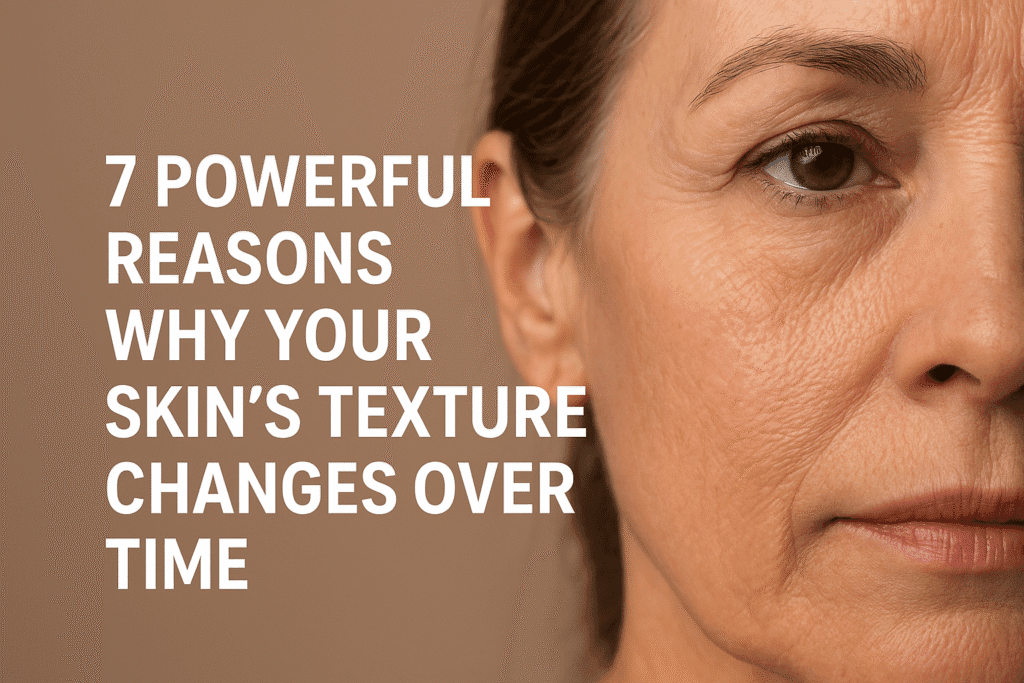
Your skin does a remarkable job every day. It protects you from the elements, regulates temperature, and even signals your health to the world. Yet as time passes, many people notice subtle changes, not just fine lines and wrinkles, but rough patches, dryness, sagging, and uneven surfaces. These shifts in texture can be frustrating, especially when they appear suddenly or without an obvious cause.
The truth is, skin texture changes are a natural part of aging, but they aren’t inevitable signs of decline. They are the visible outcome of a complex interplay between genetics, hormones, lifestyle, and environmental factors. From the cumulative effects of sun exposure to shifts in nutrition, sleep, and stress levels, countless elements quietly shape the way your skin feels and looks over time.
Understanding why your skin changes and how to support it is more than a cosmetic concern. Smooth, resilient skin is a reflection of overall health, hydration, and cellular function. By learning what drives these changes, you can take meaningful steps to protect your skin, maintain its texture, and even restore a youthful, healthy glow.
In this guide, we’ll explore the science behind skin texture, the factors that accelerate changes beyond wrinkles, and practical strategies to keep your skin smooth, supple, and vibrant at every stage of life.
Understanding Skin Structure
Before exploring why skin texture changes over time, it’s important to understand what the skin is and how it functions. The skin is the body’s largest organ, a living barrier that protects against environmental damage, regulates temperature, and communicates health. Its texture and appearance are determined by the intricate structure of its three main layers:
Epidermis: This is the outermost layer of the skin, serving as the body’s first line of defense against external stressors. It prevents water loss and shields against pollutants and microbes. The epidermis is made up of several specialized cells: keratinocytes, which produce the protective protein keratin, melanocytes, responsible for pigmentation and UV protection, and Langerhans cells, which help the immune system detect pathogens. The health and turnover of the epidermis play a critical role in determining smoothness, brightness, and overall texture.
Dermis: Beneath the epidermis lies the dermis, a thicker layer that provides structure, strength, and elasticity. It contains collagen and elastin fibers, which maintain firmness and flexibility, as well as fibroblasts, which produce these essential proteins. The dermis also houses blood vessels, nerve endings, and sweat glands. When the dermis begins to degrade with age or environmental damage, the skin loses resilience, leading to roughness and sagging.
Hypodermis (Subcutaneous Layer): The deepest layer of skin is composed primarily of fat and connective tissue. It cushions internal organs, insulates the body, and supports the upper layers. As this layer thins over time, the skin can appear less plump and more textured, particularly in areas such as the cheeks, hands, and around the eyes.
Skin texture is influenced not only by the structural integrity of these layers but also by how they interact with environmental factors and internal physiology. Healthy, well-nourished skin maintains smoothness, elasticity, and hydration, while cumulative damage and aging can make texture rougher and uneven.
1. Natural Aging and Its Impact on Skin Texture
Intrinsic Aging
Intrinsic aging is the natural, genetically programmed process that occurs in all of us. It is inevitable, but understanding it helps explain many subtle changes in texture that go beyond wrinkles.
One of the most significant factors is a gradual reduction in collagen and elastin production. Collagen provides structural support, giving skin its firmness, while elastin allows it to stretch and return to shape. As these proteins diminish, skin becomes thinner, less resilient, and more prone to sagging, roughness, and unevenness.
Sebum, the skin’s natural oil, also decreases with age. Reduced sebum leads to dryness, flakiness, and an uneven surface, which can accentuate lines and make skin feel rough to the touch.
In addition, the epidermis slows down its natural process of cell turnover. Dead skin cells accumulate on the surface, contributing to a dull, coarse appearance. This slower renewal process makes it harder for the skin to repair itself and maintain a smooth texture.
Extrinsic Aging
Extrinsic aging results from external influences that accelerate texture changes beyond what is caused by genetics alone. Among the most impactful factors are:
Sun Exposure: Ultraviolet (UV) radiation is a primary culprit in premature aging. UV rays break down collagen and elastin fibers, leading to leathery, rough skin, hyperpigmentation, and enlarged pores. Over time, sun damage can drastically alter texture, creating visible irregularities and reducing elasticity.
Environmental Pollution: Airborne pollutants generate free radicals, unstable molecules that damage skin cells and weaken the structural proteins in the dermis. This oxidative stress can make skin rougher, more dehydrated, and prone to premature aging.
Lifestyle Factors: Habits such as smoking, excessive alcohol consumption, and a diet high in processed foods further degrade skin quality. Smoking constricts blood vessels, reducing nutrient and oxygen delivery to the skin, while alcohol dehydrates the body and disrupts cellular function. Together, these factors accelerate texture deterioration, leaving skin less smooth and more uneven.
2. Hormonal Changes
Hormones are central to maintaining skin health, and shifts in hormonal balance throughout life can significantly affect texture.
In women, menopause causes a sharp decline in estrogen, a hormone critical for collagen production, moisture retention, and epidermal turnover. As estrogen levels drop, skin can become thinner, drier, and more prone to roughness and sagging.
Androgens, present in both men and women, regulate oil production. Imbalances can lead to either excessive oiliness, which can enlarge pores and cause uneven texture, or dryness, which makes the skin appear coarse.
Thyroid function also plays a key role. Hypothyroidism can lead to dry, rough, and brittle skin, while hyperthyroidism may produce thin, fragile skin. These hormonal fluctuations demonstrate that changes in texture are often tied to internal physiology as much as to external factors.
3. Nutrition and Skin Health
The foods you eat directly influence the health, appearance, and texture of your skin. Proper nutrition supports collagen formation, moisture retention, and cellular turnover, all of which contribute to smooth, resilient skin.
Vitamin C is essential for collagen synthesis. A deficiency can result in sagging, rough, or uneven skin texture.
Vitamin A promotes healthy skin cell turnover, preventing the buildup of dead cells that can make skin appear dull and flaky.
Healthy fats, especially omega-3 fatty acids, maintain the lipid barrier, keeping skin supple and hydrated. Without adequate fats, the skin can lose its smoothness and develop rough patches.
Protein is critical because collagen itself is a protein. Insufficient dietary protein can weaken the structural integrity of the skin, leading to texture changes.
Conversely, diets high in sugar and processed foods can trigger glycation, a chemical process where sugar molecules attach to collagen and elastin fibers, making them stiff and brittle. This accelerates the breakdown of structural proteins and contributes to rough, uneven skin texture.
4. Skin Conditions That Alter Texture
Certain dermatological conditions can accelerate changes in skin texture or make existing texture issues more noticeable. Chronic inflammation, scarring, and abnormal keratin production all affect how smooth or rough the skin feels.
Eczema and Psoriasis: These chronic inflammatory conditions often lead to rough, scaly patches. The skin may appear red, dry, and irritated, with a raised or flaky texture that can persist for weeks or months. Even with treatment, repeated flare-ups can alter the skin’s natural smoothness over time.
Acne Scars: Acne doesn’t just affect the skin while lesions are active. Post-inflammatory changes can leave permanent textural irregularities, including pitted scars, enlarged pores, and uneven surfaces. These changes often create areas of skin that feel rougher or less uniform than surrounding tissue.
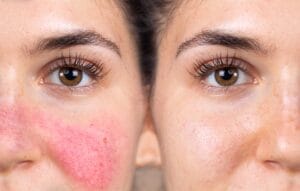
Rosacea: Persistent redness and inflammation characteristic of rosacea can lead to thickened skin in certain areas, particularly around the nose and cheeks. Over time, this thickening contributes to uneven texture and makes skin more sensitive to irritation.
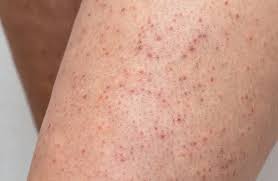
Keratosis Pilaris: Often called “chicken skin,” keratosis pilaris produces small, rough bumps on the arms, thighs, and sometimes the face. This occurs when excess keratin, the protein that protects the skin, clogs hair follicles, creating tiny, uneven protrusions.
Understanding these conditions helps explain why some texture changes are not merely cosmetic but the result of underlying health or inflammatory processes.
5. The Role of Hydration and Moisture
Hydration plays a central role in skin texture. Well-hydrated skin appears plump, soft, and resilient, whereas dehydrated skin often looks dull, rough, and uneven. Water supports essential cellular functions, including nutrient delivery, waste removal, and repair processes.
When the skin is dehydrated:
- Roughness and Flakiness: The lack of water disrupts the skin’s natural barrier, leading to dryness and surface unevenness.
- Fine Lines: Dehydrated skin is less elastic, making wrinkles and creases more prominent.
- Dull Complexion: Water is necessary for optimal metabolic activity within skin cells; insufficient hydration can result in a lackluster appearance.
Hydration is not only topical. Drinking sufficient water and consuming water-rich foods such as fruits and vegetables support internal hydration, which reflects outwardly in smoother, more supple skin. A consistent moisturizing routine also reinforces the skin’s natural barrier, locking in hydration and improving texture over time.
6. Collagen and Elastin Breakdown
Collagen and elastin are critical proteins that maintain skin’s firmness, elasticity, and smooth surface. With age, both decline naturally, contributing significantly to texture changes.
- Sagging Skin: Loss of structural support causes looseness and unevenness, particularly noticeable on the cheeks, jawline, and neck.
- Reduced Resilience: Skin becomes less capable of bouncing back after stretching, making fine lines and rough patches more visible.
- Thinner Epidermis: As the skin’s outer layer thins, irregularities in texture are accentuated, and the surface can appear more fragile.
Several factors accelerate this breakdown. Ultraviolet (UV) exposure damages collagen and elastin fibers, while smoking reduces oxygen and nutrient delivery to skin cells. Chronic stress increases cortisol, which breaks down structural proteins, and poor nutrition deprives the skin of the building blocks it needs to maintain resilience.
7. Environmental and Lifestyle Factors
Beyond natural aging, environmental and lifestyle influences play a significant role in shaping skin texture over time.
Sun Exposure: Repeated exposure to UV rays leads to photodamage, which manifests as rough, leathery patches, uneven pigmentation, visible pores, and fine lines. Daily sun protection with broad-spectrum SPF is essential for preserving smoothness.
Smoking: Tobacco smoke restricts blood flow and damages collagen and elastin, resulting in dull, rough skin with a grayish undertone. Long-term smoking significantly accelerates texture deterioration.
Pollution: Airborne particles and chemical pollutants trigger oxidative stress, damaging skin cells and weakening structural proteins. Over time, this contributes to a coarser, less even skin surface.
Stress and Sleep Deprivation: Chronic stress elevates cortisol, which can break down collagen, trigger inflammation, and impair the skin’s ability to retain moisture. Sleep deprivation hampers cellular repair and renewal, resulting in a dull, uneven appearance and accentuated texture issues.
8. Aging of Different Skin Types
Skin type affects how texture changes present over time:
- Oily Skin: Excess sebum can enlarge pores and cause rough patches, particularly when combined with inflammation or acne.
- Dry Skin: Lacks moisture, making it more susceptible to flakiness, fine lines, and coarse texture.
- Combination Skin: Can have uneven texture, with some areas oily and others dry, requiring a nuanced skincare approach.
- Sensitive Skin: Inflammation and irritation amplify roughness, redness, and uneven texture, often making it appear more aged than other types.
Recognizing your skin type is crucial for tailoring hydration, cleansing, and treatment strategies that maintain smoothness and resilience.
The Impact of Aging on Facial Features
Texture changes are often most noticeable on the face because of constant exposure, thinner skin, and repeated facial expressions. Different areas of the face show aging differently:
- Cheeks: Loss of fat and collagen can create hollowed areas, reducing smoothness and making rough patches more apparent.
- Forehead: Expression lines, combined with thinning skin, create subtle ridges that disrupt surface texture.
- Around the Mouth: Lip thinning and loss of supportive fat can make skin feel less firm and uneven.
- Hands and Neck: Frequently neglected in skincare routines, these areas show dryness, sagging, and roughness earlier than many expect.
Focusing on these areas with hydration, sun protection, and targeted skincare can help maintain smooth, even texture.
Preventive Strategies to Maintain Smooth Skin Texture
While aging cannot be stopped, lifestyle choices and consistent skincare practices can slow texture deterioration and maintain smoother, healthier skin.
- Sun Protection: Daily application of broad-spectrum SPF shields collagen and elastin from UV damage.
- Gentle Cleansing: Use mild cleansers to avoid stripping natural oils, which are essential for maintaining smoothness.
- Moisturization: Emollients and humectants help lock in hydration, preserving suppleness and texture.
- Retinoids: These compounds accelerate cell turnover and stimulate collagen production, improving texture over time.
- Antioxidants: Topical vitamin C, E, and polyphenols neutralize free radicals, reducing oxidative damage.
- Regular Exfoliation: Chemical exfoliants like AHAs and BHAs remove dead skin cells, revealing smoother surfaces.
- Healthy Diet: A balanced intake of antioxidants, proteins, healthy fats, and vitamins supports structural integrity and hydration.
- Adequate Sleep and Stress Management: Supports cellular repair, reduces cortisol, and prevents premature roughness.
- Avoid Smoking and Limit Alcohol: Maintains blood flow, protects collagen, and prevents dehydration, all of which preserve smooth texture.
Consistent implementation of these strategies creates a foundation for long-term skin health, keeping texture soft, plump, and resilient even as natural aging progresses.
Advanced Skincare and Medical Interventions
For individuals seeking more noticeable improvements in skin texture, advanced skincare treatments and medical procedures offer targeted solutions. These interventions work by stimulating collagen production, resurfacing the skin, or restoring lost volume, helping to smooth roughness and improve overall appearance.
Microneedling: This minimally invasive procedure uses fine needles to create micro-injuries in the skin, triggering the body’s natural repair response. The result is increased collagen and elastin production, which helps reduce fine lines, improve firmness, and smooth out uneven texture.
Chemical Peels: Chemical peels remove the outer layer of dead skin cells, revealing fresh, regenerated skin beneath. They can be tailored for various depths, from light peels for surface texture improvement to deeper peels that address pigmentation irregularities and pronounced roughness.
Laser Resurfacing: Lasers target both the epidermis and dermis, stimulating collagen production while evening out the surface. This treatment is effective for reducing rough patches, fine lines, and discoloration, giving the skin a smoother, more uniform appearance.
Fillers and Fat Grafting: Loss of volume in the deeper layers of the skin can contribute to uneven texture and sagging. Dermal fillers or fat grafting can restore fullness, support the skin’s surface, and reduce the appearance of roughness or hollows.
PRP (Platelet-Rich Plasma): PRP involves using the patient’s own plasma, rich in growth factors, to promote tissue regeneration. When applied or injected into the skin, it stimulates collagen and elastin production, enhancing texture, elasticity, and overall skin vitality.
While these procedures can deliver remarkable results, it’s important to consult with a qualified dermatologist or aesthetic professional to determine which options suit your skin type, goals, and medical history.
Lifestyle Habits That Promote Long-Term Skin Health
Healthy skin is not just the result of topical treatments; daily lifestyle choices play a critical role in maintaining smooth, resilient texture over time.
Consistent Exercise: Physical activity boosts circulation, delivering oxygen and nutrients to skin cells while promoting detoxification. Regular exercise also helps regulate hormones and reduce inflammation, which can otherwise contribute to rough or uneven skin.
Balanced Hormone Management: Hormones influence oil production, moisture retention, and collagen synthesis. Consulting a healthcare provider to address imbalances, particularly during menopause, andropause, or thyroid dysfunction can help maintain smoother skin.
Gut Health: A well-functioning digestive system supports skin hydration and immune function. Emerging research shows that a balanced gut microbiome reduces inflammation, which can minimize roughness and support even texture.
Mindful Skincare Routine: Over-exfoliation, harsh cleansers, or aggressive treatments can damage the skin’s barrier, leading to dryness, irritation, and uneven texture. Choosing gentle, targeted products and listening to your skin’s needs promotes long-term smoothness.
Environmental Awareness: Pollution, extreme weather, and UV exposure all affect skin texture. Simple protective measures, such as indoor air filters, protective clothing, and daily sunscreen, help shield the skin from external damage.
By combining these habits with consistent skincare, you create a foundation for skin that remains healthy, hydrated, and resilient well into later years.
Recognizing When Texture Changes Are a Warning Sign
While many texture changes are a normal part of aging, some may signal underlying health issues that require professional attention. It’s important to be aware of warning signs, including:
- Rapid changes in thickness, color, or roughness: Sudden alterations may indicate dermatological conditions or systemic issues.
- Persistent scaling or plaques: Could signal eczema, psoriasis, or other chronic inflammatory conditions.
- New bumps, growths, or lesions: Unexplained growths should always be evaluated by a healthcare professional.
- Sudden dryness or irritation that doesn’t improve: May indicate hormone imbalances, nutrient deficiencies, or environmental factors affecting skin health.
Early recognition allows for timely diagnosis and treatment, potentially preventing further deterioration and preserving smoother, healthier skin.
Embracing Natural Changes
Finally, it’s essential to approach skin aging with both care and perspective. Texture changes are a natural part of life, and striving for perfection can create unnecessary stress. By accepting and understanding these changes, you can:
- Make informed lifestyle and skincare choices: Focus on interventions that truly support skin health rather than chasing unrealistic ideals.
- Set realistic expectations for treatments: Understand that procedures and products improve texture, but cannot halt natural aging entirely.
- Prioritize overall health over cosmetic perfection: Smooth, nourished, and resilient skin reflects internal wellness as much as external care.
Healthy skin is about more than the absence of wrinkles. It’s about maintaining moisture, resilience, and vitality. By combining thoughtful skincare, preventive habits, and a balanced mindset, your skin can remain vibrant and smooth, a true reflection of lifelong health.
Conclusion
Skin texture doesn’t change overnight, it evolves in response to everything your body experiences. Intrinsic aging, hormonal shifts, daily habits, stress, diet, environmental exposure, and overall health all leave their marks over time. Roughness, dryness, thinning, or loss of elasticity aren’t just cosmetic concerns; they’re meaningful signals from a living organ that’s constantly adapting.
The good news is that texture changes are not fixed. When you understand the forces shaping your skin, you gain the power to influence them. Strategic protection, thoughtful lifestyle choices, and evidence-based skincare combined with professional treatments when appropriate, can preserve smoothness, restore resilience, and strengthen your skin’s natural defenses.
Ultimately, your skin reflects your journey, caring for it isn’t about chasing perfection, it’s about supporting its function, respecting its needs, and responding to the messages it sends. When you approach your skin with clarity, consistency, and balance, it becomes more than something you treat, it becomes a visible expression of your overall health and confidence.

Dr. Ijasusi Bamidele, MBBS (Binzhou Medical University, China), is a medical doctor with 5 years of clinical experience and founder of MyMedicalMuse.com, a subsidiary of Delimann Limited. As a health content writer for audiences in the USA, Canada, and Europe, Dr. Ijasusi helps readers understand complex health conditions, recognize why they have certain symptoms, and apply practical lifestyle modifications to improve well-being