⚠️ Affiliate Disclaimer: This post may contain affiliate links, which means I may earn a small commission — at no extra cost to you — if you make a purchase through one of these links. I only recommend products or services I genuinely trust and believe can provide value. Thank you for supporting My Medical Muse!
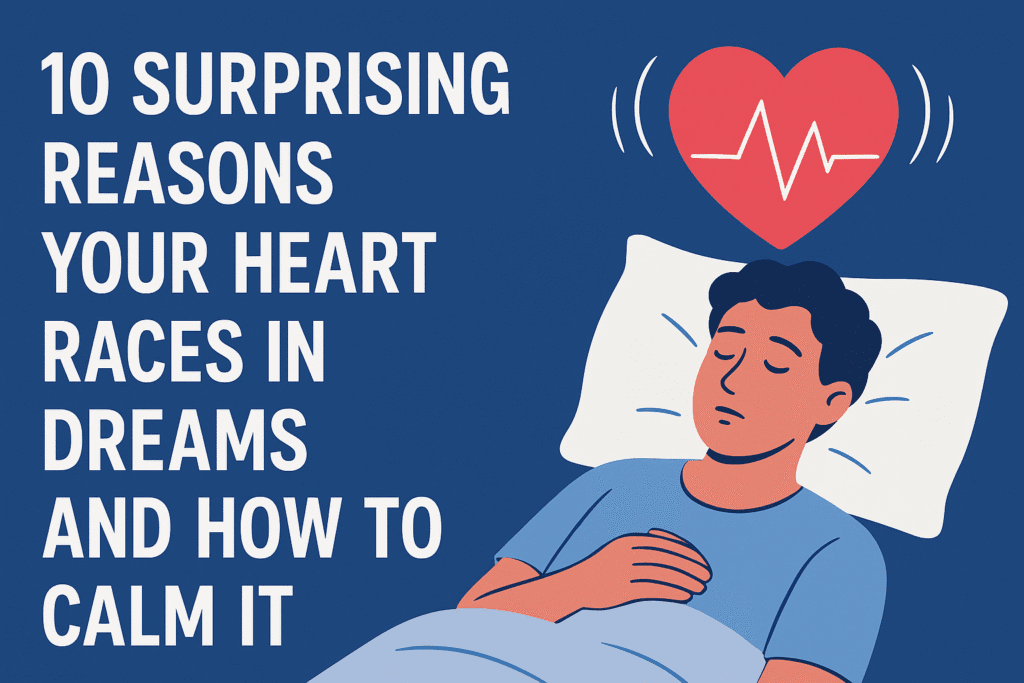
7 Surprising Reasons Why Your Heart Races When You Dream: What Science Reveals
The Science Behind Heart Racing in Dreams
Your body behaves differently during sleep than when you’re awake. Sleep isn’t just a passive resting state, it’s an active, dynamic process where your brain and body are engaged in essential maintenance, memory consolidation and emotional processing.
Sleep is divided into several stages, with REM (Rapid Eye Movement) sleep being the most vivid dreaming phase. During REM sleep, your brain is almost as active as when you’re awake, firing signals that make dreams feel real. Yet, your body is partially paralyzed to prevent you from physically acting out your dreams, a protective mechanism known as REM atonia. Despite this temporary paralysis, your heart, lungs and other vital systems remain fully responsive, ready to react to the emotional intensity of your dreams.
1. The Role of the Autonomic Nervous System
The autonomic nervous system (ANS) governs involuntary bodily functions such as heart rate, breathing, and digestion. It has two primary branches that work in opposition to maintain balance:
- Sympathetic nervous system: Often called the “fight or flight” system, it primes your body to react to danger or excitement. Activation speeds up your heart, raises blood pressure and sharpens alertness.
- Parasympathetic nervous system: Sometimes referred to as the “rest and digest” system, it slows your heart, lowers blood pressure, and promotes relaxation.
During REM sleep, the sympathetic nervous system can become surprisingly active, particularly when your dreams involve stress, fear, or intense excitement. This surge in sympathetic activity sends signals to your heart to beat faster, sometimes so strongly that you wake up feeling your chest pounding. Even though you’re safe in bed, your body temporarily responds as if the dream were real.
2. Emotional Intensity of Dreams
Dreams are emotionally rich experiences. Fear, excitement, sadness, and joy can all produce physiological responses in your body, including elevated heart rate, rapid breathing, and muscle tension. The reason? Your brain interprets dream scenarios as real, triggering the same biological reactions it would if you were experiencing those events in waking life.
- Stressful dreams: A nightmare where you’re being chased, falling or facing danger can activate your stress response. Your heart rate skyrockets, your palms may sweat, and your breathing becomes shallow, just like in a real-life stressful situation.
- Positive dreams: Even dreams filled with joy or triumph can cause your heart to beat faster. However, these increases are often accompanied by pleasurable feelings rather than anxiety, highlighting how emotion and heart function are intertwined.
These reactions are entirely normal. They demonstrate how closely your limbic system, the brain’s emotional center communicates with your cardiovascular system, even while you sleep.
3. Hormonal Surges During REM Sleep
Your hormones fluctuate naturally during sleep, and REM sleep is a particularly active time for these chemical changes. Several hormones directly influence heart rate:
- Adrenaline (epinephrine): Often called the “stress hormone”, adrenaline can spike during emotionally charged dreams. This increases heart rate, strengthens contractions, and raises blood pressure, preparing your body for action even though you’re lying in bed.
- Cortisol: Known as the “wake-up hormone,” cortisol levels rise gradually toward the morning. This natural increase can amplify the effects of adrenaline during late-night dreams, helping your body transition toward wakefulness.
- Melatonin: The hormone that regulates sleep remains active, promoting relaxation. However, during REM sleep, melatonin’s calming effect is often outweighed by surges in adrenaline and cortisol, which is why your heart can still race unpredictably.
These hormonal shifts, combined with sympathetic nervous system activity, create a perfect storm for heart rate spikes during vivid dreams. Even if you’re physically at rest, your body experiences moments of excitement, fear or joy as if the events were unfolding in real life.
Common Scenarios That Trigger Heart Racing in Dreams
Not all dreams provoke the same level of physical response. Some scenarios are more likely to make your heart race, thanks to the intricate connection between your brain, emotions, and autonomic nervous system. Understanding these common triggers can help you contextualize why your body reacts the way it does during sleep.
1. Nightmares and Night Terrors
Nightmares usually occur during REM sleep and often involve vivid, emotionally intense situations like being chased, falling, or facing danger. Because your brain interprets dream events as real, your body can respond with:
- Rapid heartbeat
- Shallow, quickened breathing
- Sweating and tense muscles
Night terrors, more common in children, generally occur during non-REM sleep but still provoke significant physical arousal. They may cause sudden awakening, screaming and an accelerated heart rate, leaving the dreamer feeling panicked and disoriented. While both nightmares and night terrors are alarming, they are usually harmless if infrequent.
2. Exciting or Thrilling Dreams
Not all heart-racing dreams are scary. Dreams that are exciting or exhilarating, such as imagining a victory, experiencing romance or surviving danger can also trigger sympathetic nervous system activation. Even positive excitement elevates your heart rate, demonstrating that your body reacts to emotional intensity, whether it’s fear or joy. This explains why you might wake from a thrilling dream feeling energized, exhilarated or even a little breathless.
3. Stress-Related Dreams
Your daytime stress often spills over into your dream world. Work pressures, unresolved conflicts, or chronic anxiety can create scenarios where your body responds as if the stress were happening in real life. These dreams keep the sympathetic nervous system engaged, leading to:
- Increased heart rate
- Rapid breathing
- Muscle tension
The intensity can vary depending on the emotional weight of your daily stressors, making some nights feel physically exhausting even if you haven’t left your bed.
4. Physical Health Factors
Certain underlying health conditions or lifestyle choices can amplify heart racing during dreams:
- Sleep apnea: Interrupted breathing during sleep triggers stress responses, forcing your heart to beat faster to compensate for reduced oxygen.
- Hyperthyroidism: An overactive thyroid can elevate your baseline heart rate, making even normal dreams feel physiologically intense.
- Caffeine or stimulants: Consuming caffeine or stimulant medications too close to bedtime increases sympathetic activity, which can intensify your body’s reaction to dreams.
Physiological Mechanisms: How the Brain Communicates With the Heart
Even while you sleep, your brain and heart are in constant dialogue. Several key mechanisms explain why dreams can trigger rapid heartbeat and other physical responses:
1. The Limbic System
The limbic system, which includes the amygdala and hippocampus, is central to processing emotions and memories. During REM sleep, the amygdala becomes highly active, particularly when experiencing fear, excitement or other intense emotions in dreams. This activity signals the hypothalamus, which in turn activates the sympathetic nervous system, resulting in:
- Rapid heartbeat
- Shallow or irregular breathing
- Muscle tension, even when your body is partially paralyzed
This is why a dream can feel so real and physically demanding, despite being purely imaginary.
2. Brainstem Control
The brainstem, particularly the medulla and pons, regulates essential bodily functions like heart rate and breathing. Even during REM sleep, it responds to signals from the limbic system, translating emotional content of dreams into physical responses. This explains why your body reacts as though you are truly running, falling or facing danger your brainstem interprets dream events almost like reality.
3. Vagus Nerve Influence
The vagus nerve plays a dual role in regulating heart function. While it can slow the heart through parasympathetic activation, this calming influence can be overridden during intense dreams when adrenaline and sympathetic activity spike. The balance between calming (parasympathetic) and activating (sympathetic) signals determines whether a dream leaves your heart racing or your sleep undisturbed.
Why Some People Experience It More
Not everyone experiences heart racing during dreams with the same intensity. Several factors contribute:
- Genetics: Some individuals have a more reactive sympathetic nervous system, making them more prone to physiological responses during dreams.
- Personality traits: People with high anxiety or sensitivity often experience more vivid, emotionally charged dreams.
- Sleep quality: Fragmented or insufficient sleep can increase REM density, resulting in longer or more intense dreaming periods.
- Medications: Certain antidepressants, stimulants, or beta-blockers can alter heart rate or autonomic responses during sleep.
Understanding these factors helps normalize the experience, showing that heart racing in dreams is usually a natural variation in bodily response rather than a cause for alarm.
When to Be Concerned
Most nighttime heart racing is harmless, but some warning signs require professional attention:
- Frequent waking with palpitations or chest discomfort
- Episodes of dizziness, fainting, or shortness of breath at night
- Persistent irregular heartbeat during the day
These symptoms could indicate an underlying cardiac or sleep disorder, such as arrhythmias, sleep apnea or hyperthyroidism. Consulting a healthcare professional for a sleep study or heart evaluation is recommended if these issues occur regularly.
Tips to Reduce Heart Racing in Dreams
While occasional heart racing during dreams is normal, there are effective ways to reduce its frequency and intensity. Implementing simple lifestyle and sleep habits can help calm your body and mind before bed.
1. Improve Sleep Hygiene
Sleep hygiene refers to the habits and environment that promote restful sleep. To support calmer dreams and more stable heart rates:
- Maintain a consistent sleep schedule: Going to bed and waking up at the same time every day helps regulate your body’s internal clock.
- Limit exposure to screens: Blue light from phones, tablets, and computers suppresses melatonin production, making it harder for your body to relax.
- Create a comfortable sleep environment: Ensure your bedroom is dark, quiet, and cool. Comfortable bedding and a supportive mattress can also make a difference.
These small adjustments reinforce natural circadian rhythms, making your sleep deeper and your dreams less physically taxing.
2. Manage Stress and Anxiety
Because dreams often reflect your waking emotional state, reducing daytime stress can directly impact how your body reacts at night. Consider incorporating:
- Meditation or mindfulness practices: Even 10-15 minutes before bed can calm the sympathetic nervous system.
- Deep breathing exercises: Techniques like box breathing or diaphragmatic breathing slow heart rate and promote relaxation.
- Journaling: Writing down worries or reflecting on your day can help clear your mind before sleep.
By calming your nervous system, your brain is less likely to trigger intense physiological responses during REM sleep.
3. Avoid Stimulants
Caffeine, nicotine, and alcohol can all impact heart rate and autonomic balance:
- Caffeine and nicotine: Both are stimulants that increase sympathetic nervous system activity. Avoid consumption within 4-6 hours of bedtime.
- Alcohol: While it may initially make you feel sleepy, alcohol disrupts sleep architecture, increasing the likelihood of vivid dreams and night-time heart racing.
Reducing these substances helps your body maintain a calmer state during sleep.
4. Exercise Regularly
Moderate physical activity during the day improves autonomic balance, helping regulate heart rate both while awake and asleep. Activities like walking, swimming, yoga or light strength training:
- Reduce overall stress levels
- Improve sleep quality
- Support a healthier sympathetic-parasympathetic balance
Avoid exercising intensely immediately before bedtime, as that can temporarily elevate heart rate and interfere with relaxation.
Consult a Doctor When Needed
While most episodes of heart racing during dreams are harmless, some cases require professional evaluation:
- If palpitations are frequent or severe
- If accompanied by chest pain, dizziness, fainting, or shortness of breath
- If irregular heartbeat persists during waking hours
A cardiologist or sleep specialist can perform tests such as a sleep study, ECG or hormone panel to rule out underlying conditions.
Fun Facts About Dream-Induced Heart Racing
Dreams are not just mental experiences, they produce tangible physiological effects. Some fascinating insights include:
- Lucid dreaming: People who practice lucid dreaming can sometimes control dream scenarios, potentially moderating the emotional intensity and heart rate spikes.
- Shared experience across species: Animals also experience elevated heart rates during REM sleep. Studies in cats, dogs, and rats show heart rate patterns that closely resemble those in humans during active dreaming.
- Memory consolidation: Researchers suggest that heightened physiological activity during REM dreams may play a role in processing emotions and consolidating memories, helping the brain integrate daytime experiences.
These facts highlight that heart racing during dreams is part of a larger, complex interplay between mind, body and emotional processing.
Understanding the Connection Between Mind and Body
Heart racing in dreams offers a clear glimpse into how deeply interconnected our brain and body are. Even as you rest, your mind continues to process experiences, emotions, and stress. This interplay can produce strong physical responses, showing that dreams are more than mental movies, they are full-body experiences.
Every surge of your heart during a vivid dream demonstrates the remarkable communication between your limbic system, autonomic nervous system, and heart, reminding us that emotional processing doesn’t stop just because we’re asleep.
Conclusion
Next time your heart races during a dream, remember that it’s usually a normal and natural reaction. Your brain and heart are engaged in a complex, fascinating dance, replaying emotions, fears and joys in ways that can feel startling but are typically harmless. By understanding these underlying mechanisms and taking proactive steps to improve sleep, manage stress and support overall health, you can enjoy calmer, more restorative nights with the right habits, you might even wake up feeling that a little less of your heart is racing both in dreams and in everyday life.
👩⚕️ Need Personalized Health Advice?
Get expert guidance tailored to your unique health concerns through MuseCare Consult. Our licensed doctors are here to help you understand your symptoms, medications, and lab results—confidentially and affordably.
👉 Book a MuseCare Consult NowOther Recommended Post:
- 7 Surprising Reasons Why Your Heart Races After Drinking Cold Water
- Can stomach ulcers cause heart palpitations? 7 Hidden Ways and solution
- 7 Alarming Reasons Why Your Heart Rate Drops Suddenly While Resting
- Why Your Heartbeat Slows Down Suddenly While Walking: 7 powerful Reasons Explained
- Why Your Heartbeat Feels Loud in Your Ears : 10 Surprising Reasons And When to Worry

Dr. Ijasusi Bamidele, MBBS (Binzhou Medical University, China), is a medical doctor with 5 years of clinical experience and founder of MyMedicalMuse.com, a subsidiary of Delimann Limited. As a health content writer for audiences in the USA, Canada, and Europe, Dr. Ijasusi helps readers understand complex health conditions, recognize why they have certain symptoms, and apply practical lifestyle modifications to improve well-being