⚠️ Affiliate Disclaimer: This post may contain affiliate links, which means I may earn a small commission — at no extra cost to you — if you make a purchase through one of these links. I only recommend products or services I genuinely trust and believe can provide value. Thank you for supporting My Medical Muse!
Why Your Fingers Turn White When It Is Cold : 7 Hidden Reasons
Why Your Fingers Turn White When It’s Cold: Hidden Causes, Risks & Remedies
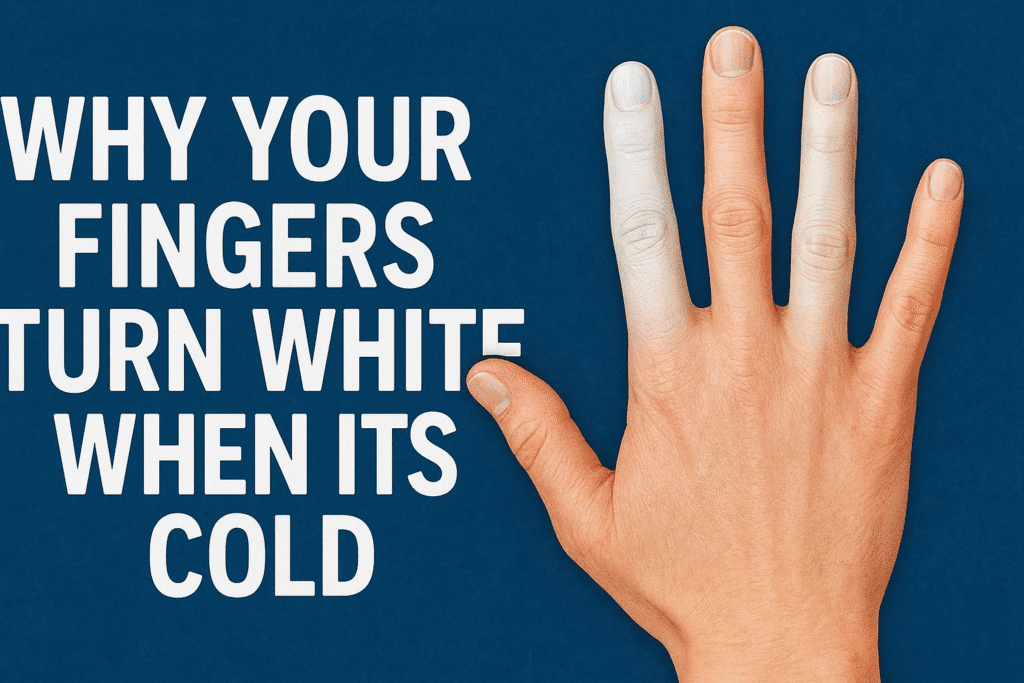
Have you ever stepped outside on a frosty morning and noticed your fingertips suddenly turning pale or even ghostly white? Perhaps they start to tingle, go numb, or throb painfully once you get back inside and they begin to warm up again. While this might seem like a harmless reaction to cold weather, it’s actually your body performing a fascinating and sometimes concerning survival maneuver.
When your fingers turn white in response to cold, your body is trying to protect your vital organs. It does this by reducing blood flow to areas farthest from your heart such as your fingers, toes, ears, and nose to conserve heat for your core. This process, known as vasoconstriction, is completely natural and helps maintain your internal temperature.
However, if your fingers turn white frequently, stay pale for long periods, or become painful, it may signal a more serious issue with circulation or even an underlying autoimmune condition. One of the most common culprits behind this is Raynaud’s phenomenon, a disorder that affects blood vessel function and can dramatically exaggerate your body’s normal response to cold or stress.
Understanding why your fingers change color isn’t just about comfort, it’s about recognizing what your body is telling you. Poor circulation or exaggerated vessel spasms can point to health conditions that deserve attention, especially if accompanied by other symptoms like pain, numbness, or skin changes.
In this comprehensive guide, we’ll uncover the science, causes, and solutions behind cold, white fingers. You’ll learn how to distinguish between normal reactions and red flags that need medical attention and discover proven ways to protect your hands from discomfort and long-term damage.
The Science Behind Cold, White Fingers
Your hands are among the very first parts of your body to feel the chill and that’s no accident. Human physiology is designed to prioritize survival, and when the temperature drops, your body immediately shifts into conservation mode.
This response is driven by your sympathetic nervous system, often called the “fight or flight” system. Its main job is to protect vital organs, your heart, lungs, and brain by maintaining your core temperature. To achieve this, your body redirects blood flow away from your extremities and toward your core, where it’s most needed.
This process is known as vasoconstriction, a reflex in which the small blood vessels (arterioles) in your fingers, toes, ears, and nose narrow. By tightening these vessels, your body minimizes heat loss from the skin surface. It’s an automatic, protective reaction to cold exposure.
As blood flow decreases, the oxygen supply to your skin temporarily drops, causing your fingers to lose their normal pink tone. They can appear pale, white, or even bluish, depending on how restricted the circulation becomes. You may also notice your fingers feeling numb, stiff, or tingly because your nerve endings receive less oxygen and warmth.
Once you step back into a warmer environment, the opposite process occurs, vasodilation. The blood vessels widen again, allowing warm, oxygen-rich blood to rush back into your fingers. This sudden return of circulation often causes your skin to flush red or purple and can bring a tingling, throbbing, or burning sensation. It’s your body’s way of re-establishing normal blood flow and nerve function.
For most people, this entire sequence from whitening to redness is a completely normal physiological reaction to cold. It’s temporary, harmless, and resolves as soon as you warm up. However, if your fingers turn white too easily, too often, or stay pale for an extended time, it may signal that your blood vessels are overreacting or that your circulation is compromised.
When this exaggerated response occurs, doctors often look for conditions like Raynaud’s phenomenon, where the body’s natural vasoconstriction reflex becomes excessively strong, even in mild cold or stress. In such cases, the color changes in your fingers, from white to blue to red — are not just a quirk of winter weather, but a sign of an underlying vascular sensitivity or disorder.
Understanding this process helps explain why your hands react so dramatically to the cold and why paying attention to these color changes can offer valuable clues about your overall circulatory health.
Raynaud’s Phenomenon: The Most Common Cause
When your fingers turn stark white or even bluish in cold weather or surprisingly, during moments of emotional stress, the most likely culprit is a condition called Raynaud’s phenomenon (also known as Raynaud’s syndrome or Raynaud’s disease).
Named after the 19th-century French physician Dr. Maurice Raynaud, who first described it in 1862, this condition involves abnormal narrowing of blood vessels in response to cold or stress. Essentially, the body’s normal defense mechanism which conserves warmth by tightening blood vessels becomes over-sensitive and overreactive, dramatically reducing blood flow to the extremities.
What Happens During a Raynaud’s Attack
A Raynaud’s episode often begins suddenly and follows a distinctive pattern. During an attack, the small arteries that supply blood to your fingers (and sometimes toes, ears, or nose) spasm, drastically reducing circulation.
Here’s what typically happens step by step:
- Vasospasm begins: The small blood vessels constrict suddenly, cutting off oxygen-rich blood to the skin.
- Color change to white: As blood flow stops, the affected fingers lose color and turn pale or chalk-white.
- Blue phase (cyanosis): With prolonged lack of oxygen, your fingertips may take on a bluish or purplish hue.
- Rewarming and redness: When the episode subsides and blood flow returns, the skin flushes red and may feel warm, tingly, or even painful as circulation is restored.
These three classic color phases: white – blue – red, are the hallmark of Raynaud’s phenomenon. Some people also experience numbness, stiffness, throbbing, or a pins-and-needles sensation that can last from several minutes to over an hour, depending on severity.
Types of Raynaud’s Phenomenon
Doctors recognize two main forms of this condition, which differ in cause and severity.
1. Primary Raynaud’s (Raynaud’s Disease)
This is the most common and generally mild type. It occurs on its own, without any underlying medical condition.
- Typically appears between ages 15 and 30
- Affects women far more often than men
- Often triggered by cold temperatures or emotional stress
- Episodes are short-lived and reversible, with no lasting damage
People with primary Raynaud’s usually have normal blood vessel structure but heightened sensitivity to cold or stress signals from the nervous system. While uncomfortable, it rarely leads to complications or tissue injury.
2. Secondary Raynaud’s (Raynaud’s Syndrome)
Secondary Raynaud’s is less common but more serious. It develops as a result of an underlying disease or condition that damages the blood vessels, connective tissues, or nerves.
Common associated conditions include:
- Lupus (Systemic Lupus Erythematosus)
- Scleroderma (Systemic Sclerosis)
- Rheumatoid Arthritis
- Sjögren’s Syndrome
- Hypothyroidism or Hyperthyroidism
- Peripheral Artery Disease (PAD)
- Certain occupational exposures (e.g., vibrating tools, chemical solvents)
In secondary Raynaud’s, the arterial walls may become thicker or scarred, which increases the risk of prolonged or painful attacks. Over time, severe or repeated episodes can lead to skin ulcers, infections, or even tissue damage (gangrene) in the affected fingers or toes.
Who Is Most at Risk?
While Raynaud’s can affect anyone, certain factors raise your risk:
- Gender: Women are up to nine times more likely than men to experience it.
- Age: Most cases begin between teens and early 30s.
- Climate: Living in cold or damp regions increases frequency of attacks.
- Family history: A genetic predisposition may play a role.
- Lifestyle: Smoking and caffeine can worsen vasoconstriction, increasing episodes.
- Occupational exposure: People who frequently use vibrating tools (e.g., drills, jackhammers) or work in cold environments are at higher risk.
Why It Matters
Although Raynaud’s might sound minor, it’s more than just “cold fingers.” Frequent or severe attacks can affect quality of life, reduce hand dexterity, and in secondary forms, cause lasting vascular injury. Recognizing the difference between normal cold sensitivity and true Raynaud’s is key to preventing complications.
If you regularly notice color changes, numbness, or pain in your fingers or toes, especially if symptoms appear even in mild temperatures or after emotional stress, it’s worth discussing with your doctor. Early evaluation can rule out underlying autoimmune or vascular diseases and guide appropriate management.
Is It Just the Cold or Something More?
It’s easy to shrug off cold, white fingers as just a winter nuisance. But there are clues that can help you tell whether it’s normal or a medical concern.
Normal Cold Response
- Happens only in very cold conditions
- Affects both hands roughly the same
- Resolves quickly after warming
- No pain or lingering numbness
Possible Raynaud’s or Circulatory Issue
- Episodes triggered by mild cold or even stress
- One or more fingers change color distinctly (white/blue/red)
- Tingling, throbbing, or pain during recovery
- Skin ulcers, sores, or delayed healing
- Other symptoms like fatigue, joint pain, or skin thickening (signs of autoimmune issues)
If you’re noticing frequent color changes, especially if they’re painful or asymmetrical, it’s worth discussing with your doctor.
Risk Factors That Make You More Vulnerable
Certain factors increase your risk of having cold-induced finger whitening or Raynaud’s attacks:
Environmental
- Living in cold or damp climates
- Sudden exposure to temperature shifts (like going from a warm room to outdoors)
Biological
- Gender: Women are about three times more likely than men to develop Raynaud’s.
- Age: Typically begins in teens or early adulthood.
- Genetics: Family history plays a role, especially in primary Raynaud’s.
Lifestyle & Health Factors
- Smoking: Nicotine constricts blood vessels, worsening symptoms.
- Caffeine: Stimulates vasoconstriction and can trigger episodes.
- Medications: Some drugs can narrow blood vessels, including:
- Beta-blockers (for heart/blood pressure)
- Migraine medications (ergotamine, triptans)
- ADHD stimulants
- Beta-blockers (for heart/blood pressure)
- Occupational vibration: Regular use of vibrating tools can damage vessels over time (e.g., drills, jackhammers).
How Cold Fingers Can Affect Daily Life
For many people, Raynaud’s or poor circulation isn’t just a medical concern, it’s a daily discomfort that affects everything from typing to holding a steering wheel.
Even mild exposure like:
- Grabbing something from the freezer
- Sitting in an air-conditioned office
- Feeling emotional stress can trigger an attack.
Repeated episodes can make your hands hypersensitive to temperature changes. Over time, this can impact fine motor skills, grip strength, and even emotional well-being due to frustration or embarrassment.
When White Fingers Mean Something Serious
While most cases of finger whitening are harmless, secondary Raynaud’s or other vascular problems can cause tissue injury if untreated.
Seek medical attention if you notice:
- Ulcers or sores on fingertips
- Severe pain during or after an attack
- Skin thickening, rashes, or tightness
- One-sided symptoms (only one hand or finger affected)
- Other systemic symptoms like fatigue, joint swelling, or muscle weakness
These could point to autoimmune conditions such as lupus, scleroderma, or vasculitis, which require medical evaluation and treatment.
How Doctors Diagnose the Cause
When you visit your doctor, they’ll likely ask:
- How long you’ve had symptoms
- What triggers them
- Whether your toes, ears, or nose are affected
- Any family history of autoimmune disease
Common Diagnostic Tests
- Nailfold Capillaroscopy: A microscope is used to examine tiny capillaries near your fingernails for signs of damage.
- Blood Tests: To check for autoimmune markers like ANA (antinuclear antibodies).
- Cold Stimulation Test: Hands are cooled and monitored to observe blood flow response.
Identifying whether your Raynaud’s is primary or secondary helps guide treatment and prevention.
Practical Ways to Prevent White Fingers in the Cold
You can’t change the weather, but you can minimize how your body reacts to it. Try these science-backed strategies to keep your fingers warm and your circulation steady:
1. Dress Smartly
- Layer clothing to trap heat.
- Wear insulated gloves or mittens, mittens are warmer since your fingers share heat.
- Use heated gloves or hand warmers in extreme cold.
2. Avoid Vasoconstrictors
- Cut down on caffeine and nicotine.
- Limit cold drinks during winter, opt for warm beverages instead.
3. Move Often
- Regular physical activity improves overall circulation.
- Wiggle your fingers and swing your arms during cold exposure to keep blood flowing.
4. Manage Stress
Since stress can also trigger Raynaud’s attacks, practice relaxation techniques:
- Deep breathing
- Meditation
- Yoga or tai chi
5. Protect from Sudden Temperature Changes
- Warm your car before driving.
- Wear gloves when handling frozen foods.
- Run warm (not hot) water over your hands if they go white, sudden heat can worsen pain.
Medical Treatments for Persistent or Severe Cases
If lifestyle changes aren’t enough, doctors can prescribe treatments to improve blood flow and reduce attacks.
Common Options Include:
- Calcium Channel Blockers (e.g., Nifedipine):
Help dilate small blood vessels and reduce frequency of attacks. - Vasodilators (e.g., Nitroglycerin cream):
Applied to affected fingers to increase blood flow locally. - Alpha-blockers:
Block stress-induced vessel constriction. - Phosphodiesterase inhibitors (e.g., Sildenafil):
Sometimes used in severe cases to enhance circulation. - Nerve Surgery or Injections:
In rare, severe Raynaud’s cases, surgeons may cut tiny sympathetic nerves that cause vessel spasms. - Treating Underlying Conditions:
For secondary Raynaud’s, managing the root disease (like lupus or scleroderma) is key to controlling symptoms.
Home Remedies & Natural Circulation Boosters
Natural methods can complement medical care, though they shouldn’t replace it. Here are helpful additions:
Herbal and Nutritional Support
- Ginkgo biloba: May improve blood flow and reduce Raynaud’s attacks.
- Fish oil (omega-3): Supports vascular health.
- Magnesium: Helps relax blood vessels.
Always consult your doctor before starting supplements, especially if you take other medications.
Massage & Warm Compress
Gentle hand massages improve local circulation and ease stiffness. Warm (not hot) compresses can safely restore color.
Essential Oils
Diluted peppermint, rosemary, or ginger oils may increase warmth and comfort when massaged into fingers.
Coping Emotionally and Socially
Living with cold-sensitive fingers can be frustrating, especially if others don’t understand why you need gloves indoors. Building awareness and a few coping habits helps:
- Educate family or coworkers about your condition to reduce misunderstandings.
- Plan ahead for cold environments, always carry gloves or pocket warmers.
- Stay positive: Track your triggers and celebrate progress as symptoms improve.
Many people with Raynaud’s live fully normal lives once they learn how to manage their environment and stress effectively.
Myths About White Fingers and Raynaud’s
Let’s clear up some common misconceptions:
Myth | Fact |
It’s just poor circulation. | Raynaud’s involves nerve-controlled vessel spasms, not blocked arteries. |
You only get it in freezing weather. | Attacks can happen in mild conditions or even during stress. |
Only women get it. | More common in women, but men can have it too. |
There’s no treatment. | Many medications and lifestyle changes can dramatically reduce symptoms. |
Understanding these truths empowers you to take control of your condition instead of ignoring it.
When to See a Doctor
Schedule an appointment if:
- Your fingers turn white or blue frequently, even in mild cold.
- You experience pain, sores, or thickened skin on your hands.
- Only one hand or finger is affected.
- You have other symptoms like fatigue, rash, or joint stiffness.
Early evaluation helps rule out autoimmune diseases and ensures proper management before complications arise.
Can You Prevent It Altogether?
While you can’t completely prevent Raynaud’s or the body’s natural cold response, you can minimize attacks significantly through consistency:
- Keep your core warm at all times.
- Avoid smoking and caffeine.
- Stay active year-round.
- Manage stress and anxiety proactively.
- Follow your doctor’s plan if diagnosed.
Small, consistent changes yield big improvements over time.
Key Takeaways
Let’s recap the essentials:
- White fingers in the cold are usually a sign of reduced blood flow due to vessel constriction.
- Raynaud’s phenomenon is the most common cause when episodes happen often or even in mild conditions.
- Primary Raynaud’s is harmless, while secondary Raynaud’s can indicate autoimmune or vascular disease.
- Preventive steps like staying warm, avoiding nicotine/caffeine, and managing stress can dramatically reduce attacks.
- Persistent or painful symptoms deserve medical attention for proper diagnosis and treatment.
Final Thoughts
Your hands are more than tools, they’re sensitive indicators of your body’s inner balance. When your fingers turn white in the cold, it’s your circulation communicating that it needs care and attention.
While occasional whitening is harmless, frequent or painful episodes can reveal deeper issues with how your blood vessels or immune system function. By understanding the cause, protecting your hands, and making a few smart lifestyle choices, you can keep your fingers warm, healthy, and full of color even on the coldest days.
👩⚕️ Need Personalized Health Advice?
Get expert guidance tailored to your unique health concerns through MuseCare Consult. Our licensed doctors are here to help you understand your symptoms, medications, and lab results—confidentially and affordably.
👉 Book a MuseCare Consult NowRelated Blog Post You Might Like:
- Cold Feet from Neuropathy or Poor Circulation? 7 Shocking Differences You Need to Know
- Why Your Heartbeat Feels Loud in Your Ears : 10 Surprising Reasons And When to Worry
- 10 Surprising Reasons Why You Wake Up Drenched in Sweat But Feel Cold
- Why Does My Heart Race After Coffee? 7 Hidden Reasons and Proven Fixes You Must Know
- 10 Powerful Ways to Tell If Shortness of Breath Is Caused by Heart vs Asthma
- 10 Shocking Negative Effects of Energy Drinks You Must Know

Dr. Ijasusi Bamidele, MBBS (Binzhou Medical University, China), is a medical doctor with 5 years of clinical experience and founder of MyMedicalMuse.com, a subsidiary of Delimann Limited. As a health content writer for audiences in the USA, Canada, and Europe, Dr. Ijasusi helps readers understand complex health conditions, recognize why they have certain symptoms, and apply practical lifestyle modifications to improve well-being