
7 Little-Known Ways Mouth Ulcers Reveal Systemic Inflammation
⚠️ Affiliate Disclaimer: This post may contain affiliate links, which means I may earn a small commission at no extra cost to you, if you make a purchase through one of these links. I only recommend products or services I genuinely trust and believe can provide value. Thank you for supporting My Medical Muse!
You probably don’t give much thought to those small, painful sores that occasionally appear inside your mouth. Most people assume they’re just a result of stress, a minor bite, or something they ate but what if these recurring or unusually severe mouth ulcers were actually early warning signs from your body, indicating systemic inflammation happening quietly beneath the surface? Paying attention to them could help you catch potential health issues long before they become serious.
In this post, we will explore the science behind mouth ulcers, the role of systemic inflammation, contributing factors, and practical ways to address them.
What Are Mouth Ulcers?
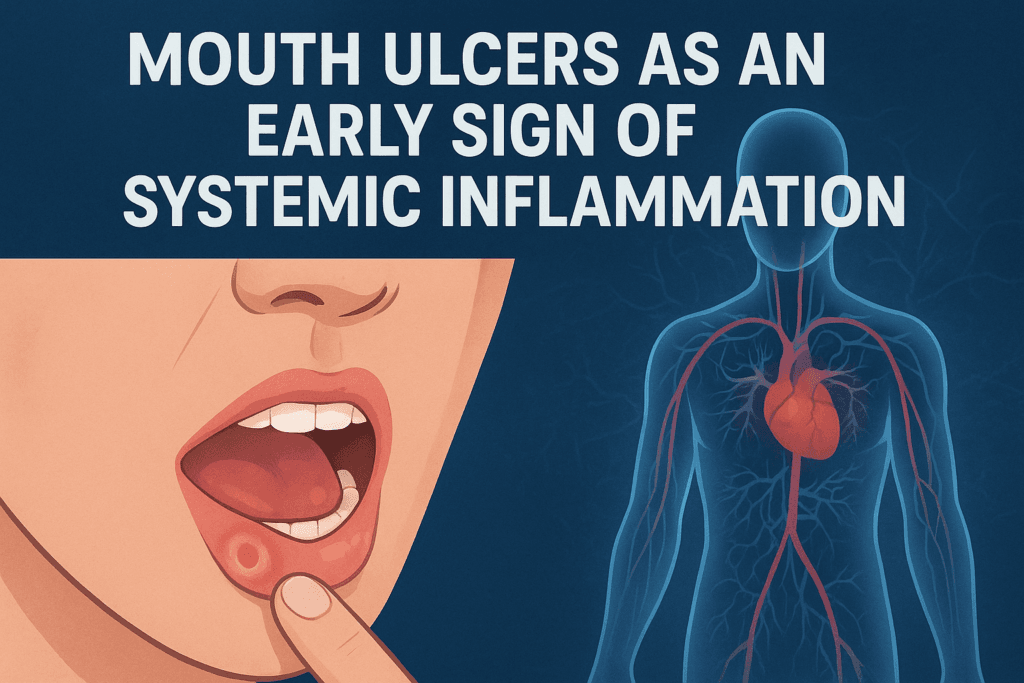
Mouth ulcers, medically known as aphthous ulcers, are small, round or oval sores that develop on the mucous membranes inside the mouth. They are typically white or yellow in the center with a red, inflamed border, and can cause significant discomfort, especially when eating, drinking, or speaking. While most ulcers are minor and self-limiting, recurrent or unusually severe forms can sometimes indicate an underlying systemic health issue.
There are several recognized types of mouth ulcers:
- Minor aphthous ulcers: These are the most common type, usually less than 1 cm in diameter. They typically heal within 7-14 days without leaving scars, but can still be painful enough to affect daily activities.
- Major aphthous ulcers: Larger and deeper than minor ulcers, these can take several weeks to heal and may leave scarring. They are often more painful and are associated with more significant underlying systemic factors.
- Herpetiform ulcers: These present as clusters of tiny ulcers, often resembling a viral infection. Although less common, they can be persistent and cause discomfort over an extended period.
While occasional mouth ulcers are usually harmless, recurrent, large, or unusually painful ulcers should not be ignored, as they can be one of the earliest visible signs of systemic inflammation or other underlying health conditions.
Understanding Systemic Inflammation
Systemic inflammation is a chronic, low-grade inflammatory state that affects the entire body. Unlike acute inflammation, which is a natural, short-term response to injury, infection, or stress, systemic inflammation persists silently over time. This subtle, ongoing inflammation can gradually damage tissues and organs, increasing the risk of numerous chronic diseases, including:
- Cardiovascular disease: Inflammation contributes to arterial stiffness, plaque formation, and higher risk of heart attacks and strokes.
- Metabolic disorders: Conditions like type 2 diabetes are closely linked to chronic inflammation.
- Autoimmune disorders: Systemic inflammation can trigger the immune system to attack the body’s own tissues, leading to conditions such as lupus, rheumatoid arthritis, or Crohn’s disease.
- Neurodegenerative diseases: Chronic inflammation is increasingly recognized as a contributor to cognitive decline and conditions like Alzheimer’s disease.
Common characteristics of systemic inflammation include:
- Persistent fatigue or low energy
- Low-grade, unexplained fevers
- Joint pain, stiffness, or swelling
- Digestive disturbances, including bloating or irregular bowel movements
- Recurrent infections or slow wound healing
The insidious nature of systemic inflammation lies in its silent progression. Often, it starts long before overt symptoms appear, subtly affecting organ function. In this context, mouth ulcers may serve as an early, visible warning sign, alerting you to underlying systemic issues.
How Mouth Ulcers Are Linked to Systemic Inflammation
The relationship between recurrent mouth ulcers and systemic inflammation is multifaceted, involving immune system dysregulation, cellular stress, and nutrient imbalances. Understanding these mechanisms helps explain why some ulcers are more than just minor oral annoyances.
1. Immune System Dysregulation
Recurrent mouth ulcers often point to an overactive or misregulated immune system. In systemic inflammation, immune cells may become chronically activated, sometimes mistakenly targeting healthy tissues, including the mucosa of the mouth. This autoimmune-like response damages the delicate lining of the mouth, triggering the formation of painful ulcers.
This phenomenon is particularly evident in conditions like Behçet’s disease, lupus, and certain forms of inflammatory bowel disease, where mouth ulcers often precede other systemic symptoms.
2. Cytokine Imbalance
Cytokines are signaling proteins that regulate immune responses and inflammation. In states of systemic inflammation, pro-inflammatory cytokines such as interleukin-6 (IL-6), tumor necrosis factor-alpha (TNF-α), and interleukin-1β (IL-1β) are often elevated. These molecules not only promote inflammation throughout the body but also increase tissue sensitivity and damage in the oral mucosa, making it more prone to ulcer formation.
Chronic cytokine imbalance can create a vicious cycle, inflammation leads to ulcers, and the presence of ulcers can further stimulate local and systemic immune responses, perpetuating ongoing tissue damage.
3. Oxidative Stress
Oxidative stress occurs when free radicals overwhelm the body’s antioxidant defenses, causing cellular damage. The oral mucosa, being highly vascular and exposed to mechanical and microbial stress, is particularly susceptible. Chronic oxidative stress often linked to systemic inflammation can weaken the integrity of oral tissues, making them more prone to recurrent ulcers.
This connection highlights why individuals with metabolic syndrome, cardiovascular disease, or chronic infections may notice more frequent mouth ulcers.
4. Nutrient Deficiencies
Chronic inflammation can interfere with the absorption and metabolism of essential nutrients such as:
- Iron: Important for oxygen transport and cellular repair.
- Vitamin B12 and Folate: Crucial for DNA synthesis and tissue regeneration.
- Zinc: Vital for immune regulation and wound healing.
Deficiencies in these nutrients can compromise mucosal health, increasing vulnerability to ulcers and delaying healing. In some cases, nutrient supplementation can significantly reduce the frequency and severity of ulcers.
5. Gut Health and Microbiome Imbalance
Recent research has uncovered a strong link between gut health and systemic inflammation. Disruptions in the gut microbiome (dysbiosis) can lead to increased intestinal permeability or “leaky gut,” allowing inflammatory molecules and toxins to enter the bloodstream.
This systemic inflammation may manifest in multiple ways, including recurrent mouth ulcers, fatigue, digestive issues, and joint discomfort. Supporting gut health through diet, probiotics, and lifestyle modifications can therefore have a direct impact on oral mucosal health.
Common Triggers and Risk Factors
Understanding the factors that contribute to mouth ulcers can help determine whether they are isolated oral issues or early signs of systemic inflammation. Several triggers and risk factors play a role:
1. Chronic Stress
Stress is more than a mental or emotional burden, it has tangible effects on the immune system. Elevated stress levels increase cortisol production, which can suppress certain immune functions while simultaneously promoting pro-inflammatory pathways. This imbalance can make the mucosal lining of the mouth more vulnerable to damage, leading to recurrent or persistent ulcers. Studies consistently show a higher frequency and severity of mouth ulcers among individuals experiencing chronic psychological or physiological stress.
2. Hormonal Changes
Fluctuations in hormone levels can influence immune system activity and inflammatory responses. Hormonal changes that occur during menstrual cycles, pregnancy, or menopause may temporarily alter the body’s inflammatory balance, making oral tissues more susceptible to ulceration. Some women report increased ulcer frequency just before menstruation or during pregnancy, highlighting the interplay between hormones and mucosal health.
3. Dietary Factors
What you eat can directly affect inflammation in the body and oral tissue health. Key dietary considerations include:
- High sugar intake: Excess sugar promotes oxidative stress and systemic inflammation, which can exacerbate ulcer formation.
- Acidic foods: Citrus, tomatoes, and vinegar-based foods can irritate already sensitive oral mucosa, triggering or worsening ulcers.
- Nutrient deficiencies: Lack of essential nutrients such as iron, vitamin B12, folate, and zinc weakens tissue repair mechanisms, leaving the mouth more vulnerable to recurring sores.
Maintaining a balanced diet rich in anti-inflammatory nutrients supports both oral and systemic health.
4. Medications
Certain medications can contribute to mouth ulcer formation either as a side effect or by affecting mucosal integrity. Common culprits include:
- Nonsteroidal anti-inflammatory drugs (NSAIDs): Can irritate oral tissues and exacerbate existing ulcers.
- Beta-blockers: Occasionally linked to mucosal changes.
- Chemotherapy or radiation therapy: Known to cause widespread mucosal damage, leading to painful ulcers.
If ulcers appear shortly after starting a new medication, it may be worth discussing alternatives or protective measures with a healthcare provider.
5. Autoimmune and Systemic Conditions
Chronic, recurrent mouth ulcers can sometimes be the first visible sign of an underlying autoimmune or systemic disease. In these cases, ulcers often accompany other systemic symptoms:
- Celiac disease: Gluten-triggered intestinal inflammation can manifest as recurring mouth sores.
- Crohn’s disease: Ulcers may precede gastrointestinal symptoms or occur alongside them.
- Ulcerative colitis: Similar to Crohn’s, mouth ulcers can appear before or during intestinal flare-ups.
- Behçet’s disease: Characterized by recurring oral and genital ulcers and systemic inflammation.
- Systemic lupus erythematosus (SLE): Autoimmune activity can cause oral ulcers along with joint, skin, and organ involvement.
Recognizing these patterns early allows for timely medical evaluation and management, reducing the risk of complications.
Early Warning Signs to Watch For
While a single mouth ulcer is usually benign, certain patterns may indicate a more serious systemic issue. Pay attention to:
- Frequent recurrence: More than three to four episodes per year may signal chronic inflammation.
- Large or unusually painful ulcers: Ulcers lasting longer than two weeks or causing significant discomfort may warrant further investigation.
- Multiple ulcers simultaneously: Suggests a systemic trigger rather than local trauma.
- Accompanying systemic symptoms like fatigue, digestive issues, joint pain, or skin rashes alongside oral ulcers raise concern for underlying inflammation.
- Slow healing Ulcers that persist despite good oral hygiene may indicate nutrient deficiencies, immune dysregulation, or systemic disease.
Recognizing these early warning signs can prompt proactive evaluation, potentially preventing progression to more serious inflammatory or autoimmune conditions.
Diagnostic Approaches
If mouth ulcers are recurrent, severe, or associated with systemic symptoms, healthcare professionals may recommend a series of diagnostic steps to identify the underlying cause:
- Blood Tests: To assess nutrient deficiencies (iron, vitamin B12, folate, zinc), systemic inflammation markers such as C-reactive protein (CRP) or erythrocyte sedimentation rate (ESR), and autoimmune indicators.
- Oral Swabs: To rule out bacterial, viral, or fungal infections that may mimic or worsen aphthous ulcers.
- Allergy Testing: Identifies potential dietary or environmental triggers that may be provoking immune responses.
- Gastrointestinal Assessment: Recommended if inflammatory bowel disease (Crohn’s disease or ulcerative colitis) is suspected.
- Comprehensive Medical Evaluation: A full examination can detect subtle signs of systemic inflammation or autoimmune conditions, ensuring early intervention.
Early diagnosis is crucial because treating systemic inflammation promptly can reduce complications, improve healing, and potentially prevent the onset of more serious chronic diseases.
Practical Steps to Reduce Inflammation and Prevent Ulcers
Addressing the root causes of systemic inflammation is key to reducing the frequency, duration, and severity of mouth ulcers. Evidence-based strategies focus on diet, oral care, stress management, gut health, and proactive medical guidance.
1. Optimize Nutrition
Nutrition plays a central role in modulating inflammation and supporting oral tissue repair. Consider the following:
- Anti-inflammatory diet: Emphasize fresh fruits, vegetables, fatty fish rich in omega-3s, nuts, seeds, and whole grains. These foods provide antioxidants and essential nutrients that reduce oxidative stress and strengthen the immune system.
- Reduce processed foods: Minimize refined sugars, trans fats, and ultra-processed foods, which promote systemic inflammation and oxidative stress.
- Support nutrient levels: Ensure adequate intake of iron, zinc, vitamin B12, and folate, either through diet or supplementation. These nutrients are critical for tissue repair and immune regulation, directly impacting oral health.
2. Maintain Oral Hygiene
Good oral hygiene helps prevent ulcers caused by local trauma or secondary infection:
- Brush and floss gently to avoid damaging delicate mucosal tissues.
- Use non-alcoholic, anti-inflammatory mouth rinses to reduce irritation and support healing.
- Avoid harsh toothpastes containing sodium lauryl sulfate, which can exacerbate mucosal sensitivity.
3. Manage Stress
Chronic stress fuels systemic inflammation, increasing the risk of recurrent ulcers. Practical approaches include:
- Mindfulness practices, meditation, or yoga to calm the nervous system.
- Consistent sleep patterns to restore immune function and reduce inflammatory hormone activity.
- Moderate physical activity to enhance circulation and support overall immune health.
4. Support Gut Health
Emerging research shows a strong link between gut integrity, microbiome balance, and systemic inflammation:
- Include fermented foods or probiotics to promote beneficial gut bacteria.
- Limit unnecessary antibiotic use, which can disrupt the microbiome.
- Eat high-fiber foods to nourish gut microbes and reduce intestinal permeability (“leaky gut”), lowering systemic inflammation that may contribute to mouth ulcers.
5. Monitor and Avoid Triggers
Tracking potential triggers helps prevent recurrence:
- Keep a food and symptom diary to identify foods, drinks, or environmental factors that provoke ulcers.
- Reduce acidic, spicy, or abrasive foods if they worsen existing sores.
- Monitor medication side effects with guidance from your doctor to ensure that treatment isn’t contributing to ulcer formation.
6. Seek Professional Care
Even with preventive measures, regular medical evaluation is essential:
- Routine checkups can detect underlying inflammatory or autoimmune conditions early.
- Early intervention with targeted therapy, nutritional support, medications, or lifestyle modifications can reduce chronic inflammation and prevent complications.
When Mouth Ulcers Indicate Serious Conditions
While most mouth ulcers are benign, persistent, recurrent, or unusually severe sores may signal serious health concerns. Recognizing these signs ensures timely medical attention:
- Inflammatory Bowel Disease (IBD): In Crohn’s disease or ulcerative colitis, oral ulcers may appear before gastrointestinal symptoms, serving as early warning signs.
- Celiac Disease: Gluten-induced intestinal inflammation can manifest as recurrent aphthous ulcers in the mouth.
- Vitamin Deficiency Anemia: Deficiencies in vitamin B12, iron, or folate often present first as oral ulcers.
- Autoimmune Disorders: Conditions such as lupus or Behçet’s disease may initially manifest in the mouth before affecting other organs or tissues.
- Oral Cancer: Rarely, persistent, non-healing ulcers can indicate malignant changes, emphasizing the importance of professional evaluation if ulcers do not resolve.
Prompt diagnosis and intervention improve outcomes and can prevent progression to more severe disease.
The Bigger Picture: Mouth Ulcers as an Early Warning System
Mouth ulcers are more than a minor inconvenience, they are a visible indicator of the body’s internal inflammatory state. By paying attention to their frequency, severity, and triggers, individuals can gain valuable insight into systemic health before more serious disease develops.
This perspective shifts mouth ulcers from being a purely oral health issue to a signal for broader systemic health monitoring. Recognizing them early allows for:
- Timely lifestyle interventions
- Targeted medical evaluation
- Prevention of long-term complications
Lifestyle Strategies to Maintain Long-Term Oral and Systemic Health
Beyond managing ulcers as they arise, adopting a lifestyle that reduces chronic inflammation provides long-term benefits for both oral and systemic health:
- Balanced Diet: Prioritize anti-inflammatory foods rich in antioxidants, omega-3 fatty acids, and fiber.
- Regular Exercise: Aerobic and resistance training help lower systemic inflammation markers.
- Sleep Optimization: Consistent, quality sleep supports immune regulation and reduces pro-inflammatory hormone activity.
- Stress Reduction: Practices such as mindfulness, deep breathing, or hobbies can counteract chronic stress-driven inflammation.
- Regular Health Screenings: Periodic medical evaluations detect underlying systemic conditions early, preventing complications.
By combining these strategies, you create a supportive environment for immune function, reducing the likelihood of recurrent ulcers and mitigating broader inflammatory processes throughout the body.
Final Thoughts
Recurrent or severe mouth ulcers are not just minor irritations, they are early signals from your body indicating that something beneath the surface may be off. Paying attention to their patterns, triggers, and severity provides a window into your overall inflammatory health.
Addressing the root causes of systemic inflammation through diet, lifestyle, gut support, and professional care can reduce the frequency of ulcers and protect long-term health. These small, often overlooked sores can serve as powerful reminders to act proactively rather than reactively.
By recognizing mouth ulcers as more than just oral issues, you gain a valuable tool for early detection, prevention, and holistic health management, allowing you to intervene before more serious complications arise.2
👩⚕️ Need Personalized Health Advice?
Get expert guidance tailored to your unique health concerns through MuseCare Consult. Our licensed doctors are here to help you understand your symptoms, medications, and lab results—confidentially and affordably.
👉 Book a MuseCare Consult NowMust Read:
- Why Do I Keep Getting Canker Sores in My Mouth? 10 Powerful Fixes
- 7 Powerful Reasons Why You Wake Up with Dry Mouth Even After Drinking Water
- Sweet Taste in Mouth: Shocking Signs It’s a Vitamin Deficiency
- 9 Subtle Skin Color Changes Linked to Organ Stress You Should Never Ignore
- 12 Surprising Causes of Non-Diabetic Frequent Thirst and How to Fix Them

Dr. Ijasusi Bamidele, MBBS (Binzhou Medical University, China), is a medical doctor with 5 years of clinical experience and founder of MyMedicalMuse.com, a subsidiary of Delimann Limited. As a health content writer for audiences in the USA, Canada, and Europe, Dr. Ijasusi helps readers understand complex health conditions, recognize why they have certain symptoms, and apply practical lifestyle modifications to improve well-being