10 Proven Ways Gut Health and Skin Are Connected: Stop Breakouts Fast
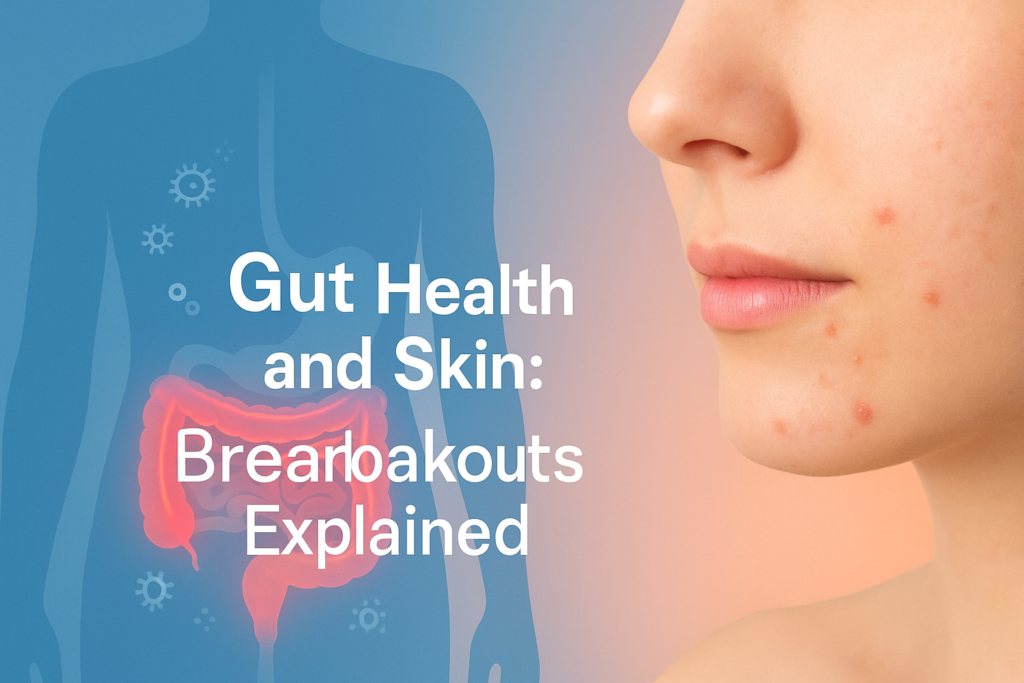
When blemishes keep appearing despite your best skincare routine, the problem might not be on your skin at all, it could be in your gut. Your digestive system and skin are intricately connected, and disturbances in your colon can trigger inflammation, hormone imbalances, and breakouts. By understanding the gut-skin relationship, you can take actionable steps to heal from the inside out, clearing your complexion while boosting overall wellness.
The Gut-Skin Axis: Understanding the Connection
The term gut-skin axis describes the dynamic communication between your digestive system and your skin. Think of it as a sophisticated two-way street: your gut can influence your skin’s health, while changes in your skin often reflect what’s happening internally. This connection is not just theoretical, scientific research increasingly supports the link between digestive balance and dermatological health.
Several key factors illustrate this relationship:
- Microbiome Imbalance: Your gut houses trillions of microorganisms, collectively called the microbiome. When the delicate balance between “good” and “bad” bacteria is disrupted, it can trigger systemic inflammation. This inflammation often manifests as skin issues such as acne, redness, or flare-ups of chronic conditions like eczema and psoriasis.
- Immune System Regulation: Approximately 70% of your immune system is located in the gut. An inflamed or leaky gut can overactivate immune responses, which can translate into skin inflammation, irritation, and sensitivity. Essentially, a stressed gut can set off a cascade that your skin visibly shows.
- Nutrient Absorption: Healthy skin depends on key nutrients like zinc, vitamin A, and omega-3 fatty acids. When your gut is compromised, nutrient absorption suffers, depriving your skin of the building blocks it needs to repair, protect, and regenerate.
In essence, your skin can act as a canary in the coal mine, revealing underlying gut imbalances that may otherwise go unnoticed.
How Dysbiosis Triggers Skin Breakouts
Dysbiosis refers to an imbalance of gut bacteria, where harmful microbes outnumber beneficial ones. This imbalance can result from factors like poor diet, chronic stress, prolonged antibiotic use, or underlying illnesses. Dysbiosis affects the skin in several ways:
- Inflammation Spillover: Harmful bacteria in the gut produce toxins and inflammatory compounds. These substances can enter the bloodstream, provoking systemic inflammation that manifests as redness, pimples, or even cystic acne. Essentially, the inflammation begins internally and surfaces visibly on your skin.
- Hormonal Imbalance: Certain gut bacteria play a role in hormone metabolism, including androgens, hormones that can increase sebum production. Excess sebum clogs pores, creating an environment ripe for acne-causing bacteria to thrive.
- Impaired Detoxification: A healthy colon efficiently removes waste and toxins. Dysbiosis slows this process, allowing microbial toxins and metabolic byproducts to circulate in the body. The liver is forced to work harder, and when detoxification is compromised, the skin often becomes a secondary route for eliminating toxins, resulting in breakouts or dullness.
- Oxidative Stress: An unhealthy gut can elevate oxidative stress, producing free radicals that damage cells and accelerate skin aging. This can make your skin appear dull, uneven, and more prone to inflammation and breakouts.
Leaky Gut: When Your Colon Lets Trouble Slip Through
One of the most critical gut-related contributors to skin problems is leaky gut, medically known as increased intestinal permeability.
Your gut lining acts as a selective barrier: it allows nutrients to pass into the bloodstream while keeping harmful substances out. In leaky gut:
- The tight junctions of the intestinal lining loosen, creating gaps.
- Undigested food particles, bacteria, and toxins escape into the bloodstream.
- The immune system reacts aggressively, triggering systemic inflammation that often manifests as acne, redness, or flare-ups of chronic skin conditions.
Clinical studies have linked leaky gut to inflammatory skin issues such as acne, rosacea, eczema, and psoriasis. While research is ongoing, many dermatologists now consider gut health a pivotal factor in managing chronic skin problems.
Addressing leaky gut through diet, probiotics, and lifestyle interventions often leads to noticeable improvements in skin clarity, texture, and resilience, underscoring the deep connection between colon health and a radiant complexion.
Signs Your Gut Might Be Affecting Your Skin
Your skin can serve as a window into your gut health. If your colon is struggling, it may show up as persistent skin problems. Here are key signs that your gut may be contributing to breakouts or other skin issues:
- Persistent Acne or Unexplained Rashes: If blemishes or redness continue despite using high-quality skincare products, the root cause may lie internally rather than topically.
- Digestive Disturbances: Bloating, excessive gas, constipation, diarrhea, or irregular bowel movements indicate that your gut may not be functioning optimally.
- Food Sensitivities or Allergies: Reactions to certain foods such as dairy, gluten, or processed sugars can signal gut imbalance, often paired with skin flare-ups.
- Fatigue or Low Energy: Poor nutrient absorption due to gut dysfunction can leave you feeling drained and affect your skin’s ability to repair itself.
- Brain Fog or Mood Swings: The gut communicates with the brain via the gut-brain axis; disturbances can influence both mental clarity and skin health.
If you notice a combination of digestive and skin issues, your gut is likely a key player in your skin’s condition. Addressing gut health may not only calm breakouts but also improve overall vitality.
Foods That Heal Your Gut and Improve Your Skin
Diet is one of the most powerful tools to restore gut-skin harmony. Choosing the right foods can nurture beneficial bacteria, reduce inflammation, and support a radiant complexion.
- Fermented Foods: Yogurt, kefir, sauerkraut, kimchi, and kombucha are rich in probiotics, live bacteria that boost gut microbiome diversity and promote healthy digestion.
- Prebiotic-Rich Foods: Garlic, onions, leeks, asparagus, and bananas provide nourishment for beneficial bacteria, helping them thrive.
- High-Fiber Foods: Whole grains, fruits, vegetables, and legumes support regular bowel movements and help flush toxins, reducing systemic stress that can affect skin.
- Anti-Inflammatory Foods: Fatty fish (salmon, sardines), turmeric, ginger, green tea, and leafy greens help lower systemic inflammation, which often drives acne and skin irritation.
- Polyphenol-Rich Foods: Berries, cocoa, and green tea contain antioxidants that protect skin cells from oxidative stress while supporting a healthy microbiome.
What to limit: Highly processed foods, excessive sugar, refined carbs, and large amounts of dairy can aggravate gut irritation and trigger skin flare-ups.
Probiotics, Supplements, and Lifestyle Fixes
Beyond diet, other interventions can enhance gut and skin health:
- Probiotics: Supplements containing strains like Lactobacillus rhamnosus GG and Bifidobacterium longum have been shown to improve skin conditions, especially acne and inflammation.
- Prebiotics: Supplements such as inulin or fructooligosaccharides feed healthy gut bacteria, enhancing their survival and function.
- Stress Management: Chronic stress disrupts the gut microbiome and triggers systemic inflammation. Mindfulness practices, meditation, yoga, and regular exercise can help restore balance.
- Hydration and Sleep: Water supports detoxification, while adequate sleep regulates hormones and allows the gut lining to repair, indirectly promoting clearer skin.
- Antibiotic Caution: While sometimes necessary, antibiotics can disrupt microbial balance. Minimizing unnecessary use and supporting gut recovery post-treatment with probiotics is essential.
The Role of the Skin Microbiome
While the gut plays a central role, the skin itself hosts a complex microbiome. A balanced skin microbiome protects against harmful pathogens and maintains barrier function. However, gut dysbiosis can indirectly affect the skin microbiome via systemic inflammation and immune system modulation.
Maintaining gut health supports the skin’s microbial ecosystem, reducing inflammation and breakouts while improving resilience. In other words, a healthy gut not only fuels internal balance but also strengthens the skin’s natural defense system.
When to Seek Professional Help
While gut health plays a significant role in skin appearance, not all skin issues originate from the digestive system. It’s important to seek guidance from a dermatologist or gastroenterologist if you experience any of the following:
- Severe cystic acne or sudden skin changes: Breakouts that are painful, persistent, or dramatically different from your usual skin patterns may require medical evaluation.
- Chronic digestive issues: Conditions such as irritable bowel syndrome (IBS), chronic bloating, or unexplained digestive discomfort could indicate deeper gut imbalances.
- Unexplained inflammation or autoimmune symptoms: Persistent skin inflammation accompanied by other systemic symptoms may require professional testing.
- Skin issues that persist despite lifestyle interventions: If diet, probiotics, and stress management haven’t improved your skin, specialized guidance can help identify root causes.
Healthcare professionals can recommend targeted tests, personalized treatment plans, or specific probiotic strains to restore balance and improve both gut and skin health efficiently.
Real-Life Gut-Skin Transformations
Countless people have experienced remarkable improvements in their skin after addressing gut health. Common strategies include:
- Reducing sugar and processed foods while increasing fiber and fermented foods to nourish the microbiome.
- Implementing a targeted probiotic regimen to restore beneficial gut bacteria and reduce inflammation.
- Managing stress through mindfulness practices, meditation, or consistent sleep routines to support gut and hormonal balance.
Within weeks to months, many notice reduced acne severity, improved skin texture, and less inflammation. These transformations highlight a crucial point: healing from within can be just as powerful, sometimes more so than any topical treatment.
Practical Daily Routine for Gut-Skin Health
Creating consistent habits is essential for long-term gut and skin health. Here’s a sample daily and weekly routine:
Morning:
- Start with warm water and lemon to stimulate digestion and hydration.
- Enjoy a probiotic-rich breakfast, such as Greek yogurt with berries.
- Incorporate a short mindfulness or meditation session to reduce stress.
Midday:
- Eat a balanced lunch with lean protein, fiber-rich carbs, and leafy greens.
- Maintain hydration throughout the day to support detoxification.
Evening:
- Include a fermented side dish like kimchi, sauerkraut, or miso.
- Engage in light physical activity, such as a walk or gentle stretching.
- Wind down for quality sleep, avoiding screens for at least an hour before bed.
Weekly:
- Incorporate omega-3 rich foods such as salmon, sardines, or flaxseeds.
- Dedicate time to stress-reducing practices like yoga, deep breathing, or journaling.
Consistency matters more than perfection. Small, sustainable changes, combined with targeted supplementation and lifestyle adjustments, yield better long-term results than drastic, short-term interventions.
Final Thoughts: Clear Skin Starts in the Gut
Your skin often mirrors the state of your gut, and stubborn breakouts can signal deeper digestive imbalances. By focusing on the gut-skin connection, balancing your microbiome, supporting digestion with the right foods and lifestyle habits, and seeking professional guidance when needed, you can achieve lasting improvements in both skin and overall health. Remember, real change takes time and consistency, but addressing the root causes from within can lead to clearer, healthier skin that no topical treatment alone can provide.
👩⚕️ Need Personalized Health Advice?
Get expert guidance tailored to your unique health concerns through MuseCare Consult. Our licensed doctors are here to help you understand your symptoms, medications, and lab results—confidentially and affordably.
👉 Book a MuseCare Consult NowRelated Post:
- 7 Powerful Reasons Why Your Skin’s Texture Changes Over Time
- 7 Surprising Reasons You Feel Drops of Water on your Skin (Causes & Relief)
- Why Does My Skin Feel Sunburned Even When It’s Not? 7 Hidden Causes & Solutions
- 5 Common Reasons Your Skin Is Burning Without a Rash: What You Should Know
- Skin Stings After Shower? 9 Powerful Natural Remedies That Work
⚠️ Affiliate Disclaimer: This post may contain affiliate links, which means I may earn a small commission — at no extra cost to you — if you make a purchase through one of these links. I only recommend products or services I genuinely trust and believe can provide value. Thank you for supporting My Medical Muse!

Dr. Ijasusi Bamidele, MBBS (Binzhou Medical University, China), is a medical doctor with 5 years of clinical experience and founder of MyMedicalMuse.com, a subsidiary of Delimann Limited. As a health content writer for audiences in the USA, Canada, and Europe, Dr. Ijasusi helps readers understand complex health conditions, recognize why they have certain symptoms, and apply practical lifestyle modifications to improve well-being