⚠️ Affiliate Disclaimer: This post may contain affiliate links, which means I may earn a small commission — at no extra cost to you — if you make a purchase through one of these links. I only recommend products or services I genuinely trust and believe can provide value. Thank you for supporting My Medical Muse!
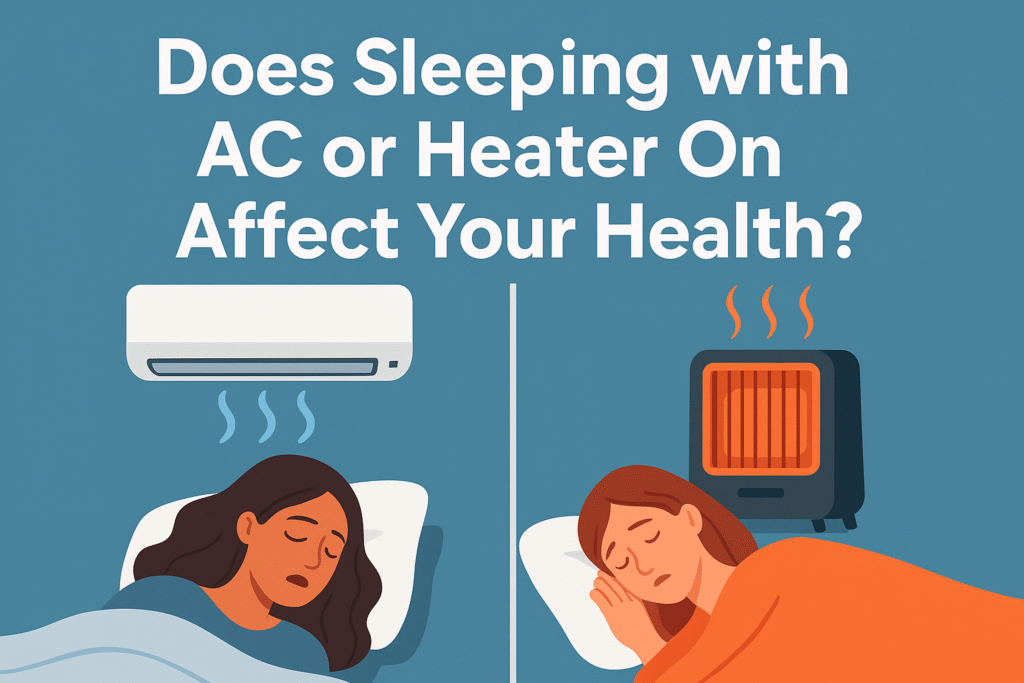
Sleeping with AC or Heater: 7 Powerful Health Truths You Must Know
Picture this, It’s a humid night, the kind that sticks to your skin and refuses to let you sleep. You turn on the AC, lie back down and within minutes, relief or maybe it’s the opposite a cold, dry night. You switch on the heater, curl under your blanket, and feel an instant wave of comfort. For many people, temperature control is the difference between a sleepless night and peaceful rest.
But here’s where it gets confusing, Some people wake up perfectly fine, refreshed, alert, rested. Others wake up with headaches, blocked nose, dry throat, itchy eyes or even feeling mildly sick. Some blame the AC, some blame the heater, some even say both are silently damaging your health.
So which is true?
The reality is, air conditioners and heaters are not automatically harmful but neither are they completely harmless. Their impact depends entirely on one thing: how you use them.
The right temperature can support deep, restorative sleep, improve breathing, help your body regulate hormones and even enhance mental clarity. The wrong usage, overly cold or heated rooms, dry air, closed ventilation and unclean systems can disrupt your body’s natural sleep cycle, dry out your airways, trigger allergies and affect your overall health.
So let’s cut through the opinions, misconceptions and half-truths and unpack the real science behind what happens to your body when you sleep with the AC or heater on.
No exaggeration, no myths, just clarity.
Understanding How Temperature Affects Sleep
Your body naturally lowers its core temperature at night to prepare for sleep. This drop helps trigger melatonin, the hormone that promotes deep, restorative sleep. When your room supports this temperature shift, you fall asleep faster, stay asleep longer and move smoothly through the stages of deep and REM sleep. But when your bedroom is too hot, too cold or too dry, your body struggles to maintain this balance. That’s when sleep becomes restless, shallow and fragmented.
Too much cold or heat forces the body to work harder to regulate temperature triggering muscle tension, overactive metabolism or even discomfort that wakes you up several times through the night. Instead of resting, your body enters a state of subtle stress. The goal is not a freezing room or a heated one but a stable, mild environment that supports your body’s natural cooling rhythm.
Effects of Sleeping with AC On
Sleeping with AC can absolutely improve sleep quality but only when used correctly. A cool, clean, moderately humid environment can help your body relax, slow your breathing and encourage longer periods of deep sleep. That’s why many people sleep better in mildly cool conditions. The AC is not the villain, poor usage is.
How AC Can Improve Sleep
A properly used AC supports better rest in several ways:
- It helps the body maintain a comfortable, sleep-inducing temperature instead of constantly adjusting to heat.
- It reduces sweating, stickiness and heat-induced agitation, all of which keep your nervous system alert instead of relaxed.
- It is especially helpful for people dealing with insomnia, hormonal night sweats, menopause-related hot flashes, stress-induced overheating or anxiety.
In these cases, a cool and controlled environment helps restore the body’s natural sleep cycle.
When AC Starts Causing Problems
Most of the complaints people have about AC, headaches, sore throat, dryness, morning fatigue don’t come from AC itself, but from how it’s used, too cold, too dry, with unclean filters and without fresh air flow.
Common AC-Related Issues
- Dry nose, throat, lips, and skin due to low humidity.
- Morning dehydration, sore or scratchy throat or burning eyes.
- Irritation of nasal passages, worsening allergies or increased asthma symptoms.
- Muscle stiffness or neck aches from sleeping directly in the cold airflow, causing muscles to tighten overnight.
- Headaches from both dehydration and poor air circulation.
- Heavy, groggy morning feeling due to insufficient oxygen and stale air.
These problems are amplified when AC runs continuously all night at very low temperatures, when the room is fully sealed, or when filters are dirty and circulating mold, bacteria and dust mites. When the environment lacks humidity and fresh oxygen, the recovery power of sleep is significantly reduced.
What About Sleeping with Heater On?
While AC misuse mostly causes dryness and irritation, heaters can pose greater risks when used carelessly especially fuel-based heaters that alter indoor air quality. Heaters bring warmth and comfort, but they also influence humidity, oxygen levels, and respiratory health.
Benefits of Sleeping with a Heater On
When used properly, heaters provide legitimate medical and comfort advantages, especially in cold climates or for certain conditions:
- Prevents cold-triggered asthma, bronchospasm, and nighttime coughing.
- Helps people with Raynaud’s syndrome or poor blood circulation (cold hands and feet) sleep more comfortably.
- Reduces joint stiffness for those with arthritis or chronic pain, who struggle with low temperatures at night.
Warmth supports comfort, but too much warmth disrupts natural sleep cycles.
Health Risks of Sleeping with Heater On
Dry Air
Heaters drastically lower humidity. This dries out the mucous membranes in your nose, throat, eyes and airways even when the temperature feels comfortable. The longer you sleep in such dry heat, the more dehydrated and irritated your respiratory system becomes.
Nasal Irritation and Snoring
Warm, dry air inflames nasal passages, making nose breathing difficult and forcing you to breathe through your mouth. This increases snoring, worsens sleep apnea and leads to morning sore throat or dry mouth. Mouth breathing also destabilizes sleep, reducing deep rest and interrupting oxygen flow.
Disrupted Sleep Quality
When the room is too warm, your body struggles to naturally cool down disrupting melatonin release, keeping your brain alert and making it harder to enter deep sleep. You may fall asleep warm and comfortable, but wake up sweating, thirsty and mentally drained.
Carbon Monoxide Risk
This is the most serious concern. Gas, kerosene, and unvented heaters can release carbon monoxide, a colorless, odorless gas. Even small amounts can cause morning headaches, nausea, dizziness, or confusion. Higher exposure can be lethal while sleeping because it replaces oxygen in the bloodstream without any warning signs. Only electric and properly vented heaters should be used overnight.
Morning Fatigue and Foggy Brain
Sleeping in overheated, dry rooms overworks the body. People often wake up feeling groggy, dehydrated, mentally dull or irritable, even if they slept for long hours. This is not real rest, it’s low-quality sleep that doesn’t reset the brain.
Humidity: The Silent Factor Most People Ignore
Temperature gets all the attention, but humidity is just as important and just as influential, both AC and heaters dramatically alter indoor humidity levels, usually pushing it into unhealthy extremes.
Dry air weakens your natural respiratory defenses, irritates the skin, cracks lips, dries tear ducts, and worsens allergy and asthma symptoms. On the other hand, a room that is too humid becomes a breeding ground for mold, fungal spores and dust mites especially if ventilation is poor.
A balanced environment is neither too moist nor too dry, your eyes, skin, throat, and lungs depend on it. In dry seasons, using a humidifier or even placing bowls of water near heat sources helps slow dehydration. In humid climates, ventilation or mild dehumidification can prevent mold and excessive dampness.
Your sleep quality depends just as much on moisture in the air as on temperature and most people don’t realize that.
Who Feels the Side Effects More?
Not everyone reacts the same way to temperature-controlled environments. Some people can sleep with the AC or heater on all night and wake up feeling perfectly fine. Others wake up congested, fatigued, or with irritated skin. The difference often lies in how sensitive their body systems are particularly their airways, skin, immune response, or circulation.
Those who are more likely to feel harmful effects include:
- Individuals with asthma, allergic rhinitis or sinusitis dry or cold air can inflame airways, trigger coughing, or make breathing harder.
- People with eczema or chronic dry skin, low humidity worsens itching, skin irritation, and flare-ups.
- Those prone to migraines, headaches or dehydration, extreme temperature or dry air can trigger pain, dizziness, or foggy thinking.
- People with sleep apnea or snoring issues, dry or heated air increases throat dryness and nasal blockage, worsening nighttime breathing.
- Infants, children, and elderly individuals, their bodies do not regulate temperature, hydration or humidity as efficiently.
If AC or heaters are used incorrectly, extreme temperature, no ventilation or dry, stale air, these groups experience symptoms faster and more intensely.
Signs That Sleeping with AC or Heater Is Affecting You Negatively
You don’t need a medical diagnosis to know something is off. Your body sends warning signals. If you often wake up feeling worse than when you went to bed, the problem may not be your sleep, it may be your room environment.
Common warning signs include:
- Dry throat, itchy nose, or blocked nose on waking.
- Dry, irritated or burning eyes.
- Chapped lips, flaky skin, or worsening eczema.
- Morning headaches, grogginess, brain fog, or dizziness.
- You feel dehydrated or thirsty despite drinking enough water.
- You wake up coughing, sneezing, or with mild cold-like symptoms that improve during the day.
- Increased snoring or difficulty breathing while sleeping.
- Neck stiffness, shoulder pain or muscle aches.
If these symptoms show up regularly, it’s not just random. Your sleep environment, temperature, air quality, ventilation or humidity is likely causing the problem.
How to Use AC Safely at Night
Using an AC is not harmful when you apply basic sleep-friendly rules. The goal is not to make your room cold but to make it comfortably cool, breathable and mildly humid.
Smart ways to use AC safely during sleep:
- Avoid very low temperatures, slightly cool (not freezing) supports deeper sleep.
- Do not direct cold airflow at your face or body, it causes muscle stiffness, sinus irritation or dryness.
- Clean AC filters regularly, dirty filters circulate dust, mold, and bacteria that worsen allergies, sore throat and headaches.
- Use sleep mode or timer, this helps maintain a stable temperature instead of constant chilling.
- Allow some airflow or fresh air, a fully sealed AC room often leads to stale, oxygen-poor air.
- Use a humidifier if the air feels too dry or place a bowl of water near the AC to balance humidity.
Your goal is simple, cool, clean, breathable not freezing, dry or sealed.
How to Sleep Safely with Heaters
Heaters are more likely to affect health negatively if used carelessly, especially in dry or poorly ventilated rooms. Some heating methods also pose real safety risks but when used correctly, heaters can be safe, comfortable and beneficial for sleep especially in cold-weather months.
How to protect your health when sleeping with heaters:
- Only use electric or vented heaters overnight, avoid kerosene, charcoal or gas heaters in closed rooms.
- Install a carbon monoxide detector, essential if you use fuel-based or vented heating.
- Do not overheat your room, moderate warmth is better for sleep and prevents overheating or dehydration.
- Keep some airflow, a completely sealed, heated room leads to stale, dry, oxygen-poor air.
- Use a humidifier or moisture source, fueling heaters dries the air. Increasing moisture helps protect your airways, skin and throat.
- Avoid direct airflow to your face, hot air blowing on your face dries mucous membranes, making breathing harder.
It’s not about avoiding heating, it’s about controlling dryness, temperature, and airflow.
Final Words
Sleeping with an AC or heater is not inherently harmful. In fact, in certain climates and seasons, it’s often necessary not just for comfort, but for proper rest. The real issue isn’t the AC or heater itself, it’s how you use it. Problems arise when temperatures are extreme, humidity drops too low, the air is stagnant or unventilated, or the system is dirty and circulating allergens.
Your sleep environment has a direct impact on how well your body recovers, heals, and resets overnight. It should work with your body’s natural rhythm, encouraging calmness, stable breathing, moisture balance and steady temperature regulation. When it supports this, you wake up refreshed, clear-headed, and energized. When it works against this, you wake up groggy, irritated, congested, dehydrated or even sick.
- Comfort is not the enemy, convenience is not the enemy, the real enemy is imbalance. A sleep environment that protects your health is one that is:
- Cool but not freezing
- Warm but not stuffy
- Dry but not dehydrating
- Ventilated but not drafty
- Clean not recycling dust, mold or irritants
When these factors are kept in balance, AC and heaters stop being sleep disruptors and instead become tools for deeper rest, better breathing, calmer nights and healthier mornings.
So, don’t just chase comfort, create balance.
That’s what truly protects your sleep and your health.
👩⚕️ Need Personalized Health Advice?
Get expert guidance tailored to your unique health concerns through MuseCare Consult. Our licensed doctors are here to help you understand your symptoms, medications, and lab results—confidentially and affordably.
👉 Book a MuseCare Consult NowRelated Blog Post:
- 7 Real Consequences of Holding Pee Too Long: What You Need to Know
- 7 Powerful Truths About Why Your Fingers Twitch When Resting
- 7 Surprising Reasons You Feel Drops of Water on your Skin (Causes & Relief)
- Why Your Legs Tingle When You Sit on the Toilet: 6 Powerful Causes & Fixes
- 7 Proven Reasons Your Scalp Hurts When You Move Your Hair (And How to Relieve It)

Dr. Ijasusi Bamidele, MBBS (Binzhou Medical University, China), is a medical doctor with 5 years of clinical experience and founder of MyMedicalMuse.com, a subsidiary of Delimann Limited. As a health content writer for audiences in the USA, Canada, and Europe, Dr. Ijasusi helps readers understand complex health conditions, recognize why they have certain symptoms, and apply practical lifestyle modifications to improve well-being