
Most of us have done it, finished a large meal, felt the comfort of a cozy couch or bed, and decided to take a nap immediately afterward. It seems harmless and, for many, even satisfying. That sense of relaxation after a hearty meal is natural, your body has just worked to digest food, and the warmth and fullness often trigger drowsiness but while it might feel like a harmless indulgence, sleeping right after eating can quietly affect your health in ways you might not notice immediately.
From digestive issues like acid reflux and bloating to long-term consequences such as weight gain and disrupted sleep patterns, the effects of this habit can accumulate over time. Understanding how your body processes food, how lying down impacts digestion, and what strategies can help you avoid discomfort is essential for maintaining overall wellness.
In this post, we will explore:
- The physiological process of digestion, what happens in your body after a meal and why timing matters.
- The potential health risks of sleeping immediately after eating including heartburn, indigestion, and metabolic effects.
- Specific conditions worsened by this habit from acid reflux and diabetes to obesity and sleep disorders.
- The optimal waiting time before lying down, practical guidance based on science and expert recommendations.
- Tips for healthy evening routines: easy strategies to enjoy meals without compromising your digestion or sleep.
By the end of this guide, you’ll understand why that late-night nap right after dinner may not be as harmless as it seems, and you’ll gain actionable tips to improve your digestion, sleep, and overall health.
Understanding Digestion: What Happens After You Eat
Before diving into the potential risks, it’s important to understand how your body handles food. Digestion is a complex process that begins in the mouth and continues in the stomach, small intestine, and large intestine. Here’s a brief overview:
- Mouth and Esophagus: The mechanical action of chewing breaks down food into smaller pieces, while saliva begins the chemical breakdown of carbohydrates. Once swallowed, food travels down the esophagus through a series of coordinated muscle contractions called peristalsis.
- Stomach: The stomach is a highly acidic environment where proteins are broken down, and food is churned into a semi-liquid substance called chyme. This process can take anywhere from 2 to 4 hours depending on meal composition.
- Small Intestine: Here, nutrients like carbohydrates, proteins, fats, vitamins, and minerals are absorbed into the bloodstream. Digestive enzymes from the pancreas and bile from the liver assist in breaking down fats and proteins.
- Large Intestine: Any remaining water, fiber, and indigestible materials are processed here, with waste eventually excreted as stool.
Sleeping immediately after eating can interfere with this delicate process. When you lie down, gravity no longer assists in moving food through your digestive tract. This can lead to slower digestion, reflux, and other gastrointestinal issues.
Why Sleeping Right After Eating Can Be Problematic
1. Acid Reflux and Heartburn
One of the most common complaints associated with sleeping immediately after eating is acid reflux, also known as gastroesophageal reflux disease (GERD) when chronic.
- Mechanism: The lower esophageal sphincter (LES) is a valve that prevents stomach acid from flowing back into the esophagus. When you lie down, especially after a heavy meal, the pressure on this valve increases, and stomach contents including acid, can leak into the esophagus.
- Symptoms: Burning sensation in the chest, regurgitation of food, bitter taste in the mouth, difficulty swallowing.
- Long-term risks: Persistent acid reflux can lead to inflammation of the esophagus, ulcers, Barrett’s esophagus, and even increase the risk of esophageal cancer.
Research suggests waiting at least 2-3 hours after eating before lying down can significantly reduce the risk of reflux.
2. Weight Gain and Obesity
While weight gain is influenced by multiple factors including total calorie intake, metabolism, and physical activity, sleeping right after eating may contribute indirectly:
- Slower metabolism: When you sleep, your body’s metabolic rate decreases. Food that is not yet digested may be more likely to be stored as fat.
- Hormonal disruption: Eating late at night can interfere with the natural circadian rhythm, affecting hormones such as insulin, leptin, and ghrelin, which regulate hunger and fat storage.
- Late-night snacking: Many people who sleep immediately after eating tend to consume high-calorie, processed foods at night, which are more easily stored as fat.
Several studies indicate that late-night eating is correlated with higher body mass index (BMI) and increased risk of obesity.
3. Indigestion and Bloating
Lying down with a full stomach can slow digestion, causing indigestion and bloating.
- Symptoms: Abdominal discomfort, gas, stomach cramps, nausea.
- Cause: When the stomach is full and the body is horizontal, the movement of chyme through the digestive tract slows down. This delay allows fermentation of undigested food, producing gas and causing bloating.
Indigestion not only disrupts sleep quality but can also cause long-term gastrointestinal discomfort if it occurs regularly.
4. Sleep Disruption
Ironically, sleeping immediately after eating can negatively affect sleep quality.
- Gastrointestinal discomfort: Acid reflux, heartburn, and bloating can interrupt sleep cycles.
- Blood sugar fluctuations: High-carb meals can spike blood sugar, followed by a sudden drop, which may wake you up in the middle of the night.
- Restlessness: Overeating triggers the sympathetic nervous system, making it harder for your body to relax into deep sleep.
Studies show that people who avoid late-night meals tend to experience more restorative sleep and wake up feeling more refreshed.
5. Impact on Blood Sugar Levels
Sleeping right after eating can affect blood glucose regulation, particularly in individuals with diabetes or insulin resistance.
- Delayed glucose clearance: Lying down slows digestion, causing a prolonged rise in blood sugar levels.
- Insulin response: The body may produce more insulin to manage post-meal blood sugar, potentially increasing the risk of insulin resistance over time.
- Long-term implications: Chronically elevated blood sugar can lead to type 2 diabetes, cardiovascular issues, and nerve damage.
For optimal blood sugar management, it’s recommended to stay upright for at least 30-60 minutes after eating.
6. Risk of Nighttime Heart Attacks
While this is less common, there is some evidence suggesting that late-night heavy meals combined with sleep can increase cardiovascular strain.
- Mechanism: Eating large meals triggers a surge in blood flow to the digestive system and increases heart workload. Sleeping immediately after can add pressure to the cardiovascular system.
- Potential outcome: In individuals with pre-existing heart conditions, this may raise the risk of nighttime angina or even heart attacks.
Conditions That Worsen With Sleeping After Meals
Sleeping immediately after eating can exacerbate certain pre-existing conditions, making it more than just a matter of comfort, it can have serious health implications. If you fall into any of these categories, extra caution is necessary:
- GERD / Acid Reflux
Gastroesophageal reflux disease (GERD) is one of the most common conditions affected by lying down too soon after a meal. When the lower esophageal sphincter (LES), the valve that separates the stomach from the esophagus is under pressure from a full stomach, stomach acid can flow backward into the esophagus. This results in heartburn, regurgitation, and chest discomfort, and frequent episodes can lead to inflammation or damage to the esophagus over time. - Hiatal Hernia

A hiatal hernia occurs when part of the stomach pushes through the diaphragm into the chest cavity. Eating large meals increases intra-abdominal pressure, which can aggravate hernia-related reflux. Lying down immediately after eating intensifies this effect, worsening symptoms and increasing discomfort. - Diabetes
For individuals with diabetes or insulin resistance, lying down right after eating can affect blood sugar regulation. When the body is horizontal, digestion slows, leading to prolonged elevation in post-meal blood sugar. This can force the body to produce more insulin, creating additional stress on glucose management and increasing the risk of long-term complications. - Obesity
Frequent late-night meals and sleeping immediately afterward can contribute to weight gain. The body’s metabolic rate drops during sleep, and calories that are not yet digested are more likely to be stored as fat. Over time, this habit can contribute to obesity and associated metabolic disorders. - Sleep Apnea
Obstructive sleep apnea can be worsened by excess abdominal weight or bloating from late-night eating. Lying down with a full stomach can increase abdominal pressure and restrict airflow, exacerbating sleep apnea symptoms and reducing sleep quality.
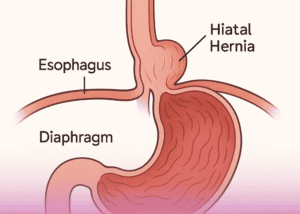
If you have any of these conditions, it’s especially important to avoid sleeping immediately after meals and adopt lifestyle practices that support digestion and sleep health.
How Long Should You Wait After Eating Before Sleeping?
The general consensus among health experts is to wait 2-3 hours after a meal before lying down. This window allows the stomach to partially empty, reducing the risk of reflux, indigestion, and unnecessary weight gain.
However, the exact waiting time can vary depending on several factors:
- Meal Size
Large, fatty, or spicy meals naturally take longer to digest. A heavy dinner loaded with fats, oils, or rich sauces may require closer to 3 hours before it is safe to lie down, whereas a lighter meal may be processed faster. - Meal Composition
High-fat meals slow gastric emptying more than meals rich in protein or carbohydrates. Meals that are mostly vegetables, lean protein, or easily digestible carbohydrates typically move through the digestive system more quickly. - Individual Metabolism
Digestive speed varies between individuals. Factors like age, gut health, enzyme production, and physical activity levels can all affect how quickly food is processed. Younger individuals or those with fast metabolisms may require slightly less waiting time, while older adults or those with digestive concerns may benefit from waiting a little longer.
Even if a meal seems light, give yourself at least 2 hours before lying down. For heavier meals, extend the wait to 3 hours and consider gentle activity, like a short walk, to aid digestion.
By understanding which conditions are most vulnerable to post-meal lying down and knowing how long to wait before sleeping, you can take informed steps to protect both your digestive and overall health.
Healthy Evening Routines to Avoid Post-Meal Sleep Issues
If you want to enjoy your meals without compromising digestion or sleep, incorporating a few mindful evening habits can make a significant difference. These routines not only support your gut health but also improve overall wellness:
1. Take a Short Walk
Even a 10-15 minute walk after eating can significantly aid digestion. Walking stimulates intestinal motility, helping food move efficiently through your digestive tract, and can also stabilize post-meal blood sugar levels. A gentle stroll around the house or neighborhood is sufficient, there’s no need for strenuous exercise, which can actually interfere with digestion.
2. Stay Upright
Remaining upright after a meal helps gravity keep stomach contents moving in the right direction. Instead of immediately lying down, sit in a comfortable chair or use a high-backed couch to relax. This simple adjustment can reduce the likelihood of acid reflux, heartburn, and bloating.
3. Hydrate Wisely
Drinking water with meals can aid digestion, but avoid excessive fluid intake right before bed, as it can increase bloating and nighttime bathroom trips. Opt for moderate hydration throughout the evening, and save large volumes of water for earlier in the day.
4. Limit Late-Night Snacking
Try to finish your last substantial meal at least 2-3 hours before bedtime. Late-night snacking, particularly on high-fat or sugary foods, can increase the risk of weight gain, disrupt sleep, and contribute to acid reflux. If you do need a snack, choose something light and easily digestible, like fruit, yogurt, or a small portion of nuts.
5. Opt for Smaller Meals
Instead of consuming a large, heavy dinner, consider smaller, more frequent meals throughout the day. This approach keeps your metabolism active, prevents overeating at night, and reduces digestive stress. Your body can process smaller portions more efficiently, minimizing discomfort before bedtime.
6. Elevate Your Head While Sleeping
If you are prone to acid reflux, sleeping with your upper body slightly elevated using an adjustable bed or extra pillows can help prevent stomach acid from flowing back into the esophagus. Even a 30-45 degree incline can make a noticeable difference in reducing heartburn during the night.
When Sleeping After Eating May Be Acceptable
While it’s generally recommended to wait after a meal, there are certain situations where sleeping soon after eating is less risky:
- Light snacks: Small, low-fat snacks such as a banana, apple, or a handful of nuts are unlikely to cause significant digestive issues.
- Short naps: A 20-30 minute nap after a light meal rarely causes problems, as digestion continues efficiently during brief periods of rest.
- Post-activity meals: After exercise, your metabolism and digestive processes are temporarily accelerated, making it easier for your body to handle lying down shortly after eating.
Even in these cases, moderation and portion control remain crucial. Overeating or consuming heavy meals close to bedtime can still lead to discomfort and disrupt sleep.
Common Myths About Sleeping After Eating
Despite widespread beliefs, several myths about sleeping after meals are misleading:
Myth 1: Sleeping after eating is good for recovery.
- Truth: While sleep is essential for body repair, lying down with a full stomach can disrupt digestion and impair the body’s recovery processes. Proper nutrient absorption requires an upright posture for optimal digestive function.
Myth 2: Only heavy meals are a problem.
- Truth: Even moderate meals can trigger acid reflux or discomfort in susceptible individuals. Factors like meal composition, personal digestive health, and timing can influence how your body responds.
Myth 3: Late-night snacks don’t affect weight.
- Truth: Nighttime eating can disrupt your natural circadian rhythm, impair metabolic efficiency, and promote fat storage, particularly when snacks are high in sugar, fat, or refined carbohydrates.
Sleeping immediately after eating is generally unhealthy due to risks such as acid reflux, indigestion, poor sleep quality, and potential weight gain. Here are the key points to remember:
- Wait 2-3 hours after meals before lying down to allow proper digestion.
- Heavy, fatty, or spicy meals pose the greatest risk when followed by immediate sleep.
- Simple lifestyle adjustments like taking a short walk, staying upright, and consuming lighter evening meals can drastically reduce health risks.
- Individuals with GERD, diabetes, obesity, or heart conditions should be particularly cautious and implement preventive routines.
By understanding how your body processes food and respecting natural digestive rhythms, you can protect your gut health, sleep quality, and long-term metabolic well-being. Adopting mindful evening habits not only reduces discomfort but also supports better energy levels, weight management, and overall vitality.
Final Thoughts
Sleeping immediately after eating is a habit many people indulge in without fully realizing its potential consequences. The comfort of sinking into bed after a hearty meal is tempting, but the impacts on your body are real and measurable. From heartburn, acid reflux, and bloating to long-term health risks like weight gain, obesity, and even type 2 diabetes, the effects of this seemingly harmless habit can accumulate over time.
While occasional indulgence is unlikely to cause permanent harm, consistently lying down right after eating can disrupt your body’s natural digestive processes and interfere with sleep quality. Over time, this can affect your metabolism, hormone regulation, and overall energy levels.
Making a conscious effort to separate meals and sleep is a simple yet powerful way to protect your health. Prioritize lighter evening meals, practice mindful portion control, and give your body the time it needs to digest before lying down. Incorporating small routines like a short walk after dinner, staying upright, or elevating your upper body while sleeping can further support digestion and reduce discomfort.
Your digestive system works best when respected. By taking steps to support its natural rhythm, you not only minimize immediate discomfort but also enhance long-term metabolic health, sleep quality, and overall vitality. It’s a small adjustment with lasting benefits.
In essence, delaying bedtime after meals is an investment in your health, a simple change today can pay off in better digestion, more restful sleep, and a stronger, healthier body tomorrow. Your gut and your future self will thank you for it.

Dr. Ijasusi Bamidele, MBBS (Binzhou Medical University, China), is a medical doctor with 5 years of clinical experience and founder of MyMedicalMuse.com, a subsidiary of Delimann Limited. As a health content writer for audiences in the USA, Canada, and Europe, Dr. Ijasusi helps readers understand complex health conditions, recognize why they have certain symptoms, and apply practical lifestyle modifications to improve well-being