
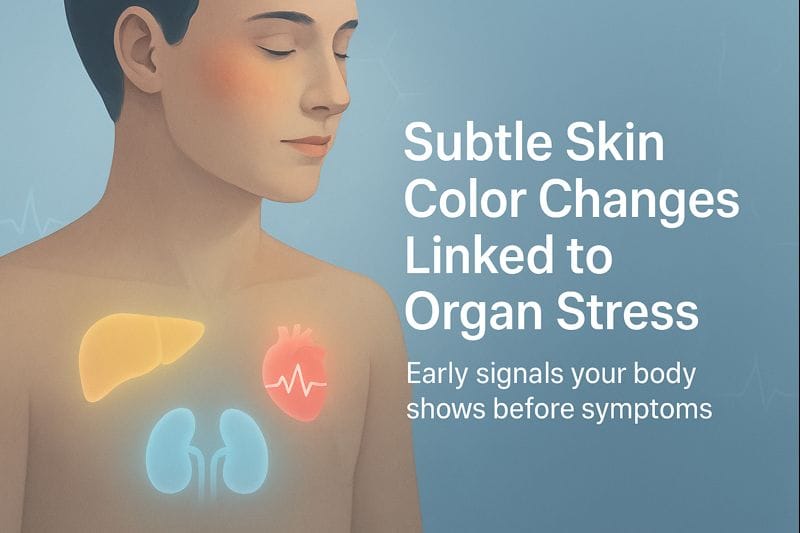
Your skin is not merely a protective outer layer, it functions as a living diagnostic surface, constantly responding to what’s happening deep inside your body. Changes in circulation, oxygen delivery, hormone balance, inflammation, and detoxification all leave traces on the skin. Long before blood tests become abnormal or symptoms escalate into something impossible to ignore, subtle shifts in skin color can quietly signal that an internal organ is under stress.
These changes are rarely sudden or dramatic. They develop slowly, often blending into your normal appearance, which is why they’re so easy to dismiss as aging, genetics, sun exposure, or harmless cosmetic variation. Yet to a trained eye or an informed individual these quiet shifts are not random. They can represent some of the earliest visible warnings that the liver, kidneys, heart, lungs, or endocrine system are working harder than they should.
This article examines the science behind subtle skin color changes and their connection to internal organ stress. We’ll separate medical reality from common myths, clarify which skin changes actually matter (and which usually don’t), and explain when these visible signals deserve medical attention. Learning to recognize these early signs can make the difference between catching organ stress while it’s still reversible and discovering it only after damage has already progressed.
Why Skin Reflects Internal Organ Health
The skin is deeply integrated with your internal organs through shared systems that regulate survival: blood circulation, oxygen delivery, immune signaling, hormonal balance, and waste elimination because of this tight connection, the skin often reacts early when internal organs are under strain, sometimes long before lab values or overt symptoms raise concern.
Unlike organs hidden deep within the body, the skin is constantly exposed and visually observable. When internal systems struggle to maintain balance, subtle changes in skin tone, texture, and pigmentation can emerge as outward clues of deeper dysfunction.
Several biological mechanisms explain why this happens:
Blood flow changes:
Healthy skin color depends on consistent blood flow and adequate oxygen delivery. When circulation is reduced due to heart strain, vascular dysfunction, or anemia the skin may appear pale, bluish, or dull.
Pigment metabolism:
Organs such as the liver play a key role in processing pigments and metabolic byproducts. When this system is overwhelmed, pigment-related substances can accumulate and alter skin color.
Hormonal signaling:
Hormones strongly influence skin cells. Endocrine stress can stimulate melanin production, change vascular tone, or alter skin thickness, leading to darkening, flushing, or uneven coloration.
Toxin accumulation:
When detoxifying organs like the liver or kidneys are under strain, waste products may linger in circulation longer than they should. These compounds can deposit in the skin or trigger inflammatory reactions that affect appearance.
Inflammatory responses:
Chronic, low-grade inflammation often driven by ongoing organ stress can subtly alter skin color, promote redness, or contribute to mottled or uneven pigmentation.
These changes rarely occur in isolation. They are part of a broader physiological response, reflecting how hard the body is working to maintain internal balance.
Yellowing of the Skin (Subtle Jaundice)
What It Looks Like
- A mild yellow or golden tint to the skin
- Often first noticeable in the whites of the eyes, palms, or soles of the feet
- May appear uneven, patchy, or faint rather than obvious
Organ Commonly Involved: Liver and Gallbladder
The liver is responsible for processing bilirubin, a yellow pigment formed during the normal breakdown of red blood cells. Under healthy conditions, bilirubin is converted into a form that can be excreted through bile. When the liver is stressed or bile flow is impaired bilirubin can accumulate in the bloodstream and begin depositing in the skin.
Common contributors to early bilirubin buildup include fatty liver disease, medication overload, excessive alcohol use, viral infections, or gallbladder-related bile obstruction. In these early stages, jaundice is rarely dramatic. Instead, it presents as a subtle shift in skin tone that’s easy to overlook or rationalize away.
Important Reality Check
Early jaundice does not usually look like textbook yellowing. Many people live for years with borderline or mildly elevated bilirubin levels before overt liver disease is diagnosed. Dismissing subtle yellowing delays recognition of liver stress at a stage when it’s often still reversible.
Pale or Ashy Skin Tone
What It Looks Like
- Loss of normal warmth or healthy coloration
- A grayish, dull, or washed-out appearance
- Often most noticeable in the face, lips, gums, or nail beds
Organs Commonly Involved: Kidneys, Heart, Blood System
Pale or ashy skin typically reflects reduced oxygen delivery to tissues. This may occur due to decreased red blood cell production, impaired circulation, or systemic fluid imbalance.
In kidney stress, reduced production of erythropoietin. a hormone that stimulates red blood cell formation can contribute to anemia. Additionally, toxin buildup and disrupted fluid balance interfere with oxygen delivery at the tissue level, producing a chronically washed-out appearance.
Heart-related circulation issues can further compound this effect by limiting efficient blood flow to the skin.
When It Matters
Occasional paleness can occur with illness, dehydration, or cold exposure. However, persistent pallor especially when paired with fatigue, cold intolerance, dizziness, or shortness of breath should not be ignored. It often signals that the body’s oxygen transport system is under strain.
Bluish or Purplish Tint (Cyanosis)
What It Looks Like
- Blue or purplish discoloration of the lips, fingertips, toes, or skin around the mouth
- May become more noticeable in cold temperatures or during exertion

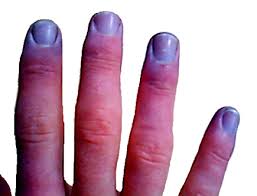
Organs Commonly Involved: Heart and Lungs
Cyanosis occurs when blood circulating through the skin contains insufficient oxygen. This can result from lung conditions that impair oxygen exchange, heart conditions that reduce effective circulation, or obstructions that limit blood flow.
In early or mild cases, cyanosis may not be constant. It can appear only during physical activity, periods of stress, or exposure to cold making it easy to dismiss or miss entirely.
This is never a cosmetic issue, even subtle or intermittent cyanosis indicates compromised oxygen delivery to tissues. Left unaddressed, the underlying cause can progress quickly. Any persistent bluish discoloration warrants medical evaluation, regardless of how mild it appears.
Darkening of Skin Folds and Creases
What It Looks Like
- Velvety, thickened patches of darker skin
- Most commonly seen on the neck, armpits, groin, knuckles, elbows, or under the breasts
- May feel slightly raised or textured compared to surrounding skin
Organs/System Involved: Pancreas and Endocrine System
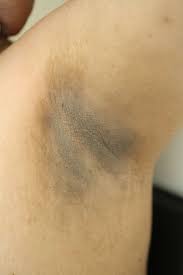
This pattern is known as acanthosis nigricans and is one of the most reliable visible markers of insulin resistance. When insulin levels remain chronically elevated, they stimulate skin cell growth and activate melanocytes, the cells responsible for pigment production. The result is darkened, thickened skin concentrated in body folds.
Importantly, this skin change often appears before blood sugar levels cross the diagnostic threshold for diabetes. It frequently precedes:
- Type 2 diabetes
- Metabolic syndrome
- Polycystic ovary syndrome (PCOS) and other hormonal disorders
This is not caused by dirt, poor hygiene, or friction alone. Scrubbing, bleaching creams, or cosmetic treatments do not address the underlying problem. When acanthosis nigricans is present, the skin is reflecting metabolic stress, not a surface-level issue. Treating the skin without correcting insulin resistance misses the real signal.
Reddish or Flushed Appearance
What It Looks Like
- Persistent redness of the face, neck, or upper chest
- Skin that flushes easily with heat, stress, or minimal exertion
- A warm or burning sensation, even at rest
Organs Commonly Involved: Heart, Liver, Hormonal System
Chronic flushing is often a vascular response rather than a cosmetic trait. It can reflect unstable blood vessel regulation driven by cardiovascular strain, autonomic nervous system imbalance, or hormonal shifts.
Common contributors include:
- Elevated blood pressure
- Dysregulation of the autonomic nervous system
- Liver-related changes in blood vessel tone
- Hormonal surges involving cortisol or estrogen
Liver-Specific Sign
When the liver is under stress, it may fail to properly metabolize estrogen. Elevated estrogen levels cause blood vessels near the skin’s surface to dilate, leading to persistent redness and, in some cases, spider-like veins. This flushing is often mistaken for sensitive skin or rosacea when the underlying issue is systemic.
Brown or Bronze Skin Discoloration
What It Looks Like
- Gradual, diffuse darkening that resembles a deep tan
- More noticeable on sun-exposed areas, scars, joints, or skin folds
- Develops slowly over time rather than suddenly
Organs Commonly Involved: Adrenal Glands and Liver
A bronze or brownish skin tone can be linked to disorders involving hormone regulation or iron metabolism. In adrenal insufficiency (such as Addison’s disease), the body increases production of ACTH, a hormone that also stimulates melanin production leading to widespread darkening of the skin.
Iron overload disorders can also affect liver function, allowing excess iron to deposit in tissues and alter skin pigmentation.
Critical Note
Because this change develops gradually, it’s often attributed to sun exposure, aging, or natural skin tone variation. In reality, it may reflect significant endocrine or liver stress that warrants evaluation.
Mottled or Patchy Skin (Livedo Reticularis)
What It Looks Like
- A lace-like or net-patterned discoloration
- Purple, reddish, or bluish patches
- Most commonly seen on the legs or arms
Organs Commonly Involved: Vascular System, Kidneys, Autoimmune Processes
This pattern reflects instability in blood flow through small vessels near the skin’s surface. While temporary mottling in cold environments can be normal, persistent livedo reticularis is not.
It may be associated with:
- Vascular dysfunction or impaired circulation
- Chronic kidney disease
- Autoimmune or inflammatory conditions affecting blood vessels
Persistent mottling suggests that blood flow regulation is compromised, often as part of a broader systemic issue.
Why These Changes Are Often Missed
Subtle skin color changes frequently go unnoticed or unaddressed because:
- They develop gradually over months or years
- They are usually painless
- They fluctuate with lighting, temperature, or stress
- They’re dismissed as cosmetic, genetic, or age-related
Modern healthcare often prioritizes lab values and imaging, which means early physical signs, especially visual ones can be overlooked despite appearing earlier than measurable abnormalities.
When Skin Changes Become Red Flags
Skin color changes deserve attention when they:
- Persist for weeks or months
- Appear alongside fatigue, swelling, breathlessness, dizziness, or unexplained weight changes
- Progress, spread, or intensify over time
- Are new, unexplained, or clearly different from your baseline
Skin is not a diagnosis, but it is a powerful early-warning system. Ignoring persistent changes delays recognition of organ stress that may still be reversible.
What You Can Do Proactively
1. Observe Consistently
Check your skin regularly in natural light. Pay attention to:
- Whites of the eyes
- Lips and gums
- Palms and soles
- Nail beds
- Skin folds and creases
Consistency matters more than obsessing over minor daily changes.
2. Address Lifestyle Stressors
Support internal organ health by reducing unnecessary strain:
- Prioritize quality sleep
- Limit alcohol and ultra-processed foods
- Maintain adequate hydration
- Manage blood sugar through diet and movement
- Support circulation with regular physical activity
3. Seek Medical Evaluation
When changes persist, ask targeted questions rather than vague reassurance. Relevant evaluations may include:
- Liver enzyme testing
- Kidney function markers
- Complete blood counts
- Oxygen saturation assessment
- Hormonal and metabolic markers
Early investigation doesn’t mean something is wrong, it means you’re listening before damage progresses.
Final Thoughts
Your skin rarely raises alarms, it whispers. Subtle changes in color, tone, or pattern don’t appear by chance; they reflect real shifts in circulation, metabolism, hormone balance, inflammation, and detoxification happening beneath the surface. While not every visible change points to disease, patterns that persist, deepen, or progress over time deserve thoughtful attention rather than dismissal.
Organ stress almost always begins quietly. The earlier it’s recognized, the more reversible it tends to be. Learning to interpret these early skin signals gives you a powerful advantage, the chance to respond while the body is still compensating, not failing. At this stage, small adjustments in lifestyle, monitoring, or medical care can make a meaningful difference.
Ignoring what your skin is showing you doesn’t make the message go away, it simply delays it. The body will always find another way to communicate when something is under strain. Paying attention now allows you to respond on your own terms, before subtle warnings turn into permanent damage.

Dr. Ijasusi Bamidele, MBBS (Binzhou Medical University, China), is a medical doctor with 5 years of clinical experience and founder of MyMedicalMuse.com, a subsidiary of Delimann Limited. As a health content writer for audiences in the USA, Canada, and Europe, Dr. Ijasusi helps readers understand complex health conditions, recognize why they have certain symptoms, and apply practical lifestyle modifications to improve well-being