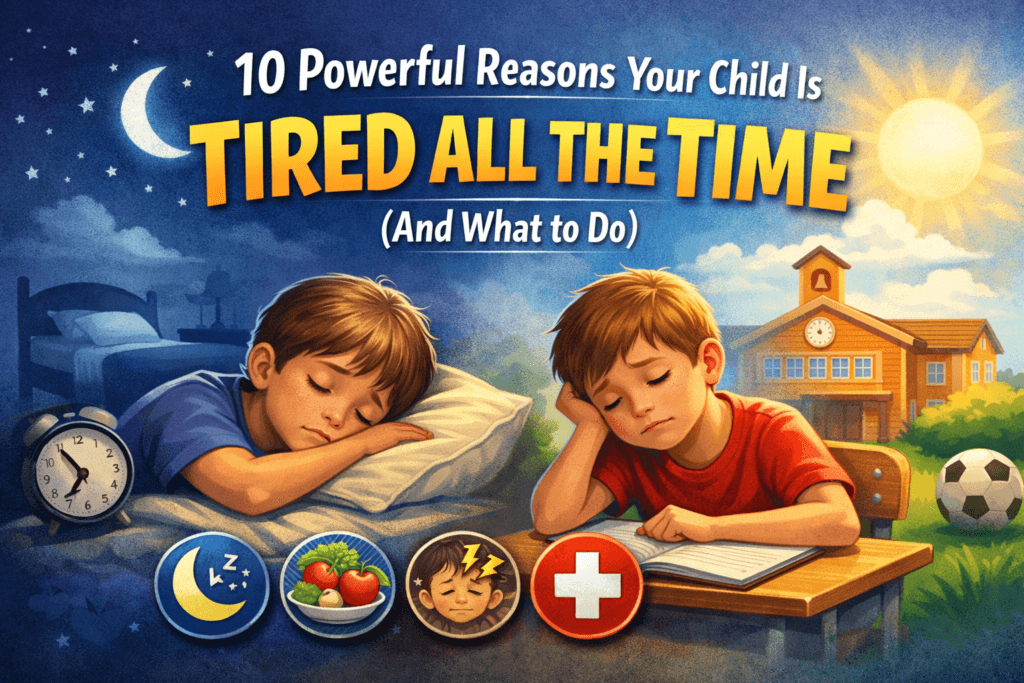
10 Powerful Reasons Your Child Is Tired All the Time (And What to Do)
A child who is tired all the time worries parents for good reason, this is not the kind of concern that comes from overthinking, it comes from instinct.
Children are naturally energetic, they move constantly, ask endless questions, play hard, and recover quickly after rest. Even quiet or shy children usually have predictable moments of alertness and enthusiasm. When that pattern changes and a child becomes consistently exhausted, sleepy, slow, or disengaged, it is a signal that something is off.
Occasional tiredness is normal, every child has days when they are worn out after school, illness, or poor sleep, that is not the issue. The concern begins when fatigue becomes persistent, when rest does not restore energy, and when tiredness starts to affect daily life, mood, learning, or play.
Persistent fatigue is not a phase to ignore, it is not laziness, it is not a personality trait and it is not something parents should simply wait out.
In some cases, the cause is straightforward and fixable, such as poor sleep quality, nutritional gaps, dehydration, or emotional stress. In other cases, ongoing tiredness may point to an underlying medical condition that needs proper evaluation. The challenge for parents is knowing what is normal, what is not, and when to take action.
This article breaks down the real reasons children may feel tired all the time, it explains what level of fatigue is expected at different ages, common non-medical and medical causes, warning signs that require urgent attention, and practical steps parents can take at home. Most importantly, it helps parents understand when reassurance is enough and when a doctor’s visit is necessary.
A child’s energy level is a window into their overall health. Paying attention early can make a meaningful difference.
What Does “Tired All the Time” Really Mean in Children?
Parents describe fatigue in different ways, and that is part of what makes it confusing. One child may sleep excessively, while another stays awake but has no energy. What matters is not the exact behavior, but the overall pattern.
Common signs parents notice include:
Sleeping much more than usual
Wanting to lie down or rest frequently
Difficulty waking up in the morning
Low energy during play or physical activity
Poor focus or declining performance at school
Mood changes such as irritability, withdrawal, or low motivation
Complaints of weakness, headaches, or body aches
True fatigue is not the same as being sleepy after a long day, it is a persistent lack of energy that does not improve with normal rest, sleep, or a relaxed weekend. When a child wakes up tired, stays tired throughout the day, and shows little recovery after sleep, that is fatigue.
If these symptoms persist for more than two to three weeks, or if they interfere with daily functioning, they should not be ignored.
How Much Energy Is Normal for a Child?
Children do not all have the same energy levels, some are naturally active and restless, while others are calm and reserved, that difference alone does not indicate a problem, what truly matters is change.
A child who has always been quiet but remains consistent is less concerning than a child who was once energetic and suddenly becomes tired, withdrawn, or inactive. A noticeable drop in energy is often more important than the absolute level of activity.
Typical energy patterns by age include:
Toddlers: Short bursts of intense energy followed by regular naps or rest
Preschoolers: High activity levels but may tire quickly after busy days
School-age children: More stable energy when sleep and nutrition are adequate
Adolescents: Increased sleep needs due to growth, hormonal changes, and brain development
If a child is getting what should be adequate sleep for their age but still appears exhausted every day, that is not considered normal and deserves further attention.
Common Non-Medical Causes of Constant Fatigue
Many children who are tired all the time do not have a serious underlying illness. Lifestyle, routine, and environmental factors are often responsible, and these are frequently overlooked.
1. Poor Sleep Quality
A child can sleep for many hours and still wake up tired if the quality of sleep is poor.
Common causes of disrupted sleep include:
Late or inconsistent bedtimes
Excessive screen use before sleep
Irregular sleep schedules between school days and weekends
Noise, light, or an uncomfortable sleep environment
Sleep apnea, often related to enlarged tonsils, adenoids, or obesity
Signs that sleep quality may be poor include:
Loud or frequent snoring
Mouth breathing during sleep
Restless movement at night
Waking up tired or irritable
Sleep quantity does not automatically mean restorative sleep. A child who sleeps long hours but does not feel refreshed may still be sleep deprived in a functional sense.
2. Nutritional Deficiencies
Children grow rapidly, and even small nutritional gaps can affect energy levels.
Common deficiencies linked to fatigue include:
Iron deficiency
Vitamin D deficiency
Vitamin B12 deficiency
Overall inadequate calorie intake
Iron deficiency is one of the most common causes of fatigue in children worldwide. It is especially common in picky eaters, children who consume little meat, or those with diets low in iron-rich foods.
Possible signs include pale skin, low stamina, weakness, poor appetite, headaches, and reduced concentration at school. In many cases, parents may notice academic or behavioral changes before physical symptoms become obvious.
3. Dehydration
Chronic mild dehydration is an underrecognized cause of fatigue in children.
Many children do not drink enough water during the day, particularly at school, where access may be limited or ignored. Even mild dehydration can reduce physical and mental energy.
Common signs include:
Dark or strong-smelling urine
Infrequent urination
Headaches
Dry lips or mouth
Fatigue that worsens as the day goes on
Children often do not feel or express thirst clearly, so regular hydration needs to be encouraged rather than left to chance.
4. Overloaded Schedules
Overscheduling is a common and often overlooked cause of constant fatigue in children.
Many children juggle demanding routines that leave little room for real rest. Long school hours, extra lessons, sports training, homework, and structured activities can fill nearly every part of the day. While these activities may be well intentioned, the cumulative effect can be exhaustion.
Children need downtime to recover physically and mentally. Without it, fatigue builds up gradually and may present as low energy, irritability, poor focus, or frequent complaints of being tired.
Mental fatigue often looks exactly like physical tiredness, a child may not appear physically ill but may still feel drained, slow, and unmotivated.
Rest is not laziness, it is a biological requirement for growth, brain development, emotional regulation, and learning. When schedules leave no space for unstructured rest, fatigue is an expected outcome.
5. Emotional Stress and Anxiety
Children experience stress just as adults do, even if they cannot clearly explain what they are feeling.
Common sources of emotional stress include:
Academic pressure
Bullying or social difficulties
Family conflict or changes at home
Learning difficulties
Fear, insecurity, or uncertainty
Stress places a constant demand on the nervous system. Over time, this drains energy and can lead to persistent fatigue. Some children do not show obvious signs of anxiety or sadness. Instead, they appear tired, withdrawn, irritable, or uninterested in activities they previously enjoyed.
Fatigue may be the first visible sign that a child is struggling emotionally.
Medical Causes of Persistent Fatigue in Children
When tiredness is persistent, unexplained, or progressively worsening, medical causes must be considered. Fatigue is a common symptom across many childhood conditions, and identifying the cause early is important.
1. Anemia
Anemia occurs when the body does not have enough healthy red blood cells to deliver adequate oxygen to tissues. Reduced oxygen delivery leads directly to tiredness and reduced stamina.
Common causes in children include:
Iron deficiency
Chronic inflammatory or medical conditions
Blood loss
Nutritional deficiencies
Symptoms may include:
Pale skin
Easy fatigue or reduced exercise tolerance
Shortness of breath with activity
Dizziness or headaches
Poor appetite
Declining school performance
Anemia is common and often missed without testing. A simple blood test is usually enough to confirm the diagnosis and guide treatment.
2. Infections
Both acute and chronic infections can cause prolonged fatigue in children.
Examples include:
Viral infections such as Epstein Barr virus
Recurrent respiratory infections
Parasitic infections in some regions
Tuberculosis in endemic areas
In many cases, fatigue may persist even after other symptoms have resolved. Post-viral fatigue can last several weeks and may significantly reduce a child’s energy, concentration, and activity level.
Persistent fatigue following an infection should be monitored, especially if recovery seems unusually slow.
3. Endocrine Disorders
Hormonal imbalances play a major role in regulating energy, metabolism, and growth.
Conditions that may cause fatigue include:
Diabetes mellitus
Adrenal disorders
Hypothyroidism often presents with fatigue alongside weight gain, cold intolerance, constipation, dry skin, and slowed growth or development.
Diabetes may cause fatigue together with excessive thirst, frequent urination, unexplained weight loss, and increased appetite. Endocrine causes require medical testing and ongoing management.
4. Sleep Disorders
Sleep disorders are underdiagnosed in children and can significantly affect daytime energy.
Sleep apnea is one of the most common examples, it disrupts normal sleep cycles and prevents restorative rest, even when total sleep time appears adequate.
Risk factors include:
Enlarged tonsils or adenoids
Obesity
Craniofacial abnormalities
Children with sleep disorders may snore, breathe through the mouth at night, or wake up feeling unrefreshed. During the day, they may appear tired, irritable, or inattentive rather than sleepy.
5. Chronic Medical Conditions
Fatigue is a frequent symptom in children living with chronic illness.
Examples include:
Kidney disease
Heart disease
Autoimmune disorders
Inflammatory bowel disease
In these cases, fatigue is usually accompanied by other ongoing symptoms and may fluctuate depending on disease activity and treatment.
6. Mental Health Conditions
Depression and other mental health conditions in children do not always present as sadness.
Instead, they may show up as:
Constant tiredness
Loss of interest in play or hobbies
Declining academic performance
Irritability or emotional outbursts
Social withdrawal
This pattern is especially important in adolescents, where fatigue may be dismissed as normal teenage behavior. Mental health related fatigue is real, common, and treatable when recognized early.
Red Flags Parents Should Never Ignore
Immediate medical evaluation is needed if fatigue is accompanied by:
Unexplained weight loss
Persistent or recurrent fever
Night sweats
Unexplained bruising or bleeding
Bone or joint pain
Severe or worsening headaches
Persistent vomiting
Changes in vision
Difficulty walking or coordination problems
Regression in developmental milestones
These symptoms may indicate serious underlying conditions and should not be delayed or monitored at home.
How Doctors Evaluate a Tired Child
When a child is tired all the time, medical evaluation starts with a detailed history and physical examination. In many cases, careful questioning provides more useful information than extensive testing.
Doctors typically ask about:
Sleep habits, including bedtime routines, snoring, and nighttime awakenings
Diet and eating patterns
School performance and concentration
Recent or recurrent illnesses
Family history of medical conditions
Emotional stressors at home or school
A physical examination helps identify signs such as pallor, growth concerns, breathing issues, or developmental changes that may point to an underlying cause.
Based on these findings, basic investigations may be ordered. These often include:
Full blood count to check for anemia or infection
Iron studies if iron deficiency is suspected
Blood sugar levels to screen for diabetes
Thyroid function tests to assess hormonal balance
Vitamin levels when dietary deficiencies are likely
Not every tired child needs extensive testing. Investigations are guided by symptoms, examination findings, and clinical judgment. Unnecessary tests are avoided when there are clear non-medical explanations.
What Parents Can Do at Home
Medical evaluation is important, but there are many practical steps parents can take to support a child’s energy and overall well-being.
1. Improve Sleep Hygiene
Consistent, high-quality sleep is foundational.
Helpful steps include:
Setting regular bedtimes and wake times, even on weekends
Removing screens at least one hour before bedtime
Keeping the bedroom dark, quiet, and comfortable
Paying attention to snoring, mouth breathing, or restless sleep
If breathing problems or loud snoring are present, medical assessment is important, as these can significantly disrupt sleep quality.
2. Support Balanced Nutrition
Energy depends on adequate and balanced nutrition.
Parents should aim to:
Include iron-rich foods such as meat, beans, eggs, and leafy vegetables
Ensure sufficient protein intake to support growth and repair
Limit excessive sugary snacks and drinks that cause energy crashes
Encourage regular meals rather than skipping food during busy days
Supplements should not be given routinely unless recommended by a healthcare professional, as unnecessary supplementation can be ineffective or harmful.
3. Encourage Hydration
Hydration plays a larger role in energy levels than many parents realize.
Simple strategies include:
Providing a water bottle for school
Encouraging regular drinking throughout the day, not only when the child feels thirsty
Even mild dehydration can contribute to fatigue, headaches, and reduced concentration.
4. Reduce Overload
Children need balance, not constant productivity.
Parents can help by:
Reviewing daily and weekly schedules realistically
Limiting excessive extracurricular demands
Allowing time for unstructured play and rest
Balancing academic expectations with recovery time
A tired child does not learn more by doing more. Adequate rest improves focus, memory, and emotional regulation.
5. Pay Attention to Emotional Well-being
Emotional health directly affects energy levels.
Parents should:
Talk openly and regularly with their child
Ask about school experiences, friendships, and worries
Watch for changes in mood, behavior, or interests
Seek professional support early if emotional distress is suspected
Addressing emotional challenges early can prevent long-term fatigue and academic difficulties.
When to See a Doctor
A medical review is recommended if:
Fatigue lasts longer than two to three weeks
Tiredness interferes with school, play, or daily activities
Fatigue is accompanied by other symptoms
Your parental instinct tells you something is wrong
Parents are often the first to notice subtle changes, and those concerns should be taken seriously.
Common Myths About Childhood Fatigue
1. Children are just lazy
- False. Persistent fatigue is not laziness and should never be dismissed as such.
2. They will outgrow it.
- Some causes resolve with time, but others worsen if ignored. Waiting without evaluation can delay necessary treatment.
3. More sleep always fixes it.
- Sleep is important, but it will not correct fatigue caused by medical, nutritional, or emotional problems.
Final Thoughts
A child who is tired all the time is sending a signal, that signal should never be ignored or brushed aside.
In many cases, the explanation is practical and fixable, poor sleep quality, nutritional gaps, emotional stress, dehydration, or an overloaded routine can quietly drain a child’s energy over time. When these factors are identified early, small changes can lead to meaningful improvement.
In other situations, persistent fatigue points to a medical cause that needs proper investigation, this is not about assuming the worst. It is about recognizing that ongoing tiredness is not normal and deserves a thoughtful response.
The goal is not panic, the goal is awareness, observation, and timely action. When fatigue is recognized early and addressed appropriately, it protects a child’s physical health, emotional balance, learning ability, and long-term development. Waiting too long can allow small problems to grow into larger ones.
If your child’s energy level has changed noticeably, trust that observation. Do not dismiss it as laziness, personality, or a phase. Pay attention to patterns, ask questions, adjust what can be adjusted. Seek professional help when something does not feel right.
Healthy children have tired days, but they are not consistently tired all the time. Listening to what a child’s body is signaling is one of the most important steps a parent can take.

Dr. Ijasusi Bamidele, MBBS (Binzhou Medical University, China), is a medical doctor with 5 years of clinical experience and founder of MyMedicalMuse.com, a subsidiary of Delimann Limited. As a health content writer for audiences in the USA, Canada, and Europe, Dr. Ijasusi helps readers understand complex health conditions, recognize why they have certain symptoms, and apply practical lifestyle modifications to improve well-being