⚠️ Affiliate Disclaimer: This post may contain affiliate links, which means I may earn a small commission — at no extra cost to you — if you make a purchase through one of these links. I only recommend products or services I genuinely trust and believe can provide value. Thank you for supporting My Medical Muse!
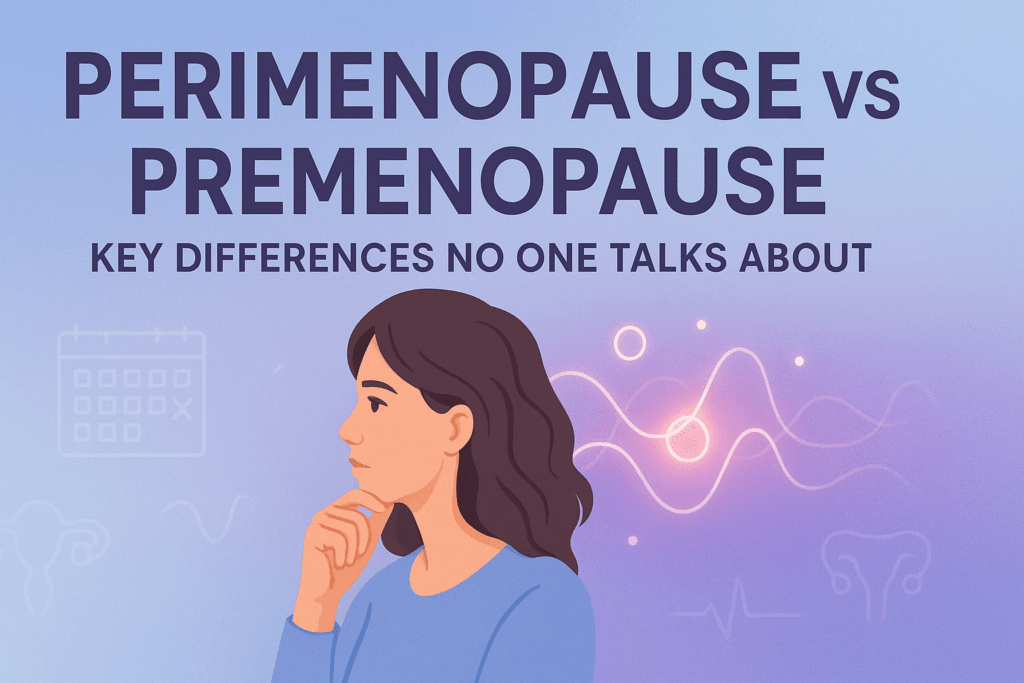
10 Essential Truths: Perimenopause vs Premenopause Explained
Menopause is a natural biological milestone that every woman will face but most of us are rarely prepared for it. What makes this transition so confusing is that the journey toward menopause doesn’t happen overnight. Instead, it unfolds gradually, with subtle changes that many women either overlook or misattribute to stress, aging, or lifestyle. Two terms often get thrown around in this context, perimenopause and premenopause yet few women truly understand the difference.
Here’s the catch, these stages are not just medical jargon. They represent entirely different hormonal landscapes, symptom patterns, and health implications. Confusing one for the other can lead to missed opportunities for early interventions, preventable discomfort, and unnecessary worry.
In this article, we’ll uncover the hidden distinctions between perimenopause and premenopause that no one talks about. You’ll learn how to recognize the early signs, understand what’s happening inside your body, and discover practical strategies to maintain your health, energy, and emotional well-being during this pivotal phase of life. By the end, you’ll be able to navigate this transition with clarity, confidence, and control, no guesswork, no myths, just the facts every woman needs to know.
Understanding the Basics: Premenopause and Perimenopause
Before we explore the subtleties of the menopausal transition, it’s important to clarify the difference between premenopause and perimenopause, terms that are often misunderstood and misused. Knowing the distinction is key to recognizing changes in your body early and taking proactive steps to support your health.
Premenopause refers to the entire reproductive phase of a woman’s life, starting with menarche (the first menstrual period) and continuing until the onset of the menopausal transition. During this stage, menstrual cycles are typically regular, and hormone levels especially estrogen and progesterone are stable. Women in premenopause usually experience predictable ovulation, normal fertility, and only mild or typical premenstrual symptoms. Essentially, this is the “baseline” reproductive stage where the body functions in a steady hormonal rhythm.
Perimenopause, by contrast, is the transitional period leading up to menopause. It generally begins in a woman’s early to mid-40s, though some women may notice changes in their mid-30s. Unlike the steady hormonal patterns of premenopause, perimenopause is marked by hormonal fluctuations that can affect menstrual cycles, mood, sleep, metabolism, and overall well-being. Periods may become irregular, cycles may lengthen or shorten, and women may notice new symptoms such as hot flashes, night sweats, brain fog, or unexplained fatigue. This transitional phase continues until a woman has gone 12 consecutive months without menstruating, which officially marks the onset of menopause.
Here’s a quick comparison to help you visualize the differences:
| Stage | Definition | Key Hormonal Changes | Typical Age Range |
| Premenopause | The reproductive years with regular cycles | Stable estrogen and progesterone | Menarche to 40s |
| Perimenopause | Transitional period leading to menopause | Fluctuating estrogen, declining progesterone | 40s to early 50s |
Why the Confusion Exists
Many women and even healthcare providers often blur the lines between premenopause and perimenopause. This confusion arises for several reasons:
- Subtle Early Symptoms: Perimenopause often begins gradually, with changes so mild that they are easily attributed to stress, work, or normal aging. Skipped periods, mild hot flashes, or mood shifts can go unnoticed for years.
- Terminology Overlap: Some healthcare professionals use the term “premenopausal” broadly to describe any woman who hasn’t yet reached menopause, even if she is already experiencing perimenopausal changes. This generalized labeling can prevent women from fully understanding their hormonal transition.
- Individual Variation: Every woman experiences hormonal shifts differently. While one woman may notice heavy bleeding and severe hot flashes in her early 40s, another may experience subtle irregularities with almost no symptoms until her late 40s. This variability further blurs the distinction between stages.
Understanding these differences is not just academic, it’s practical. Recognizing whether you are in premenopause or perimenopause allows you to make informed decisions about nutrition, lifestyle, medical monitoring, and symptom management. It’s the first step in taking control of your health during this pivotal phase of life.
Key Hormonal Differences
Hormones are the invisible architects of your reproductive health, and they play a central role in distinguishing premenopause from perimenopause. Understanding these differences can help women make sense of the changes they experience and take proactive steps to maintain health and well-being.
1. Estrogen
- Premenopause: During the reproductive years, estrogen levels are generally stable. They rise and fall predictably throughout the menstrual cycle, peaking mid-cycle to trigger ovulation. This hormone supports not only fertility but also bone health, heart health, and even mood stability.
- Perimenopause: Estrogen levels become unpredictable. Some cycles may see higher-than-normal estrogen, which can lead to breast tenderness, bloating, and mood swings, while other cycles may have lower estrogen, causing hot flashes, vaginal dryness, and decreased energy. This rollercoaster effect can make symptoms appear suddenly, leaving women confused about what’s normal.
2. Progesterone
- Premenopause: Progesterone is released after ovulation, preparing the uterine lining for a potential pregnancy. Its levels remain consistent from cycle to cycle, helping maintain regular periods and a balanced hormonal environment.
- Perimenopause: As ovulation becomes irregular, progesterone production declines, contributing to skipped periods, spotting, heavier or lighter bleeding, and PMS-like symptoms. This decline is often behind the irregular menstrual patterns that signal the approach of menopause.
3. FSH and LH (Follicle-Stimulating Hormone and Luteinizing Hormone)
- Premenopause: FSH and LH fluctuate naturally throughout each cycle, stimulating the ovaries to release eggs and supporting regular reproductive function.
- Perimenopause: As ovarian response becomes less predictable, FSH and LH levels rise. Elevated FSH is often one of the first measurable indicators that the body is entering perimenopause. Tracking these levels can provide valuable insight into where a woman is in her hormonal transition.
Signs and Symptoms: What Women Often Miss
While premenopause is often symptom-free aside from typical menstrual cycles and mild premenstrual discomfort, perimenopause introduces a wide spectrum of physical, emotional, and cognitive changes. Recognizing these early can help women take proactive steps for comfort, health, and quality of life.
Common Premenopause Symptoms
- Regular menstrual cycles: Predictable ovulation and menstruation
- Normal fertility: Ability to conceive without hormonal disruption
- Typical PMS symptoms: Mild bloating, cramps, or mood fluctuations
- Stable mood and sleep patterns: Minimal interference with daily life
Common Perimenopause Symptoms
- Irregular Periods: Cycles may shorten, lengthen, or occasionally skip entirely. Some women experience heavier or lighter bleeding, making it difficult to anticipate periods.
- Hot Flashes and Night Sweats: Sudden waves of heat, often accompanied by sweating, palpitations, or facial flushing. These can disrupt daily activities and sleep patterns.
- Sleep Disturbances: Hormonal fluctuations and night sweats contribute to difficulty falling asleep or staying asleep, leading to fatigue and reduced mental clarity.
- Mood Swings and Anxiety: Irritability, low mood, or heightened anxiety may appear unexpectedly, sometimes mimicking depression or chronic stress.
- Vaginal Dryness and Decreased Libido: Reduced estrogen affects vaginal lubrication, elasticity, and sexual comfort, potentially impacting intimacy.
- Cognitive Changes: Many women report brain fog, memory lapses, or difficulty concentrating, which can be frustrating in both personal and professional life.
- Metabolic Changes: Slower metabolism, changes in insulin sensitivity, and weight gain, particularly around the abdomen often accompany hormonal shifts.
- Bone and Joint Changes: Declining estrogen can lead to early bone density loss, joint stiffness, or mild aches, which may precede more significant bone health concerns later in life.
It’s important to remember that not every woman experiences all symptoms, and severity can vary widely. Some may notice only subtle changes for years, while others may experience more pronounced physical and emotional shifts. Tracking cycles, symptoms, and lifestyle factors can help women understand their personal patterns and take steps to mitigate discomfort.
Menstrual Changes: The Subtle Markers
One of the most reliable ways to distinguish premenopause from perimenopause is by closely observing changes in menstrual patterns. These shifts can serve as early warning signs that your body is transitioning toward menopause.
- Premenopause: Menstrual cycles are typically predictable, ranging from 24 to 35 days. Periods are generally consistent in duration and flow, and ovulation occurs regularly.
- Early Perimenopause: Cycles may still appear regular, but subtle differences may emerge, such as slightly heavier or lighter flow, mild spotting between periods, or occasional changes in cycle length. These early signs often go unnoticed but signal the start of hormonal fluctuations.
- Late Perimenopause: Periods become increasingly irregular. Cycles may shorten or lengthen, sometimes skipping entirely. Some women experience heavier bleeding, prolonged spotting, or more severe PMS-like symptoms.
Tracking your cycle with an app or calendar can provide crucial insights. Noticing small changes early allows you to anticipate perimenopause and implement lifestyle adjustments or medical guidance before symptoms escalate.
Health Risks and Considerations
Perimenopause is not just about irregular periods or hot flashes, it carries significant implications for long-term health. Awareness and proactive care can reduce risks and improve quality of life.
1. Cardiovascular Health
Estrogen plays a protective role for the heart and blood vessels. As estrogen fluctuates and eventually declines, the risk of cardiovascular disease increases. Regular monitoring of blood pressure, cholesterol, and lifestyle habits such as diet, exercise, and stress management, is essential for maintaining heart health.
2. Bone Health
Declining estrogen reduces calcium absorption and contributes to bone density loss, raising the risk of osteoporosis. Early interventions like weight-bearing exercise, adequate calcium and vitamin D intake, and limiting smoking or excessive alcohol can help preserve bone strength.
3. Mental Health
Hormonal fluctuations can exacerbate mood disorders. Women may experience anxiety, depression, irritability, or heightened stress, often alongside sleep disturbances. Professional support, counseling, or therapy can provide essential coping strategies.
4. Metabolic Health
Perimenopause often brings changes in metabolism and fat distribution, particularly around the abdomen. Insulin resistance may increase, elevating the risk of type 2 diabetes and weight gain. Maintaining a balanced diet, regular physical activity, and routine medical monitoring are critical preventive measures.
When to Seek Medical Advice
You don’t have to navigate perimenopause alone. Professional guidance can help differentiate between normal hormonal transitions and underlying health issues. Consider consulting a healthcare provider if you experience:
- Sudden or heavy menstrual bleeding
- Severe hot flashes that interfere with daily life
- Persistent sleep disturbances or insomnia
- Significant mood changes or anxiety
- Symptoms affecting sexual health
Diagnostic tests, such as FSH, estradiol, and thyroid function panels, can clarify whether symptoms are perimenopausal or due to another condition, ensuring accurate management.
Practical Strategies for Managing Perimenopause
Effective management of perimenopause focuses on hormonal balance, physical and mental health, and lifestyle adaptation.
1. Nutrition
- Emphasize whole, nutrient-dense foods, vegetables, fruits, lean proteins, whole grains, and healthy fats.
- Include phytoestrogen-rich foods (soy, flaxseed, legumes) to support hormonal balance naturally.
- Ensure adequate calcium and vitamin D intake to maintain bone health.
- Limit processed foods, added sugars, and alcohol, which can worsen inflammation and metabolic stress.
2. Exercise
- Combine cardiovascular, strength, and flexibility training for comprehensive health.
- Weight-bearing exercises (walking, jogging, resistance training) help prevent bone loss.
- Practices like yoga, Pilates, or tai chi reduce stress, improve balance, and enhance sleep quality.
3. Sleep Hygiene
- Maintain consistent sleep and wake times to regulate circadian rhythm.
- Avoid screens and bright lights before bedtime to support melatonin production.
- Use cooling bedding or fans if night sweats disrupt sleep.
4. Stress Management
- Incorporate meditation, deep breathing, or mindfulness practices to reduce cortisol and improve emotional well-being.
- Seek therapy or counseling for mood regulation or anxiety management during hormonal fluctuations.
5. Medical Interventions
- Hormone Replacement Therapy (HRT) can be effective for some women but may not be suitable for everyone. Discuss risks and benefits with a healthcare provider.
- Non-hormonal treatments such as certain antidepressants, gabapentin, or clonidine may alleviate hot flashes or mood swings.
- Vaginal estrogen can relieve dryness, discomfort, and improve sexual health.
Common Myths and Misunderstandings
Perimenopause is surrounded by misinformation, which can leave women confused or unprepared. Let’s debunk some of the most common myths:
1.Perimenopause starts at 50.
Not true. While menopause may occur in the early 50s, perimenopause often begins in the 40s, and for some women, even in the late 30s. Recognizing early signs can help with proactive health management.
2.Irregular periods always mean pregnancy.
During perimenopause, skipped or irregular cycles are common even without pregnancy. Hormonal fluctuations, not conception, are usually the cause.
3.Menopause is abrupt.
Menopause is a gradual process. Perimenopause can last anywhere from 4 to 10 years, with subtle changes appearing long before periods stop entirely.
4.Hormonal changes only affect reproductive organs.
Hormones influence far more than fertility. They affect mood, sleep, metabolism, bone density, and cardiovascular health, making perimenopause a full-body experience rather than just a reproductive milestone.
Debunking these myths helps women understand that what they experience is natural, manageable, and predictable, once they know what to look for.
Perimenopause vs Premenopause: The Takeaway
While the differences between premenopause and perimenopause may seem subtle, they are critical for health awareness and proactive management:
Premenopause:
- Regular menstrual cycles
- Stable hormone levels
- Few or no noticeable symptoms
Perimenopause:
- Irregular cycles and unpredictable bleeding
- Hormonal fluctuations affecting multiple body systems
- A range of physical, emotional, and cognitive symptoms signaling the approach of menopause
Understanding these distinctions empowers women to:
- Recognize early signs and changes in their bodies
- Manage symptoms effectively through lifestyle, nutrition, and medical interventions
- Make informed choices about long-term health and well-being
Perimenopause is not a decline, it’s a natural and manageable stage of life. By staying informed and proactive, women can navigate this transition with confidence, comfort, and clarity.
Final Thoughts: Navigating the Transition with Confidence
Perimenopause is not a decline, it is a natural evolution, a signal that your body is entering a new chapter of life. While the changes can feel unsettling at first, the truth is that knowledge and awareness are your most powerful tools. Understanding the differences between premenopause and perimenopause, recognizing early signs, and separating fact from myth allow you to approach this stage with clarity and confidence.
The key to navigating perimenopause successfully lies in proactive health management. Tracking your cycles and symptoms can reveal patterns that empower you to make informed decisions. Adopting a supportive lifestyle through balanced nutrition, regular exercise, stress management, and quality sleep can dramatically reduce discomfort and improve overall well-being and when symptoms become challenging or persistent, consulting healthcare providers ensures that you have professional guidance tailored to your unique needs.
Beyond managing symptoms, perimenopause is an opportunity to prioritize self-care and holistic health. It’s a time to reassess your habits, strengthen your body and mind, and cultivate routines that enhance energy, mood, and long-term wellness. By embracing these changes with intention rather than fear, women can reclaim a sense of control and empowerment.
Remember, perimenopause is not the end of your reproductive story, it’s the beginning of a new phase. It offers a chance to step into life fully prepared, armed with knowledge, supported by healthy habits, and confident in your ability to navigate change. By viewing this transition as an opportunity rather than a limitation, you can move forward with resilience, vitality, and a renewed sense of self.
👩⚕️ Need Personalized Health Advice?
Get expert guidance tailored to your unique health concerns through MuseCare Consult. Our licensed doctors are here to help you understand your symptoms, medications, and lab results—confidentially and affordably.
👉 Book a MuseCare Consult NowRelated Blog Post:
- 7 Hidden Menopause Symptoms Women Ignore and How to Overcome Them
- Perimenopause Bedtime Anxiety: 9 Proven Ways to Calm Cortisol and Sleep Better
- Night Sweats Before Period or Perimenopause? 7 Clear Ways to Tell and Sleep Better
- 7 Lesser-Known Lifestyle Triggers of Hormonal Imbalance in Women and How to Fix Them
- Why Do I Wake Up at 3 AM During Perimenopause? 9 Proven Fixes That Work

Dr. Ijasusi Bamidele, MBBS (Binzhou Medical University, China), is a medical doctor with 5 years of clinical experience and founder of MyMedicalMuse.com, a subsidiary of Delimann Limited. As a health content writer for audiences in the USA, Canada, and Europe, Dr. Ijasusi helps readers understand complex health conditions, recognize why they have certain symptoms, and apply practical lifestyle modifications to improve well-being