
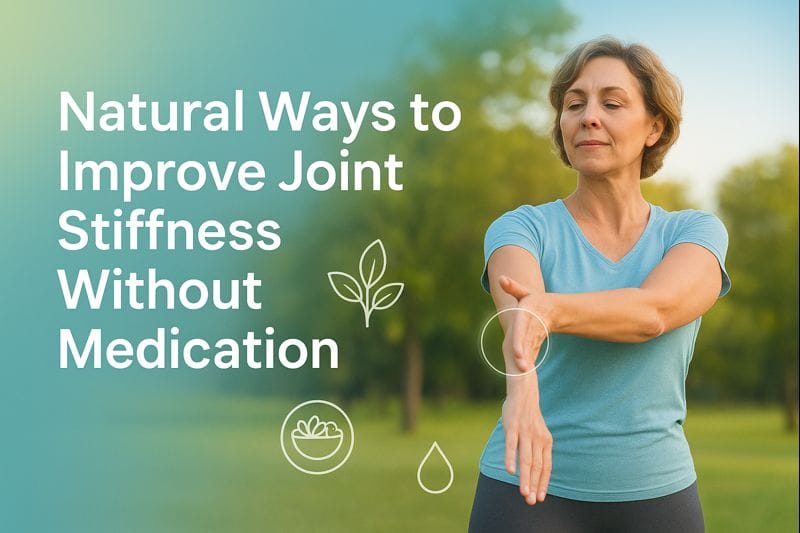
15 Proven Natural Ways to Improve Joint Stiffness Without Medication
You wake up, ready to start your day, only to find your joints reluctant to move. That stiff feeling, once just an occasional nuisance, now lingers, making simple tasks feel like a challenge. You’re not alone, joint stiffness affects people of all ages, stemming from aging, sedentary lifestyles, or underlying health conditions. While medications can help, many seek natural alternatives that nurture joint health without relying on drugs. Luckily, with the right lifestyle adjustments, dietary strategies, exercises, and holistic approaches, it’s possible to ease stiffness and regain mobility.
In this guide, we’ll dive into evidence-based methods that improve joint movement, reduce discomfort, and strengthen your joints from the inside out.
Understanding Joint Stiffness
Before exploring natural remedies, it’s crucial to understand what causes joint stiffness. Joints are the points where two or more bones meet, supported by cartilage, ligaments, tendons, and synovial fluid. Together, these components ensure smooth movement and absorb stress during daily activities. When any of these structures are compromised, joints may become stiff, inflamed, or painful, limiting mobility and affecting quality of life.
Common Causes of Joint Stiffness
- Aging:
As we age, the cartilage that cushions joints gradually wears down, and the production of synovial fluid responsible for lubricating joints decreases. This leads to increased friction between bones, resulting in stiffness and discomfort. - Inflammatory Conditions:
Chronic conditions such as arthritis, bursitis, and tendinitis cause inflammation in the joints. The swelling and irritation associated with these conditions restrict movement and often lead to persistent stiffness. - Inactivity:
A sedentary lifestyle weakens muscles that support the joints and reduces flexibility. Over time, lack of movement can make joints more prone to stiffness and injury, creating a cycle of immobility. - Injury:
Sprains, fractures, or repetitive strain from overuse can damage joint structures. Even after recovery, joints may remain stiff due to scar tissue, muscle imbalance, or lingering inflammation. - Weight Gain:
Excess body weight increases stress on weight-bearing joints such as the knees, hips, and lower back. This additional pressure accelerates wear and tear, contributing to stiffness and discomfort.
Understanding the underlying cause of stiffness is essential. Addressing temporary inactivity requires different strategies than managing age-related wear or chronic inflammation. By identifying the root cause, you can implement targeted lifestyle changes and natural interventions to improve joint function.
Lifestyle Adjustments to Reduce Joint Stiffness
Lifestyle habits play a significant role in joint health. While medications may relieve pain temporarily, consistent daily habits can prevent stiffness, enhance mobility, and strengthen supporting structures over time. Small, sustained adjustments often lead to the most significant improvements.
1. Maintain a Healthy Weight
Carrying extra weight increases stress on your joints, especially those in the lower body. Even a modest weight reduction, just 5-10% of your body weight can significantly decrease joint pressure and stiffness, particularly in people with osteoarthritis.
Tips for healthy weight management:
- Eat a balanced diet: Focus on vegetables, fruits, lean proteins, whole grains, and healthy fats. These foods provide essential nutrients for joint and muscle health.
- Avoid inflammatory foods: Processed snacks, sugary drinks, and refined carbohydrates can trigger inflammation, worsening stiffness.
- Practice mindful eating: Pay attention to hunger cues, control portion sizes, and avoid eating out of stress or boredom.
2. Prioritize Movement
Regular physical activity keeps joints lubricated, strengthens muscles, and enhances flexibility. Inactivity, even for a few days, can lead to increased stiffness and discomfort.
Practical ways to incorporate movement:
- Short walking breaks: Take a five-minute walk every hour to keep joints and muscles active.
- Choose stairs over elevators: This strengthens leg muscles and supports weight-bearing joints.
- Daily stretching: Spend 5-10 minutes in the morning and evening performing gentle stretches for major joints.
3. Improve Posture
Poor posture places uneven stress on joints, particularly in the spine, shoulders, and hips. Maintaining proper alignment reduces strain, prevents stiffness, and supports long-term joint health.
Posture tips for daily life:
- Sit with feet flat on the floor, shoulders relaxed but back, and spine straight.
- Adjust your workstation to keep screens at eye level and chairs supportive.
- Avoid crossing your legs for long periods, which can misalign hips and lower back.
- Stand and stretch periodically if your job requires prolonged sitting.
4. Reduce Stress
Stress may not seem directly related to joint health, but it plays a significant role. Chronic stress increases inflammation and tightens muscles around joints, exacerbating stiffness and discomfort. Mind-body practices are powerful tools to manage stress while supporting joint mobility.
Effective stress management strategies:
- Meditation and deep-breathing exercises: Reduce muscle tension and lower systemic inflammation.
- Yoga or tai chi: These practices combine gentle movement with mindfulness, improving flexibility, strength, and relaxation simultaneously.
- Outdoor activities and hobbies: Spending time in nature, gardening, or engaging in creative activities can reduce stress hormones and improve overall well-being.
Key Takeaways
- Joint stiffness can arise from aging, inflammation, inactivity, injury, or excess weight.
- Identifying the root cause helps in choosing the most effective natural strategies.
- Lifestyle adjustments such as maintaining a healthy weight, moving regularly, improving posture, and managing stress, lay the foundation for long-term joint health.
Exercise for Joint Flexibility and Strength
Exercise is one of the most effective natural ways to reduce joint stiffness. Consistent physical activity strengthens the muscles that support your joints, improves circulation, maintains flexibility, and promotes overall joint health. Combining different types of exercises, low-impact cardio, strength training, stretching, and mind-body movements can have a profound effect on mobility and comfort.
1. Low-Impact Aerobic Exercise
Low-impact aerobic activities minimize stress on joints while boosting cardiovascular fitness and circulation. These exercises are ideal for people with sensitive joints, arthritis, or stiffness in weight-bearing areas like the knees and hips.
Recommended activities:
- Walking: Gentle walking increases blood flow to joints and warms up surrounding muscles.
- Swimming or water aerobics: Water supports body weight, reducing joint strain while providing resistance for muscle strengthening.
- Cycling: Stationary or outdoor cycling promotes leg strength without excessive impact.
- Elliptical training: Provides a smooth, joint-friendly workout that engages the whole body.
Benefits of low-impact cardio:
- Enhances blood circulation to nourish joint tissues
- Reduces inflammation associated with stiffness
- Improves flexibility and range of motion over time
2. Strength Training
Strong muscles provide essential support to joints, stabilizing them and reducing the likelihood of stiffness or injury. Focusing on the muscles around the knees, hips, shoulders, and back helps maintain balance and joint function.
Recommended exercises:
- Leg lifts, squats, and lunges: Strengthen quadriceps, hamstrings, and glutes to support lower body joints.
- Resistance band exercises: Target shoulders, arms, and upper back while minimizing joint stress.
- Core strengthening exercises: Planks, bridges, and abdominal work stabilize the spine and reduce strain on the lower back.
Tips:
- Start with light weights or resistance bands and gradually increase intensity.
- Focus on proper form to avoid joint strain.
- Perform 2-3 strength sessions per week for optimal results.
3. Flexibility and Stretching
Stretching prevents muscles from tightening around the joints, which can lead to stiffness and restricted movement. Regular flexibility work improves joint mobility and reduces discomfort.
Stretching tips:
- Warm up for 5-10 minutes before stretching to increase blood flow.
- Hold stretches for 20-30 seconds without bouncing.
- Include stretches for all major joints: shoulders, hips, knees, spine, and wrists.
- Incorporate dynamic stretches before workouts and static stretches after activity.
4. Mind-Body Exercises
Yoga and tai chi are particularly effective for joint stiffness because they combine gentle movement, stretching, balance, and relaxation. These practices enhance flexibility, improve muscle strength, and reduce stress, which indirectly supports joint health.
Sample routine:
- Sun salutations: Warm up the spine and shoulders.
- Gentle hip and knee stretches: Open the lower body and reduce tension in weight-bearing joints.
- Breathing exercises: Relax muscles, reduce stress, and improve circulation around joints.
Nutrition for Healthy Joints
Nutrition plays a crucial role in joint health. Certain foods can reduce inflammation, support cartilage, strengthen muscles, and provide the nutrients needed for optimal joint function.
1. Omega-3 Fatty Acids
Omega-3s are well-known for their anti-inflammatory properties and may help reduce stiffness in joints affected by arthritis.
Sources:
- Fatty fish: salmon, mackerel, sardines
- Flaxseeds and chia seeds
- Walnuts
2. Anti-Inflammatory Foods
Chronic inflammation contributes to joint pain and stiffness. Incorporating anti-inflammatory foods into your diet can help mitigate these effects.
Examples:
- Fruits: berries, oranges, pineapple
- Vegetables: leafy greens, broccoli, bell peppers
- Spices: turmeric, ginger, garlic
- Healthy fats: olive oil, nuts, and seeds
3. Protein for Muscle Support
Muscles act as joint stabilizers. Adequate protein intake helps maintain muscle mass and prevents joint instability.
Sources:
- Lean meats, poultry, and fish
- Beans and legumes
- Eggs and dairy products
4. Vitamin D and Calcium
Vitamin D and calcium are essential for strong bones, reducing the risk of stress on joints and stiffness caused by osteoporosis or bone weakness.
Sources:
- Vitamin D: sunlight exposure, fortified milk, fatty fish
- Calcium: dairy products, leafy greens, almonds
5. Collagen and Gelatin
Collagen supports cartilage health and can improve joint flexibility over time. Consuming collagen-rich foods or supplements may help preserve joint integrity.
Sources:
- Bone broth
- Collagen supplements
- Gelatin-based foods
Home Remedies to Reduce Joint Stiffness
Several natural remedies can be applied directly to relieve stiffness and discomfort while promoting joint healing.
1. Heat Therapy
Applying warmth increases blood flow to joints and relaxes surrounding muscles, reducing stiffness and improving mobility.
Methods:
- Warm compresses or heating pads applied to stiff joints for 10-20 minutes
- Warm baths with Epsom salts to soothe multiple joints simultaneously
- Infrared heat therapy for deeper tissue relaxation. →Get yours here
2. Cold Therapy
Cold therapy can help reduce inflammation, numb pain, and limit swelling, especially after activity or injury. By constricting blood vessels, cold reduces blood flow to inflamed areas, alleviating stiffness and discomfort.
Methods of Cold Therapy:
- Ice packs: Wrap ice packs or frozen gel packs in a thin towel and apply to the affected joint for 10-15 minutes at a time.
- Cold compresses: Use reusable cold packs or a damp, chilled cloth directly on inflamed joints to soothe soreness. →Get yours here
- Alternating heat and cold: For chronic stiffness, alternating warm compresses with cold therapy can improve circulation and relieve tension.
Tips:
- Avoid direct skin contact with ice to prevent frostbite.
- Limit sessions to 15-20 minutes at a time.
- Apply cold therapy immediately after activity or when joints feel inflamed.
3. Massage Therapy
Massage improves circulation, eases muscle tension, and enhances joint mobility. Regular massage can reduce stiffness and improve range of motion over time.
Tips for Effective Massage:
- Use gentle circular motions around the affected joint.
- Incorporate essential oils such as peppermint, eucalyptus, or lavender for additional soothing effects.
- Seek professional massage therapy for deep tissue work, especially for stubborn stiffness or chronic joint pain. →Get your massager here
Benefits:
- Enhances blood flow to joint tissues
- Relieves tension in surrounding muscles
- Supports relaxation and reduces pain perception
4. Topical Natural Remedies
Certain natural compounds can be applied directly to the skin to reduce inflammation and relieve joint stiffness.
Examples:
- Capsaicin creams: Derived from chili peppers, these creams can decrease pain signals to the brain. Get yours Capsaicin creams here
- Arnica gel: Traditionally used to relieve swelling and inflammation. →Get your arnica gel here
- Turmeric paste: Contains curcumin, which has natural anti-inflammatory properties.
→Get your turmeric paste here
Tips:
- Apply as directed to the affected area, avoiding broken skin.
- Combine topical remedies with gentle stretching or massage for optimal results.
Alternative Therapies for Joint Health
Several complementary therapies have been shown to support joint flexibility, reduce stiffness, and enhance overall mobility.
1. Acupuncture
Acupuncture involves inserting fine needles into specific points of the body to stimulate circulation, release tension, and promote healing. Studies suggest it can be effective for osteoarthritis and chronic joint discomfort.
Benefits:
- Reduces pain and stiffness
- Improves range of motion
Promotes overall relaxation
Get your acupressure Mat and Pillow Set for Back/Neck Pain Relief and Muscle Relaxation
2. Hydrotherapy
Water-based exercises reduce joint strain while providing natural resistance to strengthen muscles. Hydrotherapy is ideal for individuals with arthritis, injury, or mobility limitations.
Options:
- Swimming
- Water aerobics
- Aquatic therapy sessions
3. Chiropractic Care
Chiropractors focus on correcting joint alignment, particularly in the spine, which can reduce stiffness, improve mobility, and support long-term joint health.
Benefits:
- Relieves pressure on surrounding muscles
- Improves posture
- Supports healthy joint mechanics
4. Mindfulness and Relaxation Techniques
Chronic stress can exacerbate joint pain and stiffness. Mindfulness practices, including meditation, deep breathing, and guided relaxation, can reduce muscle tension and alter the perception of stiffness.
Tips:
- Practice 10-20 minutes daily for best results
- Combine with gentle stretching or yoga for added benefits
Daily Habits to Support Joint Health
Consistent joint-friendly habits can prevent stiffness from worsening and maintain long-term mobility.
1. Avoid Prolonged Sitting or Standing
Extended periods of inactivity stiffen joints and reduce circulation. Alternate between sitting, standing, and walking throughout the day. Set reminders to move every hour to keep joints lubricated.
2. Wear Supportive Footwear
Shoes that cushion and support the feet reduce stress on the knees, hips, and spine. Avoid high heels or unsupportive shoes for long durations, especially when walking or standing.
3. Stay Hydrated
Proper hydration maintains synovial fluid levels in the joints, which is essential for smooth movement. Aim for at least 8 glasses of water per day, adjusting for activity level, climate, and individual needs.
4. Sleep Well
Adequate sleep allows your body to repair cartilage, tissues, and muscles that support joint function. Poor sleep can increase inflammation and worsen stiffness. Aim for 7-9 hours of quality sleep each night.
When to Seek Medical Attention
While natural methods are effective for mild to moderate stiffness, certain symptoms require prompt medical evaluation:
- Sudden, severe joint pain that does not improve with rest or home remedies
- Swelling, redness, or warmth around a joint
- Fever or unexplained fatigue accompanying joint pain
- Persistent stiffness lasting more than a few weeks
- Joint deformity, instability, or loss of function
Consulting a healthcare professional ensures underlying conditions such as arthritis, autoimmune disorders, or injury are correctly diagnosed and treated. Early intervention can prevent further damage and improve outcomes.
Conclusion
Joint stiffness doesn’t have to dictate how you live your life. With the right approach, you can reclaim mobility and comfort without depending solely on medication. Focus on small, intentional changes: gentle daily stretches, low-impact exercise, anti-inflammatory nutrition, and mindful stress management.
Consistency is what transforms these practices into results. Over time, your joints will feel stronger, more flexible, and better supported, allowing you to move freely and enjoy everyday activities. The secret isn’t quick fixes, it’s paying attention to your body, nurturing it, and making natural, sustainable choices that protect your joints for the long term.
👩⚕️ Need Personalized Health Advice?
Get expert guidance tailored to your unique health concerns through MuseCare Consult. Our licensed doctors are here to help you understand your symptoms, medications, and lab results—confidentially and affordably.
👉 Book a MuseCare Consult NowOther Related Blog Post:
- 7 Surprising Causes of Joints Cracking Loudly and How to Stop It
- 7 Alarming Signs of Vitamin D Deficiency Fatigue and Joint Pain
- 7 Bone Density Boosters That Really Work, Supercharge Your Bone Health
- 10 Shocking Silent Signs of Potassium Deficiency in Women & Men
- 12 Proven Ways to Improve Circulation Naturally for Desk Workers (Ultimate Guide)
⚠️ Affiliate Disclaimer: This post may contain affiliate links, which means I may earn a small commission at no extra cost to you, if you make a purchase through one of these links. I only recommend products or services I genuinely trust and believe can provide value. Thank you for supporting My Medical Muse!

Dr. Ijasusi Bamidele, MBBS (Binzhou Medical University, China), is a medical doctor with 5 years of clinical experience and founder of MyMedicalMuse.com, a subsidiary of Delimann Limited. As a health content writer for audiences in the USA, Canada, and Europe, Dr. Ijasusi helps readers understand complex health conditions, recognize why they have certain symptoms, and apply practical lifestyle modifications to improve well-being