⚠️ Affiliate Disclaimer: This post may contain affiliate links, which means I may earn a small commission at no extra cost to you, if you make a purchase through one of these links. I only recommend products or services I genuinely trust and believe can provide value. Thank you for supporting My Medical Muse!
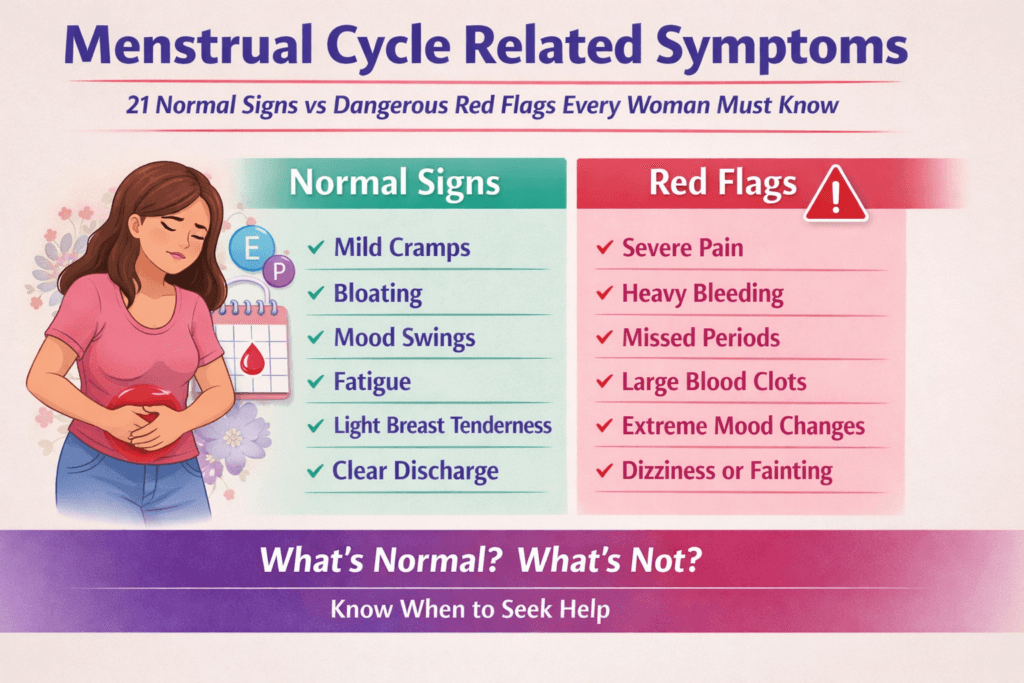
Menstrual Cycle Related Symptoms
The menstrual cycle is not just a monthly event, it is a core biological rhythm that affects energy, mood, metabolism, pain perception, and long term health, yet it remains one of the most misunderstood processes in women’s health.
Many people grow up believing that pain, exhaustion, emotional instability, bloating, and suffering are simply part of being female. Over time, abnormal symptoms are normalized, serious warning signs are dismissed. Women learn to tolerate problems that should be investigated.
The reality is straightforward, some menstrual cycle symptoms are normal.
Others signal underlying hormonal or medical conditions.
Knowing the difference is not optional, it directly impacts fertility, mental health, cardiovascular health, and overall quality of life.
This guide breaks down the menstrual cycle phase by phase, clearly explains which symptoms are expected, which are not, and identifies when medical evaluation is necessary.
Understanding the Menstrual Cycle Basics
The menstrual cycle is a repeating biological process that prepares the body for possible pregnancy each month. It affects far more than bleeding, hormones involved in the cycle influence energy levels, digestion, sleep, mood, pain sensitivity, and mental clarity.
In most adults, a typical menstrual cycle lasts between 21 and 35 days, counted from the first day of bleeding to the day before the next period starts. Teenagers often have longer or irregular cycles for the first few years after their first period. This is usually normal as the hormonal system matures.
The cycle is regulated by constant communication between the brain, ovaries, and uterus. The brain releases signals that tell the ovaries when to produce estrogen and progesterone. These hormones then control changes in the uterus and the rest of the body, because hormones affect multiple organ systems, menstrual symptoms can feel both physical and emotional.
The menstrual cycle is divided into four main phases:
Menstrual phase
Follicular phase
Ovulation
Luteal phase
Each phase has predictable changes, symptoms become concerning when they are severe, disabling, or progressively worsen over time.
Phase 1: Menstrual Phase (Your Period)
The menstrual phase begins on day one of bleeding and usually lasts three to seven days.
What Happens in the Body
During this phase, the uterus sheds the lining that built up during the previous cycle. Estrogen and progesterone levels drop sharply, this hormone drop triggers the release of prostaglandins, which cause the uterus to contract so the lining can be expelled. These contractions are the main source of menstrual cramps.
Symptoms That Are Usually Normal
It is normal to experience some discomfort during this phase, including:
Mild to moderate lower abdominal cramps
Dull lower back pain
Low energy or fatigue
Mild headaches
Loose stools or mild diarrhea
Mild nausea
Increased emotional sensitivity
Total blood loss of about 2 to 6 tablespoons across the entire period
These symptoms should be uncomfortable but manageable. You should still be able to attend work, school, or daily activities, even if you need rest or pain relief.
Symptoms That Are NOT Normal
Menstrual symptoms become abnormal when they interfere with basic functioning. Warning signs include:
Severe pain that prevents walking, working, or sleeping
Bleeding that soaks through a pad or tampon every one to two hours
Passing large blood clots repeatedly
Periods lasting longer than seven days
Dizziness, fainting, or shortness of breath during periods
Vomiting due to pain
Pain that does not improve with standard pain relief
These symptoms may indicate underlying conditions such as endometriosis, fibroids, adenomyosis, bleeding disorders, or anemia. Pain is common, debilitating pain is not.
Phase 2: Follicular Phase (After Your Period)
The follicular phase begins after menstrual bleeding ends and continues until ovulation.
What Happens in the Body
Estrogen levels begin to rise, the uterus starts rebuilding its lining, and follicles in the ovaries mature in preparation for ovulation. As estrogen increases, many people notice a gradual improvement in both physical and mental energy.
Symptoms That Are Usually Normal
This phase is often described as the most mentally and physically comfortable part of the cycle. Normal symptoms include:
Improved mood
Increased mental clarity and focus
Rising motivation and productivity
Better tolerance for exercise
Increased libido toward the end of the phase
Clear or slightly sticky vaginal discharge
Many people feel more confident, social, and energetic during this phase.
Symptoms That Are NOT Normal
Symptoms that persist or worsen during the follicular phase are not typical and may include:
Ongoing fatigue despite adequate sleep
Brain fog that interferes with work or learning
Persistent pelvic pain
Vaginal discharge with a strong odor or itching
Depressive symptoms that do not improve after menstruation
These signs may suggest hormonal imbalance, thyroid disorders, iron deficiency, or chronic infections and should not be ignored.
Phase 3: Ovulation
Ovulation usually occurs around the middle of the cycle, although the exact day varies between individuals and even between cycles.
What Happens in the Body
A mature egg is released from one ovary and enters the fallopian tube. Estrogen reaches its peak and then drops slightly. Progesterone begins to rise in preparation for the next phase.
Symptoms That Are Usually Normal
Ovulation is often subtle, but some people notice:
Mild one sided lower abdominal pain lasting a few hours
Increased libido
Clear, stretchy cervical mucus that resembles egg whites
Mild breast fullness
Slight bloating
Ovulation pain, known as mittelschmerz, should be mild and short lived.
Symptoms That Are NOT Normal
Ovulation related symptoms become concerning when they include:
Severe or sharp pain lasting more than a day
Pain accompanied by fever
Sudden intense pelvic pain with nausea or vomiting
Pain associated with heavy vaginal bleeding
These symptoms may indicate ovarian cyst rupture, pelvic infection, or ovarian torsion. These conditions require urgent medical evaluation.
Phase 4: Luteal Phase (After Ovulation)
The luteal phase begins after ovulation and lasts about 12 to 14 days, ending when the next period starts.
What Happens in the Body
Progesterone becomes the dominant hormone. Body temperature rises slightly, digestion slows, and the uterus prepares for possible pregnancy. If pregnancy does not occur, progesterone levels fall, triggering menstruation.
Symptoms That Are Usually Normal
Mild changes during this phase are common, including:
Mild bloating
Breast tenderness
Slight constipation
Increased appetite
Lower energy compared to the follicular phase
Mild mood changes or irritability
These symptoms should be noticeable but tolerable.
Symptoms That Are NOT Normal
Symptoms become abnormal when they are intense, disruptive, or emotionally overwhelming. These include:
Severe mood swings
Depression or anxiety that interferes with daily life
Rage, anger, or emotional outbursts
Insomnia lasting several days
Migraines that occur only during this phase
Binge eating or complete loss of appetite
Extreme fatigue
Panic attacks
When emotional and physical symptoms are severe, cyclical, and consistently occur during the luteal phase, this may indicate premenstrual dysphoric disorder (PMDD).
PMDD is not normal PMS,
it is a serious hormone sensitive mood disorder that requires medical care.
PMS vs PMDD: Understanding the Difference
Many people use PMS and PMDD interchangeably, but they are not the same condition. Confusing the two leads to delayed diagnosis and unnecessary suffering.
The key difference is severity and impact on daily life.
Premenstrual Syndrome (PMS)
Premenstrual syndrome refers to a collection of mild physical and emotional symptoms that appear in the days leading up to menstruation and improve or disappear once bleeding begins. PMS is common and usually manageable.
Common PMS Symptoms
Mild irritability or mood changes
Breast tenderness or swelling
Bloating or water retention
Food cravings
Fatigue or low energy
PMS symptoms may be uncomfortable, but they should not significantly disrupt relationships, work, school, or mental health. If symptoms are predictable and improve with lifestyle adjustments or basic treatment, they generally fall within the PMS category. PMS should never feel overwhelming or uncontrollable.
Premenstrual Dysphoric Disorder (PMDD)
Premenstrual dysphoric disorder is a severe, hormone sensitive mood disorder. It is not an extreme form of PMS, it is a distinct medical condition that affects emotional regulation and mental health.
PMDD symptoms typically begin in the luteal phase and resolve shortly after menstruation starts.
PMDD Symptoms Include
Severe depression or hopelessness
Suicidal thoughts or self harm ideation
Extreme irritability, anger, or rage
Panic attacks
Severe anxiety or emotional distress
A feeling of being out of control or unlike yourself
These symptoms are debilitating, they interfere with daily functioning, strain relationships, and can be life threatening.
PMDD requires medical evaluation and treatment.
Ignoring it is dangerous.
Irregular Cycles: When Variation Is Normal and When It Is Not
Menstrual cycles do not need to be perfectly timed to be healthy. Some variation is normal, especially during times of stress or life change.
Normal Variations
Cycle length between 21 and 35 days
An occasional late or early period due to stress, illness, or sleep disruption
Temporary changes after travel, weight fluctuation, or major life events
These variations usually resolve on their own once the body stabilizes.
Abnormal Patterns
Irregularity becomes concerning when it is persistent or represents a sudden change.
Warning patterns include:
Skipping periods for several months
Periods occurring every two weeks or less
Bleeding between periods
Sudden cycle changes after years of regular menstruation
These patterns may indicate conditions such as polycystic ovary syndrome, thyroid disease, elevated prolactin levels, or early ovarian insufficiency. Early evaluation can prevent long term complications.
Menstrual Pain: How Much Is Too Much
Pain is common during menstruation, but severe pain should never be accepted as normal. Pain is not a rite of passage, pain is a symptom.
Normal Menstrual Cramps
Normal cramps typically:
Are mild to moderate in intensity
Improve with rest, heat, or standard pain relief
Last one to two days
Do not progressively worsen over time
Abnormal Menstrual Pain
Menstrual pain becomes abnormal when it:
Worsens with each passing year
Begins days before bleeding starts
Continues even after the period ends
Radiates to the legs, lower back, or rectum
Occurs during sex or bowel movements
These symptoms strongly suggest conditions such as endometriosis or adenomyosis.
Early diagnosis matters.
Delayed diagnosis leads to years of unnecessary suffering and reduced quality of life.
Heavy Menstrual Bleeding: What Counts as Excessive
Heavy menstrual bleeding is often underestimated, but it has clear medical criteria.
You may be experiencing heavy menstrual bleeding if:
You soak through pads or tampons every one to two hours
Bleeding lasts longer than seven days
You pass large blood clots frequently
You feel dizzy, lightheaded, or exhausted during your period
You have been diagnosed with iron deficiency or anemia
Chronic heavy bleeding increases the risk of anemia, cardiovascular strain, impaired concentration, and reduced productivity. It deserves evaluation and treatment.
Hormonal Red Flags You Should Never Ignore
Some menstrual symptoms are clear warning signs and should never be managed without medical input.
Seek medical care if you experience:
Periods stopping unexpectedly
Sudden or severe pelvic pain
Bleeding after sex
Bleeding after menopause
Severe mood changes accompanied by suicidal thoughts
Painful periods that worsen over time
Symptoms that interfere with daily functioning
These are not normal variations, they are signals that something needs attention.
Tracking Your Cycle Is a Health Tool, Not an Obsession
Tracking your menstrual cycle is one of the most effective ways to identify problems early. It helps distinguish occasional discomfort from consistent patterns.
Consider tracking:
Cycle length and regularity
Flow intensity and duration
Pain severity and timing
Mood and emotional changes
Sleep quality
Energy levels
Patterns often reveal hormonal or medical issues before they become severe.
When to See a Doctor
You should seek medical evaluation if:
Symptoms are worsening rather than improving
Pain is severe or limits daily activities
Bleeding feels excessive or unmanageable
Emotional symptoms feel intense or uncontrollable
Your cycle changes suddenly without explanation
You feel dismissed or unheard by healthcare providers
You deserve proper evaluation, persistent symptoms deserve investigation.
Final Thoughts
The menstrual cycle is not meant to be a monthly test of endurance. Some discomfort can be normal, ongoing suffering is not.
For too long, many people have been taught to tolerate pain, emotional distress, and exhaustion as an unavoidable part of being a woman. As a result, serious symptoms are minimized, dismissed, or ignored until they become impossible to live with.
Understanding what is normal gives you clarity, recognizing what is not gives you protection.
Pain that worsens over time, bleeding that feels excessive, emotional changes that feel overwhelming, or cycles that suddenly change are not things to push through. They are signals, the body communicates through patterns, and the menstrual cycle is one of its most important feedback systems.
Your cycle is a vital sign, it reflects hormonal balance, metabolic health, mental well being, and reproductive health. When something feels off, it usually is.
You deserve accurate information, you deserve to be taken seriously, you deserve care that looks for causes, not excuses.
Listening to your cycle is not weakness, it is awareness.
👩⚕️ Need Personalized Health Advice?
Get expert guidance tailored to your unique health concerns through MuseCare Consult. Our licensed doctors are here to help you understand your symptoms, medications, and lab results—confidentially and affordably.
👉 Book a MuseCare Consult NowRelated Blog Post:
- 7 Reasons Your Period Smells Metallic or Strong And What You Must Know
- Why Your Period Blood turns Brown at the End: 7 Fascinating Reasons and When to Worry
- 7 Surprising Reasons Why You Have Mucus in Period Blood and Why It’s Usually a Good Sign
- 8 Surprising Reasons Why Your Period Blood Looks Watery and Why It’s Usually Nothing to Worry About
- 10 Surprising Reasons Why Your Period Suddenly Became Shorter This Month and Why It’s Not Always Bad
- 10 Powerful Reasons Why You Get Dizzy Right Before Your Period

Dr. Ijasusi Bamidele, MBBS (Binzhou Medical University, China), is a medical doctor with 5 years of clinical experience and founder of MyMedicalMuse.com, a subsidiary of Delimann Limited. As a health content writer for audiences in the USA, Canada, and Europe, Dr. Ijasusi helps readers understand complex health conditions, recognize why they have certain symptoms, and apply practical lifestyle modifications to improve well-being