Is Sitting Cross-Legged Bad for Circulation? The Real Truth Backed by Science
It usually starts unconsciously, you curl up on the couch with your legs folded under, scrolling through your phone or maybe you’re deep into a work session, sitting at your desk with one leg tucked over the other, not even realizing you’ve been in that position for nearly an hour. It feels comfortable, familiar, natural. It’s a posture we fall into when we’re relaxed, focused, or trying to get grounded, meditating, chatting, studying, or simply thinking.
But comfort can be deceptive, that familiar tingle in your toes, the heaviness in your calves, the pins-and-needles sensation, it all raises a quiet question in your mind: Is this bad for me? Am I messing with my circulation?
You’ve probably heard mixed opinions, some say it restricts blood flow and damages veins. Others claim it improves posture, flexibility, and calmness, some cultures even sit cross-legged for hours every day without issues, so who’s right?
The truth lies in understanding how the body responds to this position, what exactly happens inside your veins, muscles, and nerves when you sit cross-legged. It’s not simply good or bad, it depends on how long, how often, and who is doing it.
This article explores the science behind cross-legged sitting, from how it affects blood flow and nerve compression to who may be more vulnerable to its risks. You’ll also learn when it’s harmless, when it becomes a problem, and how to sit cross-legged safely without compromising circulation.
Let’s unpack what really happens when you sit this way and whether your body appreciates it as much as your mind does.
Understanding Blood Circulation and Sitting Postures
Blood circulation is a vital physiological process. Arteries carry oxygen-rich blood from the heart to the tissues, while veins return oxygen-depleted blood back to the heart. Optimal circulation ensures that every cell receives nutrients and oxygen, helping maintain overall health.
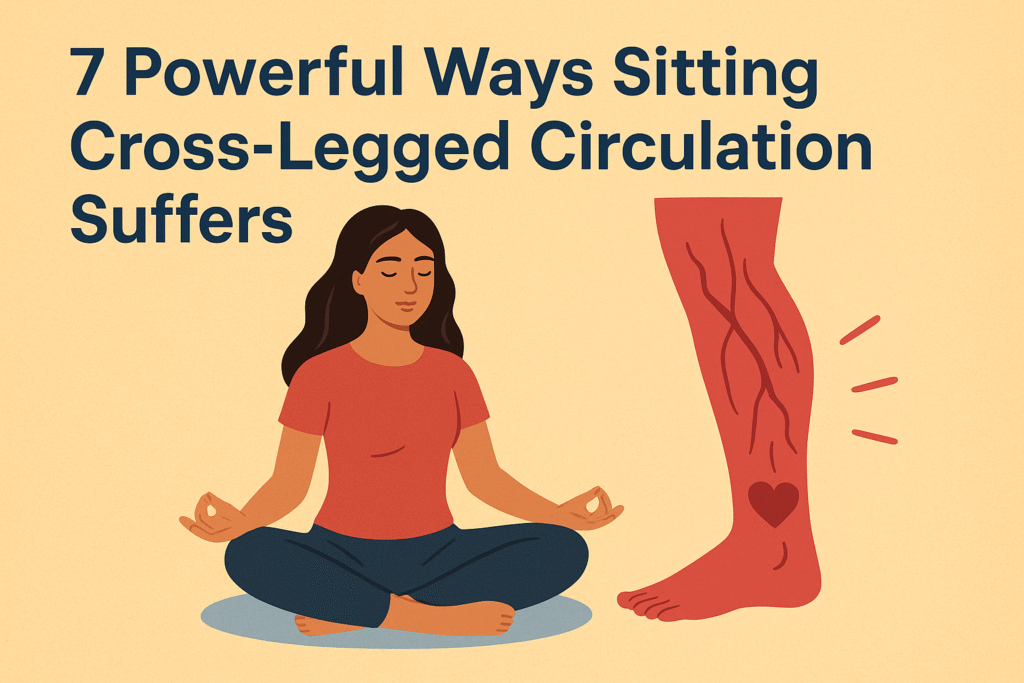
When you sit, especially for prolonged periods, your posture can influence circulation. Certain positions can compress blood vessels, restrict blood flow, and create pressure points that lead to numbness, tingling, or even long-term complications. Sitting cross-legged, formally called sukhasana in yoga, places the legs in a specific alignment that may alter blood flow in the lower extremities.
The Anatomy of Sitting Cross-Legged
Sitting cross-legged involves placing one leg over the other while the knees bend outward. This posture affects several anatomical structures:
- Hip joints: The external rotation required to cross the legs can strain tight hip muscles, especially in individuals with less flexibility.
- Knee joints: Bending the knees to this degree increases pressure on the ligaments and meniscus.
- Thighs and calves: Depending on leg length and muscle tension, the cross-legged posture can compress muscles and soft tissues, restricting venous return.
- Veins and arteries: The femoral vein and popliteal vein, responsible for returning blood from the legs to the heart, may experience temporary compression in certain positions.
Understanding these factors is key to evaluating the impact of this posture on circulation.
Immediate Effects on Circulation
Most people have experienced the numbness and tingling of “pins and needles” when sitting cross-legged for too long. This sensation is medically referred to as paresthesia. It occurs when pressure temporarily restricts blood flow and compresses nerves.
Some immediate effects include:
- Reduced blood flow: Sitting with legs crossed can compress veins in the thighs and knees, slowing venous return.
- Nerve compression: The peroneal nerve, which runs along the outside of the knee, can be compressed, causing tingling, numbness, or a temporary “sleeping leg.”
- Increased pressure in the lower limbs: Prolonged compression may lead to minor swelling or discomfort, especially in people with pre-existing circulatory issues.
For most healthy individuals, these effects are temporary. Once you stand up and move around, blood flow usually returns to normal within a few minutes.
Long-Term Effects of Sitting Cross-Legged
Occasional cross-legged sitting is generally harmless for most people. The body can handle short-term changes in blood flow, posture, and pressure with no lasting consequences. But the risk begins to emerge when this posture becomes a default sitting habit, done for hours daily, especially without movement or posture correction.
Below are the potential long-term effects of habitual cross-legged sitting and how each one affects circulation and musculoskeletal health.
1. Venous Insufficiency and Varicose Veins
Blood in the legs must travel against gravity to return to the heart. Veins contain one-way valves to prevent backflow, but prolonged pressure, especially from sitting cross-legged can weaken these valves over time.
When one leg presses against the other, especially at the thigh or knee, the compression restricts venous return. Over time, this can lead to chronic venous insufficiency, where blood begins to pool in the lower limbs instead of moving upward efficiently.
This pooling gradually weakens vein walls and valves, causing:
- Swelling and heaviness in the legs
- Visible twisted, bulging veins (varicose veins)
- A feeling of throbbing or aching after sitting
- Increased risk of spider veins and leg discoloration
People genetically predisposed to vein disorders or who spend long hours sitting (office workers, drivers, gamers, meditation practitioners) are especially vulnerable.
2. Nerve Compression and Long-Term Nerve Damage
One of the most sensitive nerves affected by cross-legged sitting is the common peroneal nerve, which wraps around the outside of the knee. When you sit cross-legged, especially with one knee under pressure, this nerve can be compressed.
Short-term compression leads to the familiar numbness or tingling (“pins and needles”), but when repeated often over months or years, this nerve irritation may progress to nerve entrapment, causing:
- Persistent numbness or burning sensations in the lower leg or foot
- Weakness in lifting the front part of the foot (foot drop)
- Poor balance or altered walking pattern
- Muscular weakness due to impaired nerve signaling
Unlike blood flow, which quickly recovers when movement resumes, nerves heal slowly and may suffer permanent damage if compression is ongoing and prolonged.
3. Postural Imbalances and Musculoskeletal Strain
Sitting cross-legged may feel comfortable, but it’s not a symmetrical or neutral posture. It causes graded rotation and elevation of one hip over the other, shifting spinal alignment and loading one side of the body more than the other.
Over time, this can result in:
- Pelvic tilt: one side of the pelvis rotates or elevates, causing imbalance
- Hip muscle tightness: especially in the external rotators and hip flexors
- Lower back strain: due to lateral spinal bending or rotated posture
- Altered gait: imbalanced hips and shoulders can affect the way you walk
This asymmetry not only affects posture but indirectly affects circulation, as uneven muscle tension and skeletal alignment can reduce the efficiency of muscle-pumping action that helps return blood to the heart.
4. Increased Risk of Deep Vein Thrombosis (DVT)
In healthy individuals, sitting cross-legged occasionally will not cause a blood clot. However, sitting in this posture for extended periods, especially when combined with other risk factors can increase the likelihood of deep vein thrombosis (DVT).
DVT develops when blood flow becomes stagnant in deep veins, commonly in the calves or thighs, forming a clot. This risk increases when:
- Movement is limited, leading to prolonged immobility
- Leg veins are continuously compressed
- There is an underlying clotting tendency or circulatory issue
Symptoms of DVT can include swelling, warmth, pain, or redness in one leg, although many cases are silent and only discovered when complications occur.
The real danger arises if the clot travels to the lungs, causing a pulmonary embolism, which is life-threatening.
Who Is Most at Risk?
Most healthy individuals can safely sit cross-legged occasionally without serious consequences. But for some people, even short durations can trigger symptoms due to existing health vulnerabilities.
The following groups should be particularly careful:
1. People with Varicose Veins or Chronic Venous Insufficiency
Their vein valves are already weakened. Compression from sitting cross-legged accelerates pooling of blood, swelling, discomfort, and vein deterioration.
2. Individuals with Diabetes
Diabetes affects both circulation and nerve health. Even mild compression can lead to numbness, nerve damage, or delayed healing. Diabetics are at higher risk for peripheral neuropathy and clotting issues.
3. People with a History of DVT or Clotting Disorders
For these individuals, any prolonged sitting posture that reduces movement and compresses blood vessels can increase clot formation risk.
4. Pregnant Women
Pregnancy increases blood volume and estrogen levels, which naturally raise clotting risk. Swelling, fluid retention, and hormonal changes make proper circulation more difficult, so cross-legged sitting makes it worse.
5. Individuals with Obesity or Sedentary Lifestyle
Higher body weight increases vein pressure, while prolonged sitting slows blood movement, both dramatically increasing risk of circulation problems.
6. People with Nerve Sensitivities (Neuropathy, Sciatica)
If nerves are already inflamed or damaged, further compression from sitting cross-legged can worsen symptoms or delay recovery.
7. People Who Sit Cross-Legged for Work, Meditation, or Religious Practice
Yoga instructors, meditation practitioners, or people sitting on the floor for cultural or religious reasons often sit cross-legged for long periods without proper support, alignment, or movement, these individuals can slowly develop musculoskeletal and circulation issues.
For high-risk groups, cross-legged sitting should be done mindfully, limited in time, alternated frequently, and balanced with movement, stretching, or posture support.
Potential Benefits of Sitting Cross-Legged
It’s not all bad. Sitting cross-legged has some benefits when done in moderation:
- Hip flexibility: Cross-legged sitting encourages external rotation and stretching of the hip muscles.
- Improved posture awareness: Maintaining an upright spine in this position strengthens postural muscles.
- Mindfulness and meditation: Many meditation practices rely on cross-legged sitting to foster mental focus and calm.
So, occasional cross-legged sitting can be beneficial, but the key is moderation and attention to the body’s signals.
Signs Your Circulation Is Being Affected
It’s important to recognize warning signs that your circulation may be compromised. These include:
- Numbness or tingling that doesn’t resolve quickly after standing
- Persistent leg swelling or heaviness
- Discoloration in the feet or toes (bluish or pale)
- Pain or cramps in the legs during or after sitting
- Visible varicose veins developing over time
If you experience these symptoms regularly, it’s time to change how you sit or consult a healthcare professional.
Tips for Healthy Cross-Legged Sitting
Practicing cross-legged sitting is not harmful when done with awareness, proper support, and frequent movement. The goal is not to completely avoid the position, but to use it intelligently and protect your circulation, nerves, and joints.
- Limit Duration
Your body is not designed to remain fixed in one posture for too long. Sitting cross-legged for more than 30 to 60 minutes at a stretch increases the risk of numbness, knee strain, hip tightness, and slowed circulation to the lower legs. Use alarms or posture reminders to stand up, stretch, or simply uncross your legs before discomfort begins. - Change Sides Frequently
Most people instinctively cross their legs the same way every time, which leads to uneven hip alignment, muscle imbalance, and one-sided vein compression. Alternate which leg is on top regularly, this helps distribute pressure more evenly, reduces asymmetry, and prevents one side of the pelvis from being habitually elevated. - Use Support Wisely
Sitting directly on the floor or a hard surface increases pressure on sensitive joints and blood vessels, especially behind the knees and at the ankles.
A folded blanket or cushion can elevate the hips above the knees, improving spinal alignment and reducing strain on hips, knees, and veins in the inner thighs.
In meditation or yoga settings, blocks under the knees can help prevent overstretching and allow the legs to relax, improving comfort and blood flow.
When sitting on a chair, place feet flat on the ground or on a supportive footrest to avoid dangling legs, which can restrict circulation.
- Stretch and Move Regularly
Movement is the most effective way to restore blood flow after sitting in any static posture. Simple, quick exercises can prevent pooling, stiffness, and nerve compression in the legs.
Ankle pumps: Flex and point your toes several times to activate the calf muscles and help push blood back toward the heart.
Leg swings: Stand and gently swing each leg forward and back to loosen the hip and knee joints.
Calf stretches: Lean forward with hands against a wall, stretching one leg behind you to lengthen the calf muscles and enhance venous return.
Hip openers and hamstring stretches can also relieve tension around the pelvic region caused by prolonged cross-legged sitting.
- Stay Hydrated:
Hydration supports healthy blood viscosity and circulation. When you are dehydrated, your blood becomes more viscous, making it harder for your body to circulate blood efficiently, especially in the lower extremities. Proper hydration also helps reduce the risk of leg cramps and swelling. - Wear compression stockings when necessary, individuals with venous insufficiency, varicose veins, lymphedema, or a history of deep vein thrombosis may benefit from medical-grade compression stockings. These specialized garments support vein function by promoting upward flow of blood from the legs, reducing swelling, and preventing vascular congestion during long periods of sitting.
Alternative Sitting Positions for Better Circulation
If sitting cross-legged causes discomfort or you have circulatory or structural concerns, consider alternating with these healthier, circulation-friendly postures:
Chair sitting with feet flat on the floor, This is the most ergonomic position for circulation. Knees should be bent at a 90-degree angle, feet flat or on a supportive footrest, and hips slightly above knee level to promote proper blood flow and spinal alignment.
Seiza position:
A traditional Japanese kneeling posture where legs are folded under the body. Use a cushion or yoga block between the feet and hips to reduce pressure on the knees and ankles.
Half-lotus or modified cross-legged sitting:
Resting only one leg on the opposite thigh reduces pressure on the hips and knees compared to the full cross-legged position. You can alternate sides to maintain balance and reduce strain.
Active or dynamic sitting
Using a backless stool, rocking chair, or stability ball encourages subtle micro-movements, naturally activating muscles in the core, hips, and legs. These small movements enhance circulation and reduce stiffness.
Periodic standing:
Integrate bouts of standing or light walking throughout the day. Even one to two minutes of movement every hour can significantly improve blood flow, reduce swelling, and prevent nerve compression.
Special Considerations for Office Workers
Long hours at a desk often lead to unconscious leg-crossing, static posture, and reduced blood flow to the lower limbs. Pair that with prolonged sitting in general, and the risk of swelling, numbness, and vein congestion increases. Protect your circulation at work with these simple strategies:
- Set your chair height so that knees remain at or just below hip level, supported at a 90-degree angle
- Keep feet flat on the floor or on a stable footrest to improve venous return
- Stand up or walk for at least one to two minutes every 30-60 minutes
- Perform desk-friendly exercises such as ankle circles, seated marches, or leg lifts
- Avoid habitual leg-crossing and, when possible, maintain a neutral posture with feet grounded
Even minor adjustments can make a major difference. Consistently avoiding leg compression, keeping your feet supported, and integrating small movements throughout your day improve not just circulation but also posture, energy, and lower back comfort.
When to Seek Medical Advice
Consult a healthcare professional if you notice:
- Persistent numbness, tingling, or weakness in one or both legs
- Sudden swelling in the legs or feet
- Changes in skin color or temperature in the lower limbs
- Pain or cramps that don’t improve with movement
A doctor may recommend diagnostic tests like Doppler ultrasound to check venous flow or nerve function and provide guidance on safe sitting practices.
Final Thoughts
Sitting cross-legged is not the villain, and it’s not a miracle posture either. It is simply a position, one that offers comfort, flexibility, grounding, and mental focus, but like any static posture, it comes with limitations. The issue is not cross-legged sitting itself, but how long and how often you stay in it without movement, posture awareness, or support.
When you sit cross-legged occasionally, with good posture, and listen to your body’s signals, the risks are minimal and for many people, it can even help with hip mobility, spinal alignment, and relaxation. But when it becomes your default position for hours at a time, while working, reading, meditating, studying, or scrolling, it can slowly strain circulation, compress nerves, and distort posture in ways that you may not notice until symptoms appear.
The fix isn’t complicated, but it requires intention. Switch your sitting position regularly, use cushions to elevate your hips. Keep your spine active, not slumped. Stretch your calves, ankles, and hips throughout the day. Allow your blood to move, your nerves to decompress, and your muscles to reset.
And if you already struggle with circulation issues, varicose veins, nerve sensitivity, or a history of DVT, don’t ignore it. A small adjustment today like choosing a more neutral sitting position or taking movement breaks can protect you from much bigger problems tomorrow.
Your body doesn’t demand perfection. It simply asks for movement, change positions, stand up, stretch and reset. Comfort is good but circulation is essential.
👩⚕️ Need Personalized Health Advice?
Get expert guidance tailored to your unique health concerns through MuseCare Consult. Our licensed doctors are here to help you understand your symptoms, medications, and lab results—confidentially and affordably.
👉 Book a MuseCare Consult Now⚠️ Affiliate Disclaimer: This post may contain affiliate links, which means I may earn a small commission — at no extra cost to you — if you make a purchase through one of these links. I only recommend products or services I genuinely trust and believe can provide value. Thank you for supporting My Medical Muse!
Reccommended Reads:
- 10 Powerful Ways to Fix Energy Drops in Your 30s and Regain Vitality Naturally
- Why Your Legs Tingle When You Sit on the Toilet: 6 Powerful Causes & Fixes
- 10 Surprising Reasons Your Fingers Go Numb When You Stretch Your Arms
- 7 Fascinating Reasons Why Your Body Shakes After Stretching or Yawning
- Tingling Feet? 7 Scientific Ways to Know If It’s Serious or Temporary

Dr. Ijasusi Bamidele, MBBS (Binzhou Medical University, China), is a medical doctor with 5 years of clinical experience and founder of MyMedicalMuse.com, a subsidiary of Delimann Limited. As a health content writer for audiences in the USA, Canada, and Europe, Dr. Ijasusi helps readers understand complex health conditions, recognize why they have certain symptoms, and apply practical lifestyle modifications to improve well-being