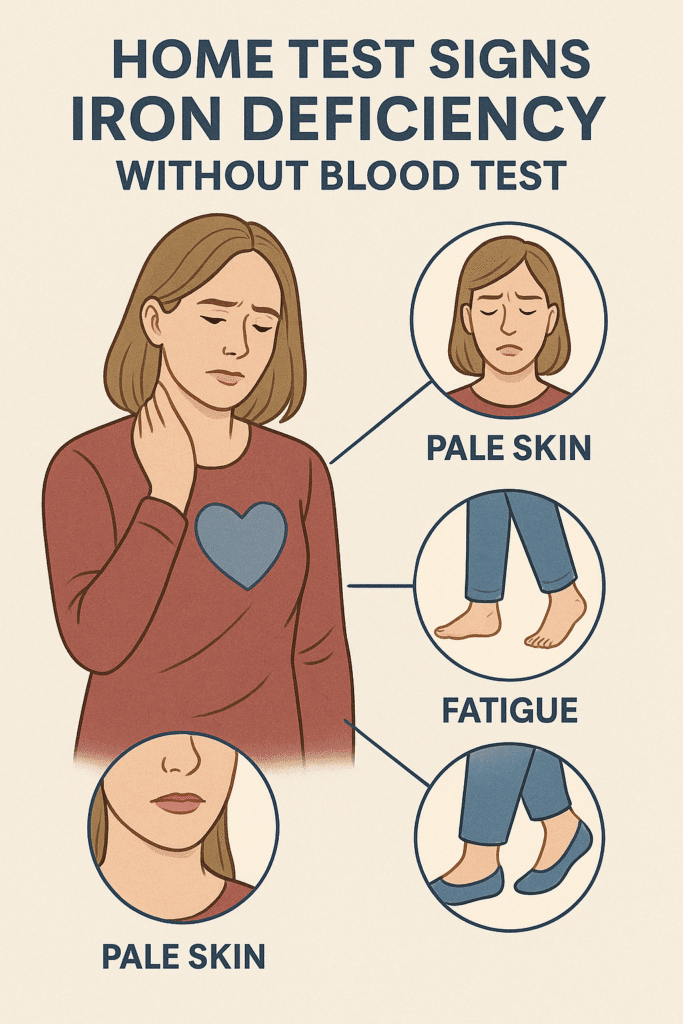
Iron deficiency rarely announces itself loudly, it develops quietly, draining your energy, thinning your hair, and leaving you short of breath long before most people think to check their iron levels. Many people continue pushing through daily fatigue, brain fog, and physical weakness without realizing their body is already struggling to deliver enough oxygen to vital organs.
Although blood tests remain the most reliable way to diagnose iron deficiency, your body often sends clear warning signals early on. Changes in your skin, nails, tongue, stamina, and even unusual cravings can all point to low iron stores. In this article, you’ll learn how to recognize scientifically backed iron deficiency symptoms at home, so you can take action early and reduce the risk of progressing to full-blown anemia and its long-term health consequences.
Why Iron Deficiency Happens
Before diving into the signs, it’s important to understand what iron actually does in the body and why even a mild deficiency can cause noticeable symptoms.
Iron is essential for producing hemoglobin, the protein in red blood cells responsible for transporting oxygen from your lungs to your tissues, without enough iron, your cells receive less oxygen, which directly affects energy production, muscle function, and brain performance.
Iron also plays a key role in immune health by supporting white blood cell activity, helping your body fight infections. In addition, healthy skin, hair, and nails depend on adequate iron levels to support normal cell growth and turnover.
Iron deficiency develops when intake does not meet the body’s needs or when iron losses exceed absorption. Common causes include poor dietary intake, chronic blood loss (such as heavy menstruation), gastrointestinal absorption issues, and increased demand during periods like pregnancy or rapid growth. In many cases, symptoms begin appearing long before blood tests show full-blown anemia.
17 Home Signs That May Point to Iron Deficiency
Below are common but often overlooked signs you can notice at home. While none of these replace medical testing, they can serve as early warning signals.
1.Chronic Fatigue That Doesn’t Improve With Rest
Do you feel exhausted even after a full night’s sleep? Persistent fatigue is one of the earliest and most common signs of low iron. When your body cannot transport enough oxygen to muscles and the brain, energy production drops significantly.
This type of fatigue feels different from normal tiredness, it tends to be daily, constant, and disproportionate to your activity level. Naps and extended sleep often provide little relief, and even simple tasks can feel physically and mentally overwhelming.
2. Pale or Washed-Out Skin and Inner Eyelids
Iron deficiency reduces red blood cell production, which can visibly drain color from the skin and mucous membranes. In natural light, your face, lips, and gums may appear unusually pale.
A simple check involves pulling down your lower eyelid and looking at the inner lining, a healthy color is pink or reddish. If it looks pale or whitish, it may suggest low hemoglobin levels.
3. Shortness of Breath After Mild Activity
Feeling winded after climbing stairs, walking short distances, or performing routine tasks can be a sign that your blood is not delivering enough oxygen to your tissues.
With low iron, your body compensates by increasing breathing rate, even during mild activity, this can make everyday movement feel unusually taxing.
4. Fast or Irregular Heartbeat (Heart Palpitations)
If your heart feels like it is racing, pounding, or skipping beats even while resting, low iron may be a contributing factor. To compensate for reduced oxygen delivery, the heart pumps faster and harder.
Over time, untreated iron deficiency can place strain on the cardiovascular system and may contribute to murmurs or other heart-related issues.
5. Unusual Cravings (Pica)
Craving non-food items such as ice, dirt, clay, chalk, or laundry starch is a condition called pica, which is strongly linked to iron deficiency. Ice chewing, in particular, is one of the most commonly reported symptoms, these cravings are not just quirks they indicate your body may be trying to signal a lack of iron. If you find yourself repeatedly drawn to chewing or tasting non-food items, it’s a red flag to have your iron levels checked.
6. Frequent Headaches or Dizziness
Iron is critical for delivering oxygen to your brain. When iron levels are low, your brain may not receive enough oxygen, causing frequent headaches, light-headedness, or dizziness, especially when standing up quickly. Some people also experience recurrent migraines or a general feeling of mental fog. These symptoms can appear gradually, making them easy to overlook.
7. Cold Hands and Feet
Do your extremities feel cold even when others around you are comfortable? Poor circulation caused by low iron levels is often the culprit. Iron deficiency can reduce the oxygen supply to your tissues, leading to cold hands and feet, numbness, or tingling sensations. Over time, this can make your limbs feel persistently chilly and even contribute to discomfort during daily activities.
8. Brittle or Spoon-Shaped Nails (Koilonychia)
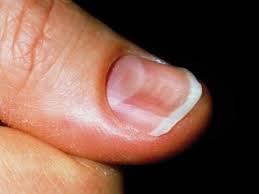
Examine your fingernails closely. If they are thin, brittle, easily broken, or curved upward like a spoon, this condition, known as koilonychia may indicate advanced iron deficiency. Spoon-shaped nails are one of the classic physical signs of low iron and often appear after other symptoms have been present for some time.
9. Hair Thinning or Excessive Shedding
Iron deficiency can push hair follicles into the resting phase, slowing new growth. This results in:
Noticeable hair shedding during brushing or washing
Diffuse thinning across the scalp
Slower regrowth and weaker hair strands
It’s an often-overlooked cause of hair loss, particularly in women, and may persist until iron levels are restored.
10. Sore, Swollen, or Smooth Tongue (Glossitis)
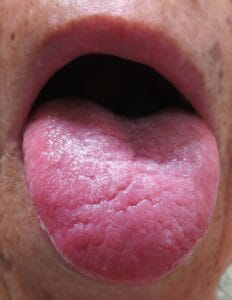
A tongue that appears smooth, shiny, or red instead of pink may signal iron deficiency. Some people experience pain or discomfort while eating spicy or salty foods. This condition, called glossitis, occurs because iron is necessary for healthy cell turnover, and low iron can cause inflammation and atrophy of the tongue’s surface.
11. Cracks at the Corners of the Mouth (Angular Cheilitis)
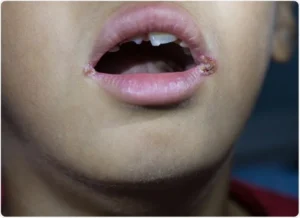
Painful cracks at the corners of the mouth, medically known as angular cheilitis or stomatitis, often indicate iron deficiency, but can also be linked to vitamin B deficiencies or weakened immunity. These cracks may appear repeatedly, even if you use lip balm or ointments, and can make talking, eating, or smiling uncomfortable.
12. Restless Leg Syndrome (RLS)
Do your legs feel uncomfortable at night, with creeping, crawling, or pulling sensations that make it hard to sleep? This is known as Restless Leg Syndrome (RLS), and it has a strong connection to iron deficiency, especially in women and pregnant individuals. Low iron levels in the brain may disrupt dopamine pathways, which contribute to the uncomfortable sensations. Many people experience dramatic relief once iron levels are restored under medical guidance.
13. Brain Fog and Poor Concentration
Iron deficiency can limit oxygen delivery to the brain, which may make it difficult to focus, retain information, or think clearly. This mental sluggishness often called brain fog can significantly affect productivity, decision-making, and emotional well-being. Tasks that were once simple may suddenly feel mentally exhausting.
14. Weird Taste Changes or Metallic Taste in the Mouth
Some people with iron deficiency notice a metallic taste, a loss of appetite, or altered perception of smells and flavors. These subtle changes can disrupt dietary habits, potentially worsening the deficiency if iron-rich foods are avoided or underconsumed.
15. Recurring Infections or Low Immunity
Iron is essential for healthy immune function. When levels are low, the body may struggle to fight off infections, leading to frequent colds, slow wound healing, or chronic mouth sores and ulcers. Even minor illnesses may last longer than usual.
16. Menstrual Irregularities or Heavy Bleeding
Heavy periods are both a cause and a consequence of iron deficiency. Excessive menstrual bleeding can deplete iron stores, while low iron levels may also disrupt hormonal balance, leading to longer, heavier, or more painful cycles. Tracking menstrual patterns alongside other symptoms can provide important clues.
17. Tired Eyes and Dark Circles
While iron deficiency may not directly cause under-eye circles, the combination of pale skin and persistent fatigue can make them more pronounced. They often appear alongside other subtle signs, serving as a visual cue that your body may be struggling.
How to Get Clues From At-Home Tools
These home-use checks aren’t as accurate as lab tests but can help you identify potential iron deficiency early:
Hemoglobin color scale test kits: inexpensive but have limited accuracy
Pulse oximeter: oxygen levels consistently below 94% warrant a doctor’s evaluation
Capillary refill test: press a fingernail until it blanches; color should return within 2 seconds. Slower refill may indicate poor circulation
Who’s Most at Risk for Iron Deficiency
If you notice multiple signs, your risk may be higher if you belong to any of the following groups:
Menstruating women
Pregnant or breastfeeding mothers
Vegetarians or vegans (plant-based iron is harder to absorb)
People with digestive issues such as IBS, celiac disease, or ulcers
Teen girls, due to growth and periods
Individuals on medications that affect absorption (e.g., PPIs, antacids)
What You Can Do Next (Before Seeing a Doctor)
1. Eat More Iron-Rich Foods
Heme iron (best absorbed): red meat, liver, poultry, seafood
Non-heme iron: lentils, spinach, tofu, pumpkin seeds, quinoa
Pair iron-rich foods with vitamin C sources like citrus, strawberries, or bell peppers to improve absorption. Avoid tea or coffee with meals, as they can block iron uptake.
2. Consider Iron Supplements (Only If Necessary)
If advised by a healthcare professional, gentle, doctor-approved options include:
Ferrous bisglycinate or carbonyl iron: less likely to cause constipation
Floradix liquid iron: a popular herbal iron tonic
Pairing supplements with vitamin C enhances absorption. Caution: never self-prescribe high-dose iron, excess iron can be toxic and harmful to organs.
When to See a Doctor
If you notice three or more of the signs listed above and feel persistently unwell, it’s time to seek medical evaluation. Early action can make a huge difference in both treatment and long-term health. A doctor can:
Order a complete blood count (CBC) to check your red blood cell levels
Test ferritin, iron saturation, and total iron-binding capacity (TIBC) to assess iron stores
Investigate underlying causes, such as chronic bleeding, dietary gaps, or absorption issues in the gut
Addressing iron deficiency early can prevent serious complications, including heart strain, severe fatigue, cognitive issues, or developmental delays in children. Don’t wait for the symptoms to worsen, your body often shows the warning signs before lab results do.
Final Thoughts
Iron deficiency can sneak up on you quietly and gradually. You don’t need a lab to start noticing when something’s off, your body is already talking and you need to listen.
From brittle nails and pale lips to brain fog and weird cravings, these signs are your internal warning lights. The earlier you act, the faster you can reverse the damage and get your energy and life back.
