
7 Ways Hormones Affect Headaches in Women and How to Stop Them
For many women, headaches do not arrive without warning, they show up at familiar times, before a period, after a sleepless night, during stressful weeks, or as the body moves through major hormonal changes. The pain may feel unpredictable, but the biology behind it often is not.
Female hormones play a direct role in how the brain processes pain. Shifts in estrogen, progesterone, cortisol, insulin, and thyroid hormones can lower pain thresholds, increase inflammation, and alter blood flow in the brain. When these shifts happen repeatedly, headaches follow clear patterns.
This is why women experience migraines and hormonally driven headaches far more often than men, the difference is not emotional, exaggerated, or imagined, it is rooted in physiology.
Understanding the hormonal connection turns headaches from a confusing problem into useful information. Instead of guessing, women can learn to recognize what their bodies are signaling and respond with targeted, effective strategies.
This article explains how hormones trigger headaches in women, how headache patterns change across different life stages, and what actually helps reduce their frequency and intensity.
Why Headaches Are More Common in Women
Headaches affect women more frequently and intensely than men, and the reason is deeply rooted in biology. The female endocrine system is dynamic, with hormone levels fluctuating monthly during the menstrual cycle and undergoing larger shifts during pregnancy, postpartum, and perimenopause. These hormonal changes influence the nervous system, blood vessel function, inflammation, and overall pain sensitivity.
Estrogen, progesterone, and other hormones interact directly with key neurotransmitters in the brain. Estrogen modulates serotonin, dopamine, and nitric oxide, which play central roles in regulating pain perception and vascular tone. Progesterone, on the other hand, enhances GABA, the brain’s primary calming neurotransmitter. When these systems are disrupted or imbalanced, the brain becomes more sensitive to pain signals, lowering the threshold for headache onset.
In contrast, men generally experience more stable hormone levels throughout the month, this relative hormonal consistency contributes to the gender gap in headache disorders. The fluctuating hormonal environment in women creates periods of increased vulnerability to migraines and other headache types.
Estrogen and Headaches
Estrogen is the most influential hormone affecting headache patterns in women. It impacts pain pathways by regulating blood vessel dilation, neurotransmitter release, and sensitivity to pain. Both high and low estrogen levels can influence headache risk, but the most significant trigger is often a rapid change in estrogen.
Elevated estrogen increases nitric oxide production, which can dilate blood vessels in the brain and trigger headaches in sensitive individuals. Conversely, low estrogen reduces serotonin availability, impairing the brain’s natural ability to modulate pain. This is why sudden drops in estrogen, rather than absolute levels, often precipitate headaches.
1. Estrogen Withdrawal Headaches:
The most common type of hormone-driven headache is triggered by estrogen withdrawal. These headaches typically occur when estrogen levels fall sharply, such as:
- In the days leading up to menstruation
- During the hormone-free week of combined oral contraceptives
- Immediately after childbirth
- During perimenopause
Estrogen withdrawal leads to a decrease in serotonin, destabilizing the brain’s pain regulation and increasing inflammation around cerebral blood vessels. The result is often a migraine or severe headache. Many women notice that headaches begin one to two days before menstruation, aligning precisely with the steep estrogen decline of the late luteal phase.
2. Menstrual Migraines:
Menstrual migraines represent a distinct subtype of migraine disorder with a clear hormonal trigger. These migraines generally occur between two days before and three days after the onset of menstruation. Compared to non-hormonal migraines, they are often more intense, last longer, and respond less predictably to standard pain medications.
While estrogen withdrawal is the primary trigger, prostaglandins produced during menstruation also contribute by promoting inflammation and heightening pain sensitivity. Common symptoms of menstrual migraines include:
- Pulsating or throbbing pain, typically on one side of the head
- Nausea and vomiting
- Heightened sensitivity to light and sound
- Neck stiffness and muscle tension
- Fatigue
Unlike stress-induced migraines, menstrual migraines follow a predictable pattern. This predictability allows for targeted prevention strategies, including medication timing and lifestyle interventions.
Progesterone and Headaches
Progesterone plays a stabilizing role in the brain, often referred to as the calming hormone. It enhances GABA activity, which reduces neuronal excitability and dampens pain signaling. When progesterone levels are adequate, the nervous system maintains a greater degree of stability, lowering headache risk.
When progesterone declines or becomes insufficient relative to estrogen, the risk of headaches increases. This imbalance can create a state known as estrogen dominance, which amplifies pain sensitivity, vascular reactivity, and inflammation.
1. Estrogen Dominance and Head Pain:
Estrogen dominance occurs when estrogen levels are high relative to progesterone. This does not necessarily indicate excessive estrogen; low progesterone can produce the same effect. Estrogen dominance heightens fluid retention, inflammation, and blood vessel sensitivity, intensifying both migraines and tension-type headaches.
Common signs of estrogen dominance include:
- Headaches before or during menstruation
- Breast tenderness or swelling
- Mood fluctuations, irritability, or anxiety
- Heavy or irregular menstrual bleeding
- Bloating and water retention
Progesterone naturally declines with age, stress, and ovulatory dysfunction, making estrogen dominance a frequent contributor to headaches in women over 35. Addressing this imbalance through lifestyle measures, hormone optimization, or medical intervention can significantly reduce headache frequency and severity.
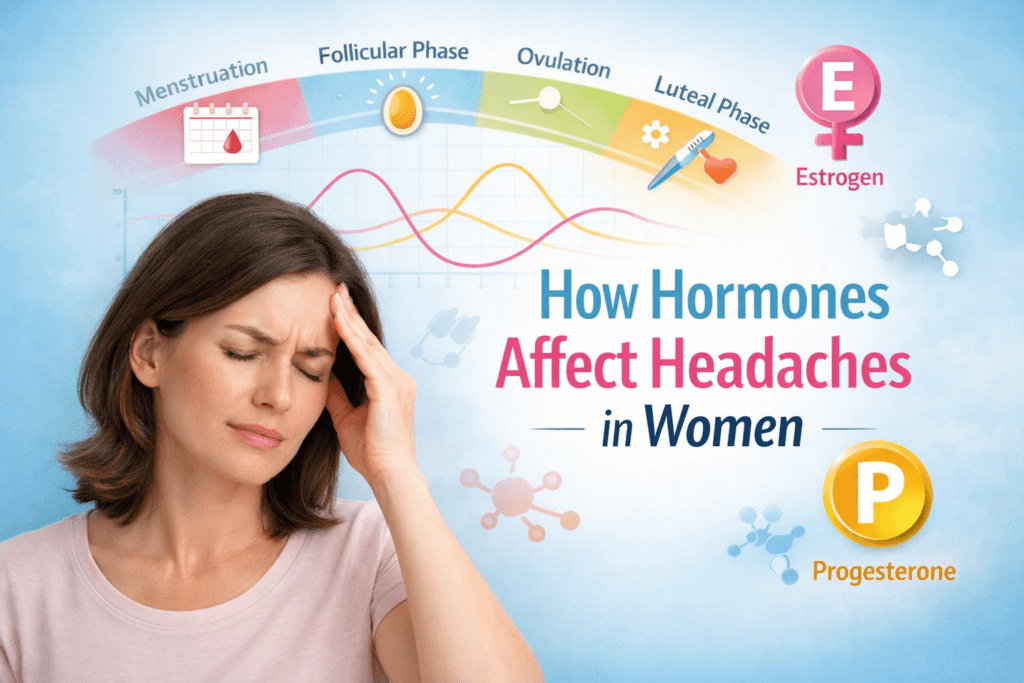
Hormonal Headaches Across the Menstrual Cycle
Hormonal fluctuations during the menstrual cycle are closely linked to headache patterns. Tracking headaches in relation to the cycle can help women pinpoint triggers and plan preventive strategies.
1. Follicular Phase:
The follicular phase begins immediately after menstruation and lasts until ovulation. During this period, estrogen gradually rises while progesterone remains low. For many women, this phase is associated with fewer headaches. Energy levels often improve, mood stabilizes, and pain sensitivity decreases. The more stable hormonal environment allows the nervous system to function with less excitability, reducing the likelihood of migraine or tension-type headaches.
2. Ovulation:
Estrogen peaks just before ovulation, producing a surge that can affect vascular tone and nitric oxide production in the brain. This increase can trigger headaches in sensitive individuals. Ovulation headaches often present as sharp, pulsating pain that may be mistaken for sinus pressure or tension headaches. Although these headaches are generally short-lived, they can be intense and interfere with daily activities.
3. Luteal Phase:
After ovulation, progesterone rises to balance the effects of estrogen. If progesterone levels are insufficient, relative estrogen dominance develops, creating an environment prone to headaches. Late luteal phase headaches are common, particularly in the days leading up to menstruation. These headaches are often moderate to severe, accompanied by mood changes, fatigue, and heightened sensitivity to stress.
4. Menstruation:
Menstruation brings a sharp drop in both estrogen and progesterone, accompanied by increased prostaglandin production. Prostaglandins promote inflammation and sensitize pain pathways, creating an ideal environment for migraines and severe headaches. Many women experience their most intense headaches during the first two days of their period, coinciding with this rapid hormonal decline.
Birth Control and Headaches
Hormonal contraceptives alter natural hormone rhythms, with variable effects on headaches. For some women, they stabilize hormone levels and reduce headache frequency. For others, they may exacerbate headaches, particularly during hormone-free intervals.
1. Combined Oral Contraceptives:
Combined oral contraceptives contain both estrogen and progestin. During the hormone-free or placebo week, the sudden drop in estrogen can trigger headaches. Some women develop new migraines after starting the pill, while others benefit from skipping placebo pills under medical guidance to maintain more consistent hormone levels. Women with a history of migraine with aura should exercise caution with estrogen-containing contraceptives due to a slightly increased risk of stroke.
2. Progestin-Only Methods:
Progestin-only pills, injections, and implants reduce fluctuations in estrogen, but they may suppress ovulation and lower natural progesterone production. The effect on headaches is highly individualized. Some women experience fewer headaches, while others may see an increase, particularly if progesterone levels remain low. Close monitoring with a healthcare provider is recommended to optimize headache management with these methods.
Pregnancy and Headaches:
Pregnancy is a period of dramatic hormonal change. Estrogen and progesterone rise steadily, particularly in the second and third trimesters, producing relative hormonal stability. Many women notice an improvement in migraine frequency and severity during this time because estrogen withdrawal, a primary migraine trigger is minimized.
However, some women may experience new or worsening headaches, especially in early pregnancy when hormone levels fluctuate rapidly. Common headache triggers during pregnancy include:
- Blood volume changes
- Blood pressure fluctuations
- Sleep disruption
- Dehydration
- Low blood sugar
Severe or sudden-onset headaches during pregnancy should always prompt immediate medical evaluation to rule out conditions like preeclampsia.
Postpartum Hormonal Headaches
After childbirth, estrogen and progesterone levels drop sharply, creating one of the most dramatic hormonal shifts in a woman’s life. Postpartum headaches are particularly common in the first two weeks after delivery. Sleep deprivation, stress, dehydration, and anemia amplify the risk.
Women with a history of migraines are at higher risk of postpartum recurrence. Breastfeeding prolongs low estrogen levels, which can delay the return of menstrual migraines for some women, while worsening headache severity for others. Understanding these patterns helps women anticipate and manage postpartum headaches effectively.
Perimenopause and Headaches
Perimenopause marks the transition to menopause and is one of the most challenging phases for hormone-related headaches. Estrogen levels fluctuate unpredictably, while progesterone declines more consistently. This hormonal volatility often increases the frequency and severity of migraines, tension-type headaches, and chronic daily headaches.
Women in this phase commonly report headaches that are:
- More frequent
- More severe
- Less predictable
- Accompanied by anxiety, irritability, or sleep disturbances
After menopause, headaches often improve as estrogen stabilizes at a low baseline. However, some women continue to experience migraines due to residual estrogen sensitivity, underlying metabolic issues, or hormonal replacement therapy.
Menopause and Headaches
After menopause, estrogen levels settle at a low but stable baseline. For many women, this stability reduces the frequency of migraines and hormonally triggered headaches. The sharp fluctuations that once precipitated migraines are no longer present, providing relief for many.
However, not all women experience improvement. Headaches may persist due to:
- Residual estrogen sensitivity, where the nervous system remains hyper-responsive to small hormonal changes
- Hormone replacement therapy (HRT), which can either alleviate or trigger headaches depending on dose, formulation, and delivery method
- Insulin resistance, which affects blood sugar stability and brain energy supply
- Thyroid dysfunction, with both hypo- and hyperthyroidism contributing to headache susceptibility
- Chronic stress, which interacts with the endocrine system to heighten pain sensitivity
HRT administration method matters. Transdermal estrogen, delivered through patches or gels, provides a more consistent hormone level and tends to cause fewer headaches compared to oral estrogen, which produces peaks and troughs in the bloodstream. Personalized medical guidance is essential to balance symptom relief with headache risk.
Other Hormones That Influence Headaches
While estrogen and progesterone are primary drivers, other hormones also play significant roles in headache susceptibility.
1. Cortisol:
Cortisol regulates the body’s response to stress. Chronic stress leads to dysregulated cortisol rhythms, increasing inflammation, muscle tension, and nervous system excitability. Women are particularly prone to stress-related headaches because cortisol interacts with estrogen and progesterone, amplifying vascular and neuronal sensitivity.
2. Insulin:
Fluctuations in blood sugar directly affect brain function and pain perception. Hypoglycemia and rapid swings in glucose can trigger headaches by reducing the energy supply to neurons. Estrogen influences insulin sensitivity, which can make women more susceptible to blood sugar–related headaches, especially during hormonal transitions.
3. Thyroid Hormones:
Both hypothyroidism and hyperthyroidism increase headache frequency. Thyroid disorders are more common in women and often coexist with migraines, contributing to chronic headache patterns if left untreated.
Reducing Hormone-Related Headaches
Hormonal headaches are manageable with proactive strategies that focus on stability rather than perfection. Effective approaches include:
- Tracking headaches alongside menstrual cycles to identify patterns and triggers
- Maintaining consistent sleep and meal schedules, which support hormonal balance and nervous system stability
- Managing stress proactively through mindfulness, relaxation techniques, or therapy
- Supporting progesterone production by maintaining ovulatory health and addressing hormonal imbalances
- Avoiding sudden estrogen withdrawal whenever possible, such as during contraceptive placebo periods or HRT adjustments
- Addressing insulin resistance and blood sugar swings through diet, exercise, and medical guidance
- Treating underlying thyroid disorders to restore metabolic and hormonal stability
Medical management may also be necessary for persistent headaches. Options include targeted migraine prevention medications, adjustments to hormonal therapy, or non-hormonal pain management strategies. Lifestyle interventions, however, often provide the most sustainable long-term benefit.
When to See a Doctor
While many hormonal headaches can be managed at home, professional evaluation is essential when headaches are:
- Sudden or severe in onset
- Increasing in frequency or intensity
- Accompanied by neurological symptoms such as vision changes, weakness, or numbness
- Disrupting daily life or functional ability
- Unresponsive to usual treatments or over-the-counter medications.
A healthcare provider can assess hormone patterns, screen for secondary causes, and develop an individualized plan that may include lifestyle strategies, hormonal therapy adjustments, or pharmacologic interventions.
Final Thoughts
Headaches in women are not simply inconvenient or random, they are messages from a body finely tuned to hormonal rhythms. By understanding how estrogen, progesterone, and other hormonal shifts influence pain pathways, women can begin to see headaches as signals rather than mere obstacles.
Hormonal awareness allows women to anticipate patterns, implement preventive strategies, and respond proactively rather than reactively. From tracking cycles and managing stress to optimizing hormone balance and addressing underlying metabolic issues, the focus shifts from temporary relief to long-term control.
Pain is information, not an enemy. When its source is understood, women gain clarity, empowerment, and the ability to reduce headaches before they start. Listening to the body’s hormonal cues is the first step toward lasting relief and better overall health.
👩⚕️ Need Personalized Health Advice?
Get expert guidance tailored to your unique health concerns through MuseCare Consult. Our licensed doctors are here to help you understand your symptoms, medications, and lab results—confidentially and affordably.
👉 Book a MuseCare Consult NowMust Read:
- The Complete Guide to Headache and Migraine: 7 Causes, Prevention & Treatment
- 7 Proven Non-Medication Techniques for Migraine Relief That Actually Work
- 7 Powerful Ways Stress Causes Headaches and How to Stop Them
- When Headaches Signal Something Serious: 10 Warning Signs You Should Never Ignore
- 17 Powerful Foods That Trigger Migraines and How to Avoid Them Naturally

Dr. Ijasusi Bamidele, MBBS (Binzhou Medical University, China), is a medical doctor with 5 years of clinical experience and founder of MyMedicalMuse.com, a subsidiary of Delimann Limited. As a health content writer for audiences in the USA, Canada, and Europe, Dr. Ijasusi helps readers understand complex health conditions, recognize why they have certain symptoms, and apply practical lifestyle modifications to improve well-being