
You know that moment, you feel the urge to pee, but you tell yourself “I’ll go later”. Maybe you’re stuck in traffic, deep into a movie, buried in work or simply too tired to get up. Nothing bad happens. No pain, no explosion. The discomfort fades and you move on. So you think maybe it’s not a big deal.
And in truth, occasionally delaying a bathroom break isn’t harmful. Your bladder is designed to wait sometimes. but what happens when “sometimes” becomes often? When ignoring those signals becomes a habit, something you do almost every day? That’s where the real story begins.
This isn’t about exaggeration or scare tactics. It’s about what actually happens inside when you keep telling your body “not now” , when its signal for relief becomes an inconvenience rather than a biological priority. Over time, that quiet signal you ignore can turn into silent strain on your bladder, pelvic floor, urinary tract and even kidneys.
This article isn’t here to scare you. It’s here to explain the truth clearly, medically and practically: what happens when you hold your pee too long, who is most at risk and how to protect your bladder before it starts fighting back.
How the Urinary System Works
Your kidneys are always working behind the scenes, continuously filtering your blood to remove waste products, excess water and minerals. These substances combine to form urine. From the kidneys, urine flows through two narrow tubes called ureters, which deliver it into the bladder, a muscular, expandable storage organ located in your lower abdomen.
The bladder is designed to store urine safely for a period of time. In a healthy adult, it can comfortably hold around 300 to 500 milliliters (about 1 to 2 cups). Once the bladder fills past a certain point, tiny stretch-sensitive nerves embedded in the bladder wall detect the increase in volume and begin sending signals to the brain.
This communication creates the familiar sensation: “I need to pee”
At this point, your brain has two choices.
- If it’s an appropriate time, the brain relaxes the pelvic floor and sphincter muscles, allowing urine to flow out through the urethra.
- If it’s not convenient, the brain sends signals to keep those sphincter muscles contracted, essentially telling the bladder to hold it.
This ability to delay urination is normal and built into how the human body works. But the urge you feel is not a suggestion, it is a biological alert. Your body is signaling that the bladder has reached a functional limit and is asking to empty. Ignoring this message repeatedly can have consequences.
What Happens When You Hold Your Pee
Holding your urine briefly is usually harmless but consistently delaying it, especially after the bladder sends strong urge signals, triggers a cascade of physical responses and eventually, stress on the urinary system.
When you ignore the urge, several things happen inside your body:
- The detrusor muscle (the muscle that surrounds the bladder) relaxes further to make more room.
- The urinary sphincters tighten to prevent leakage.
- You may also unconsciously engage your pelvic floor muscles, thighs and abdominal muscles to suppress the urge.
These actions help you stay continent. But they are only meant to work for a limited period of time not for hours, and not habitually.
What Happens as You Continue Holding
Your bladder doesn’t go from “fine” to “damaged” immediately. There are progressive stages and each one matters.
Early Stage: Growing Awareness
You feel a mild urge, a subtle fullness or pressure in the lower abdomen. At this stage, there is no meaningful harm. This is your bladder communicating gently.
Mid-Stage: Stronger Signals, Increasing Stretch
The bladder keeps filling, now the stretch receptors send stronger signals. You feel a more intense pressure or even discomfort. You become more aware of your pelvic muscles clenching to hold urine in. The bladder is still functioning normally, but it is nearing its designed capacity.
Late Stage: Overstretching Begins
If you consciously continue holding past this stage, especially when the urge becomes strong or even uncomfortable, your bladder begins to stretch beyond its natural limit.
This is where problems begin.
- The detrusor muscle becomes overstretched, similar to overstretching a rubber band.
- Over time, repeatedly pushing it past its limit can weaken the bladder muscle, making it less efficient at contracting when it is time to empty.
- The bladder may stop emptying completely, leading to urinary retention, a condition where some urine always remains inside even after you urinate.
- The bladder’s nerve signaling may become less accurate, making you less sensitive to fullness, which can create a cycle of unintentional holding.
At this point, holding your pee is no longer simply uncomfortable. It becomes biologically stressful and potentially harmful.
Holding urine occasionally is fine, we all do it but when you do it repeatedly, for long periods or as a habit, you are not just resisting the urge. You are forcing a muscular organ to perform beyond its natural limits, weakening it over time.
That’s when a harmless bathroom delay starts becoming a health risk.
Why Holding Your Pee for Too Long Can Be a Problem
Occasionally delaying urination is generally harmless. Everyone does it from time to time, stuck in traffic, during a meeting or in other inconvenient situations. The problem arises when holding your urine becomes a frequent habit or when you consistently ignore your body’s signals for long periods. Repeatedly doing this can have a range of short and long-term consequences for your bladder, urinary tract, pelvic floor and even your kidneys.
Here are the main reasons why consistently holding your pee is problematic:
1. Increased Risk of Urinary Tract Infections (UTIs)
Under normal conditions, urine is sterile, meaning it contains no bacteria. However, when urine stays in the bladder for extended periods, any bacteria that have entered the urinary tract from the urethra can multiply. The bladder then becomes a warm, stagnant environment that encourages bacterial growth.
This can lead to urinary tract infections, which may affect just the bladder (cystitis) or, in more serious cases, travel upward to the kidneys (pyelonephritis). Common symptoms include burning or painful urination, cloudy or foul-smelling urine, pelvic discomfort, frequent urges to urinate and sometimes fever.
Women are more susceptible due to a shorter urethra, which allows bacteria easier access to the bladder. Men, particularly older men with prostate enlargement, are also at risk, especially if urine is frequently retained for long periods.
2. Bladder Muscle Weakness and Stretch Damage
Your bladder is a muscular organ, and like any muscle, it has limits. Overfilling and repeatedly stretching it can weaken its walls and reduce elasticity over time.
A chronically overstretched bladder may struggle to contract fully, making it harder to empty completely. This condition, known as urinary retention, leaves residual urine in the bladder, which increases the likelihood of infection. Over time, the bladder may also become less sensitive to signals from its stretch receptors, meaning you may no longer notice when it is full. This combination of muscle and nerve changes can have lasting effects on bladder function.
3. Pelvic Floor Dysfunction and Leakage Risk
The pelvic floor muscles play a key role in controlling urination. When the bladder fills, these muscles contract to prevent urine from leaking. Occasionally engaging these muscles is normal, but frequently resisting the urge to urinate can overwork them.
Over time, these muscles can become tight, imbalanced or fatigued, which may lead to stress incontinence leakage during activities such as laughing, coughing or exercising. Chronic pelvic floor tension can also cause pelvic pain, difficulty fully relaxing during urination and discomfort in the lower abdomen or groin area.
4. Backflow of Urine and Kidney Stress
If bladder pressure rises too high due to prolonged retention, urine can sometimes flow backward toward the kidneys, a condition called vesicoureteral reflux. Repeated backflow can damage the delicate tissues of the kidneys, which are not designed to withstand that pressure.
Although this is less common, it is a serious risk, particularly for people with prostate enlargement, urinary tract obstructions, neurogenic bladder issues or chronic retention. Even in otherwise healthy individuals, habitually pushing the bladder beyond its limit increases the risk over time.
5. Bladder Stones
Urine contains minerals such as calcium and uric acid. When urine remains in the bladder too long, these minerals can crystallize and form bladder stones.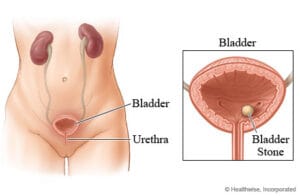
Bladder stones can irritate the bladder lining, cause pain, trigger infections, and sometimes block urine flow. In many cases, medical intervention is required to remove them, especially if they grow large or cause repeated urinary problems.
6. Discomfort, Anxiety and Reduced Focus
While the physical risks are more widely discussed, the mental and emotional impact of holding your urine is often underestimated.
Ignoring the urge to urinate requires constant muscle engagement and conscious effort, which can create tension throughout your abdomen and pelvic region. The persistent discomfort can be distracting, reduce concentration and cause irritability. In situations like work, studying, or long drives, this mental strain can affect performance and overall well-being.
In short, occasionally holding your urine is normal and safe. But repeatedly resisting the urge especially when it becomes uncomfortable, creates stress on multiple parts of your urinary system. Over time, this can lead to infections, muscle and nerve changes, pelvic floor issues, kidney strain and even bladder stones, alongside mental discomfort.
Respecting your body’s signals and not making a habit of prolonged holding is the simplest way to protect both your bladder and overall health.
How Long Can You Safely Hold Your Pee?
There isn’t a universal “safe” time for holding urine because it depends on several factors, including hydration, bladder size and capacity, age and overall health. On average, a healthy adult’s bladder will signal the need to urinate every three to four hours. Occasional delays of one to two hours after the first urge are typically harmless.
Problems arise when you consistently postpone urination for long periods, such as five, six or more hours, particularly if discomfort or pressure sets in. Regularly ignoring these signals forces the bladder to stretch repeatedly, which can lead to weakening of its muscles and nerves, incomplete emptying, and other complications.
Signs that you might be pushing your bladder too far include a strong urge that becomes painful or overwhelming, pressure or aching in the lower abdomen, difficulty relaxing your muscles when you finally attempt to urinate, the feeling that you cannot fully empty your bladder and occasional leakage before reaching a bathroom. Experiencing these sensations often indicates that your bladder is under strain and that delaying urination is becoming harmful.
Who Is More Vulnerable to Complications?
Most healthy adults can safely hold their urine occasionally without any long-term consequences. However, certain groups are more susceptible to issues arising from repeated or prolonged delays. Older adults, particularly men with prostate enlargement or weaker bladder muscles, face a higher risk. Pregnant women are also vulnerable because the growing baby places pressure on the bladder and hormonal changes can slow emptying.
People with diabetes are at increased risk of urinary tract infections because sugar in the urine promotes bacterial growth. Anyone whose work or lifestyle limits bathroom access, such as office workers, drivers, teachers, nurses and factory employees, is more likely to experience complications. Individuals with overactive bladder, neurogenic bladder or a history of urinary retention are also at greater risk, as are those who consume large amounts of caffeine, alcohol or carbonated beverages, which can irritate the bladder and increase urine production.
Frequently Asked Questions
Many people wonder if extreme scenarios can occur.
- Can your bladder actually burst from holding urine too long? In healthy individuals, this is extremely rare. Your body typically produces discomfort long before the bladder could rupture. Bladder rupture is only a concern in unusual cases involving trauma, blockages, nerve damage or severe alcohol intoxication. For most people, the real risks come from repeated stretching and infections, not an immediate catastrophic failure.
- Is posture a factor? Holding urine while sitting, especially with legs crossed, can increase pelvic and bladder pressure slightly, but the greater concern remains the length of time urine is held, rather than position.
- Can holding urine affect sexual health? Indirectly, yes. Chronic tension in the pelvic floor, bladder inflammation, or long-term muscle strain can lead to discomfort during sexual activity, pelvic pain, or reduced sensation.
Practical Advice for Protecting Your Bladder
First, avoid straining to urinate. Urination should be effortless, if you need to push or strain, this could indicate a medical problem that requires attention.
Avoid peeing “just in case” too frequently unless medically necessary, as this can train your bladder to tolerate only small amounts of urine, potentially increasing urgency problems. At the same time, don’t ignore frequent urges or sensations of discomfort.
Maintaining proper hydration is important, but excessive consumption of caffeine, energy drinks, alcohol or carbonated beverages can irritate the bladder and increase the need to urinate. If your workplace or lifestyle limits access to restrooms, it’s important to advocate for reasonable breaks. Protecting your bladder is a matter of health, not convenience.
Strengthening your pelvic floor muscles through safe exercises, such as Kegels, can improve bladder control, but avoid constantly clenching these muscles to resist urination, which can lead to fatigue and dysfunction. If you notice frequent urinary tract infections, difficulty emptying your bladder, persistent pelvic discomfort or weak urine flow, consult a doctor promptly.
When Holding Pee Becomes a Habit
If delaying urination becomes a daily routine, you are effectively training your bladder to tolerate discomfort while ignoring its natural signals. Over time, this can impair the bladder’s ability to contract fully, weaken its muscles, reduce sensitivity to fullness and increase the risk of urinary retention, infections, pelvic floor dysfunction and even kidney complications.
Respecting your bladder’s signals doesn’t mean rushing to the bathroom at every mild urge. It means avoiding a pattern of consistently resisting strong urges or pushing your bladder beyond comfortable limits. By listening to your body and responding appropriately, you protect the long-term health of your urinary system.
Final Words
Occasionally holding your urine is something your body can handle. The bladder is built to store urine temporarily, and it can tolerate short delays when life gets in the way but when you repeatedly ignore the urge to urinate especially until it becomes uncomfortable, you’re not just postponing a bathroom trip. You’re putting unnecessary stress on your bladder muscles, your urinary tract, your pelvic floor, and, in severe cases, even your kidneys.
Over time, this pattern can lead to real consequences, weakened bladder function, increased risk of infections, difficulty fully emptying your bladder, muscle strain and even a reduced ability to feel normal signals from your body. These changes don’t happen suddenly but they do happen silently.
Your bladder is designed to store but not hoard waste. Respecting natural urges is not about alarm or exaggeration, it’s about preserving function now so it continues working well later. When your body speaks, don’t train yourself to silence it. Listen.

Dr. Ijasusi Bamidele, MBBS (Binzhou Medical University, China), is a medical doctor with 5 years of clinical experience and founder of MyMedicalMuse.com, a subsidiary of Delimann Limited. As a health content writer for audiences in the USA, Canada, and Europe, Dr. Ijasusi helps readers understand complex health conditions, recognize why they have certain symptoms, and apply practical lifestyle modifications to improve well-being