Ever feel like your food just sits in your stomach long after you finish eating? That heavy, bloated, sluggish feeling is not normal, and it is not something you have to live with. When digestion slows down, your entire body feels it, from discomfort and gas to acid reflux and post meal fatigue.
The good news is that digestion is not just about enzymes or supplements. What you eat can either slow your gut to a crawl or help it move efficiently. Certain foods actively support stomach acid, digestive enzymes, gut motility, and beneficial bacteria.
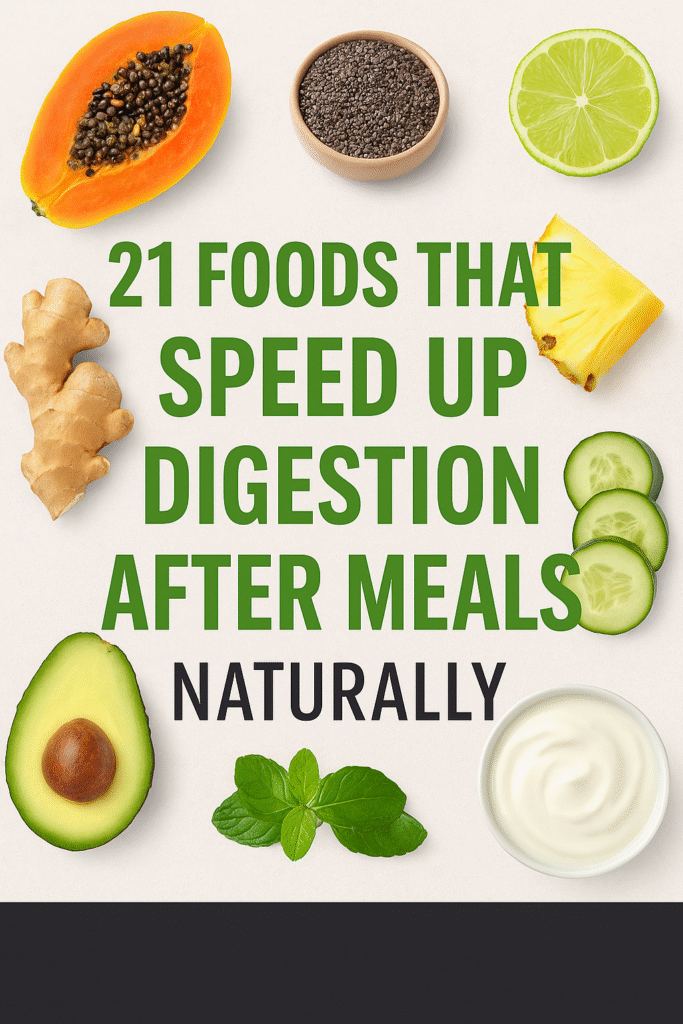
In this article, we will explore 21 scientifically backed foods that help speed up digestion after meals, reduce bloating, and support smoother, more comfortable gut function naturally.
Table of Contents:
Why Digestion Slows After Eating
After you eat, your body naturally redirects blood flow toward the stomach and intestines to support digestion and nutrient absorption. This process requires adequate stomach acid, digestive enzymes, hydration, and a calm nervous system. When any of these are compromised, digestion slows down.
Poor food choices, chronic stress, dehydration, and low stomach acid are common reasons food sits in the stomach longer than it should. Large portions, heavy meals, and high fat foods take longer to break down and place additional strain on the digestive system. Eating too quickly or not chewing thoroughly can also interfere with proper digestion.
When digestion slows, symptoms such as bloating, gas, acid reflux, fullness, and post meal fatigue often appear. These signs are not random, they indicate that your digestive system is struggling to keep up with the load placed on it.
How Food Can Help Improve Digestion
Food plays a direct role in how efficiently your digestive system functions. Certain foods naturally stimulate stomach acid, bile release, and digestive enzyme activity, which helps break food down more effectively. Others support the movement of food through the gut and reduce irritation in the digestive lining.
Enzyme rich fruits assist with protein digestion. Fermented foods introduce beneficial bacteria that enhance nutrient absorption and reduce bloating. Fiber rich foods regulate gut motility and prevent food from lingering too long in the stomach or intestines. Phytonutrients in herbs and plants further support digestive secretions and gut balance.
When digestion friendly foods are included regularly, many people notice less heaviness after meals, improved energy levels, and fewer digestive discomforts.
21 Foods That Speed Up Digestion
1. Pineapple
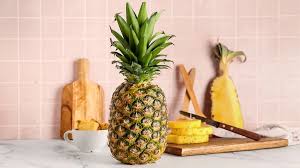
Pineapple contains bromelain, a powerful enzyme that helps break down protein and reduce inflammation in the digestive tract. It is most effective when eaten fresh. A few slices after heavy meals can help reduce fullness and bloating.
2. Papaya
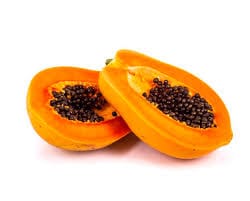
Papaya contains papain, another enzyme that supports protein digestion and soothes the stomach. It is best eaten ripe and raw, particularly after meals that include meat or rich foods.
3. Ginger
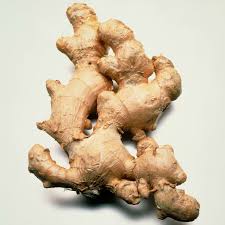
Ginger increases stomach acid, bile flow, and digestive enzyme production, allowing food to move through the digestive system more efficiently. Ginger tea after meals or chewing a small slice of fresh ginger can ease bloating and nausea.
4. Fennel Seeds
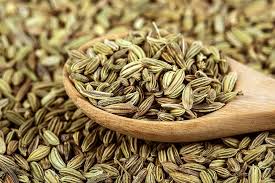
Fennel seeds help relax the muscles of the digestive tract, making them especially effective for relieving bloating and trapped gas. Chew half a teaspoon after meals or brew them into a warm tea.
5. Kefir
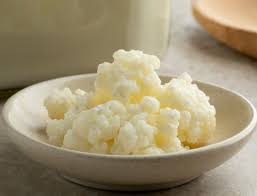
Kefir is a fermented drink rich in probiotics that support healthy gut bacteria and improve digestion. Drinking about half a cup after meals can enhance enzyme activity and nutrient absorption.
6. Yogurt with Live Cultures

Yogurt containing live cultures such as Lactobacillus and Bifidobacterium helps maintain gut balance and digestive efficiency. Choose plain Greek yogurt and avoid added sugars. Sweeten naturally with fruit or honey if needed.
7. Sauerkraut

Sauerkraut is fermented cabbage packed with probiotics and digestive enzymes. Adding one to two tablespoons as a side dish can support digestion and reduce bloating.
8. Kimchi

Kimchi provides probiotics, fiber, and natural acids that stimulate digestion and improve gut motility. Small portions are sufficient to support digestive health.
9. Bone Broth
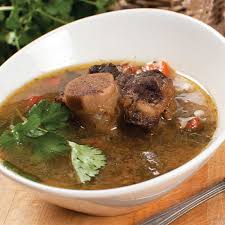
Bone broth contains gelatin and amino acids that help soothe the gut lining and support stomach acid production. Sip it warm or use it as a base for soups.
10. Peppermint
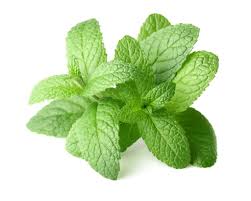
Peppermint helps relax digestive muscles and reduce spasms that slow digestion. Peppermint tea after meals is effective for bloating and abdominal discomfort. Enteric coated peppermint oil capsules may also help some people.
11. Chia Seeds
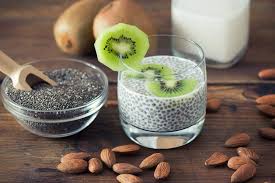
Chia seeds are rich in soluble fiber that absorbs water and forms a gel-like texture in the digestive tract. This helps soften stool, support regular bowel movements, and prevent food from lingering too long in the gut. For best results, soak one tablespoon in water or plant based milk for 10 to 15 minutes before consuming to reduce bloating.
12. Apples
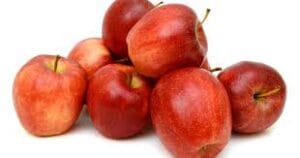
Apples are packed with pectin, a soluble fiber that supports gut bacteria and improves stool consistency. Pectin helps regulate digestion by slowing food movement when digestion is too fast and speeding it up when digestion is sluggish. Eat apples with the peel on to maximize fiber benefits.
Also read: Health Benefits of Apple
13. Oats
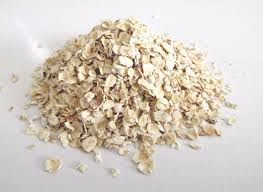
Oats are an excellent source of soluble fiber that feeds beneficial gut bacteria and promotes digestive regularity. They help stabilize digestion without irritating the stomach. Overnight oats or warm oatmeal with cinnamon are gentle options for most people.
14. Leafy Greens
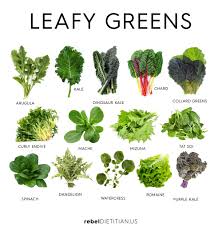
Leafy greens such as spinach, kale, and collard greens provide fiber and magnesium, both of which are essential for healthy gut motility. Magnesium helps relax intestinal muscles, making bowel movements easier. Lightly steaming greens improves digestibility and reduces bloating.
15. Lemon Water

Lemon water stimulates bile release and stomach acid production, both of which are necessary for breaking down fats and proteins. Drinking warm lemon water before or after meals can help digestion feel lighter and more efficient.
16. Avocados
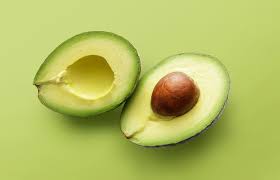
Avocados are rich in fiber and healthy fats that support smooth intestinal movement and bile flow. They help prevent constipation without irritating the gut. Avocados can be mashed on toast, added to salads, or blended into smoothies.
17. Beets
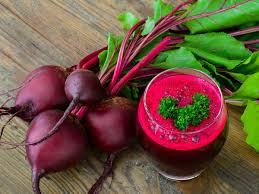
Beets support liver function and bile production, which play a key role in fat digestion. They also provide fiber that helps regulate bowel movements. Beets can be eaten roasted, grated raw, or blended into juice for digestive support.
18. Cucumber
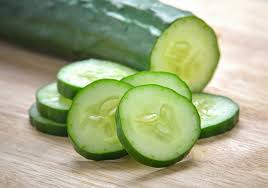
Cucumbers are highly hydrating and soothing to the digestive tract. Their water content helps prevent constipation and supports waste movement through the intestines. Eat them sliced raw, added to salads, or infused in water.
19. Zucchini
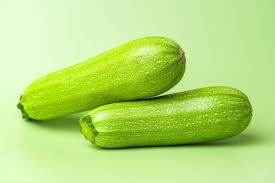
Zucchini is a low FODMAP vegetable that is gentle on the gut and easy to digest. It contains fiber and water that support digestion without causing bloating. Lightly sauté it or spiralize it into pasta for a digestion friendly meal.
20. Fermented Pickles
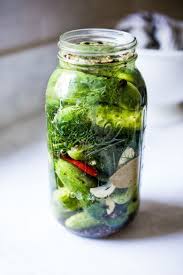
True fermented pickles contain live probiotics that support gut bacteria balance and digestive efficiency. These probiotics help reduce bloating and improve nutrient absorption. Choose refrigerated, unpasteurized pickles rather than vinegar based varieties.
21. Watermelon
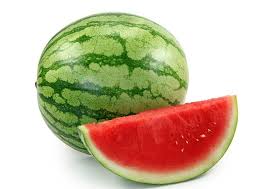
Watermelon has a high water content and contains amino acids such as citrulline that support smooth digestion and circulation. It is light on the stomach and works well as a refreshing post meal snack or dessert.
Tips to Support Digestion After Meals
- Chew your food thoroughly, digestion starts in the mouth.
- Don’t lie down after eating, stay upright for at least 30-60 minutes.
- Take a walk, even a 10-minute stroll helps food move
- Hydrate between meals, not during them.
- Don’t overeat, stop when you’re about 80% full.
- Keep stress low while eating your gut works best in a relaxed state
When to See a Doctor
While slow digestion is often a lifestyle issue, you should consult a professional if you experience:
- Chronic bloating or gas
- Constant constipation or diarrhea
- Heartburn that doesn’t improve
- Nausea or vomiting after meals
- Unexplained weight loss
- Black or bloody stools
These may signal conditions like gastroparesis, SIBO, or digestive autoimmune disorders.
Tips to Support Digestion After Meals
Supporting digestion is not only about what you eat but also how you eat. Small daily habits can make a noticeable difference in how your gut processes food.
Chew your food thoroughly. Digestion begins in the mouth, where enzymes in saliva start breaking down carbohydrates. Poor chewing forces your stomach to work harder and slows the entire process.
Avoid lying down immediately after eating. Staying upright for at least 30 to 60 minutes helps gravity move food through the digestive tract and reduces reflux and bloating.
Take a short walk after meals. Even a gentle 10 minute stroll stimulates gut motility and encourages food to move along instead of sitting heavily in the stomach.
Hydrate between meals rather than during them. Drinking large amounts of water with meals can dilute stomach acid, especially in people who already have low acid levels.
Avoid overeating. Stop eating when you feel about 80 percent full. Overloading the stomach stretches it beyond comfort and slows digestion significantly.
Keep stress low while eating. Stress shuts down digestive processes by activating the fight or flight response. Eat slowly, sit down, and avoid distractions to support optimal digestion.
When to See a Doctor
Occasional bloating or heaviness after meals is common. Persistent or worsening symptoms are not.
You should consult a healthcare professional if you experience:
Chronic bloating or excessive gas
Persistent constipation or ongoing diarrhea
Heartburn that does not improve with dietary changes
Nausea or vomiting after meals
Unexplained weight loss
Black or bloody stools
These symptoms may point to underlying conditions such as gastroparesis, small intestinal bacterial overgrowth, inflammatory bowel disease, or autoimmune digestive disorders. Early evaluation helps prevent complications and ensures appropriate treatment.
Final Thoughts
That heavy, uncomfortable feeling after meals is not something you have to accept as normal. Your gut is constantly responding to what you eat, how you eat, and the environment you create around meals.
By choosing digestion supporting foods, slowing down, and paying attention to your body’s signals, you can help food move more efficiently, reduce bloating, and regain steady energy after eating.
There is no single perfect diet for everyone, experiment thoughtfully, notice what helps and what does not, and build habits that support your digestion long term. When your gut feels supported, everything else tends to work better too.

Dr. Ijasusi Bamidele, MBBS (Binzhou Medical University, China), is a medical doctor with 5 years of clinical experience and founder of MyMedicalMuse.com, a subsidiary of Delimann Limited. As a health content writer for audiences in the USA, Canada, and Europe, Dr. Ijasusi helps readers understand complex health conditions, recognize why they have certain symptoms, and apply practical lifestyle modifications to improve well-being