
⚠️ Affiliate Disclaimer: This post may contain affiliate links, which means I may earn a small commission — at no extra cost to you — if you make a purchase through one of these links. I only recommend products or services I genuinely trust and believe can provide value. Thank you for supporting My Medical Muse!
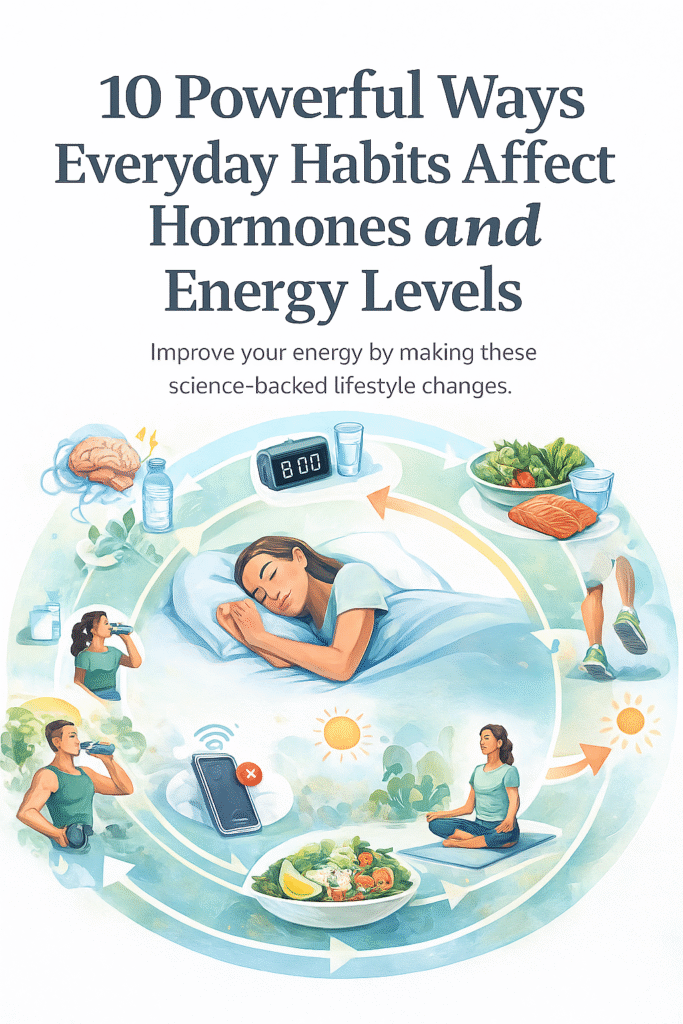
10 Powerful Ways Everyday Habits Affect Your Hormones and Energy Levels
Most people assume hormonal imbalance is tied to major medical problems like thyroid disorders, reproductive issues, or aging but the reality is simpler, your hormones shift every day in response to the habits you repeat.
If you wake up tired, crash mid-day, feel wired at night, struggle with cravings, gain weight easily, experience irritability, or deal with persistent brain fog, your hormones are not acting randomly. They are reacting to your lifestyle with precision.
Your endocrine system responds to how you sleep, how regularly you eat, what you eat, your stress load, how much you move, how long you sit, your screen exposure, your breathing patterns, emotional state, social interactions, sunlight exposure, and hydration levels. Every one of these habits sends a signal that either supports balance or disrupts it.
People often blame aging, stress, or genetics for low energy and hormonal symptoms, but your daily choices influence these systems far more than most realize. Small, consistent behaviors recalibrate hormones constantly for better or worse.
Because energy is produced through hormonal pathways, any imbalance eventually shows up in how you feel.
This guide explains how everyday habits influence key hormones including cortisol, insulin, thyroid hormones, sex hormones, leptin, ghrelin, and melatonin and how these changes shape your energy, mood, metabolism, appetite, sleep, stress resilience, mental clarity, and long-term health.
By the end, you’ll know exactly which habits stabilize your hormones and which ones drain them.
1. Sleep Habits: The Foundation of Hormonal Stability
Sleep is the primary controller of your hormonal timing. When sleep is consistent and aligned with your circadian rhythm, your endocrine system stays regulated. When sleep is short, irregular, or disrupted, hormonal timing breaks down, pushing the body into a stress-dominant state that drains energy.
Sleep Regulates Over 10 Major Hormones
One poor night affects hormones tied to appetite, metabolism, blood sugar, stress, and recovery. Repeated sleep loss leads to predictable outcomes: low morning energy, afternoon crashes, cravings, irritability, weight fluctuations, and reduced concentration.
Key Hormones Affected by Sleep
- Cortisol
- Insulin
- Ghrelin and Leptin
- Thyroid hormones (T3, T4)
- Growth hormone
- Melatonin
- Estrogen, progesterone, testosterone
All of these run on daily cycles. Sleep is the mechanism that sets and maintains those cycles.
How Sleep Directly Shapes Energy
Cortisol resets overnight.
When sleep is weak, cortisol remains high in the morning causing heaviness, slow thinking, and poor focus. Energy becomes inconsistent throughout the day.
Insulin sensitivity improves during sleep.
A sleep-deprived body behaves like a prediabetic body. Reduced insulin sensitivity leads to unstable blood sugar, cravings, and sudden dips in energy.
Ghrelin rises and leptin falls with sleep loss.
This increases hunger, weakens satiety after meals, and increases attraction to calorie-dense foods.
Melatonin does far more than regulate sleep.
It influences reproductive hormones, inflammation, antioxidant activity, and mitochondrial performance. Nighttime screen exposure suppresses melatonin and disrupts your internal clock.
Simple Sleep Habits That Improve Hormonal Balance
- Keep bedtime and wake time consistent.
- Stop screens at least one hour before bed.
- Dim indoor lighting in the evening.
- Get bright outdoor light within 30 minutes of waking.
- Avoid afternoon caffeine.
These changes alone can normalize cortisol, stabilize energy, and improve metabolic function within days.
2. Stress Habits: Your Daily Cortisol Dose Determines Your Energy
Cortisol keeps you alert and functional, but constant low-grade stress keeps it elevated. The issue isn’t cortisol itself, it’s never getting relief from it. Modern habits push your nervous system into a chronic activation mode that disrupts energy, mood, and hormonal balance.
Daily Stressors That Elevate Cortisol
- Constant phone notifications
- Long work hours or mental overload
- Skipping meals
- Rumination and worry
- High-sugar intake or heavy caffeine use
- Excess screen time
- Conflict or overstimulation
- Lack of rest or quiet time
You may not feel stressed, but your body responds to these inputs the same way.
Effects of Chronically Elevated Cortisol
- Increased abdominal fat
- Strong sugar cravings
- Brain fog and reduced focus
- Trouble falling or staying asleep
- Reduced progesterone (women)
- Disrupted estrogen and PMS symptoms
- Lower testosterone (men)
- Slowed thyroid function
- Emotional exhaustion and burnout
Cortisol directly competes with progesterone in women, contributing to irregular cycles and mood instability. In men, chronic stress suppresses testosterone production.
What a Healthy Cortisol Curve Should Look Like
- Highest: early morning
- Steady decline: midday to afternoon
- Lowest: evening
This pattern supports stable daytime energy and restful nighttime sleep. When the curve is flat or reversed, energy becomes unpredictable.
Habits That Lower Cortisol Fast
- Slow breathing for a few minutes
- A short walk outdoors
- Writing down thoughts to unload mental pressure
- Reducing unnecessary commitments
- Eating a protein-rich breakfast
- Cutting down caffeine dependence
Lowering your mental and physiological load allows cortisol to normalize, restoring stable energy.
3. Eating Habits: The Most Direct Way You Influence Hormones
Every meal triggers a hormonal response. Food is not just fuel, it’s a set of chemical instructions telling your body how to manage energy, burn fat, regulate appetite, and repair itself. How, when, and what you eat directly affects your hormonal balance.
Key Hormones Influenced by Food
- Insulin
- Glucagon
- Ghrelin and leptin
- Thyroid hormones
- Estrogen metabolism
- Cortisol
- GLP-1
These hormones respond immediately to your food choices and eating patterns.
How Skipping Meals Disrupts Hormones
Irregular eating or skipping meals raises cortisol to maintain blood sugar. The result: unstable energy, cravings, poor focus, and overeating later. Over time, your body adapts by storing fat and conserving energy.
Sugar and Refined Carbs Create Hormonal Chaos
Highly processed foods spike insulin, followed by rapid crashes. This leads to cravings, fatigue, insulin resistance, abdominal fat accumulation, chronic inflammation, and metabolic stress. Over time, repeated sugar swings drain energy and destabilize mood.
Protein Supports Hormonal Stability
Protein regulates appetite, mood, metabolism, and energy. Adequate protein:
- Signals fullness and reduces cravings
- Stabilizes blood sugar
- Supports thyroid hormone production for energy and metabolic efficiency
- Provides amino acids for neurotransmitters (dopamine, serotonin, norepinephrine) that regulate motivation, focus, and mood
Low-protein diets lead to fatigue, irritability, cravings, slower recovery, and weaker hormonal balance.
Fiber Supports Estrogen and Gut Hormones
Fiber binds excess estrogen and supports elimination, preventing estrogen dominance. It also feeds gut bacteria, producing short-chain fatty acids (SCFAs) that reduce inflammation, improve insulin sensitivity, and regulate appetite via GLP-1. Low fiber intake destabilizes energy, increases cravings, and promotes inflammation.
Meal Habits That Improve Hormones
- Eat within 1-2 hours of waking to stabilize cortisol and blood sugar
- Include protein at every meal
- Combine protein, fiber, and healthy fats for sustained energy
- Limit ultra-processed foods
- Avoid late-night heavy meals
- Drink water consistently throughout the day
These adjustments support steady cortisol, improved metabolic function, stable mood, and more predictable energy throughout the day.
4. Movement Habits: Exercise Is a Daily Hormone Reset
Movement is one of the fastest ways to influence hormones. The right amount supports metabolic, reproductive, and stress-regulating hormones. Too little or too much creates imbalance.
Key Hormones Influenced by Physical Activity
Insulin, cortisol, adrenaline, growth hormone, testosterone, thyroid hormones, estrogen metabolism, and endorphins all respond to activity. These regulate calorie burn, focus, sleep quality, and mood.
Consequences of a Sedentary Lifestyle
Inactivity lowers insulin sensitivity, elevates blood sugar, and contributes to fatigue, cravings, and weight gain. It also reduces testosterone, slows metabolism, increases inflammation, and destabilizes energy. Prolonged sitting keeps cortisol elevated and reduces tissue oxygenation.
Overtraining and Hormonal Disruption
Excessive exercise without adequate recovery keeps cortisol chronically high. Progesterone drops, testosterone decreases, thyroid function slows, and fatigue becomes constant. Sleep quality suffers and injury risk rises.
Movement Patterns That Support Hormonal Health
- Daily non-exercise activity (walking, stretching, chores) improves insulin function and reduces cortisol.
- Strength training 2-3 times per week boosts testosterone, growth hormone, and metabolic rate.
- Moderate cardio 1-3 times per week improves cardiovascular hormones and stamina.
- Gentle recovery movements on rest days (yoga, slow walks) regulate the nervous system and lower cortisol.
Balanced, consistent movement keeps hormones responsive rather than reactive.
5. Digital Habits: Your Phone Is a Hormonal Trigger
Modern digital life is a major, often hidden, stressor. Your nervous system interprets digital stimuli the same way it reacts to physical stress.
Hormonal Impact of Screens
Screen use affects cortisol, dopamine, serotonin, melatonin, and attention networks.
- Blue light at night suppresses melatonin, disrupting sleep and delaying the natural cortisol curve, leaving you groggy and unfocused.
- Constant notifications create micro cortisol spikes, keeping your stress response active.
- Doomscrolling overstimulates dopamine pathways, exhausting motivation and focus.
- Social comparison increases stress, elevates cortisol, and suppresses reproductive and thyroid hormones.
Digital Habits That Support Hormonal Health
- Avoid phone use for the first 30 minutes after waking.
- Remove screens at least 1 hour before bed.
- Turn off non-essential notifications.
- Take intentional breaks from digital stimulation.
- Limit exposure to negative or emotionally charged content.
Digital stress is often the heaviest stress you carry and your hormones respond accordingly.
6. Emotional Habits: Your Relationships Influence Hormones
Your emotional environment is a powerful regulator of hormonal balance. The brain treats emotional tension like physical danger, triggering measurable hormonal responses.
Hormones Influenced by Emotional Health
Cortisol, oxytocin, serotonin, dopamine, epinephrine, and sex hormones all respond to emotional input. They influence bonding, trust, motivation, mood, energy, and stress resilience.
How Toxic Emotional Patterns Disrupt Hormones
Chronic emotional stress elevates cortisol, suppresses progesterone, and promotes estrogen dominance. Thyroid hormones slow, sleep quality decreases, cravings rise, and fatigue accumulates. Unresolved tension and conflict can trigger emotional eating, digestive issues, and anxiety, as the gut’s nervous system directly communicates with the brain.
Emotional instability is not just “in your head.” It has measurable hormonal consequences that affect energy, mood, and overall health.
6. Healthy Emotional Habits: How Your Feelings Affect Hormones
Your emotional environment is a major driver of hormonal balance. The body interprets emotional tension, unresolved conflict, and unmet needs the same way it interprets physical threats, every suppressed or carried feeling triggers biochemical signals.
Habits That Support Hormonal Health
- Set healthy boundaries to prevent chronic cortisol spikes.
- Resolve conflicts constructively to avoid lingering stress responses.
- Cultivate supportive relationships to boost oxytocin, which lowers stress hormones, improves sleep, enhances mood, and supports reproductive hormone balance.
- Express emotions through journaling, therapy, or creative outlets to prevent stagnation that can show up as fatigue, low libido, headaches, or digestive issues.
- Engage in enjoyable, meaningful activities to increase dopamine and serotonin, creating a resilient hormonal environment.
Your hormonal state reflects the quality of your emotional environment. Supporting it makes balancing hormones easier and more natural.
7. Hydration Habits: Water Is Critical for Hormonal Communication
Even mild dehydration affects hormone production, blood flow, metabolism, and mental clarity. Water is essential for biochemical signaling, without it, energy and hormonal function decline.
Hormones Sensitive to Hydration
Cortisol, aldosterone, vasopressin (ADH), insulin, and thyroid hormones respond immediately to fluid status. Low hydration triggers aldosterone and vasopressin to conserve fluids, causing bloating, headaches, irritability, and fatigue. Cortisol also rises as the body interprets dehydration as a stressor.
Signs of Low Hydration
- Fatigue
- Sugar cravings
- Headaches
- Brain fog
- Low mood
- Reduced focus
- Low libido
Hydration Habits That Support Hormones
- Drink 2-3 liters daily (adjust for size and activity).
- Include electrolytes if sweating frequently.
- Sip consistently throughout the day instead of consuming large amounts at once.
Hormones cannot function optimally in a dehydrated system, and energy production depends on adequate water.
8. Eating Timing: When You Eat Shapes Hormonal Rhythms
Your circadian rhythm drives hormonal patterns. Eating at irregular times, late at night, or constantly snacking disrupts this rhythm and destabilizes hormones.
Consequences of Poor Meal Timing
- Insulin resistance
- Cortisol spikes
- Blood sugar crashes and nighttime cravings
- Disrupted sleep
- Slower metabolism
- Fat storage
Eating late forces digestion when melatonin should dominate, slowing metabolism and altering hormone patterns the next day.
Habits That Support Hormonal Timing
- Eat within 1-2 hours of waking to stabilize cortisol and prevent mid-morning crashes.
- Stop eating 2-3 hours before bed to protect melatonin and support digestion.
- Maintain consistent meal times to synchronize hormones.
- Avoid constant snacking to allow insulin levels to return to baseline.
Structured meal timing aligns your metabolism and hormones, making energy easier to maintain.
9. Gut Habits: Your Gut Microbes Are Hormone Regulators
Your gut is a hormone-producing ecosystem. Microbes create neurotransmitters like serotonin, dopamine, and GABA, which regulate mood, motivation, stress resilience, and emotional balance. The gut also controls GLP-1, estrogen breakdown, thyroid hormone conversion, and communicates with the immune system.
Habits That Harm Gut Health
- High sugar and ultra-processed foods
- Low fiber intake
- Chronic stress
- Repeated antibiotic use
- Overuse of NSAIDs
- Excess alcohol
Gut-Supportive Habits
- Eat 25-40 grams of fiber daily through vegetables, whole foods, and berries
- Include fermented foods if tolerated
- Maintain balanced meals
- Reduce stress
- Prioritize quality sleep and consistent hydration
A healthy gut stabilizes energy, appetite, mood, and hormone regulation.
10. Environmental Habits: Hidden Hormonal Disruptors
Everyday chemicals can mimic or block hormones. Endocrine disruptors include plastics, fragrances, pesticides, non-stick coatings, contaminated water, and some personal care products. Even small exposures accumulate, confusing cells and interfering with natural hormone signaling.
Effects of Endocrine Disruptors
- Estrogen dominance
- Thyroid disruption
- Lower testosterone
- Fertility challenges
- Fatigue, weight gain, mood swings
Practical Habits to Reduce Exposure
- Use glass or stainless-steel bottles
- Avoid heating food in plastic
- Switch to unscented or natural cleaning and personal care products
- Filter drinking water
- Ventilate indoor spaces
Reducing exposure improves hormonal clarity and balance.
11. Relationship Habits: Social Connections Influence Hormones
The quality of your relationships directly affects your hormones. Positive interactions boost oxytocin, serotonin, dopamine, and endorphins, enhancing mood, motivation, libido, and stress resilience.
Effects of Toxic Relationships
- Elevated cortisol
- Increased inflammation
- Anxiety hormone activation
- Fatigue, sleep disruption, emotional exhaustion
Habits for Hormonal Stability
- Foster supportive relationships
- Engage in laughter, shared experiences, and physical affection
- Minimize time with toxic or draining individuals
Healthy social environments reinforce hormonal balance.
12. Sunlight Habits: Light as a Hormonal Anchor
Sunlight is a natural regulator of melatonin, serotonin, cortisol, and vitamin D, hormones essential for mood, sleep, immunity, and reproductive health.
Benefits of Morning Sunlight
- Reinforces circadian rhythm
- Promotes cortisol peak in the morning
- Increases serotonin for energy and motivation
- Supports natural melatonin production at night
Consequences of Low Sunlight
- Low mood
- Fatigue
- Sleep disruption
- Hormonal irregularities
- Weakened immunity
Even 10 minutes of daily natural light can significantly anchor your hormonal rhythm.
How These Everyday Habits Combine to Shape Your Energy
Energy is not a personality trait, it is a biological output. It reflects how well your hormones communicate with each other. When your hormonal network is stable, energy feels steady, predictable, and resilient. When it is disrupted, energy becomes fragmented, inconsistent, and fragile.
High, stable energy comes from a predictable internal environment: steady blood sugar, a natural cortisol curve, well-timed sleep hormones, efficient thyroid function, balanced sex hormones, a healthy gut, and low inflammation. When all these systems align, your body produces energy effortlessly.
Low energy has equally clear causes. Irregular eating, excessive sugar, chronic stress, poor sleep, long periods of sitting, overtraining, gut imbalances, environmental toxins, and heavy digital stimulation all disrupt hormonal communication. Each habit may seem minor, but together they destabilize metabolism, appetite, sleep, mood, and motivation.
Energy is not random. It is a mirror of your daily habits. When you adjust your habits, your hormones recalibrate. When your hormones recalibrate, your energy transforms.
Final Thoughts: Your Habits Are Always Speaking to Your Hormones
Your hormonal system never stops responding. The message is simple: you don’t need perfection, you need consistency. The most impactful hormone-supporting habits are:
- A predictable sleep schedule
- Steady stress management
- Balanced meals with sufficient protein
- Daily movement
- Mindful screen use
- Consistent hydration
- Gut-supportive foods
- Reduced exposure to endocrine disruptors
Low energy is not failure, it is a biological signal asking for support. The solution is not guilt or self-punishment, it is better inputs.
Small, consistent habits send a clear signal to your hormones: stability, safety, and balance. As your habits shift, your hormones align. As your hormones align, your energy returns, naturally, reliably, and sustainably.
👩⚕️ Need Personalized Health Advice?
Get expert guidance tailored to your unique health concerns through MuseCare Consult. Our licensed doctors are here to help you understand your symptoms, medications, and lab results—confidentially and affordably.
👉 Book a MuseCare Consult NowOther Blog Post You Might Like:
- 10 Signs Your Wellness Routine Is Harmful and How to Fix It
- 10 Powerful Ways to Fix Energy Drops in Your 30s and Regain Vitality Naturally
- 10 Proven Ways Intermittent Fasting Improves Hormone Balance and Your Biological Clock
- 7 Critical Facts You Must Know: How to Choose the Right Multivitamin
- 13 Science-Backed Ways to Beat Mental Fog Naturally and Regain Focus

Dr. Ijasusi Bamidele, MBBS (Binzhou Medical University, China), is a medical doctor with 5 years of clinical experience and founder of MyMedicalMuse.com, a subsidiary of Delimann Limited. As a health content writer for audiences in the USA, Canada, and Europe, Dr. Ijasusi helps readers understand complex health conditions, recognize why they have certain symptoms, and apply practical lifestyle modifications to improve well-being