⚠️ Affiliate Disclaimer: This post may contain affiliate links, which means I may earn a small commission — at no extra cost to you — if you make a purchase through one of these links. I only recommend products or services I genuinely trust and believe can provide value. Thank you for supporting My Medical Muse!
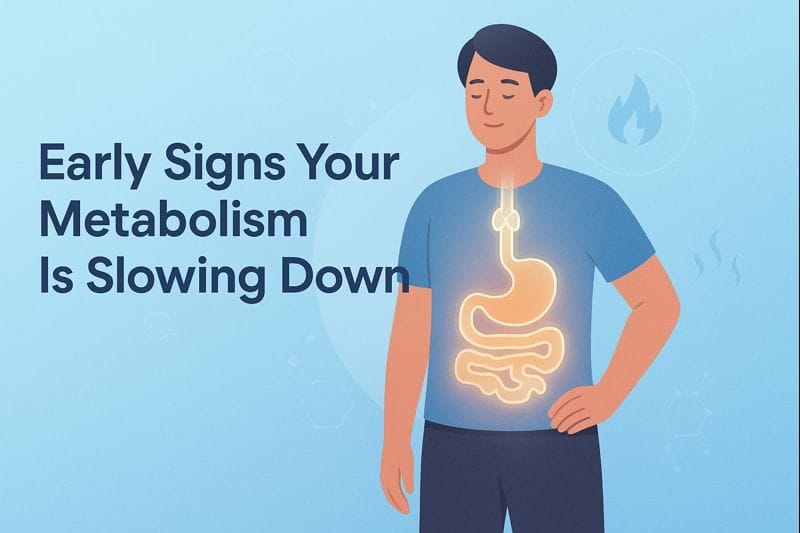
12 Essential Early Signs Your Metabolism Is Slowing Down
Your body rarely slows down without warning, long before the obvious signs appear, it sends quiet signals, subtle shifts in energy, appetite, digestion, temperature, and the way your body responds to everyday routines. These changes are easy to shrug off at first, but they often mark the earliest phase of a declining metabolic rate.
What makes this especially important is that metabolism influences nearly everything, how efficiently you burn calories, how steady your energy feels, how well your hormones function, and how easily your weight stays balanced.
A slowdown doesn’t mean something is wrong, it’s often your body’s natural response to age, stress, sleep changes, muscle loss, nutrition patterns, or lifestyle habits. But once you recognize the early signs, you can intervene before those small shifts turn into stubborn and frustrating symptoms.
Below are the clearest early indicators, what causes them, and what they reveal about your metabolic health.
1. Weight Gain Even When Your Routine Hasn’t Changed
One of the earliest and most noticeable signs that your metabolism is slowing down is unexpected weight gain. You may notice that your clothes are tighter, your waistline feels softer, or your body seems to hold onto fat more easily, even though your diet and exercise routine haven’t changed. This can be frustrating because it feels like your body is betraying you for no reason.
The reason is simple, your metabolism governs how efficiently your body burns calories, when your metabolic rate decreases, your body requires fewer calories to function. What once maintained your weight can now create a subtle caloric surplus. Even small excesses 50 to 100 extra calories per day can add up over time, leading to noticeable weight gain within months.
Several factors contribute to this shift:
- Age: Metabolism naturally slows down over time, particularly after your 20s and 30s.
- Muscle loss: Since muscle tissue burns more calories than fat, losing even small amounts reduces your daily calorie needs.
- Stress and sleep disruption: Elevated cortisol or poor sleep patterns can trigger fat storage and reduce energy expenditure.
- Decreased metabolic flexibility: This is the body’s reduced ability to switch efficiently between burning fat and carbohydrates for energy.
What you can do:
- Incorporate more strength training to preserve or build lean muscle.
- Increase protein intake to boost calorie burn and reduce hunger.
- Manage stress through meditation, movement, or other coping techniques.
- Track your daily habits to identify small changes that may help restore your metabolic balance.
2. Feeling Colder Than Usual
Another subtle yet important sign of a slowing metabolism is feeling colder than usual. You may notice that you’re often chilly indoors, require extra layers, or feel uncomfortable while others remain at ease. This occurs because your body’s heat production, thermogenesis is directly tied to metabolic activity. A slower metabolism means your body generates less internal heat.
Underlying causes may include:
- Thyroid hormone fluctuations: The thyroid regulates metabolism and heat production; even minor shifts can affect body temperature.
- Reduced brown fat activity: Brown fat burns calories to produce heat, and when less active, the body struggles to stay warm.
- Energy conservation mode: Your body may reduce heat output to preserve energy for essential functions.
What you can do:
- Maintain a balanced calorie intake, under-eating can intensify the feeling of cold.
- Keep moving throughout the day, even with short walks or stretching.
- Include iodine-, zinc-, and selenium-rich foods (e.g., eggs, seafood, nuts) to support thyroid function.
- Dress in layers and stay physically active to naturally generate body heat.
3. Persistent Fatigue and Low Energy
Fatigue that persists even after a full night’s sleep is a strong indicator that your metabolism may be slowing down. This type of tiredness is different from the occasional “I stayed up too late” fatigue; it’s chronic, often showing as sluggishness, difficulty focusing, or the need for extra caffeine to maintain productivity.
A slowed metabolism affects energy at a cellular level. Your cells produce less ATP, the energy currency your body uses to power movement, thought, and organ function. Additionally, hormonal changes often accompany a reduced metabolic rate:
- Cortisol imbalances from chronic stress can sap energy.
- Blood sugar instability may leave you feeling drained after meals.
- Thyroid output reduction can directly lower your energy production.
What you can do:
- Eat balanced meals with protein, healthy fats, and complex carbohydrates to stabilize blood sugar.
- Focus on sleep quality, aim for consistent schedules and 7-9 hours per night.
- Incorporate strength and resistance training, which can boost metabolism and improve energy production.
- Stay hydrated, as even mild dehydration can worsen fatigue.
4. Gradual Muscle Loss Without Trying
Muscle loss is one of the most telling signs that your metabolism is slowing. Muscle tissue is metabolically active, meaning it burns more calories at rest than fat. When metabolism slows, your body often breaks down muscle first because it is “expensive” to maintain.
You might notice:
- Reduced strength during routine tasks or workouts.
- Arms, legs, or other areas appearing slimmer even if your weight hasn’t changed.
- Difficulty performing movements that were once easy.
Factors that contribute to muscle loss include:
- Aging: which naturally reduces muscle mass over time.
- Low protein intake: which limits your body’s ability to repair and maintain muscles.
- Sedentary lifestyle: where lack of physical stimulus accelerates atrophy.
- Stress: which can increase cortisol and promote muscle breakdown.
What you can do:
- Aim for 1-1.6 grams of protein per kilogram of body weight daily.
- Include resistance training at least 3 times per week.
- Minimize prolonged periods of inactivity.
- Support recovery with sleep, hydration, and nutrient-dense foods.
5. Digestion Feels Slower
A slowing metabolism often shows up first in your digestive system. You may notice constipation, bloating, or feeling uncomfortably full after meals that used to sit just right. This happens because gut motility, the speed at which food moves through your digestive tract slows down when metabolism drops. At the same time, digestive enzyme activity decreases, and communication between the gut and the brain becomes less efficient.
It’s important to understand that this isn’t necessarily a sign of illness. Rather, it’s your body shifting into energy conservation mode, prioritizing essential functions over digestion efficiency.
What you can do:
- Drink plenty of water to keep digestion smooth.
- Eat fiber-rich whole foods like vegetables, fruits, and legumes.
- Incorporate regular movement, even light walking after meals.
- Add probiotic-rich foods such as yogurt, kefir, or fermented vegetables to support gut flora.
6. Changes in Hair, Skin, or Nail Quality
Your body often shows external signs before internal changes become noticeable. Increased hair shedding, drier skin, or slower nail growth can all be early indicators that your metabolism is shifting.
when energy availability decreases, your body prioritizes vital organs over non-essential tissues like hair, skin, and nails. Slower nutrient delivery combined with reduced hormone output also contributes to these visible changes.
What you can do:
- Include omega-3 fatty acids from sources like fatty fish, walnuts, and flaxseeds.
- Eat mineral-rich foods containing zinc, iron, and selenium to support hair and nail growth.
- Ensure quality sleep to aid repair and regeneration.
- Reduce stress through mindfulness, movement, or relaxation techniques.
7. Sleep Becomes Lighter, Shorter, or Less Restful
Sleep and metabolism are closely linked. When your metabolism slows, sleep patterns can become irregular. You may struggle to fall asleep, wake frequently during the night, or feel unrefreshed even after a full night’s rest.
Factors such as nighttime blood sugar fluctuations, elevated cortisol, and minor thyroid changes all contribute to disrupted sleep. Unfortunately, poor sleep further slows metabolism, creating a self-reinforcing loop.
What you can do:
- Maintain a consistent sleep schedule, going to bed and waking at the same times daily.
- Reduce blue light exposure from screens in the evening.
- Eat meals with a balance of protein, fat, and complex carbohydrates rather than carb-heavy dinners.
- Consider gentle evening routines like stretching or meditation to signal your body it’s time to rest.
8. Strong Cravings for Sugar or Carbohydrates
Cravings, especially for sugary or starchy foods, are another early sign of a slowing metabolism. When your body struggles to access stored energy efficiently, it seeks quick fuel sources.
This is often tied to imbalances in hunger hormones, fluctuating blood sugar, and the brain’s attempt to restore energy quickly. As a result, you may find yourself reaching for sweets or bread even if you weren’t hungry before.
What you can do:
- Start your day with a protein-rich breakfast to stabilize energy levels.
- Pair carbohydrates with protein and healthy fats to prevent spikes and crashes in blood sugar.
- Avoid extended fasting periods if they leave you weak or irritable.
- Keep healthy snack options on hand, like nuts, yogurt, or fruit, to satisfy cravings without a sugar overload.
9. Brain Fog and Difficulty Focusing
Cognitive changes can be one of the most surprising signs of a slowing metabolism. When your metabolism decreases, your brain receives less glucose and oxygen, leading to mental fatigue, difficulty concentrating, slower thinking, and memory lapses.
This brain fog is not permanent but should be taken seriously as it affects productivity and daily function.
What you can do:
- Eat balanced meals with complex carbohydrates, protein, and healthy fats to fuel the brain steadily.
- Stay hydrated, as even mild dehydration can impair mental function.
- Take movement breaks throughout the day to boost circulation and oxygen delivery to the brain.
- Include omega-3-rich foods like fish, chia seeds, or flax for cognitive support.
10. Increased Fat Storage Around the Midsection
Even without a significant change in overall weight, a growing belly or more fat around your waist can signal that your metabolism is slowing. The midsection is particularly sensitive to shifts in hormones like insulin and cortisol. When metabolism drops, the body tends to store fat rather than burn it, often concentrating it around the stomach.
This does not necessarily mean you are overeating; it can simply reflect a decrease in calorie burn and metabolic efficiency.
What you can do:
- Engage in strength training that targets large muscle groups to boost calorie burn and maintain lean mass.
- Reduce stress to lower cortisol levels, which can drive abdominal fat storage.
- Avoid ultra-processed foods and prioritize whole, nutrient-dense meals.
- Maintain stable blood sugar by combining protein and complex carbs at each meal.
11. Appetite Becomes Unpredictable
A slowing metabolism often shows up in changes to hunger and appetite. Some people notice a drop in appetite, feeling less hungry than usual, while others experience intense cravings and eat more than normal. Both patterns can signal that metabolism is shifting.
A low appetite happens because your body is conserving energy, reducing hunger signals to avoid using too many calories. On the other hand, increased appetite occurs when your body senses inconsistent energy supply and tries to compensate by pushing you to eat more.
If your appetite no longer matches your usual patterns, and the changes persist for weeks, it’s a sign to pay attention.
What you can do:
- Stick to consistent meal timings to train your body’s hunger cues.
- Avoid skipping meals, which can confuse appetite-regulating hormones like leptin and ghrelin.
- Focus on balanced meals that combine protein, healthy fats, and complex carbohydrates to keep energy stable.
- Include snacks when necessary to prevent overcompensation from extreme hunger.
12. Slower Recovery After Workouts or Illness
Another subtle sign of a slowing metabolism is delayed recovery. Mild workouts may leave you unusually sore, or minor illnesses might linger longer than before. Recovery depends on several metabolic processes, protein synthesis, immune function, and mitochondrial energy production all of which can be affected when metabolism declines.
This does not mean you are unhealthy. It simply indicates that your body is not efficiently repairing and rebuilding tissues or replenishing energy stores.
What you can do:
- Ensure sufficient protein intake to support muscle repair and recovery.
- Stay hydrated to optimize nutrient transport and metabolic reactions.
- Prioritize quality sleep, which is crucial for tissue repair, hormonal balance, and immune function.
- Avoid overtraining and include rest days to allow the body to fully recover.
Why These Early Signs Matter
A slowing metabolism affects much more than just weight. Blood sugar balance, hormone function, digestion, energy levels, body composition, and mood are all interconnected with metabolic health. The encouraging news is that these changes are reversible, especially if you address them early.
Ignoring early signs can eventually lead to:
- Stubborn weight gain
- Insulin resistance
- Increased inflammation
- Hormonal imbalances, including thyroid disruptions
- Chronic fatigue and low energy
Recognizing these subtle clues gives you a chance to take control before the effects become harder to reverse. The earlier you act, the more responsive your metabolism will be to positive changes.
How to Support a Slowing Metabolism
You don’t need extreme diets, complex supplements, or drastic interventions to boost a slowing metabolism. Small, consistent habits are often enough to restore metabolic efficiency and overall energy.
- Build and maintain muscle through strength training to increase resting calorie burn.
- Increase protein intake to support muscle repair, satiety, and thermogenesis.
- Avoid extreme calorie restriction, which can further slow metabolism.
- Improve sleep quality by keeping a regular sleep schedule and reducing late-night screen exposure.
- Stay hydrated, as water is critical for metabolic reactions.
- Move regularly, walk or stretch every 60-90 minutes to keep metabolism active.
- Limit ultra-processed foods, which can disrupt blood sugar and hormone regulation.
- Prioritize nutrient-dense meals rich in vitamins and minerals to support energy production.
- Support thyroid health with foods containing iodine, selenium, and zinc.
- Maintain stable blood sugar by pairing carbohydrates with protein and healthy fats.
By consistently applying these habits, you create an environment that supports energy production, fat burning, hormone balance, appetite regulation, and overall metabolic health.
Final Thoughts
Your metabolism doesn’t suddenly drop, it changes slowly, often sending subtle signals long before obvious symptoms appear. Weight fluctuations, persistent fatigue, stronger cravings, digestive issues, feeling colder than usual, brain fog, and restless sleep are all your body’s way of saying it’s working less efficiently.
The encouraging part is that metabolic health can be rebuilt at any age. By focusing on steady, practical habits, balanced nutrition, regular movement, quality sleep, and effective stress management you can restore energy, resilience, and metabolic flexibility. Paying attention to these early signs gives you the opportunity to take control, feel more vibrant, and support your body’s natural ability to function at its best.
👩⚕️ Need Personalized Health Advice?
Get expert guidance tailored to your unique health concerns through MuseCare Consult. Our licensed doctors are here to help you understand your symptoms, medications, and lab results—confidentially and affordably.
👉 Book a MuseCare Consult NowRelated Post:
- 7 Powerful Reasons Why Business Travel Is Hurting Your Metabolism (And How to Fix It)
- 7 Powerful Warning Signs of High Cortisol Levels Quietly Harming You
- 12 Powerful Early Signs of Insulin Resistance You Should Watch and How to Fix Them
- 10 Shocking Silent Signs of Potassium Deficiency in Women & Men
- 7 Powerful Warning Signs of High Cortisol Levels Quietly Harming You

Dr. Ijasusi Bamidele, MBBS (Binzhou Medical University, China), is a medical doctor with 5 years of clinical experience and founder of MyMedicalMuse.com, a subsidiary of Delimann Limited. As a health content writer for audiences in the USA, Canada, and Europe, Dr. Ijasusi helps readers understand complex health conditions, recognize why they have certain symptoms, and apply practical lifestyle modifications to improve well-being