⚠️ Affiliate Disclaimer: This post may contain affiliate links, which means I may earn a small commission — at no extra cost to you — if you make a purchase through one of these links. I only recommend products or services I genuinely trust and believe can provide value. Thank you for supporting My Medical Muse!
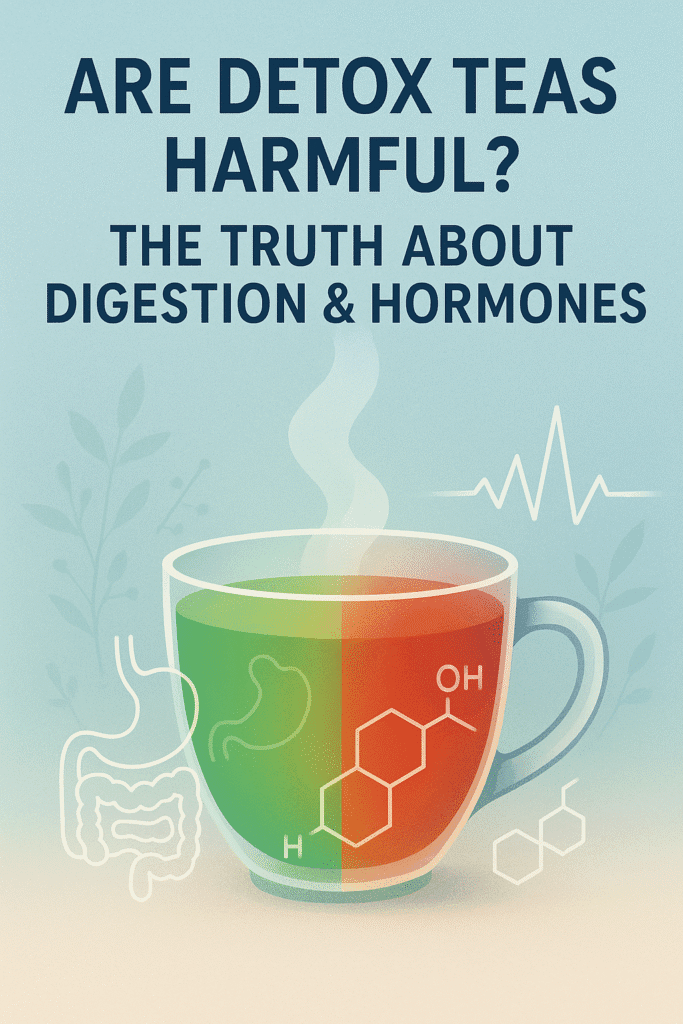
12 Shocking Ways Detox Teas Are Actually Harmful for Digestion and Hormones
Most people don’t question detox teas, they’re sold as harmless, natural solutions for bloating, sluggishness, low energy, and stubborn belly fat. The marketing feels convincing and intentionally so. Walk into any health store, scroll through Instagram, or open TikTok, and you’ll find endless ads claiming these teas can flatten your stomach, reset your organs, melt fat, or wash out toxins your body is supposedly holding onto.
Influencers post dramatic before-and-after photos, Companies promote 14-day cleanses that promise transformation. The packaging looks herbal, pure, and trustworthy. And on the surface, it all seems simple: drink a tea, feel lighter, look slimmer, detox your system.
But the truth behind detox teas is not simple and it’s definitely not harmless, many detox teas aren’t detoxing anything. They aren’t cleansing your organs, boosting your metabolism, or removing toxins. In fact, a surprising number of them can quietly disrupt digestion, hormones, metabolic balance, gut health, hydration levels, and long-term energy regulation without you realizing the source of the problem.
The uncomfortable reality is this, detox teas rely on effects that only feel like cleansing, while potentially creating internal stress your body has to recover from.
So let’s break this down properly, what detox teas really are, how they affect the body, the science behind their claims, and the real risks you may never hear from the brands selling them.
What Exactly Are Detox Teas?
Detox teas typically fall into one of three categories:
1. Laxative-based teas:
These usually contain senna, cascara, aloe, or rhubarb root, ingredients known to stimulate bowel movements.
2. Diuretic-based teas:
These include dandelion, uva ursi, caffeine, and green tea extracts, which increase urination.
3. Stimulant-based teas:
These rely on caffeine, yerba mate, guarana, or green tea extract to boost metabolism or suppress appetite.
Some brands mix all three categories for a stronger effect, which is where the real problems start.
Importantly:
None of these teas actually remove toxins.
Your liver, kidneys, lungs, skin, and lymphatic system already do that with incredible efficiency, unless you have a medical condition. Teas cannot improve that natural process.
Instead, detox teas mostly cause:
- Water loss
- Frequent bowel movements
- Temporary bloating relief
- Appetite suppression
This creates the illusion of cleansing or slimming, but physiologically, it’s not detoxification and the consequences can be significant.
How Detox Teas Affect Digestion: The Hidden Problems
Many people reach for detox teas hoping to fix digestive issues, bloating, constipation, sluggishness, or occasional nausea. On the surface, these teas promise relief: a lighter stomach, easier bowel movements, and a “reset” for your gut.
However, the reality is more complicated. In many cases, detox teas do more harm than good, subtly disrupting the digestive system instead of supporting it. Here’s a closer look at how these teas interfere with digestion, often in ways you may not notice immediately.
1. Laxative Teas Can Cause Dependency:
Senna is the most common ingredient in detox teas marketed for bowel cleansing. It’s a powerful stimulant laxative that forces your intestines to contract, rapidly moving stool out of the body.
Used occasionally under medical guidance for short-term constipation, senna is generally safe but when taken daily or for extended periods, as many detox programs recommend, it can cause serious problems:
- Weaken natural peristalsis: Your intestines may begin to rely on the external stimulation instead of moving stool naturally.
- Create a lazy colon: Over time, the colon can lose some of its natural motility.
- Dependency: You may find it difficult or even impossible to have a bowel movement without taking the tea.
- Rebound constipation: Stopping the tea abruptly can trigger severe constipation, as the colon struggles to regain normal function.
This condition is medically recognized as laxative-induced colon dysfunction, a problem that can take weeks or months to reverse.
2. Electrolyte Imbalances Can Disrupt Digestion
Frequent diarrhea caused by stimulant laxatives can flush essential electrolytes from your body, including:
- Sodium
- Potassium
- Magnesium
These minerals are crucial for:
- Smooth muscle contraction in the digestive tract
- Proper nerve signaling in the gut
- Maintaining fluid balance in stool
When electrolytes drop too low, you may experience:
- Abdominal cramping
- Irregular bowel movements
- Persistent bloating
- Nausea
- Heart palpitations
Many users misinterpret these signs as toxins leaving the body, but in reality, they’re symptoms of dehydration and electrolyte loss, not cleansing.
3. Gut Inflammation and Irritation
Repeated use of stimulant ingredients like senna or cascara can irritate the intestinal lining over time. Chronic irritation may lead to:
- Melanosis coli: A darkening of the colon, often harmless but indicative of long-term laxative use
- Mucosal damage: Inflammation of the gut lining
- Increased digestive sensitivity: Making you more prone to cramping, bloating, and discomfort
- Abdominal pain and discomfort
Instead of cleaning your gut, prolonged stimulation destabilizes it, reducing its efficiency and resilience.
4. Diuretic Teas Strain the Kidneys and Digestive System
Some detox teas rely on diuretic herbs, like dandelion or uva ursi, to increase urine output. While mild diuretics can support fluid balance, strong or frequent use primarily causes dehydration rather than toxin elimination.
Dehydration affects digestion in several ways:
- Slows gut motility: Making it harder for food to pass through naturally
- Thickens stool: Leading to constipation
- Delays gastric emptying: Causing feelings of heaviness and bloating
- Increases abdominal discomfort
Ironically, the very teas marketed to relieve bloating often contribute to the problem they claim to solve.
5. Stimulant Teas Spike Cortisol and Worsen Gut Motility
Many detox teas contain high levels of caffeine or other stimulants, sometimes stronger than an energy drink. While caffeine can temporarily increase bowel movements, overuse can stress your digestive and hormonal systems.Excessive stimulant intake triggers the release of cortisol, the stress hormone, which can:
- Slow down gut motility over time
- Trigger bloating and abdominal discomfort
- Increase acid production, contributing to reflux or heartburn
- Irritate the stomach lining
- Disrupt the gut-brain axis, affecting both digestion and mood
This is why some people feel jittery, nauseous, or anxious after drinking detox teas, the effects are less about cleansing and more about physiological stress.
The Bottom Line on Digestion
While detox teas may offer temporary relief or the illusion of a “clean gut,” their long-term effects can be harmful:
- Gut motility can become dependent on laxatives
- Electrolyte loss can trigger cramps, nausea, and heart irregularities
- Chronic irritation inflames the digestive lining
- Dehydration slows digestion and worsens bloating
- Stimulants stress the hormonal and digestive systems
In short, detox teas often solve a temporary symptom while creating deeper digestive and hormonal issues over time.
How Detox Teas Affect Your Hormones: The Complications No One Talks About
Hormones are extremely sensitive to even minor fluctuations in the body. Factors such as sleep changes, chronic stress, blood sugar swings, nutrient deficiencies, electrolyte imbalances, and gut health all influence hormonal stability. Detox teas, despite their claims of cleansing and metabolic support, can interfere with nearly all of these systems, creating a cascade of hormonal disturbances that often go unnoticed.
1. Cortisol Disruption
Stimulant ingredients like green tea extract, guarana, and yerba mate can elevate cortisol, the body’s primary stress hormone. Chronically high cortisol contributes to fatigue, irregular appetite, belly fat retention, anxiety, and disrupted sleep. Teas marketed to boost energy or accelerate weight loss may ironically worsen metabolic function and appetite regulation over time.
2. Blood Sugar Instability
Appetite-suppressing teas can lead to abrupt calorie reduction, causing blood sugar drops and decreased insulin sensitivity. Hunger hormones like ghrelin then spike, triggering intense cravings once the detox ends. Repeated cycles of restriction and overeating can destabilize natural hormonal rhythms, contributing to long-term metabolic and appetite dysregulation.
3. Thyroid Stress
Chronic dehydration, electrolyte loss, and high cortisol place stress on the thyroid, the gland that regulates metabolism. Low thyroid function can cause fatigue, slowed metabolism, weight gain, constipation, thinning hair, and dry skin. Detox teas often undermine metabolism rather than enhancing it, despite marketing claims.
4. Period and Fertility Disruptions
Women are particularly vulnerable because reproductive hormones rely on gut health, nutrient absorption, blood sugar stability, and stress regulation. Detox teas can cause irregular cycles, worsened PMS, hormonal acne, mood swings, ovulation irregularities, and in extreme cases, temporary amenorrhea due to sudden calorie deficits and elevated cortisol.
5. Gut-Hormone Dysregulation
The gut produces key hormones such as serotonin (mood), GLP-1 (satiety), CCK (fullness), and ghrelin (hunger). Gut irritation or dehydration from detox teas disrupts their production, leading to emotional instability, irritability, sudden appetite changes, sleep disruption, and reduced cognitive clarity. The impact is both physical and emotional.
Although detox teas may provide temporary relief or minor digestive changes, the hidden cost is significant. They can elevate cortisol, destabilize blood sugar, stress the thyroid, disrupt reproductive hormone cycles, and interfere with gut-hormone signaling. What appears to be a harmless cleanse is often a profound challenge to your body’s hormonal balance, with consequences that can persist long after the tea is finished.
Why Detox Teas Seem to Work: The Illusion Explained
Many people notice quick changes when using detox teas: a flatter stomach, more frequent bowel movements, temporary weight loss, reduced bloating, and suppressed appetite. At first glance, it appears the teas are doing exactly what they promise. However, these effects are largely illusory and short-lived.
1. Water Loss, Not Fat Loss
Most of the initial weight loss from detox teas up to 95%, comes from water expelled through diarrhea or increased urination. This is not fat being burned or toxins being eliminated, it’s simply temporary fluid loss. Once you rehydrate or resume normal eating, the weight returns quickly.
2. Temporary Colon Emptying
Stimulant laxatives in detox teas create the sensation of a flatter stomach by emptying the colon. While your midsection may look slimmer briefly, this effect disappears after your next meal. The digestive system has not been reset or cleansed, it has only been temporarily emptied.
3. Short-Term Relief of Bloating
Detox teas may reduce bloating temporarily by flushing gut contents. But repeated use can inflame the gut lining, worsening bloating and digestive sensitivity over time. Any relief is fleeting, and chronic irritation can leave the gut more fragile.
4. Artificially Sped-Up Digestion
The sensations of lightness or cleansing come from artificially accelerated digestion. Laxatives and stimulants push the body to expel contents faster than normal, disrupting gut motility and overall digestive balance. This is not a natural or healthy process.
5. Appetite Suppression from Stimulants and Irritation
Detox teas often suppress appetite, but this does not indicate improved metabolism or hormone health. Caffeine and gut irritation temporarily blunt hunger signals, yet repeated use can destabilize hormones, raise cortisol, and trigger rebound overeating. Appetite suppression in this context is misleading, your body is not truly detoxed or nourished.
The apparent benefits of detox teas, water loss, temporary colon emptying, reduced bloating, and appetite suppression are illusions. They do not equate to real detoxification or lasting health improvements. Frequent use can worsen digestive inflammation, disrupt hormone balance, and create dependency, leaving the body more fragile than before.
The Long-Term Risks of Detox Teas
While occasional herbal teas are generally safe, structured detox programs especially 14-day or 28-day cleanses,carry serious long-term risks that can undermine digestion, hormones, and overall health.
1. Chronic Dehydration
Frequent use of laxative or diuretic teas can cause dehydration, leading to headaches, fatigue, constipation, and stress on the kidneys. Over time, this can impact fluid and electrolyte balance and contribute to kidney problems.
2. Malabsorption of Nutrients
Regular diarrhea interferes with absorption of fat-soluble vitamins (A, D, E, K), which are essential for immunity, skin, bone health, and hormone function. Long-term malabsorption can lead to fatigue, weakened immunity, and hormonal disturbances.
3. Disruption of Gut Bacteria
Irritation from detox teas can disrupt the gut microbiome, affecting digestion, immunity, metabolism, and mood. A compromised microbiome may lead to digestive issues, increased anxiety, and metabolic imbalances.
4. Electrolyte Depletion
Frequent diarrhea and urination can deplete sodium, potassium, and magnesium, causing muscle cramps, dizziness, nausea, heart palpitations, and in severe cases, dangerous arrhythmias.
5. Hormonal Irregularities
High cortisol, dehydration, and nutrient deficiencies from detox teas can destabilize hormones. Women may experience irregular cycles, worsened PMS, or ovulation disturbances, while metabolic and adrenal function can also be affected.
6. Cardiovascular Strain
Stimulant overload combined with electrolyte loss increases heart rate and blood pressure, potentially worsening arrhythmias and raising cardiovascular risk, especially in susceptible individuals.
7. Kidney Strain
Detox teas force the kidneys to process excess fluid, which can strain renal function over time. People with preexisting kidney conditions or those on certain medications are particularly vulnerable.
Who Is Most Vulnerable to Detox Tea Side Effects?
Certain groups of people are far more susceptible to the negative effects of detox teas. These include individuals with digestive issues such as IBS, gastritis, GERD, or chronic constipation, women with hormonal disturbances, people with thyroid disorders, athletes with high fluid requirements, anyone experiencing anxiety or chronic stress, those with irregular eating patterns, and individuals on medications especially diuretics or laxatives. If you fall into any of these categories, detox teas can have a stronger and more harmful impact.
Are Any Detox Teas Actually Safe?
Tea itself is not harmful. Safe options for gentle support of digestion and relaxation include peppermint (for bloating relief), ginger (for nausea), green tea (for antioxidants and a mild energy boost), dandelion root (for liver support in moderation), chamomile (for stress relief), fennel (to calm the gut), and licorice root (supports digestion in moderation).
It is important to note that these teas do not detox the body in the sense marketed by commercial products. Any tea that contains senna, cascara, strong diuretics, high stimulants, or proprietary blends with unknown doses should be avoided for detox or weight-loss purposes.
If You Truly Want Detoxification, Here’s What Actually Works
Your body detoxifies naturally through the liver, kidneys, skin, lymphatic system, lungs, and gut. Real support focuses on enhancing these pathways safely:
- Hydration: Keeps kidneys flushing waste efficiently.
- Fiber-rich foods: Bind and remove metabolic waste.
- Protein: Supports liver detox enzymes.
- Good sleep: Enables brain detox via the glymphatic system.
- Movement: Improves lymphatic flow.
- Reducing alcohol and processed sugar: Reduces liver stress.
- Gut-supporting foods: Fermented foods, vegetables, and whole grains.
- Stress management: Cortisol affects digestion, hormones, and detox pathways.
These habits support natural detoxification safely and effectively, without risking hormonal or digestive health.
Final Thoughts:
Detox Teas Aren’t Cleansing, They’re Stressing Your Body
Detox teas promise purity, cleansing, fat loss, and a fresh start. The marketing makes it sound effortless, drink a tea, reset your body, and emerge lighter and healthier. But the truth is far less glamorous. Detox teas do not remove toxins, burn fat, boost metabolism, regulate hormones, or reset digestion.
What they actually do is stress your body. Frequent use can create dehydration, trigger constant bowel movements, spike cortisol, strain the thyroid, irritate the gut, disrupt electrolytes, undermine long-term digestion, and destabilize hormones. Some people may feel temporary relief or a fleeting sense of lightness, but these effects are superficial and short-lived. Over time, they can create far more problems than any perceived benefit.
If your goal is sustainable digestive health, hormonal balance, or long-term weight management, detox teas are not the answer. Real support comes from consistent habits that nurture your body, supporting your gut and liver, prioritizing sleep, managing stress, staying properly hydrated, and fueling yourself with nutrient-rich foods. These strategies work with your body’s natural systems rather than forcing artificial “cleanses,” providing lasting health benefits that a 14-day tea program never can.
👩⚕️ Need Personalized Health Advice?
Get expert guidance tailored to your unique health concerns through MuseCare Consult. Our licensed doctors are here to help you understand your symptoms, medications, and lab results—confidentially and affordably.
👉 Book a MuseCare Consult NowMust Read:
- 25 Powerful Everyday Health Habits That Are Surprisingly Harmful
- 9 Proven Ways Micro-Stress Disrupts Cortisol Rhythm and How to Fix It
- 13 Science-Backed Ways to Beat Mental Fog Naturally and Regain Focus
- 7 Powerful Reasons Why Business Travel Is Hurting Your Metabolism (And How to Fix It)
- 10 Powerful Ways to Fix Energy Drops in Your 30s and Regain Vitality Naturally
- 7 Shocking Risks of Too Much Protein for Non-Athletes: What You Must Know

Dr. Ijasusi Bamidele, MBBS (Binzhou Medical University, China), is a medical doctor with 5 years of clinical experience and founder of MyMedicalMuse.com, a subsidiary of Delimann Limited. As a health content writer for audiences in the USA, Canada, and Europe, Dr. Ijasusi helps readers understand complex health conditions, recognize why they have certain symptoms, and apply practical lifestyle modifications to improve well-being