
⚠️ Affiliate Disclaimer: This post may contain affiliate links, which means I may earn a small commission — at no extra cost to you — if you make a purchase through one of these links. I only recommend products or services I genuinely trust and believe can provide value. Thank you for supporting My Medical Muse!
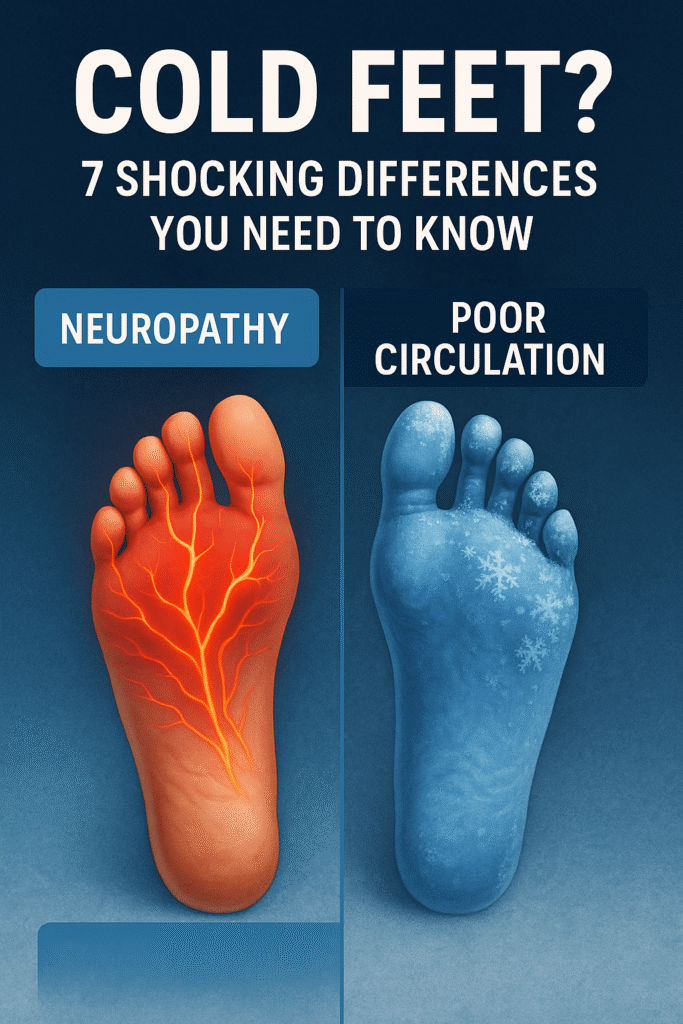
Cold Feet from Neuropathy or Poor Circulation? 7 Shocking Differences You Need to Know
Are your feet always cold, even when the room is warm or the weather is mild? You may wake up at night with feet that feel icy, or sit comfortably indoors while your toes feel frozen. When this keeps happening, it stops feeling normal and starts raising concern.
Many people immediately assume poor circulation, others worry about nerve damage. The confusion is understandable because both problems can feel almost identical.
Cold feet are one of the most common complaints among adults, especially with aging or chronic conditions such as diabetes, thyroid disorders, or cardiovascular disease. In many cases, neuropathy and poor circulation can even exist together, making the symptoms harder to interpret. This overlap often leads to treating the wrong issue or dismissing an early warning sign that should not be ignored.
This guide breaks the confusion down clearly, you will learn why your feet feel cold, how nerve-related causes differ from circulation problems, the warning signs that separate the two, the tests doctors use to confirm the diagnosis, and what actually helps restore warmth and comfort long term.
Cold feet are not just a comfort issue, they are a signal. Understanding that signal early can make the difference between simple treatment and long term complications.
Why Are My Feet Always Cold?
Cold feet are not just a comfort issue, when the sensation is frequent or persistent, it often signals a deeper problem involving the nervous system, blood circulation, or metabolic function.
Your feet are the farthest part of your body from both the heart and the brain, because of this distance, they rely heavily on healthy blood flow and accurate nerve signaling. When either system is disrupted, the feet are often affected first, making coldness an early and noticeable symptom.
In many cases, the issue is not the temperature of your environment, but how well your body can deliver blood, oxygen, and sensory information to your feet.
Most Common Causes of Cold Feet
Persistent cold feet are commonly linked to one or more of the following conditions:
Poor circulation due to vascular disease or low blood pressure
Peripheral neuropathy caused by nerve damage
Anemia or low iron levels
Hypothyroidism, which slows metabolism
Raynaud’s phenomenon, a spasm of small blood vessels
Smoking, which narrows blood vessels
Chronic stress or anxiety
Vitamin B12 deficiency
Diabetes
Cold feet that worsen over time or occur alongside numbness, pain, weakness, or skin color changes should never be ignored. These signs suggest an underlying condition that needs proper evaluation.
Neuropathy vs Poor Circulation: What’s the Difference?
Although neuropathy and poor circulation can feel similar, they come from completely different problems inside the body. Understanding this difference is essential because treatment depends on the true cause.
The Core Difference
Neuropathy is a problem with nerve signaling.
Poor circulation is a problem with blood delivery.
Both can produce a cold sensation, but for very different reasons.
How They Feel Different
1. Cause
Neuropathy develops when peripheral nerves are damaged and can no longer transmit accurate sensory signals. Poor circulation occurs when blood flow to the feet is reduced or obstructed.
2. Cold sensation
Neuropathy creates a false sensation of cold, even when the skin temperature is normal or warm.
Poor circulation causes feet that are truly cold because warm blood is not reaching them.
3. Skin appearance
Neuropathy often shows normal skin color or mild, uneven discoloration.
Poor circulation commonly leads to pale, bluish, or purplish toes.
4. Associated sensations
Neuropathy is associated with tingling, burning, numbness, or pins and needles.
Poor circulation is more likely to cause heaviness, aching, tightness, or throbbing.
6. Pain pattern
Neuropathic pain is sharp, burning, shooting, or electric in nature.
Circulatory pain is dull or cramp-like and often worsens with walking or exertion.
7. Skin temperature
With neuropathy, the feet may feel warm to the touch despite feeling cold internally.
With poor circulation, the skin is genuinely cold.
8. Who is most affected
Neuropathy is common in people with diabetes, vitamin B12 deficiency, alcohol use, or chemotherapy exposure.
Poor circulation is more common in individuals with heart disease, high cholesterol, smoking history, or peripheral artery disease.
Because these conditions can overlap, mistaking one for the other often leads to ineffective treatment.
What Is Peripheral Neuropathy?
Peripheral neuropathy occurs when the nerves that carry signals between your brain, spinal cord, and feet are damaged.
Healthy nerves accurately transmit information about temperature, pressure, and pain. When those nerves are injured, the signals become distorted or delayed. As a result, the brain may interpret normal sensations as extreme cold, burning, or pain.
This explains why many people with neuropathy complain that their feet feel freezing, even when the skin is warm and circulation is adequate.
Common Features of Peripheral Neuropathy
Persistent cold sensations without actual cold skin
Tingling or burning in the toes or soles
Numbness or reduced sensation
Sharp, stabbing, or electric pain
Symptoms that worsen at night
Balance problems or unsteadiness
Muscle weakness in advanced cases
Neuropathy does not mean your feet are physically cold. It means the communication system between your feet and brain is faulty. Without addressing nerve health directly, symptoms often progress over time.
Common Symptoms of Neuropathy
Neuropathy affects how nerves transmit sensory information from your feet to your brain. When those signals are distorted, the sensations you feel may not match reality.
Common symptoms include:
Burning or tingling sensations in the feet
Numbness in the toes or soles
Feet that feel icy despite being warm to the touch
Sharp, stabbing, or electric shock-like pain
Reduced balance or coordination
Muscle weakness in the feet or lower legs
Pain that worsens at night or during rest
Neuropathy does not mean your feet are physically cold, it means the nerve pathways responsible for sensing temperature and pain are damaged or misfiring, without treatment, these symptoms often progress gradually over time.
What Is Poor Circulation?
Poor circulation occurs when blood cannot adequately reach the feet. Blood carries oxygen, nutrients, and heat. When delivery is reduced, tissues cool down, weaken, and heal more slowly.
This problem is most often caused by narrowed arteries, plaque buildup, blood clots, or underlying vascular disease. Unlike neuropathy, poor circulation results in a true drop in skin temperature.
Common Symptoms of Poor Circulation
Feet that are cold and cold to the touch
Pale, blue, or purplish discoloration of the toes
Shiny, thin, or fragile skin
Pain or cramping during walking, known as claudication
Slow-healing cuts or sores on the feet or legs
Swelling in the lower legs or ankles
Reduced hair growth on the legs or toes
In circulation disorders, tissues are physically deprived of oxygen and nutrients. Over time, this increases the risk of infections, ulcers, and tissue damage.
How to Tell Which One You Have
Because neuropathy and poor circulation can overlap, diagnosis relies on physical examination combined with targeted testing. Self-diagnosis is often inaccurate.
Tests Used to Diagnose Neuropathy
Doctors may use:
Nerve conduction studies to measure electrical signal speed
Electromyography to assess muscle and nerve function
Monofilament testing to evaluate loss of sensation
Blood tests to identify diabetes, vitamin B12 deficiency, thyroid disorders, or metabolic causes
Tests Used to Diagnose Poor Circulation
To evaluate blood flow, providers may order:
Ankle-Brachial Index to compare blood pressure in the arms and legs
Doppler ultrasound to visualize arterial blood flow
Capillary refill testing on the toes
Blood tests for cholesterol levels, clotting disorders, and inflammation
Accurate diagnosis is essential, treating neuropathy like a circulation problem, or treating circulation issues as nerve pain, often delays improvement and allows damage to worsen.
When to Worry About Cold Feet
Cold feet are sometimes harmless, but certain warning signs require medical evaluation.
Seek care if you experience:
Persistent numbness, tingling, or burning
Sores or ulcers that do not heal
Feet turning white, blue, or purple
Loss of sensation or worsening weakness
Pain that worsens with walking and improves with rest
Sudden temperature or color changes affecting one foot
These symptoms may indicate nerve damage, peripheral artery disease, or risk of tissue injury. Early evaluation reduces the chance of serious complications.
Cold feet are not just uncomfortable, they are often an early warning sign. Acting early makes treatment simpler and outcomes far better.
How Are Cold Feet Treated?
Treatment depends entirely on the underlying cause. Neuropathy and poor circulation require different approaches, and mixing them up often leads to frustration and worsening symptoms.
If the Cause Is Neuropathy
The primary goal in neuropathy is protecting nerves and supporting repair, not simply warming the feet.
Medical and Targeted Treatments
Managing the underlying condition, such as controlling blood sugar in diabetes
Correcting vitamin deficiencies, especially vitamin B12
Avoiding alcohol when alcohol-related nerve damage is present
Using nerve-supporting supplements like alpha-lipoic acid or B-complex vitamins when appropriate
Applying topical treatments such as capsaicin or menthol to reduce abnormal nerve signaling
Prescription medications like gabapentin or duloxetine for nerve pain control
Daily Care That Helps
Gentle foot massage to stimulate nerve endings
Stretching to reduce stiffness and improve nerve function
Wearing properly fitted shoes with good cushioning
Avoiding tight footwear that compresses nerves
Regular low-impact exercise such as walking or swimming
Warm socks alone rarely resolve neuropathic cold sensations. When nerves are damaged, the issue is faulty signaling, not environmental temperature. Long-term improvement comes from addressing nerve health directly.
If the Cause Is Poor Circulation
Poor circulation requires improving blood flow and oxygen delivery. Delays in treatment can lead to serious complications.
Medical and Lifestyle Interventions
Stopping smoking, which strongly constricts blood vessels
Controlling blood pressure, cholesterol, and blood sugar
Walking regularly to promote blood flow and vessel adaptation
Limiting long periods of sitting or inactivity
Avoiding prolonged exposure to cold environments
Using compression socks only under medical guidance
Medical Treatment Options
Medications such as blood thinners or vasodilators
Supervised exercise therapy for peripheral artery disease
Surgical or interventional procedures in cases of severe blockage
Poor circulation is not just uncomfortable. If left untreated, it can lead to ulcers, infections, and in severe cases, tissue death. These symptoms should always be taken seriously.
Natural Remedies and Lifestyle Support
Natural strategies do not replace medical treatment, but when used consistently, they can support both nerve health and circulation. These measures work best as part of a long-term approach rather than a quick fix.
Supportive Measures That Help
1. Warm foot soaks
Soaking your feet in warm water for 15 to 20 minutes helps relax muscles, encourages local blood flow, and can temporarily reduce stiffness and discomfort. This is especially helpful before bed or after long periods of inactivity.
2. Ginger or cayenne-based creams
Topical products containing ginger or cayenne create a mild warming effect that stimulates blood flow near the skin surface. They may also help reduce the perception of cold by activating sensory receptors.
3. Regular foot massage
Gentle daily massage improves circulation, stimulates nerve endings, and reduces muscle tension. Massage also helps maintain awareness of foot sensation, which is important for people with reduced feeling.
4. Wool socks instead of synthetic fabrics
Wool retains warmth more effectively than synthetic materials while still allowing moisture to escape. Keeping feet dry and insulated helps prevent temperature drops, especially in cooler environments.
5. Yoga or tai chi
Low-impact practices like yoga and tai chi improve balance, flexibility, circulation, and nerve sensitivity. They also reduce stress, which can worsen both neuropathy symptoms and circulation problems.
6. Essential oils used correctly
Peppermint or eucalyptus oils, diluted with a carrier oil, can be applied to the feet to create a cooling or warming sensation that stimulates sensory pathways. These should be used gently and avoided on broken skin.
7. A nutrient-rich diet
A balanced diet supports both nerve and vascular health. Omega-3 fatty acids help reduce inflammation, leafy greens support circulation, and vitamin B-rich foods are essential for nerve repair and function.
Lasting relief from cold feet does not come from quick fixes or temporary warmth, it comes from identifying the true cause and consistently supporting the systems responsible for blood flow, nerve signaling, and tissue health over time.
Final Verdict: Neuropathy or Poor Circulation, What’s Really Behind Your Cold Feet?
Cold feet are not random, and they are not something to brush off. They are your body’s way of signaling that something beneath the surface needs attention.
When your feet feel cold but remain warm to the touch, neuropathy is the most likely cause. The nerves responsible for sensing temperature are misfiring, sending incorrect signals to the brain even though circulation may be adequate.
When your feet are cold and cold to the touch, poor circulation is usually responsible. Blood, oxygen, and nutrients are not reaching the tissues effectively, increasing the risk of pain, skin damage, and slow healing if left untreated. In both cases, the sensation is a warning, ignoring it allows minor dysfunction to progress into more serious, harder-to-treat problems over time.
The key is accuracy, once the true cause is identified, treatment can target the problem directly rather than masking symptoms. Supporting nerve health, restoring blood flow, and making informed lifestyle adjustments can significantly improve comfort and long-term outcomes.
Cold feet are a signal, recognize it early, respond appropriately, and give your body the chance to restore warmth, stability, and confidence with every step.
👩⚕️ Need Personalized Health Advice?
Get expert guidance tailored to your unique health concerns through MuseCare Consult. Our licensed doctors are here to help you understand your symptoms, medications, and lab results—confidentially and affordably.
👉 Book a MuseCare Consult NowRelated Posts You May Like:
- Can Vitamin B12 Injections Help with Tingling Feet? Here’s What Doctors Say
- Vitamin D Deficiency and Tingling Feet: Early Signs You Shouldn’t Ignore
- Reverse Neuropathy with Diet: 10 Science-Backed Foods That Heal Nerves
- Can a Chiropractor Help with Nerve Pain in the Feet? The Truth Explained
- 10 Powerful Supplements for Diabetic Neuropathy That Actually Work
- MRI vs X-Ray vs CT Scan for Pain Diagnosis: 5 ways to Choose the Right Imaging
- Lower Back Pain Radiates to the Leg: 7 Key Causes, Diagnosis & Treatments

Dr. Ijasusi Bamidele, MBBS (Binzhou Medical University, China), is a medical doctor with 5 years of clinical experience and founder of MyMedicalMuse.com, a subsidiary of Delimann Limited. As a health content writer for audiences in the USA, Canada, and Europe, Dr. Ijasusi helps readers understand complex health conditions, recognize why they have certain symptoms, and apply practical lifestyle modifications to improve well-being