⚠️ Affiliate Disclaimer: This post may contain affiliate links, which means I may earn a small commission at no extra cost to you, if you make a purchase through one of these links. I only recommend products or services I genuinely trust and believe can provide value. Thank you for supporting My Medical Muse!
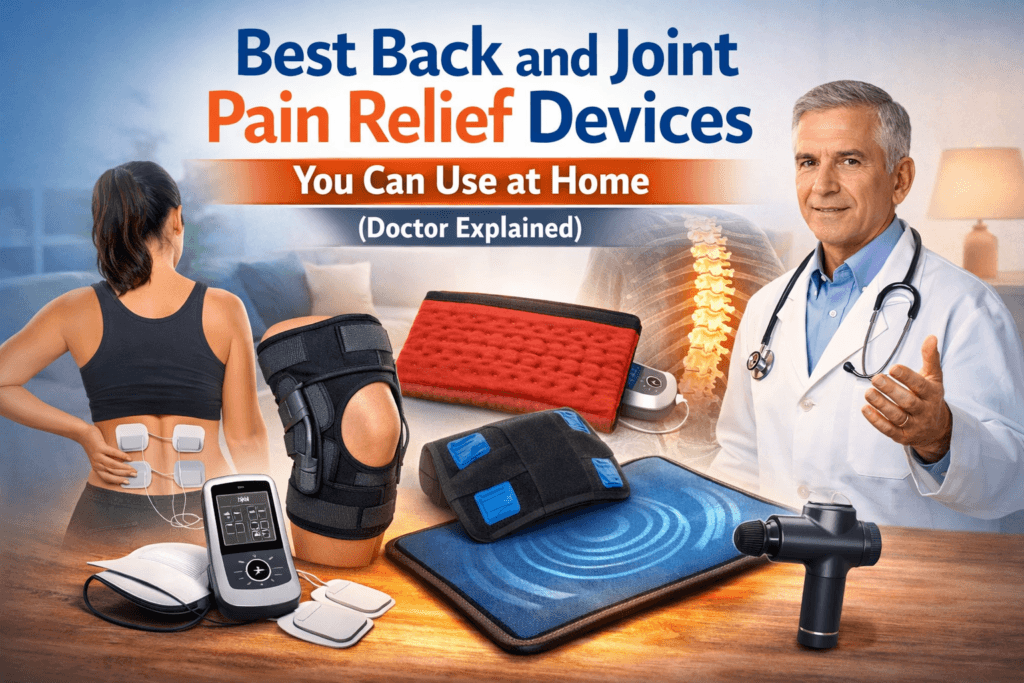
Best Back and Joint Pain Relief Devices You Can Use at Home
Back pain and joint pain are not minor inconveniences, they are among the leading reasons adults struggle with daily movement, disrupted sleep, reduced work performance, and long term dependence on pain medication. For many people, the discomfort does not come from a single injury but from years of posture stress, joint wear, muscle imbalance, or degenerative changes that gradually worsen over time.
Medical treatment remains essential, especially for diagnosis and serious conditions. However, most back and joint pain is managed outside the clinic. Pain flares at home, stiffness builds overnight, and discomfort often returns between appointments. This is where properly chosen home pain relief devices play a critical role. When used correctly, they help reduce pain intensity, improve circulation, relax tight muscles, support weakened joints, and allow safer movement throughout the day.
Not all pain relief devices are equal, some are supported by clinical evidence and commonly recommended by healthcare professionals, while others offer little benefit beyond temporary comfort. The key is understanding how pain works, what type of pain you are dealing with, and which devices actually address the underlying mechanism rather than simply distracting from symptoms.
In this doctor explained guide, you will find the most effective back and joint pain relief devices you can safely use at home. Each option is explained in clear medical terms, including how it works, who benefits most, and when it should or should not be used.
This is not a list of miracle cures, it is a practical, evidence based resource designed to help you make informed decisions, manage pain more effectively, and regain control over your daily mobility and comfort.
1. Electrical Nerve Stimulation Devices for Back and Joint Pain
Electrical nerve stimulation devices are commonly recommended for managing chronic musculoskeletal pain at home. These devices deliver mild electrical impulses through adhesive pads placed directly on the skin over painful muscles or joints. The stimulation alters how pain signals travel from the affected area to the brain.
This category of device is especially useful for people dealing with persistent lower back pain, knee arthritis pain, shoulder tension, neck stiffness, and nerve related discomfort that does not require surgical intervention.
How Electrical Nerve Stimulation Reduces Pain
Electrical stimulation works through two primary mechanisms. First, it interferes with pain signal transmission along nerve pathways, reducing how strongly pain is perceived. Second, it encourages the release of natural pain reducing chemicals produced by the body, which provide temporary relief without medication.
Why Doctors Recommend Electrical Nerve Stimulation
Doctors often suggest electrical nerve stimulation because it offers several practical advantages for long term pain management:
- Reduces pain signal transmission to the brain
- Stimulates natural pain control chemicals
- Useful for daily symptom control between medical visits
- Does not involve medication or injections
- Reusable and adjustable for different pain levels
These devices are particularly valuable for people who want to limit their reliance on pain medications. A reliable choice for home use is a dual channel electrical nerve stimulation unit with adjustable intensity levels and multiple stimulation modes. Dual channel systems allow treatment of more than one painful area at the same time, such as both sides of the lower back or a knee and shoulder. Get yours here.
This type of device is well suited for lower back pain, knee osteoarthritis pain, neck stiffness, shoulder discomfort, and muscle tension related to poor posture or prolonged sitting.
2. Pulsed Electromagnetic Field Therapy Devices for Joint Pain
Pulsed electromagnetic field therapy devices use low frequency electromagnetic waves to influence cellular activity within tissues. Unlike electrical stimulation, these devices do not create a noticeable sensation during use, instead they work at a deeper biological level.
These devices are particularly helpful for people with osteoarthritis, chronic joint pain, stiffness, and discomfort related to long standing inflammation.
How Pulsed Electromagnetic Field Therapy Works
Electromagnetic pulses interact with cells by improving circulation and supporting cellular repair processes. This can reduce inflammation, enhance oxygen delivery, and support healthier joint tissue over time. The effects are gradual and cumulative rather than immediate.
Medical Benefits of Pulsed Electromagnetic Field Therapy
When used consistently, these devices may provide the following benefits:
- Reduces inflammation at the cellular level
- Improves blood flow to affected joints
- Supports cartilage and soft tissue health
- Does not produce heat or electrical sensation
- Suitable for longer treatment sessions
This therapy is best viewed as a long term support tool rather than a quick pain reliever. A portable pulsed electromagnetic field therapy mat designed for knee, shoulder, and back pain is a practical starting option for home use.
For best results, this type of device should be used regularly over several weeks rather than expecting immediate relief after a single session. Get it here.
3. Heat Therapy Devices for Chronic Back and Joint Stiffness
Heat therapy remains one of the safest and most effective treatments for chronic pain that is not associated with swelling or active inflammation. Heat increases blood flow, relaxes tight muscles, and improves tissue flexibility, making movement more comfortable.
Heat therapy is particularly helpful for people who experience stiffness after waking up or after long periods of sitting.
When Heat Therapy Works Best
Heat therapy is most effective for the following situations:
- Muscle tightness and tension
- Morning stiffness
- Chronic lower back pain
- Hip and knee arthritis without swelling
Heat should not be used on recent injuries or areas that feel warm or visibly swollen. An electric heating pad with adjustable temperature settingsand automatic shutoff is ideal for daily home use. Automatic shutoff is an important safety feature for extended sessions.
This type of heating pad delivers consistent warmth and is safer and more effective than improvised heat sources such as hot water bottles or towels.
4. Cold Therapy Devices for Inflammation and Pain Flare Ups
Cold therapy is most effective when pain is associated with swelling, inflammation, or recent overuse. It works by reducing blood flow to the area, numbing pain signals, and limiting inflammatory responses. Cold therapy is best used in short sessions and avoided for prolonged exposure.
Best Uses for Cold Therapy
Cold therapy is particularly useful for:
- Knee swelling after walking or exercise
- Joint flare ups in arthritis
- Recent strains or overuse injuries
- Pain after physical activity
A reusable cold compression wrap designed for knees or shoulders provides better coverage and more even cooling than basic ice packs. Cold therapy sessions should be limited to short durations to avoid skin irritation or cold injury.
5. Back and Joint Support Braces for Stability and Pain Reduction
Support braces are designed to reduce mechanical stress on painful joints and improve movement confidence during daily activities. They do not cure joint disease, but when used correctly, they can significantly reduce pain by improving alignment, limiting excessive motion, and redistributing load away from irritated structures.
Braces are especially helpful during periods of activity, flare ups, or recovery, when joints are vulnerable to strain.
Who Benefits Most From Support Braces
Support braces are most useful for people experiencing:
- Knee osteoarthritis with activity related pain
- Lower back strain or fatigue
- Joint instability after injury
- Pain during prolonged standing, walking, or lifting
Braces should support movement, not replace muscle function permanently. Long term reliance without strengthening can weaken supporting muscles.
For lower back pain, a lumbar support belt with adjustable compression helps stabilize the spine and reduce strain during daily tasks such as walking, working, or lifting.
For knee pain, particularly related to osteoarthritis or mild instability, a compression knee sleeve with side stabilization often provides effective support while still allowing comfortable movement.
6.Massage Therapy Devices for Muscle Pain and Recovery
Massage therapy devices are widely used to reduce muscle tightness, improve circulation, and promote relaxation of overworked tissues. Muscle tension often contributes significantly to back and joint pain, even when the primary issue is joint related.
Massage devices are most effective when used on muscle tissue rather than directly over joints.
How Massage Therapy Devices Help
Massage therapy devices work by applying repeated pressure to soft tissues, which helps:
- Reduce muscle tightness and spasm
- Improve blood flow to affected areas
- Increase tissue flexibility
- Support recovery after prolonged sitting or activity
Best Areas to Use Massage Devices
Massage devices are particularly effective for:
- Lower back muscles
- Hip and thigh muscles
- Shoulders and upper back
- Muscles surrounding painful joints
A handheld percussion massage device with multiple speed levels is ideal for home use because it allows controlled pressure and targeted treatment.
Massage devices should be used gently around joints and more firmly over muscle tissue. Excessive pressure should be avoided, especially in areas with inflammation or nerve sensitivity.
7. Spinal Traction and Decompression Devices
Spinal traction and decompression devices are designed to reduce pressure on spinal discs and nerves by gently stretching the spine. These devices can be helpful for certain types of back pain but should be used with caution.
Traction is not appropriate for everyone and should never cause sharp or worsening pain.
Who Should Consider Spinal Decompression Devices
These devices may benefit people with:
- Disc related back pain
- Nerve compression symptoms such as radiating leg pain
- Chronic spinal stiffness with limited movement
They are not recommended for people with spinal fractures, severe osteoporosis, or certain spinal conditions without medical supervision.
A lumbar decompression belt that inflates gradually provides controlled spinal unloading and is safer for home use than aggressive traction systems. Always follow manufacturer instructions carefully and stop using the device if pain increases or new symptoms appear.
Mobility and Exercise Tools for Long Term Pain Relief
Long term pain relief depends on restoring proper movement and muscle strength. While passive devices reduce symptoms, mobility and exercise tools address the underlying causes of pain. Regular, controlled movement improves joint nutrition, muscle balance, and spinal stability.
Why Mobility Tools Matter
When joints move correctly and muscles regain strength:
- Joint stress is reduced
- Pain recurrence becomes less frequent
- Balance and coordination improve
- Daily activities become easier
Essential Mobility and Exercise Tools
The most useful tools for home pain management include:
- Resistance bands for strengthening
- Stretching straps for flexibility
- Stability balls for core engagement
A set of resistance bands with multiple resistance levels allows gradual strengthening without excessive joint strain. These tools help correct the root causes of back and joint pain rather than simply masking symptoms.
Important Medical Disclaimer for Compliance
This content is provided for educational purposes only and does not replace professional medical advice. Always consult a qualified healthcare provider before starting new treatments, especially if you have underlying medical conditions, recent injuries, or persistent or worsening symptoms.
Final Advice
Home pain relief devices are most effective when they are:
- Matched to the correct pain type
- Used consistently rather than occasionally
- Combined with proper movement and posture correction
Avoid miracle claims, choose evidence based devices, use them correctly, and track your progress over time. When used thoughtfully, these tools can significantly improve comfort, mobility, and quality of life.
👩⚕️ Need Personalized Health Advice?
Get expert guidance tailored to your unique health concerns through MuseCare Consult. Our licensed doctors are here to help you understand your symptoms, medications, and lab results—confidentially and affordably.
👉 Book a MuseCare Consult NowMust Read:
- Essential Guide to Lower Back, Joint, and Bone Pain: Causes, Diagnosis, and Effective Treatments
- Lower Back Pain Radiates to the Leg: 7 Key Causes, Diagnosis & Treatments
- Bone Pain vs Muscle Pain vs Joint Pain:7 Ways to Tell the Difference & What It Means
- MRI vs X-Ray vs CT Scan for Pain Diagnosis: 5 ways to Choose the Right Imaging
- 7 Back or Joint Pain Red Flags You Shouldn’t Ignore
- Degenerative Disc Disease: 10 Powerful Reasons Back Pain Worsens With Age

Dr. Ijasusi Bamidele, MBBS (Binzhou Medical University, China), is a medical doctor with 5 years of clinical experience and founder of MyMedicalMuse.com, a subsidiary of Delimann Limited. As a health content writer for audiences in the USA, Canada, and Europe, Dr. Ijasusi helps readers understand complex health conditions, recognize why they have certain symptoms, and apply practical lifestyle modifications to improve well-being