7 Powerful Ways Stress Causes Headaches and How to Stop Them
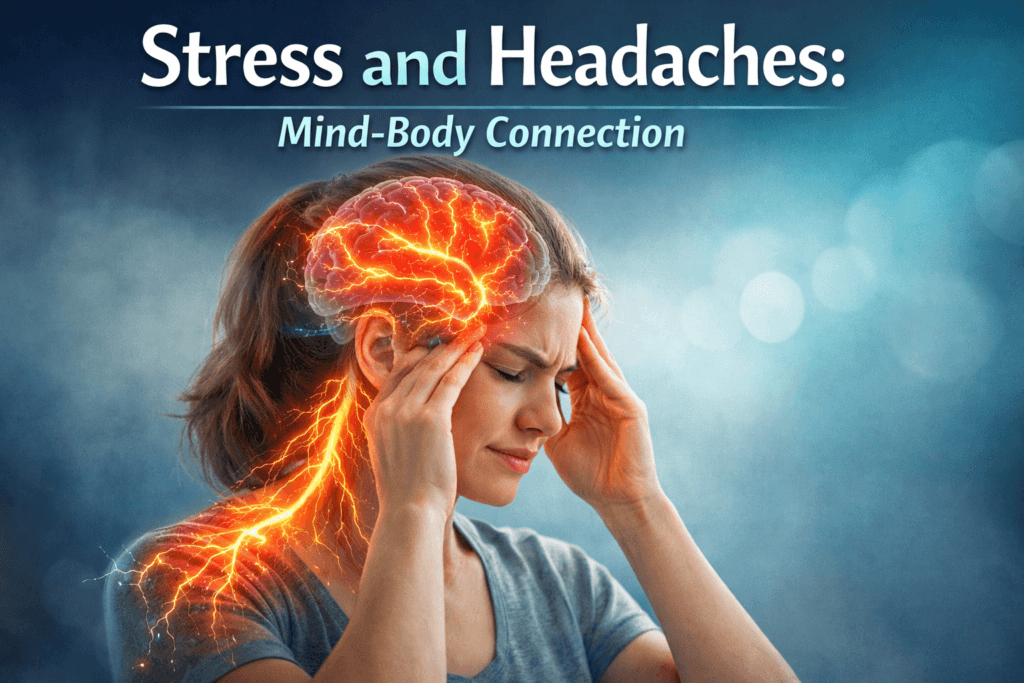
Imagine waking up with a dull pressure across your forehead, or a tight band squeezing the back of your skull, right when your mind is already racing with deadlines, responsibilities, or worry. That discomfort is more than coincidence, stress is not just a feeling, it’s a physical state that directly affects your brain, muscles, hormones, and nervous system. Chronic stress rewires your body’s responses, making headaches more frequent, more intense, and harder to manage.
Headaches linked to stress are not imagined or a sign of weakness, they are a real, measurable reaction of your nervous system to sustained psychological load. Understanding how your brain and body communicate under stress is key to breaking this cycle, in this article, we will explore the psychological mechanisms behind stress-related headaches, the types of headaches most affected, why some individuals are more vulnerable, and the strategies that actually work to reduce and prevent them.
What Stress Really Means in the Body
Stress is often described as a mental or emotional state, but it is far more than that, it is a measurable biological condition that engages multiple systems in the body, altering how the brain functions, how muscles behave, and how pain is perceived. At its core, stress is the brain’s signal that something in the environment or in your internal life requires heightened attention and rapid adaptation.
The process begins in the brain, particularly in regions responsible for threat detection and emotional regulation, including the amygdala, hypothalamus, and prefrontal cortex. When the brain perceives a challenge, threat, or overload, it activates the stress response, a cascade of reactions designed to prepare the body for action. While this system is protective in short bursts, persistent activation can have harmful consequences.
The stress response primarily involves three systems:
- The Hypothalamic-Pituitary-Adrenal (HPA) Axis: This is the hormonal arm of the stress system. The hypothalamus signals the pituitary gland, which in turn prompts the adrenal glands to release cortisol. Cortisol increases alertness, mobilizes energy stores, and temporarily suppresses nonessential functions like digestion and immune response. While this is beneficial in acute stress, prolonged elevation of cortisol disrupts recovery processes, weakens the immune system, and alters neurotransmitter balance, which can affect pain perception.
- The Autonomic Nervous System (ANS): Specifically, the sympathetic branch, which drives the classic “fight or flight” response. Heart rate accelerates, muscles tense, blood pressure rises, and the body becomes hypervigilant. While useful in emergencies, sustained sympathetic activation keeps the muscles and nervous system in a constant state of tension.
- The Pain Modulation System: Located in the brainstem and spinal cord, this system controls how intensely pain signals are processed and perceived. Chronic stress can sensitize this system, lowering pain thresholds so that stimuli that normally wouldn’t cause discomfort now trigger significant pain.
Short-term stress is adaptive. It sharpens focus, enhances reaction time, and prepares the body for immediate challenges, chronic stress, however, is not. When stress signals persist for weeks, months, or even years, the nervous system adapts in ways that make headaches more likely, more intense, and harder to control. This physiological sensitization explains why stress-related headaches are among the most common and frustrating types of head pain.
How Psychological Stress Triggers Headaches
Stress does not cause headaches through a single pathway. It operates through multiple overlapping mechanisms, each reinforcing the other, this is why stress-related headaches often feel persistent, resistant to medication, and difficult to predict.
Muscle Tension and Postural Strain
One of the most visible effects of stress is increased muscle tension. Under pressure, the muscles of the neck, shoulders, jaw, and scalp contract reflexively, even when you are unaware of it. This prolonged contraction restricts blood flow and reduces oxygen delivery to the tissues, leading to the accumulation of metabolic byproducts such as lactic acid. These byproducts stimulate pain receptors, producing the characteristic dull, pressing, or tight sensation of a tension-type headache.
The pain often feels like a band squeezing the head or a weight pressing down on the skull, notably, the tension that causes these headaches is frequently subtle and unconscious. In many cases, the headache itself is the first sign that muscles have been under prolonged stress.
Nervous System Hyperexcitability
Chronic stress also affects the nervous system at a deeper level, it lowers the threshold at which neurons fire, making the brain more reactive to stimuli that would normally be harmless. This hyperexcitability explains why stress can trigger migraines and why migraines are more severe or frequent during stressful periods.
Even mild triggers like bright lights, loud noises, skipped meals, minor emotional disturbances can now provoke intense headache episodes. Stress does not merely act as a trigger, it destabilizes the brain’s pain-filtering systems, amplifying the perception of pain and increasing both the duration and intensity of migraine attacks.
Hormonal and Neurochemical Changes
The chemical environment of the brain also shifts under chronic stress, cortisol levels remain elevated, which disrupts serotonin balance. Serotonin is critical for regulating pain and mood, low or unstable serotonin levels are closely associated with both migraine and chronic headache conditions.
Additionally, stress reduces the production of endorphins, the body’s natural painkillers. When endorphin levels drop, the nervous system perceives more pain than it otherwise would, and headaches feel sharper, longer, and more resistant to over-the-counter medications.
Sleep Disruption
Stress has a profound impact on sleep quality, further compounding headache risk. It fragments sleep, reduces deep restorative stages, and increases nighttime awakenings. Even small deficits in restorative sleep can heighten sensitivity to pain.
This creates a vicious feedback loop, stress impairs sleep, poor sleep increases pain sensitivity and headache frequency. Headaches, in turn, heighten stress and anxiety. Over time, this loop can entrench chronic headache patterns, making them more resistant to conventional treatments.
Types of Headaches Most Commonly Linked to Stress
Stress does not cause all headaches, but it is a central factor in several of the most common types. Understanding how stress interacts with each type helps explain why some headaches are persistent, severe, or difficult to treat.
Tension-Type Headaches
Tension-type headaches are the most prevalent form of stress-related headaches, they often develop gradually and intensify over the course of the day, typically easing with rest, relaxation, or stress relief techniques.
Psychological contributors include chronic worry, perfectionism, suppressed emotions, and sustained cognitive load. People with high-pressure jobs, long hours of mental focus, or emotional strain are particularly susceptible. The pain is usually described as a dull, tight, or pressing sensation, often likened to a band around the head, many sufferers underestimate the role of emotional stress because the pain feels purely physical. In reality, the headache is a downstream effect of psychological strain acting through muscle tension, nervous system sensitization, and disrupted pain regulation.
Migraines
Migraines are complex neurological disorders, not simply bad headaches, and stress is one of their most potent triggers. Stress can precipitate a migraine both during periods of high pressure and in the aftermath of stress, commonly called the letdown effect.
Psychological stress destabilizes the brain at multiple levels, it alters cortical excitability, affects blood vessel regulation, and interferes with brainstem circuits that modulate pain. Anxiety, emotional suppression, and unresolved stress often increase migraine frequency more than external triggers like certain foods, light, or weather changes. Stress can make migraines longer, more severe, and harder to manage, creating a cycle where pain and anxiety feed into each other.
Chronic Daily Headache
Chronic daily headache is defined as headaches occurring more than fifteen days per month. In almost all cases, psychological factors play a significant role.
Chronic stress maintains a state of nervous system hypervigilance, over time, the brain learns to expect pain, and the nervous system becomes sensitized. As a result, headaches may persist even after the original trigger has subsided. Central sensitization makes the nervous system more responsive to otherwise minor stimuli, creating a pattern of nearly continuous discomfort.
Why Some People Are More Vulnerable Than Others
Not everyone under stress develops headaches, individual vulnerability is shaped by a combination of psychological, physiological, and genetic factors.
1. Personality Traits
People who are highly conscientious, self-critical, or emotionally restrained tend to carry stress internally rather than expressing it outwardly. This internalization increases muscle tension, sympathetic nervous system activity, and overall nervous system load.
These traits are not weaknesses, they simply mean that the body may manifest stress physically in ways that others may not experience. Awareness of these tendencies is the first step toward prevention.
2. Trauma and Early Life Stress
Experiences of trauma or chronic stress in early life can permanently recalibrate the body’s stress response system. The nervous system of someone exposed to early adversity often anticipates threat even in neutral situations, this heightened baseline tension increases cortisol production, muscle tightness, and sensitivity to pain throughout adulthood, making stress-related headaches more likely and more severe.
3. Coping Style
How a person responds to stress can greatly influence headache risk. Avoidance, rumination, and emotional suppression amplify physiological stress responses and maintain chronic tension. Conversely, active coping strategies, emotional processing, and problem-focused approaches can significantly reduce headache frequency and intensity, even in environments that remain stressful.
4. Genetic Sensitivity
Some individuals have nervous systems that are inherently more reactive, these people experience stronger physiological responses to the same psychological stressors as others.
While this sensitivity can enhance creativity, empathy, and awareness, it also increases vulnerability to stress-induced headaches. Recognizing this trait allows for targeted strategies to prevent chronic pain before it escalates.
The Mind-Body Feedback Loop
One of the most misunderstood aspects of stress-related headaches is the way the mind and body reinforce each other in a continuous cycle. Pain and psychological stress are not separate, they feed directly into one another.
When a headache begins, it triggers anxiety and heightened vigilance, the brain interprets the pain as a threat, which increases muscle tension, tightens blood vessels, and amplifies sensory perception. This heightened state of arousal makes the headache feel worse, which in turn increases anxiety, creating a self-perpetuating loop.
Over time, the nervous system becomes conditioned to associate certain situations, thoughts, or physical sensations with pain. Even when the original stressor is gone, the body remembers and the headache can persist. Breaking this cycle requires addressing both the physical and psychological components simultaneously. Relaxation, cognitive strategies, and nervous system regulation are all necessary to reset the system.
Why Medication Alone Often Fails
Painkillers, whether over-the-counter or prescription, can temporarily reduce headache discomfort. However, they do not address the underlying mechanisms that stress-related headaches rely on.
Frequent or prolonged use of analgesics can even worsen headaches through a phenomenon known as medication-overuse headache. Beyond this, medications simply mask the symptom, they do not recalibrate the nervous system or reduce chronic stress load.
This is why many patients report diminishing returns from medication alone. Effective treatment requires a multifaceted approach: reducing nervous system hyperarousal, restoring emotional regulation, and rebuilding resilience to stress over time.
Evidence-Based Psychological Interventions
Psychological interventions are not abstract or imaginary. They are grounded in the way the brain processes stress and pain, multiple approaches have strong evidence for reducing stress-related headaches.
1. Cognitive Behavioral Therapy (CBT)
CBT helps patients identify and change thought patterns that maintain stress and physiological arousal. By learning to respond differently to stressful thoughts, muscle tension and sympathetic nervous system activity decrease. CBT has been shown to reduce both the frequency and intensity of headaches while improving coping strategies for future stress.
2. Mindfulness and Acceptance-Based Therapies
Mindfulness practices train attention away from threat-focused thinking and pain amplification. By lowering sympathetic nervous system activity and increasing parasympathetic tone, mindfulness improves the body’s natural capacity to relax. Regular practice has been linked to fewer headache days and reduced pain severity.
3. Stress Management Training
Practical techniques like time management, boundary setting, assertiveness, and structured relaxation prevent stress from reaching critical levels. The goal is not to eliminate stress entirely, which is impossible, but to maintain a manageable load that the nervous system can tolerate without triggering headaches.
4. Biofeedback
Biofeedback provides real-time feedback on physiological processes such as muscle tension, heart rate variability, and skin temperature. By learning to consciously control these functions, patients gain a sense of mastery over headache triggers. Biofeedback has proven particularly effective for tension headaches and migraines.
Lifestyle Factors That Amplify or Reduce Stress Headaches
Daily habits interact closely with stress to either amplify or mitigate headache risk.
Amplifying factors include:
- Poor hydration
- Irregular or skipped meals
- Excessive caffeine or alcohol
- Sedentary behavior
- Prolonged screen time
Protective strategies include:
- Consistent sleep schedules
- Moderate, regular exercise
- Strong social connections
- Predictable daily routines
These are not generic wellness recommendations, they directly influence nervous system stability, pain modulation, and emotional resilience. Integrating them into a daily routine can reduce both headache frequency and severity.
When Stress Is Not the Only Cause
It is important to recognize that not all headaches during stressful periods are caused by stress alone. Structural problems, hormonal fluctuations, neurological disorders, or systemic illness may coexist.
Warning signs that require medical evaluation include:
- Sudden, severe headaches
- Neurological deficits (vision changes, weakness, numbness)
- Headaches accompanied by fever or stiff neck
- Progressive worsening of headache patterns
- Headaches that wake you from sleep
Psychological factors should complement medical care, not replace it. Addressing stress while ignoring potential medical causes can delay proper diagnosis and treatment.
Breaking the Cycle
Stress-related headaches are not a sign of weakness or personal failure. They are a signal that the brain and body are operating beyond sustainable limits.
Recovery requires three key elements:
- Honest assessment of stress load: Recognizing and acknowledging stress rather than ignoring it.
- Addressing emotional patterns: Learning healthier coping strategies and reducing psychological triggers.
- Nervous system recalibration: Using relaxation, biofeedback, mindfulness, and lifestyle adjustments to restore physiological balance.
Ignoring stress does not make it disappear, the body carries unresolved tension until it manifests as pain. When psychological pressure is reduced and coping capacity restored, headaches often diminish naturally, sometimes disappearing entirely.
Final Thoughts
Stress-related headaches are not just a nuisance, they are a reflection of the body’s response to sustained psychological pressure. The pain is real, and the mechanisms behind it are complex, involving muscle tension, nervous system sensitization, hormonal shifts, and disrupted pain regulation.
Treatment that focuses solely on masking symptoms with medication misses the root of the problem. Lasting relief comes from addressing both the psychological and physiological components: reducing stress load, improving coping strategies, regulating nervous system activity, and supporting healthy lifestyle habits.
By understanding the mind-body connection, you gain the tools to interrupt the cycle of pain and stress, retrain the nervous system, and prevent headaches before they start. Headaches are not the enemy, they are a message from your body. Paying attention, responding thoughtfully, and rebuilding resilience are the first steps toward reclaiming comfort, focus, and balance in daily life.
👩⚕️ Need Personalized Health Advice?
Get expert guidance tailored to your unique health concerns through MuseCare Consult. Our licensed doctors are here to help you understand your symptoms, medications, and lab results—confidentially and affordably.
👉 Book a MuseCare Consult NowMust Read:
- The Complete Guide to Headache and Migraine: 7 Causes, Prevention & Treatment
- 12 Powerful Ways to Tell Tension Headache vs Migraine: Accurate Diagnosis Guide
- 10 Proven Ways Sleep Triggers Chronic Headaches (And How to Fix Them)
- 17 Powerful Foods That Trigger Migraines and How to Avoid Them Naturally
- When Headaches Signal Something Serious: 10 Warning Signs You Should Never Ignore

Dr. Ijasusi Bamidele, MBBS (Binzhou Medical University, China), is a medical doctor with 5 years of clinical experience and founder of MyMedicalMuse.com, a subsidiary of Delimann Limited. As a health content writer for audiences in the USA, Canada, and Europe, Dr. Ijasusi helps readers understand complex health conditions, recognize why they have certain symptoms, and apply practical lifestyle modifications to improve well-being