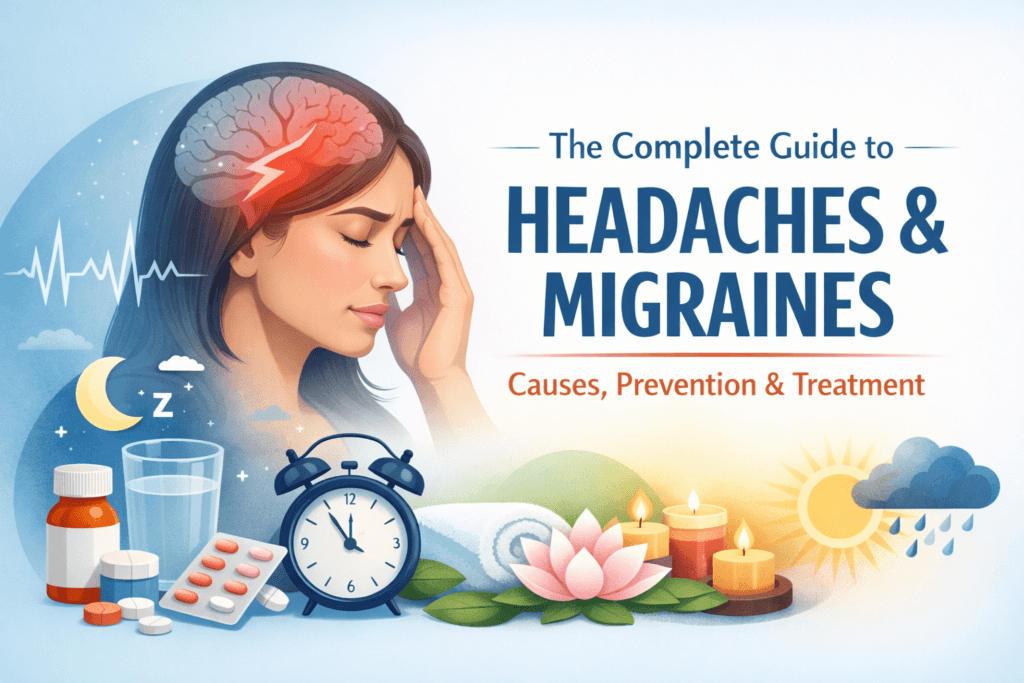
The Complete Guide to Headache and Migraine: Causes, Prevention, and Treatment
Headaches are so common that many people ignore them until they start disrupting daily life. A mild ache after a long day, pressure behind the eyes, or a pounding pain that refuses to go away can all feel familiar, but when headaches become frequent, intense, or unpredictable, they are no longer something to brush off. Migraines, in particular, can affect concentration, work, sleep, and overall quality of life, the good news is that most headaches have clear causes and practical solutions. In this guide, you will learn what different headaches really mean, why they happen, how to prevent them, and which treatments actually work, explained in a clear and straightforward way.
What Are Headaches?
A headache is pain or discomfort felt in the head, scalp, or upper neck. The intensity can range from a mild, distracting ache to severe pain that makes it hard to function, while headaches are extremely common, not all headaches are the same, and treating them correctly depends on understanding their type.
Headaches are broadly divided into two categories:
Primary Headaches:
Primary headaches occur on their own and are not caused by another disease or medical condition. The pain comes from overactivity or sensitivity of pain structures in the head, such as muscles, nerves, or blood vessels. Common examples include tension headaches and migraines.
Secondary Headaches:
Secondary headaches are a symptom of an underlying problem. These can include infections, sinus disease, high blood pressure, head injuries, medication overuse, or other medical conditions. Treating the underlying cause is essential for relief.
Knowing whether a headache is primary or secondary helps guide the right treatment and prevents unnecessary complications.
Common Types of Headaches
1. Tension Headaches:
Tension headaches are the most common type of headache experienced by adults. They usually cause a steady, dull pain on both sides of the head, many people describe the feeling as pressure or tightness, as if a band is wrapped around the forehead or the back of the head.
Common Causes
- Emotional stress and anxiety
- Poor posture, especially during long hours of sitting
- Eye strain from prolonged screen use
- Lack of sleep or irregular sleep patterns
Typical Symptoms
- Mild to moderate, non-throbbing pain
- Pressure or tightness around the head
- Muscle stiffness or soreness in the neck, shoulders, or scalp
- Pain that does not worsen with physical activity
Treatment Options
- Over-the-counter pain relievers such as acetaminophen or ibuprofen
- Stress reduction techniques, including deep breathing, meditation, or yoga
- Improving posture and workstation ergonomics
- Regular breaks from screens and repetitive tasks
Most tension headaches are manageable with lifestyle adjustments and do not indicate serious illness.
2. Migraines
Migraines are more than just severe headaches. They are a neurological condition that can significantly affect daily life. Migraine pain is often one-sided and pulsating, but the experience involves more than head pain alone.
Common Causes
- Genetic predisposition, often running in families
- Hormonal fluctuations, particularly during menstruation, pregnancy, or menopause
- Certain foods and drinks, including alcohol, caffeine, processed foods, and artificial sweeteners
- Stress, missed meals, poor sleep, and sensory triggers such as bright lights or strong smells
Typical Symptoms
- Moderate to severe throbbing or pulsating headache
- Nausea and vomiting
- Sensitivity to light, sound, and odors
- Visual disturbances such as flashing lights, blind spots, or zigzag lines, known as aura in some people
- Fatigue and difficulty concentrating
Treatment Options
- Acute treatments, including triptans, NSAIDs, and anti-nausea medications
- Preventive treatments for frequent migraines, such as daily medications and structured lifestyle changes
- Non-drug approaches like biofeedback, acupuncture, relaxation therapy, and regular sleep routines
Early treatment often shortens migraine attacks and reduces their severity.
3. Cluster Headaches
Cluster headaches are rare but among the most painful types of headaches. They occur in groups, or clusters, where attacks happen repeatedly over weeks or months, followed by long periods of remission.
Possible Causes
- The exact cause is not fully understood
- Dysfunction in the hypothalamus, the brain’s biological clock, is believed to play a role
- Triggers may include alcohol, strong odors, and changes in sleep patterns
Typical Symptoms
- Sudden, severe pain usually centered around one eye or one side of the head
- Redness, tearing, or drooping of the affected eye
- Nasal congestion or a runny nose on the same side as the pain
- Restlessness or agitation during attacks
- Attacks often occur at the same time each day or night
Treatment Options
- High-flow oxygen therapy for rapid relief
- Triptans given by injection or nasal spray
- Preventive medications to reduce the number and severity of attacks during a cluster period
Cluster headaches require medical care and should not be self-treated without guidance.
4. Sinus Headaches
Sinus headaches are caused by inflammation or infection of the sinus cavities. They are often mistaken for migraines, but the underlying cause is sinus congestion or pressure.
Typical Symptoms
- Deep, constant pressure in the forehead, cheeks, or around the eyes
- Facial tenderness
- Nasal congestion or thick nasal discharge
- Fever, fatigue, or feeling generally unwell in cases of infection
- Pain that worsens when bending forward
Treatment Options
- Decongestants or antihistamines to reduce swelling
- Nasal saline irrigation to clear mucus
- Treating underlying sinus infections with appropriate medications
Proper diagnosis is important, as many so-called sinus headaches are actually migraines.
Causes of Headaches and Migraines
Headaches and migraines do not happen randomly. In most cases, they are triggered by specific physical, emotional, or environmental factors. Identifying these triggers is one of the most effective ways to reduce how often headaches occur and how severe they become.
Common Causes and Triggers
- Stress
Emotional stress is one of the leading causes of headaches. Stress causes the muscles in the neck, shoulders, and scalp to tighten, reducing blood flow and increasing pain sensitivity. This often results in tension headaches and can also trigger migraines. - Poor Posture
Slouching, hunching over a desk, or holding the head forward for long periods places strain on the neck and upper back muscles. Over time, this muscle strain can lead to frequent tension headaches and neck-related head pain. - Sleep Disturbances
Too little sleep, poor-quality sleep, or irregular sleep schedules can disrupt brain chemistry and pain regulation. Both headaches and migraines are strongly linked to sleep problems, including insomnia and inconsistent bedtimes. - Dietary Factors
Certain foods and beverages can trigger headaches in sensitive individuals. Common triggers include alcohol, excessive caffeine, processed foods, artificial sweeteners, and foods high in preservatives. Skipping meals can also cause headaches due to drops in blood sugar. - Hormonal Changes
Fluctuations in estrogen levels play a significant role in migraines, especially in women. Migraines may worsen before or during menstruation, pregnancy, or menopause due to hormonal shifts. - Environmental Factors
Bright lights, loud noises, strong odors, air pollution, and sudden weather changes can overstimulate the nervous system and trigger headaches or migraines. - Underlying Medical Conditions
Some headaches are a symptom of another health problem. High blood pressure, sinus infections, viral illnesses, medication overuse, and neurological disorders can all cause secondary headaches that require medical evaluation.
Prevention of Headaches and Migraines
Preventing headaches usually requires a combination of healthy habits, trigger avoidance, and consistency. Small daily changes can significantly reduce headache frequency and intensity.
1. Maintain a Healthy Lifestyle
Sleep
Aim for 7 to 9 hours of quality sleep each night, go to bed and wake up at the same time daily, even on weekends, to stabilize your body’s internal clock.
Exercise
Regular physical activity improves circulation, reduces stress hormones, and releases natural pain-relieving chemicals in the brain. Activities such as walking, swimming, or cycling are often enough.
Hydration
Dehydration is a common and overlooked headache trigger. Drinking water consistently throughout the day helps prevent headaches before they start.
2. Manage Stress Effectively
Chronic stress keeps the nervous system in a constant state of tension, increasing headache risk.
- Practice relaxation techniques such as deep breathing, meditation, or gentle yoga
- Take regular breaks during work to reduce muscle tension and mental fatigue
- Consider counseling or therapy if stress is ongoing or overwhelming
3. Monitor and Adjust Your Diet
Dietary awareness plays a major role in headache prevention.
- Keep a headache diary to identify food and drink triggers
- Limit alcohol, caffeine, and highly processed foods
- Eat balanced meals at regular intervals to maintain stable blood sugar levels
4. Maintain Good Posture
Proper posture reduces strain on the neck and upper back, lowering the risk of tension headaches.
- Adjust your workstation so your screen is at eye level
- Keep your shoulders relaxed and feet flat on the floor
- Avoid leaning forward or slouching for long periods
5. Avoid Overuse of Pain Medications
Frequent use of painkillers can cause medication-overuse headaches, also known as rebound headaches.
- Use over-the-counter medications only as directed
- Avoid taking pain relievers multiple days in a row
- Consult a doctor if you rely on pain medication regularly
6. Identify and Avoid Environmental Triggers
Reducing exposure to external triggers can prevent headache onset.
- Minimize exposure to bright or flickering lights
- Use noise-reducing headphones in loud environments
- Avoid strong perfumes, smoke, or chemical odors that provoke symptoms
When to See a Doctor
Most headaches are harmless, but certain symptoms should never be ignored. Seek medical attention if you experience:
- Sudden, severe headaches that feel different from previous ones
- Headaches that progressively worsen or become more frequent
- Headaches accompanied by fever, stiff neck, confusion, rash, or seizures
- Headaches following a head injury or accident
- Changes in vision, speech, balance, or muscle strength
If headaches interfere with daily life or occur regularly, a healthcare professional can identify the cause and recommend appropriate treatment or preventive strategies.
Medical Treatments for Headaches and Migraines
Medical treatment depends on the type, frequency, and severity of headaches. Some people only need occasional relief, while others require preventive care to reduce how often headaches occur.
1. Over-the-Counter (OTC) Medications
Over-the-counter medications are often the first line of treatment for mild to moderate headaches.
Common options include:
- Acetaminophen (Tylenol), which helps relieve pain without irritating the stomach
- Nonsteroidal anti-inflammatory drugs (NSAIDs) such as ibuprofen or naproxen, which reduce pain and inflammation
- Aspirin, which can be effective but may not be suitable for everyone
These medications work well for tension headaches and mild migraines when used occasionally. However, frequent use can lead to side effects such as stomach irritation, kidney problems, or medication-overuse headaches. They should always be taken according to instructions.
2. Prescription Medications
When headaches are severe, frequent, or unresponsive to OTC drugs, prescription medications may be necessary.
Triptans
Triptans are specifically designed to treat migraines. They work by targeting serotonin receptors in the brain to reduce inflammation and narrow blood vessels. Triptans are most effective when taken early during a migraine attack.
Ergotamines
Ergotamines are an older class of migraine medications that may be used when triptans are ineffective or unsuitable. They are less commonly prescribed due to potential side effects but can still be helpful in certain cases.
Preventive Medications
For people with frequent or chronic migraines, daily preventive medications may be recommended. These do not treat pain during an attack but reduce how often migraines occur. Common preventive options include:
- Beta-blockers, often used for blood pressure control
- Anticonvulsants that stabilize nerve activity
- Certain antidepressants that affect pain pathways
A healthcare provider selects preventive treatment based on individual health factors and response to therapy.
3. Alternative and Complementary Therapies
Some people benefit from non-drug approaches, especially when combined with medical treatment.
Biofeedback:
Biofeedback teaches individuals how to control physical responses such as muscle tension and heart rate. This can reduce headache frequency and intensity by improving stress control.
Acupuncture:
Acupuncture may help reduce the number of headaches by stimulating specific points in the body that influence pain pathways and circulation.
Nutritional Supplements:
Certain supplements have shown benefit in headache prevention, including:
- Magnesium
- Riboflavin (vitamin B2)
- Coenzyme Q10
These should be used under medical guidance, especially for people with other health conditions.
Home Remedies and Self-Care
Many headaches can be managed effectively at home, particularly tension headaches and mild migraines.
Cold or Warm Compresses
- Cold compresses can reduce migraine pain by numbing nerves and reducing inflammation
- Warm compresses help relax tight muscles in the neck and shoulders, easing tension headaches
Rest in a Quiet, Dark Room
Migraines and cluster headaches often improve when sensory stimulation is reduced. Resting away from light, noise, and screens can shorten attack duration.
Hydration and Nutrition
- Drink water regularly throughout the day
- Eat small, balanced meals to prevent blood sugar fluctuations that can trigger headaches
Relaxation Techniques
Deep breathing, meditation, progressive muscle relaxation, and gentle stretching can calm the nervous system and relieve tension-related pain.
Massage
Massaging the scalp, neck, and shoulders improves blood flow and reduces muscle tightness, which may relieve tension headaches.
Headache Diary: A Powerful Tool
A headache diary is one of the most effective tools for long-term management. Recording details helps identify patterns and triggers that might otherwise go unnoticed.
Include:
- Date and time the headache starts
- Duration and severity of pain
- Foods and drinks consumed that day
- Sleep quality and duration
- Stress levels or emotional triggers
- Medications taken and their effectiveness
This information helps healthcare providers tailor treatment plans and adjust preventive strategies.
Special Considerations
Headaches During Pregnancy
Migraines may improve, worsen, or change during pregnancy due to hormonal shifts. Many headache medications are unsafe during pregnancy, so treatment decisions should always be guided by a healthcare provider.
Headaches in Children
Headaches are common in children and are often linked to stress, dehydration, vision problems, or minor infections. Persistent or severe headaches require medical evaluation to rule out underlying conditions.
Chronic Headaches
Chronic migraines are defined as headaches occurring 15 or more days per month. These require long-term preventive treatment, lifestyle modification, and sometimes referral to a headache specialist.
Lifestyle Tips for Long-Term Relief
Long-term headache control depends heavily on consistent daily habits.
- Exercise regularly: Aerobic activities such as walking, swimming, or cycling improve circulation and reduce migraine frequency
- Stay hydrated: Aim for at least eight cups of water per day, more in hot weather or during exercise
- Maintain a balanced diet: Avoid skipping meals and focus on whole foods like fruits, vegetables, and whole grains
- Follow a regular sleep routine: Go to bed and wake up at the same time each day
- Reduce screen strain: Take breaks every 20 to 30 minutes and adjust screen brightness
- Limit caffeine and alcohol: Excess use can trigger headaches or worsen migraines
When Headaches Are a Sign of Something Serious
While most headaches are harmless, they can sometimes signal serious medical issues:
- Brain aneurysm or hemorrhage
- Tumors or infections in the brain
- Stroke
- High blood pressure crisis
Seek immediate medical care if you experience sudden, severe headache, neurological symptoms (weakness, numbness, vision changes), confusion, or loss of consciousness.
Bottom Line
Headaches and migraines are incredibly common, but they should never be accepted as something you just have to live with. Most recurring headaches follow clear patterns. When you understand what type of headache you are dealing with and what triggers it, you gain real control over how often it happens and how severe it becomes.
The most important steps are simple but powerful, track your headaches so patterns become obvious, build consistent lifestyle habits around sleep, hydration, movement, and stress management. Use medications carefully and intentionally, not as a daily crutch and when headaches become frequent, severe, or disruptive, get medical guidance early instead of waiting.
Headaches are not a personal weakness or something to ignore, they are signals from the body. When you respond to them correctly, most headaches and migraines can be reduced, controlled, and in many cases prevented altogether, allowing you to function better and live more comfortably day to day.
👩⚕️ Need Personalized Health Advice?
Get expert guidance tailored to your unique health concerns through MuseCare Consult. Our licensed doctors are here to help you understand your symptoms, medications, and lab results—confidentially and affordably.
👉 Book a MuseCare Consult NowRelated Post:
- 12 Proven Ways Neck Pain Causes Headaches (and How to Stop Them)
- Headache Behind Eyes: 10 Powerful Causes and Everyday Fixes
- Dehydration Headache? 10 Proven Ways to Stop It Fast & Stay Pain-Free
- 10 Powerful Reasons Why You Feel Head Pressure Without Pain
- 7 Hidden Reasons Your Brain Feels Buzzing or Overactive and How to Calm It Fast

Dr. Ijasusi Bamidele, MBBS (Binzhou Medical University, China), is a medical doctor with 5 years of clinical experience and founder of MyMedicalMuse.com, a subsidiary of Delimann Limited. As a health content writer for audiences in the USA, Canada, and Europe, Dr. Ijasusi helps readers understand complex health conditions, recognize why they have certain symptoms, and apply practical lifestyle modifications to improve well-being