
⚠️ Affiliate Disclaimer: This post may contain affiliate links, which means I may earn a small commission at no extra cost to you, if you make a purchase through one of these links. I only recommend products or services I genuinely trust and believe can provide value. Thank you for supporting My Medical Muse!
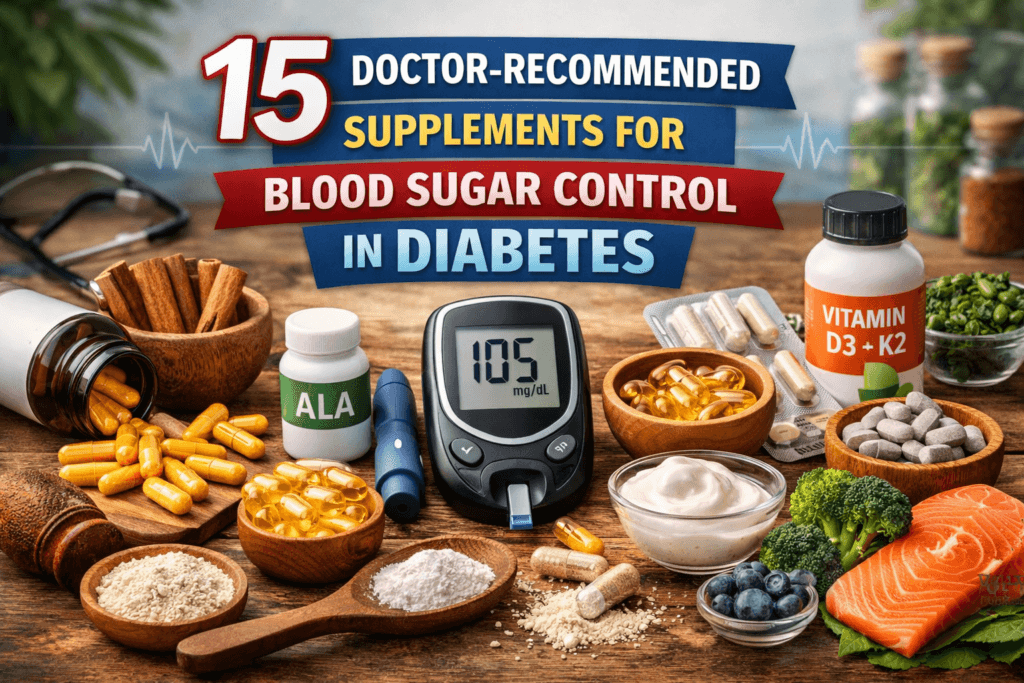
15 Doctor-Recommended Supplements for Blood Sugar Control in Diabetes (Powerful Evidence‑Backed Guide)
Managing blood sugar levels can feel like an uphill battle for millions of people living with diabetes, you may follow your diet meticulously, take your medications on time, and exercise regularly, yet those stubborn spikes or dips in glucose levels still appear, leaving you frustrated and concerned about long-term complications. It’s not a failure on your part, diabetes is complex, and even the best routines sometimes need extra support.
This is where doctor-recommended supplements come in. Unlike quick fixes or trendy products with unverified claims, these supplements are backed by research and clinical experience. They work alongside your existing treatment plan to support healthy blood sugar levels, improve insulin sensitivity, and protect your body from the oxidative stress and inflammation that diabetes can trigger.
In this article, we’ll break down the top supplements trusted by healthcare professionals, explain how they work in the body, and provide practical guidance for safely integrating them into your routine. You’ll also learn how to choose high-quality products that deliver real results because in diabetes management, the right supplement can make a measurable difference in your health and quality of life.
Why Supplements Can Help with Blood Sugar Control
Before we dive into specific supplements, it’s essential to understand why they can be a valuable part of diabetes management. While medications, diet, and exercise remain the foundation of blood sugar control, supplements provide an additional layer of support that can help your body function more efficiently and reduce complications over time. Here’s how they can help:
- Support Insulin Sensitivity
Some supplements help your cells respond better to insulin, the hormone responsible for moving glucose from the bloodstream into cells for energy. By improving insulin sensitivity, these supplements can help reduce post-meal blood sugar spikes and stabilize overall glucose levels. - Improve Glucose Metabolism
Certain nutrients enhance the body’s natural ability to metabolize glucose. This means your body can use sugar more efficiently for energy rather than allowing it to accumulate in the bloodstream, a key factor in long-term diabetes management. - Reduce Oxidative Stress and Inflammation
Chronic high blood sugar can damage cells and trigger inflammation, contributing to complications like neuropathy, cardiovascular issues, and kidney damage. Antioxidant-rich supplements help neutralize harmful free radicals, protecting your cells and supporting overall metabolic health. - Complement Lifestyle Changes
Diet, exercise, and medications are critical, but even the healthiest routines may not be enough on their own. Supplements can act as a supportive tool, helping your body respond better to lifestyle interventions and giving you a greater chance of maintaining consistent blood sugar control.
Always consult your healthcare provider before adding supplements, especially if you’re taking prescription diabetes medications. This ensures safety and prevents any unwanted interactions.
Top Doctor-Recommended Supplements for Blood Sugar Management
1. Berberine
Berberine is a naturally occurring compound found in plants such as goldenseal, barberry, and tree turmeric. It has gained widespread attention for its ability to support healthy blood sugar levels and metabolic function.
- How it works: Berberine activates AMP-activated protein kinase (AMPK), an enzyme often referred to as the body’s metabolic master switch. AMPK helps regulate glucose and lipid metabolism, improving insulin sensitivity and reducing excess glucose in the blood.
- Benefits: Research demonstrates that berberine can lower fasting blood sugar, reduce HbA1c levels, and even aid in weight management for people with type 2 diabetes. It has been compared in some studies to standard diabetes medications in its effectiveness.
- Dosage: 500 mg, two to three times per day with meals is a common clinical dosage.
- Potential Side Effects: Some people may experience mild gastrointestinal discomfort, such as gas, diarrhea, or constipation, especially when first starting berberine.
2. Cinnamon Extract
Cinnamon is more than just a flavorful spice, it has compounds that may positively affect blood sugar levels.
- How it works: Cinnamon contains bioactive compounds that mimic insulin activity and can slow the breakdown of carbohydrates in the digestive tract, helping to prevent sharp spikes in blood glucose after meals.
- Benefits: Studies suggest that cinnamon extract can help lower fasting blood sugar levels and improve lipid profiles, supporting overall metabolic and heart health.
- Dosage: Standardized cinnamon extract supplements are typically taken in doses of 1-6 grams per day, depending on the formulation.
- Safety: Cinnamon is generally safe when used in moderate amounts. However, cassia cinnamon contains coumarin, which can be harmful in large quantities over time, so Ceylon cinnamon or standardized extracts are preferred.
Get Your Cinnamon Extract Here
3. Alpha-Lipoic Acid (ALA)
Alpha-lipoic acid is a potent antioxidant that not only supports blood sugar control but also protects nerve health, a key concern for people with diabetes.
- How it works: ALA helps your cells absorb glucose more efficiently while neutralizing harmful free radicals that can damage tissues over time. This dual action supports both metabolic health and protection against oxidative stress.
- Benefits: Clinical studies show that ALA can improve insulin sensitivity and reduce symptoms of diabetic neuropathy, such as tingling, numbness, and burning sensations in the hands and feet.
- Dosage: The typical dose ranges from 300-600 mg per day, often split into two or three doses with meals.
- Safety: Generally well-tolerated, though mild gastrointestinal upset or skin rash may occur in some individuals.
Get Your Alpha-Lipoic Acid here
4. Chromium Picolinate
Chromium is an essential trace mineral that plays a vital role in maintaining normal insulin function.
- How it works: Chromium enhances insulin’s effectiveness, helping your body move glucose into cells efficiently and reducing excess blood sugar in the bloodstream.
- Benefits: Studies suggest that chromium picolinate supplementation can lower fasting blood sugar and HbA1c levels in people with type 2 diabetes, making it a valuable addition to a comprehensive diabetes management plan.
- Dosage: Daily doses typically range from 200-1000 mcg, depending on individual needs and physician recommendations.
- Safety: Generally safe for most individuals, but excessive intake may cause stomach discomfort or kidney issues in rare cases.
Get your Chromium Picolinate Here
5. Magnesium
Magnesium deficiency is common among people with diabetes and can impair insulin sensitivity, making glucose control more difficult.
- How it works: Magnesium is essential for glucose metabolism and proper insulin signaling, ensuring that your body can use blood sugar effectively.
- Benefits: Supplementation has been shown to improve insulin sensitivity, support cardiovascular health, and help maintain normal blood pressure, all crucial factors for diabetes management.
- Dosage: Recommended doses are usually 200-400 mg per day, preferably in highly absorbable forms such as magnesium citrate or glycinate.
- Safety: High doses may cause diarrhea, and individuals with kidney problems should consult a healthcare professional before use.
6. Vitamin D
Vitamin D is not only vital for bone and immune health, but it also plays a critical role in glucose metabolism.
- How it works: Adequate vitamin D supports pancreatic beta-cell function and helps improve insulin sensitivity, both of which are essential for maintaining stable blood sugar levels.
- Benefits: Low vitamin D levels are linked to a higher risk of type 2 diabetes. Supplementing vitamin D in deficient individuals may help improve blood sugar control and reduce the risk of complications.
- Dosage: Typical doses range from 1000-5000 IU daily, depending on blood levels and physician guidance.
- Safety: Excessively high doses can be harmful, so supplementation should be monitored by a healthcare professional.
7. Omega-3 Fatty Acids
Omega-3s are essential fats found in fish oil and some plant sources that help combat inflammation, a major contributor to insulin resistance.
- How it works: Omega-3s reduce inflammation in the body, support healthy cell membranes, and can positively influence insulin signaling.
- Benefits: In addition to improving metabolic function, omega-3 supplementation may reduce triglycerides and support heart health, a common concern for people with diabetes.
- Dosage: Recommended doses are typically 1000-3000 mg per day of combined EPA and DHA.
- Safety: Well-tolerated by most people; high doses may slightly increase bleeding risk in individuals taking blood thinners.
Get your Omega-3 Fish Oil Here
8. Probiotics
Gut health plays a critical, yet often overlooked, role in blood sugar regulation and overall metabolic health.
- How it works: Probiotics help balance the gut microbiome, which can influence glucose metabolism, inflammation, and even insulin sensitivity.
- Benefits: Specific strains, such as Lactobacillus and Bifidobacterium, have been shown to improve insulin response and support digestive and immune health.
- Dosage: Supplements should contain at least 10-20 billion CFUs per serving, with multiple clinically studied strains for maximum effectiveness.
- Safety: Generally safe for most individuals; some may experience mild bloating or gas during the initial adjustment period.
How to Choose the Right Supplement
Selecting the right supplements for diabetes management can feel overwhelming, given the countless options on the market. The key is to focus on quality, safety, and evidence-based effectiveness. Here’s what to look for:
- Check for Clinical Evidence: Ensure that the supplement has been tested in human studies, not just animals or laboratory settings. Clinical evidence gives you confidence that the supplement can truly support blood sugar control.
- Verify Third-Party Testing: Look for products verified by independent labs for purity, potency, and absence of contaminants. Third-party testing ensures you’re getting exactly what the label claims.
- Check Dosage: The supplement should provide the dose shown to be effective in clinical trials. Sub-therapeutic doses may offer little to no benefit.
- Avoid Proprietary Blends Without Transparency: Full ingredient lists and exact amounts matter. Proprietary blends can hide the true dosage, reducing efficacy.
- Consult Your Doctor: Always discuss supplements with your healthcare provider, especially if you are taking prescription diabetes medications, to prevent potential interactions and ensure safety.
Combining Supplements for Maximum Effect
Some supplements work synergistically, meaning their combined effect is stronger than when taken individually. Consider these combinations for enhanced benefits:
- Berberine and Cinnamon: Both improve insulin sensitivity and support stable blood sugar levels.
- Magnesium and Vitamin D: Together, they enhance glucose metabolism while supporting bone and cardiovascular health.
- Alpha-Lipoic Acid (ALA) and Omega-3 Fatty Acids: Combines antioxidant and anti-inflammatory effects for comprehensive metabolic support.
Introduce supplements gradually, one at a time, and monitor your blood sugar response to ensure safety and optimize results.
Lifestyle Factors That Boost Supplement Effectiveness
Supplements are most effective when paired with healthy lifestyle habits. Integrating these routines can amplify their blood sugar-supporting benefits:
- Balanced Diet: Focus on fiber-rich vegetables, lean proteins, and low-glycemic carbohydrates to reduce glucose spikes.
- Regular Exercise: Both aerobic and resistance training improve insulin sensitivity and glucose utilization.
- Stress Management: Chronic stress raises cortisol, which can increase blood sugar. Mindfulness, meditation, or breathing exercises can help.
- Sleep: Adequate sleep supports insulin function, appetite regulation, and overall metabolic health.
Safety Considerations
While supplements can be highly beneficial, safety should always come first:
- Medication Interactions: Some supplements, like berberine and chromium, can interact with diabetes medications. Always consult your doctor.
- Allergies: Check ingredient lists carefully to avoid adverse reactions.
- Quality Matters: Poor-quality supplements may be ineffective or even harmful. Stick to reputable brands.
- Monitor Blood Sugar: Track your glucose levels regularly to observe how supplements affect your body.
Recommended High-Quality Supplements
To make it easier to get started, here’s a curated list of doctor-recommended, high-quality supplements. Each has clinical evidence backing its efficacy:
Supplement | Key Benefit |
|
Berberine 500 mg | Blood sugar regulation | |
Ceylon Cinnamon Extract | Insulin sensitivity | |
R-Lipoic Acid 300 mg | Antioxidant, nerve support | |
Chromium Picolinate 500 mcg | Enhances insulin action | |
Magnesium Glycinate 200 mg | Supports insulin sensitivity | |
Vitamin D3 + K2 | Supports glucose metabolism | |
Omega-3 Fish Oil 1000 mg | Anti-inflammatory, heart health | |
Multi-Strain Probiotic 20B CFU | Gut health & insulin sensitivity |
Choosing clinically tested, high-quality products ensures you get the maximum benefit for your diabetes management while minimizing risk.
Tracking Results and Adjusting Your Plan
Once you start your supplement regimen, tracking your results is crucial:
- Check Fasting Blood Sugar Weekly: Focus on trends rather than single readings to understand how supplements affect your glucose levels over time.
- Monitor HbA1c Every 3 Months: Provides a long-term picture of blood sugar control.
- Adjust Lifestyle and Supplement Plan: Based on results, tolerance, and guidance from your healthcare provider.
- Consult Your Doctor: Regularly review lab results and discuss any side effects or changes in your blood sugar patterns.
By combining carefully selected supplements with lifestyle strategies and consistent monitoring, you can optimize your blood sugar control and support your long-term health.
Final Thoughts
Supplements can be a powerful ally in managing diabetes, but it’s important to remember that they are a complement, not a replacement, for a healthy lifestyle, balanced diet, or prescribed medications. The real benefits come when supplements are carefully selected, clinically supported, and used consistently alongside proven strategies for blood sugar management.
Doctor-recommended supplements from berberine to omega-3s and probiotics, can help improve insulin sensitivity, support glucose metabolism, reduce inflammation, and even protect against complications like neuropathy or cardiovascular issues. But their effectiveness depends on quality, dosage, and proper integration into your daily routine.
The most successful approach combines:
- Clinically backed supplements chosen for your specific needs,
- Balanced nutrition focused on low-glycemic foods, lean proteins, and fiber-rich vegetables,
- Regular physical activity including both aerobic and resistance exercises, and
- Consistent medical monitoring to track blood sugar trends and adjust your plan as needed.
Start by selecting one or two supplements that align with your health goals and blood sugar needs. Introduce them gradually, monitor your results, and build your regimen thoughtfully. Choose high-quality, third-party tested products with transparent dosing, as these provide the best chance of seeing real benefits.
By taking these steps, you’re not just managing your blood sugar, you’re empowering yourself to take control of your health in a sustainable, evidence-based way and with the right supplements, you can complement your lifestyle and medical plan with tools that truly make a difference.
👩⚕️ Need Personalized Health Advice?
Get expert guidance tailored to your unique health concerns through MuseCare Consult. Our licensed doctors are here to help you understand your symptoms, medications, and lab results—confidentially and affordably.
👉 Book a MuseCare Consult NowRelated Post:
- Diabetes Mellitus: 10 Essential Insights on Causes, Types, Symptoms, Complications, and Modern Management
- Early Warning Signs of Diabetes Most People Ignore: 10 Subtle Symptoms You Must Know
- Unexplained Weight Loss or Gain in Diabetes: 11 Shocking Reasons It Happens
- 7 Critical Reasons Continuous Glucose Monitoring Can Transform Your Health
- 10 Critical Insights Into Blurred Vision in Diabetes: Temporary Changes vs Dangerous Damage
- Can Diabetes Be Reversed? 7 Science-Backed Facts You Must Know

Dr. Ijasusi Bamidele, MBBS (Binzhou Medical University, China), is a medical doctor with 5 years of clinical experience and founder of MyMedicalMuse.com, a subsidiary of Delimann Limited. As a health content writer for audiences in the USA, Canada, and Europe, Dr. Ijasusi helps readers understand complex health conditions, recognize why they have certain symptoms, and apply practical lifestyle modifications to improve well-being