⚠️ Affiliate Disclaimer: This post may contain affiliate links, which means I may earn a small commission at no extra cost to you, if you make a purchase through one of these links. I only recommend products or services I genuinely trust and believe can provide value. Thank you for supporting My Medical Muse!
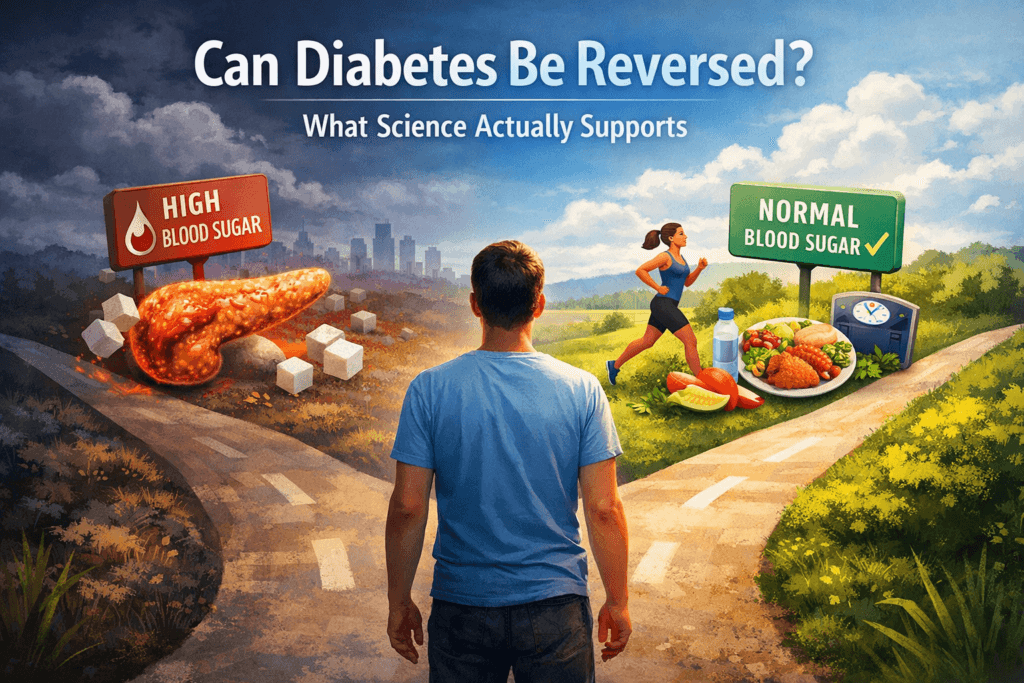
Can Diabetes Be Reversed? 7 Science-Backed Facts You Must Know
Diabetes is one of the most widespread chronic health conditions in the world, it affects hundreds of millions of people and contributes to heart disease, kidney failure, blindness, and reduced quality of life because it’s so common and consequential, it has become a magnet for misinformation, oversimplified answers, and unrealistic promises. Among the most common claims people hear is that diabetes can be reversed.
Let’s be clear, the truth is rarely simple, and claims of reversal often oversell what science actually supports. Diabetes is complex, affecting multiple organs and metabolic pathways simultaneously. Understanding whether it can be reversed requires digging into biology, clinical evidence, and real-world outcomes. This post will cut through the hype, show you what research actually demonstrates, and clarify the difference between remission and true reversal. By the end, you’ll have a clear, evidence-based picture of what’s possible, what’s likely, and what remains out of reach.
Understanding the Two Main Types of Diabetes
Before discussing reversal or remission, it’s crucial to understand that diabetes is not a single disease.
Type 1 Diabetes
Type 1 diabetes (T1D) is an autoimmune condition, the immune system mistakenly attacks and destroys the pancreatic beta cells that produce insulin. Insulin is the hormone that allows glucose (sugar) from the bloodstream to enter cells and be used for energy, without it, blood glucose rises to dangerous levels.
In type 1 diabetes:
- The body can’t produce insulin.
- Insulin must be replaced through injections or a pump.
- It typically develops in children and young adults, but it can occur at any age.
Because the beta cells are destroyed, T1D is not something that can currently be reversed. No intervention reliably restores those cells or stops the autoimmune process in a way that returns normal insulin production.
Type 2 Diabetes
Type 2 diabetes (T2D) is fundamentally different.
In T2D:
- The body still produces insulin, especially early on, but cells become resistant to its effects.
- Over time, the pancreas may also produce less insulin.
- Excess fat in the liver and pancreas contributes to both resistance and beta‑cell dysfunction.
T2D is more closely linked to lifestyle, diet, genetics, and excess body fat. This form of diabetes is far more common than type 1 and is the one most commonly discussed when people talk about remission or reversal.
What Scientists Mean by Reversal vs. Remission
Part of the confusion around diabetes comes from terminology.
Reversal
The word reversal implies that the disease is cured, that it no longer exists and will not return. For diabetes, this is a problematic term because it suggests permanence and does not reflect the underlying biology.
For type 1 diabetes, reversal would mean restoring normal, self‑sustaining insulin production and stopping the autoimmune attack, something that does not exist in mainstream medicine today.
For type 2 diabetes, reversal would mean permanently eliminating the disease process such that it can never return, even if a person gains weight again or stops lifestyle changes. The scientific community does not use reversal to describe diabetes outcomes for that reason.
Remission
The term that most health professionals and researchers use is remission.
In diabetes, remission means:
- Blood glucose levels are in the normal range
- Without the need for glucose‑lowering medications
- For a sustained period of time
A person can be in remission and still be at risk of relapse. Just like with cancer, remission does not mean the disease is gone forever.
For type 2 diabetes, remission is supported by scientific evidence. For type 1, it is not, at least not with current proven medical strategies.
The Science Behind Type 1 Diabetes and Why It Cannot Be Reversed Yet
Type 1 diabetes results from an immune attack that destroys beta cells. Once these cells are gone, the body cannot produce enough insulin or any insulin without external replacement.
Why Reversal Isn’t Possible Today
There are two major barriers to reversing type 1 diabetes:
- Immune attack continues even if beta cells are replaced, the immune system may destroy them again.
- Beta cells don’t regenerate on their own, once they’re destroyed, the body doesn’t naturally make new ones.
There are promising research avenues, such as:
- Gene‑edited beta cell transplants
- Stem cell therapies
- Immune therapies that retrain the immune system
Some early case reports have shown people producing their own insulin after receiving engineered cell transplants, but these are isolated cases in clinical settings with specialized protocols, not widely available treatments proven in large clinical trials. These approaches are still experimental, expensive, and not yet standard practice.
So the honest scientific reality today is this, Type 1 diabetes cannot be reversed with current validated medical treatments.
It can be managed very well with insulin, monitoring technologies, and support but not cured.
Why Type 2 Diabetes Can Go Into Remission
Unlike type 1, type 2 diabetes is a metabolic condition involving insulin resistance and impaired insulin secretion related to excess fat inside organs like the liver and pancreas. The key insight from research is that fat itself especially liver and pancreatic fat plays a causal role in diabetes.
When that fat decreases, insulin sensitivity improves and the pancreas begins to function better. This is why losing weight especially a significant amount of excess weight can lead to normalization of blood glucose without medications.
Evidence That Weight Loss Can Lead to Remission
Clinical trials and systematic reviews have repeatedly demonstrated that substantial weight loss improves glucose control and can bring A1c values into nondiabetic ranges without medications.
- In controlled clinical trials, people who lost 20-30% of their body weight often reached normal blood glucose levels without medication.
- Programs that intentionally induce weight loss through diet and behavioral support show high remission rates in motivated participants.
- The Diabetes Remission Clinical Trial (DiRECT) showed that a structured weight‑loss program using low‑calorie diets led to remission in a significant portion of participants.
The biological mechanism is straightforward: reducing fat in the liver and around the pancreas allows those organs to work more normally.
Bariatric Surgery: One of the Most Powerful Tools for Remission
Bariatric (or metabolic) surgery especially gastric bypass and sleeve gastrectomy has repeatedly shown remarkable effects on type 2 diabetes.
In many studies:
- Diabetes remission rates after bariatric surgery can exceed 50%, and in some protocols much higher.
- Remarkably, improvements in blood glucose often occur before significant weight loss, suggesting hormonal and metabolic shifts beyond weight alone.
Surgery changes the way the gut communicates with metabolism, enhances insulin sensitivity, and reduces fat in metabolic tissues.
However, surgery is major:
- It carries risks of complications.
- It requires lifelong medical follow‑up.
- Not everyone qualifies or wants it.
Still, for many people with severe obesity and poorly controlled diabetes, bariatric surgery is one of the most effective interventions for achieving remission.
Dietary Approaches That Support Remission
Weight loss is the primary driver of remission, but how that weight loss is achieved matters.
Very Low‑Calorie Diets:
Very low‑calorie diets (VLCDs), typically around 500-800 calories per day for several weeks under medical supervision, have been shown to rapidly improve glucose control and induce remission in many participants.
These diets are intense and should only be done with medical guidance.
Low‑Carbohydrate Diets:
Lowering carbohydrate intake helps improve blood glucose directly and may make weight loss easier for some people. Diets that reduce refined carbohydrates and emphasize whole foods, fiber, and balanced nutrition can improve insulin sensitivity and help with sustainable weight loss.
The best dietary plan is one that:
- You can adhere to long term
- Improves metabolic markers
- Is supported by routine medical monitoring
There is no single perfect diet, but calorie reduction and carbohydrate management are both evidence‑backed methods for improving glucose control.
Exercise and Lifestyle Support:
Diet and weight loss are major drivers of remission, but physical activity is an important companion.
Regular exercise:
- Improves insulin sensitivity
- Helps maintain weight loss
- Supports cardiovascular health
- Enhances metabolic flexibility
Behavioral support and structured programs also improve success rates by helping people stick to changes, cope with setbacks, and build sustainable habits. Remission is more likely when lifestyle changes are supported by coaching, monitoring, and medical care, not when someone tries to go at it alone.
How Long Does Remission Last?
Remission doesn’t mean cure it means:
- Normal glucose without medication
- Sustained over time
Research shows that if a person regains weight, stops healthy habits, or lets fat accumulate again in metabolic organs, diabetes can return.
Real‑world data indicate that:
- Remission is more likely the earlier it is attempted after diagnosis.
- Sustained weight loss improves the odds of ongoing remission.
- Long‑term support increases the likelihood of staying in remission.
This is why remission is often compared to chronic disease management, you can achieve normal metabolic function, but you must sustain the conditions that brought it about.
What About Supplements, Drugs, and Cures?
There is no evidence that any pill, herb, or supplement cures diabetes. That includes:
- Cinnamon
- Chromium
- Herbal remedies
- “Detox” programs
- Unproven miracle solutions
Some medications like GLP‑1 receptor agonists help people lose weight and improve glucose control. Used appropriately, they increase the likelihood of remission when combined with lifestyle changes but they do not by themselves rewrite the disease’s biology.
Drugs can help you get into remission, especially by helping with weight loss but they are tools, not cures by themselves.
Who Is Most Likely to Go Into Remission?
Research shows that the likelihood of remission is higher when:
- Diagnosis is recent (within a few years)
- Weight loss is significant
- Beta‑cell function is still reasonably preserved
- Support and structured programs are in place
People who have had diabetes for many years, have very low beta‑cell function, or who regain weight are less likely to stay in remission but they can still improve glucose control and reduce complications. Remission is not guaranteed, but it is attainable for many.
Realistic Expectations: What People Should Know
Here is the truth based on science:
- Type 1 diabetes cannot be reversed with current medical therapies, though research is ongoing.
Type 2 diabetes can go into remission, often through substantial weight loss and sustained lifestyle changes.
Remission is not the same as permanent cure, diabetes can return if the conditions that led to remission are not maintained. - Structured programs, medical supervision, and long‑term support dramatically improve outcomes.
Any claim that diabetes is reversed forever without ongoing lifestyle changes or that a single simple trick will cure diabetes is not supported by credible evidence.
What to Do If You Want Remission
If remission of type 2 diabetes is your goal, the most evidence‑backed strategies include:
- Work with a medical team: Doctors, dietitians, and diabetes educators.
- Aim for significant weight loss: Enough to reduce organ fat and improve insulin sensitivity.
- Follow a diet plan that reduces calorie intake: With medical supervision.
- Stay physically active: Exercise supports metabolism and weight maintenance.
- Consider all options: Including medications that aid weight loss when appropriate, and surgery when medically indicated.
- Use structured support: Coaching, behavioral therapy, and monitoring improve success.
Conclusion
Diabetes is a serious, life-altering condition, but understanding its nuances is essential to separating fact from fiction. Type 1 diabetes remains irreversible with current medical treatments, though ongoing research in gene therapy, stem cells, and immune modulation offers hope for future breakthroughs. For now, management with insulin, monitoring, and comprehensive care remains the most effective approach.
Type 2 diabetes, however, offers a different story, scientific evidence shows that remission is achievable, but it is not the result of wishful thinking, magic pills, or quick fixes. Remission requires sustained, intentional effort and relies on strategies supported by rigorous research, meaningful weight loss, targeted dietary changes, regular physical activity, and appropriate medical oversight. These interventions work because they address the underlying metabolic dysfunction, not just the symptoms.
Achieving and maintaining remission is a journey, not a one-time event. It demands consistent lifestyle choices, professional guidance, and long-term commitment. The reward, however, is significant, normalized blood sugar levels, reduced reliance on medications, and a meaningful reduction in the risk of diabetes-related complications. Understanding the difference between remission and permanent cure empowers patients to focus on what is realistically achievable, set measurable goals, and make informed decisions that improve both longevity and quality of life.
In the end, diabetes is not a hopeless condition, the path forward is evidence-based, grounded in science, and achievable with the right combination of knowledge, discipline, and support. Those who approach it with realistic expectations and sustained effort have the potential to transform their health and reclaim control over a condition that is often misunderstood.
Understanding the difference between remission and cure is important. Remission means normal glucose levels without medication for a prolonged period, it does not mean the underlying risk is gone forever.
If you are living with type 2 diabetes, remission is a realistic and evidence‑backed goal but it requires a plan, commitment, and ongoing care. No miracle solution exists, but science supports meaningful, achievable progress that can transform health and life.
👩⚕️ Need Personalized Health Advice?
Get expert guidance tailored to your unique health concerns through MuseCare Consult. Our licensed doctors are here to help you understand your symptoms, medications, and lab results—confidentially and affordably.
👉 Book a MuseCare Consult NowRelated Blog Post:
- Diabetes Mellitus: 10 Essential Insights on Causes, Types, Symptoms, Complications, and Modern Management
- How Blood Sugar Is Regulated in the Body: 10 Key Mechanisms Explained
- 7 Alarming Ways Heart Disease and Diabetes Are Secretly Linked
- 10 Powerful Steps Showing How Diabetic Kidney Disease Develops and Progresses
- 10 Critical Reasons Why Diabetes Damages Blood Vessels Before Symptoms Appear
- Diabetic Neuropathy Explained: 12 Brutal Reasons High Sugar Destroys Nerves

Dr. Ijasusi Bamidele, MBBS (Binzhou Medical University, China), is a medical doctor with 5 years of clinical experience and founder of MyMedicalMuse.com, a subsidiary of Delimann Limited. As a health content writer for audiences in the USA, Canada, and Europe, Dr. Ijasusi helps readers understand complex health conditions, recognize why they have certain symptoms, and apply practical lifestyle modifications to improve well-being