7 Surprising Reasons Why Your Blood Vessels Stiffen Early (And How to Prevent It)
⚠️ Affiliate Disclaimer: This post may contain affiliate links, which means I may earn a small commission at no extra cost to you, if you make a purchase through one of these links. I only recommend products or services I genuinely trust and believe can provide value. Thank you for supporting My Medical Muse!
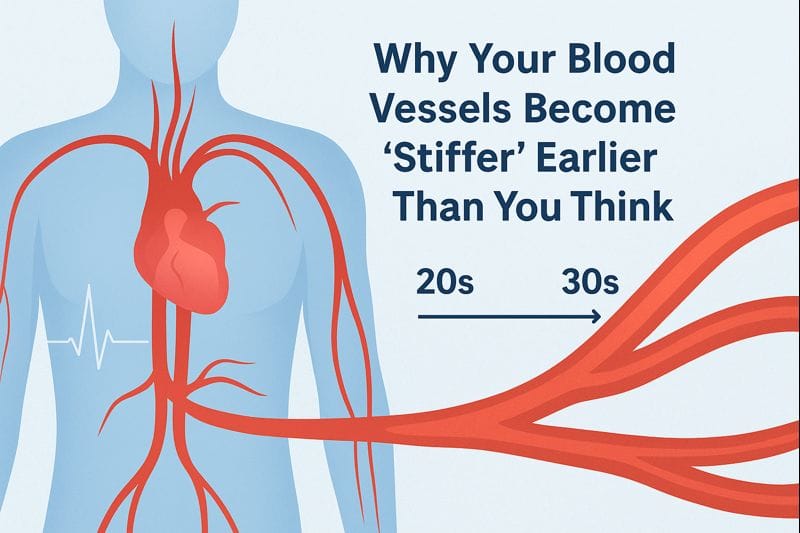
When we think about heart health, most people imagine problems like heart attacks, strokes, or high blood pressure happening in middle age or later. What’s less obvious is that the stiffness of our blood vessels, an early sign of cardiovascular stress can start much earlier, sometimes in our 20s or 30s.
Arteries are supposed to be flexible, expanding and contracting with each heartbeat. Over time, they can lose this elasticity, making the heart work harder to pump blood. This process, called arterial stiffening, often occurs silently, long before any symptoms or routine tests reveal a problem.
Early stiffening isn’t just about age; lifestyle and metabolic factors play a big role. Sedentary habits, poor diet, stress, and smoking all accelerate the loss of arterial flexibility, meaning your habits in young adulthood have lasting effects on vascular health.
The consequences go beyond the heart, stiff arteries can disrupt blood flow to the brain, kidneys, and other organs, increasing the risk of long-term health issues even if blood pressure looks normal.
The good news is that arterial stiffness is largely preventable, exercise, a balanced diet, stress management, and regular health checks can help keep arteries flexible, giving your heart and organs the protection they need for decades to come.
What Does ‘Vascular Stiffness’ Mean?
Your blood vessels, especially arteries, are not rigid pipes, they are living, dynamic structures designed to handle the constant surge of blood with every heartbeat. Healthy arteries are flexible and elastic, expanding to accommodate blood flow and contracting to maintain smooth circulation. This elasticity is crucial for regulating blood pressure, cushioning organs from pressure surges, and ensuring steady blood delivery to vital tissues.
When arteries stiffen, this natural elasticity declines. Stiffer arteries force the heart to work harder to pump blood, often raising systolic blood pressure and disturbing the delicate flow of blood to critical organs like the brain and kidneys. Over time, this contributes not only to cardiovascular disease but also to cognitive decline, kidney stress, and other systemic complications.
The alarming reality is that arterial stiffening often begins silently, decades before any noticeable symptoms appear. You may feel completely healthy, have normal blood pressure readings, and still be experiencing early vascular changes that could increase your risk of serious health problems later in life.
How We Measure Arterial Stiffness
Medical professionals use several techniques to detect arterial stiffening before it manifests as disease. One of the most common measures is pulse wave velocity (PWV). This test tracks how fast blood pressure waves travel through the arteries, faster waves indicate stiffer vessels. Remarkably, PWV can reveal early vascular aging even in people with normal blood pressure and cholesterol levels.
Another method is the augmentation index, which analyzes the shape of the arterial pulse to assess stiffness and wave reflection within the arteries. Together, these tests provide a more precise picture of vascular health than standard blood pressure readings alone, allowing early detection and intervention before irreversible damage occurs.
Why Stiffness Happens Early
Arterial stiffening is influenced by a combination of lifestyle, metabolic, and environmental factors. The good news is that many of these contributors are modifiable if addressed early.
1. Lifestyle Factors
- Sedentary behavior: Prolonged sitting reduces the natural mechanical stress that keeps arteries elastic. Regular movement and exercise stimulate nitric oxide production, which relaxes blood vessels and preserves flexibility. Without this stimulus, arteries stiffen faster.
- Poor diet: Diets high in refined sugar, excess salt, trans fats, and low in fiber or antioxidants accelerate inflammation and glycation, which damages arterial walls. Even moderately unhealthy eating habits in your 20s can trigger premature vascular aging.
- Smoking: Tobacco introduces toxins that cause oxidative stress, inflammation, and damage to the endothelium, the thin inner lining of arteries. Smokers often develop stiffer arteries earlier than non-smokers, even at a young age.
- Alcohol consumption: While moderate intake may offer minor cardiovascular benefits, overuse increases inflammation and oxidative damage, speeding up arterial stiffening.
2. Metabolic Factors
- Insulin resistance and early diabetes: Chronically high blood sugar levels promote glycation, a process where sugar binds to arterial proteins, making them rigid. Even prediabetes can increase arterial stiffness.
- Obesity: Excess body fat, particularly around the abdomen, releases inflammatory molecules called cytokines that compromise arterial health. Studies show that arterial stiffening can begin in overweight young adults, even before blood pressure rises.
- Dyslipidemia: High LDL (bad cholesterol) or low HDL (good cholesterol) contributes to plaque buildup and arterial wall damage, often, arteries stiffen before visible atherosclerotic plaques form, serving as an early warning signal.
3. Blood Pressure Dynamics
Even modest increases in blood pressure can have a lasting impact on arterial elasticity over time. Young adults with borderline or slightly elevated readings are already at risk of early arterial stiffening. The relationship is a vicious cycle, stiff arteries elevate systolic pressure, and higher pressure, in turn, further stiffens the vessels. This feedback loop can quietly accelerate vascular aging, often well before clinical hypertension is diagnosed.
Monitoring blood pressure regularly even in your 20s and 30s is crucial. Subtle changes in readings, especially combined with other risk factors, may indicate that your arteries are losing flexibility and warrant early preventive action.
4. Hormonal and Molecular Influences
Endothelial dysfunction: The endothelium is a delicate inner lining of blood vessels responsible for producing nitric oxide and other compounds that relax and protect arteries. Damage caused by oxidative stress, inflammation, or toxins reduces nitric oxide availability, directly promoting stiffness.
Hormonal shifts: Hormones play a significant role in vascular health. Low estrogen levels in women or reduced testosterone in men even in early adulthood can affect arterial flexibility. Subtle hormonal imbalances can accelerate stiffening and compromise blood vessel function.
Chronic inflammation: Even low-grade, subclinical inflammation slowly damages vessel walls over time. Contributing factors include poor sleep, chronic stress, and obesity.
Advanced glycation end products (AGEs): These sugar-modified proteins accumulate in the arterial wall, crosslinking collagen and elastin fibers. The result is irreversible stiffening. Diets high in processed foods, sugary drinks, and refined carbohydrates accelerate AGE formation and promote early vascular aging.
Silent Signals That Arteries Are Stiffening
Arterial stiffening develops gradually, often without obvious symptoms. However, subtle signs may hint that your vessels are aging faster than your chronological age:
- Mild, unexplained fatigue during physical activity
- Subtle memory lapses or cognitive decline
- Morning headaches or dizziness
- Increased pulse pressure (the difference between systolic and diastolic blood pressure)
- Early signs of hypertension during routine checkups
Routine cardiovascular screenings, along with specialized measures like pulse wave velocity (PWV), can detect these changes long before overt disease appears, providing a crucial window for early intervention.
Long-Term Consequences of Early Stiffening
Even modest arterial stiffening in youth can have cascading effects over decades:
- Heart strain: Stiff arteries force the heart to pump against greater resistance, increasing workload on the left ventricle and the risk of hypertrophy.
- Cognitive impact: Reduced cushioning of blood flow to the brain raises the risk of small vessel disease, white matter damage, and later cognitive decline.
- Kidney stress: High pulsatile pressures from stiff arteries can damage delicate glomeruli, contributing to chronic kidney disease.
- Accelerated atherosclerosis: Stiff arteries are more prone to plaque buildup and rupture, elevating the risk of cardiovascular events earlier in life.
What Accelerates Early Arterial Stiffening?
Some lifestyle and environmental factors accelerate vascular aging more subtly than you might expect:
- Chronic stress: Elevates cortisol, raises blood pressure, and promotes inflammation.
- Sleep deprivation: Disrupts vascular repair processes and metabolic regulation.
- Air pollution: Exposure to particulate matter accelerates endothelial damage.
- Sedentary screen time: Prolonged sitting reduces physical activity, alters vascular tone, and lowers nitric oxide availability.
Even individuals with normal blood pressure or cholesterol are not immune. These hidden stressors silently age the arteries, making early awareness and preventive measures essential.
How to Protect Arterial Health Early
The encouraging news is that arterial stiffening is highly modifiable, especially when addressed before symptoms or overt cardiovascular disease appear. By adopting proactive lifestyle habits and monitoring key health markers, you can preserve vascular flexibility and reduce long-term cardiovascular risk.
1. Optimize Lifestyle
Exercise: Regular physical activity is one of the most effective ways to maintain arterial elasticity. Both aerobic exercise like brisk walking, cycling, or swimming and resistance training improve vascular flexibility. High-intensity interval training (HIIT) has also demonstrated strong benefits in young adults, helping to enhance endothelial function and reduce arterial stiffness.
Diet: Focus on whole, nutrient-rich foods. Emphasize vegetables, fruits, nuts, legumes, and omega-3-rich sources such as fatty fish or flaxseed. Limit intake of refined sugars, processed foods, trans fats, and excess salt, all of which promote inflammation and glycation, contributing to vascular aging.
Quit smoking: Even occasional smoking accelerates arterial damage and stiffening. Eliminating tobacco completely has immediate and long-term vascular benefits.
Moderate alcohol intake: While small amounts may offer minor cardiovascular benefits, excessive alcohol increases inflammation and oxidative stress. Minimizing alcohol consumption, especially if other risk factors are present, protects arterial health.
2. Manage Metabolic Health
Maintaining optimal metabolic function is essential for arterial flexibility:
- Healthy weight and waist circumference: Excess abdominal fat produces inflammatory molecules that compromise blood vessels. Maintaining a healthy body composition reduces early vascular stress.
- Monitor blood sugar and lipid levels: Even in early adulthood, keeping blood sugar, LDL cholesterol, and HDL cholesterol in check prevents metabolic damage to arteries.
- Address insulin resistance and prediabetes promptly: Early intervention can halt or reverse processes that stiffen arteries.
- Support with polyphenol-rich foods: Berries, dark chocolate, green tea, and other antioxidant-rich foods reduce oxidative stress and protect endothelial function.
3. Support Hormonal Balance and Sleep
Hormones and sleep quality play critical roles in maintaining vascular health:
- Sleep: Aim for 7-9 hours of restorative sleep nightly. Poor sleep disrupts vascular repair processes and metabolic balance.
- Stress management: Chronic stress elevates cortisol, contributing to arterial stiffening. Mindfulness practices, regular exercise, or therapy can help manage stress effectively.
- Hormonal awareness: For women, estrogen has protective effects on arterial flexibility, while men should monitor testosterone levels if symptoms suggest imbalance. Maintaining hormonal balance supports healthy vascular tone.
4. Regular Screening and Monitoring
Early detection allows for targeted interventions before stiffening becomes irreversible:
- Blood pressure tracking: Measure at home and during routine medical visits to detect subtle increases.
- Advanced arterial testing: Ask your physician about pulse wave velocity (PWV) or augmentation index assessments if you have risk factors. These measures can reveal early stiffening before traditional tests show problems.
- Proactive interventions: Early recognition enables timely lifestyle or medical interventions, which can prevent or even reverse vascular changes.
5. Emerging Therapies and Supplements
While lifestyle changes remain the cornerstone of prevention, certain supplements and therapies can support vascular health:
- Nitric oxide boosters: Beetroot, citrulline, and nitrate-rich foods improve endothelial function and vascular flexibility.
- Omega-3 fatty acids: Help reduce inflammation and enhance arterial compliance.
- Lifestyle-focused pharmacology: In selected cases, medications such as ACE inhibitors or statins may improve arterial elasticity beyond their effects on blood pressure or cholesterol.
These interventions are most effective when combined with consistent lifestyle practices rather than used in isolation.
Myths About Vascular Aging
1.Young people don’t need to worry about arteries.
Stiffening begins early and silently. Waiting until middle age is often too late for full prevention.
2.Normal blood pressure equals healthy arteries.
Blood pressure can remain normal while arteries lose elasticity, especially in sedentary or metabolically stressed individuals.
3.Supplements alone can reverse stiffening.
While helpful, supplements cannot replace regular exercise, a healthy diet, and other lifestyle interventions.
Integrating Prevention Into Daily Life
Practical, consistent habits can dramatically slow arterial aging:
- Stand and move every 30-60 minutes, especially if you have a sedentary job.
- Include regular aerobic activity such as brisk walking, cycling, or swimming.
- Favor plant-based meals, lean proteins, and nutrient-dense foods.
- Track blood pressure and waist circumference to monitor cardiovascular risk.
- Prioritize sleep and stress management to support vascular repair.
- Avoid smoking and minimize alcohol intake.
Even small, incremental improvements like swapping soda for water, taking walking breaks during the day, or practicing mindfulness can have a significant impact on maintaining arterial flexibility over time.
The Bottom Line
Your arteries speak long before traditional warning signs like high blood pressure or elevated cholesterol appear. Stiffening often begins silently in your 20s or 30s, shaped by lifestyle habits, metabolic changes, and environmental stressors. Ignoring these early shifts isn’t harmless, it quietly sets the stage for heart, brain, and kidney problems later in life.
The power lies in early action. Simple, consistent steps, moving your body, eating nutrient-rich foods, managing stress, prioritizing sleep, and monitoring key health markers can preserve or even restore arterial flexibility. These aren’t just preventative measures, they are tools to actively shape how you age.
By paying attention to the subtle signs and intervening early, you can turn invisible vascular aging into a tangible plan for lifelong cardiovascular health. In essence, protecting your arteries today gives your heart, mind, and organs the best chance to thrive for decades ahead.
👩⚕️ Need Personalized Health Advice?
Get expert guidance tailored to your unique health concerns through MuseCare Consult. Our licensed doctors are here to help you understand your symptoms, medications, and lab results—confidentially and affordably.
👉 Book a MuseCare Consult NowRelated Blog Post:
- Can Dehydration Raise Your Blood Pressure? 10 Powerful Reasons Why
- 7 Powerful Reasons Why Your Blood Pressure Drops After Eating (and Easy Fixes)
- 7 Powerful Reasons Why Your Blood Pressure Rises at the Doctor’s Office (The White Coat Effect Explained)
- 7 Hidden Triggers of High Morning Blood Pressure You Need to Know Now
- 10 Life-Changing Morning Habits That Naturally Lower Blood Pressure

Dr. Ijasusi Bamidele, MBBS (Binzhou Medical University, China), is a medical doctor with 5 years of clinical experience and founder of MyMedicalMuse.com, a subsidiary of Delimann Limited. As a health content writer for audiences in the USA, Canada, and Europe, Dr. Ijasusi helps readers understand complex health conditions, recognize why they have certain symptoms, and apply practical lifestyle modifications to improve well-being