
⚠️ Affiliate Disclaimer: This post may contain affiliate links, which means I may earn a small commission — at no extra cost to you — if you make a purchase through one of these links. I only recommend products or services I genuinely trust and believe can provide value. Thank you for supporting My Medical Muse!
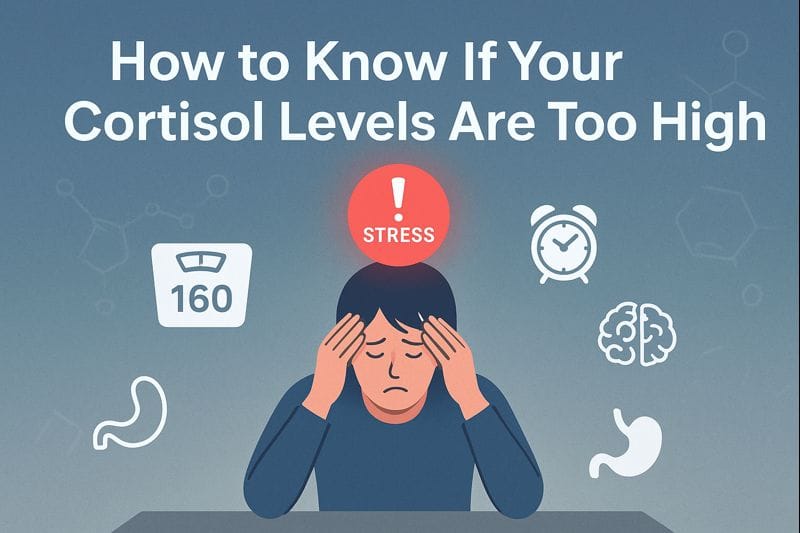
7 Powerful Warning Signs of High Cortisol Levels Quietly Harming You
Have you ever felt exhausted, stressed, or unable to sleep, yet couldn’t pinpoint why? Your body might be sending subtle warnings that your cortisol levels are too high. Cortisol, often called the “stress hormone,” is essential for many bodily functions, but when it stays elevated for too long, it can quietly wreak havoc on your health. This guide will help you recognize the signs of high cortisol, understand its causes, and take practical steps to restore balance and reclaim your energy.
What Is Cortisol?
Cortisol, commonly known as the “stress hormone,” is produced by the adrenal glands and plays a crucial role in keeping your body functioning properly. It influences a wide range of physiological processes that are essential for survival and overall health. Key functions of cortisol include:
- Metabolism: Cortisol helps convert proteins, carbohydrates, and fats into energy, ensuring your body has fuel to respond to daily demands.
- Immune Response: It regulates inflammation and modulates immune system activity, helping your body respond to injury or infection.
- Blood Pressure Regulation: Cortisol supports cardiovascular function by helping maintain proper blood pressure levels.
- Stress Response: During stressful situations, cortisol is released to prepare your body for a “fight or flight” response, increasing alertness and energy availability.
- Circadian Rhythm: Cortisol levels naturally fluctuate throughout the day, peaking in the morning to help you wake up and tapering off at night to allow restful sleep.
While occasional spikes in cortisol are normal and beneficial, consistently high levels over time can negatively impact your health and well-being.
Causes of High Cortisol Levels
Chronically elevated cortisol can stem from multiple lifestyle, medical, or environmental factors. Understanding these causes is the first step toward managing your stress hormone effectively.
1. Chronic Stress
Persistent emotional, mental, or physical stress is the most common driver of high cortisol. Ongoing pressures from work, relationships, or financial obligations keep your body in a constant state of alert, preventing cortisol levels from returning to normal.
2. Sleep Deprivation
Sleep is essential for hormonal balance, including cortisol regulation. Inadequate or disrupted sleep can lead to abnormally high cortisol levels in the evening, making it harder to fall asleep and creating a vicious cycle of fatigue and stress.
3. Poor Diet
Nutrition directly affects cortisol production. Diets high in sugar, refined carbohydrates, caffeine, and processed foods can trigger cortisol spikes. Conversely, insufficient intake of key nutrients like magnesium, vitamin C, and omega-3 fatty acids impairs your body’s ability to regulate stress hormones effectively.
4. Medical Conditions
Some medical conditions cause abnormal cortisol production, including:
- Cushing’s Syndrome: A rare disorder marked by excessive cortisol secretion.
- Adrenal Tumors: Tumors on the adrenal glands can lead to elevated cortisol levels.
- Pituitary Gland Dysfunction: The pituitary gland may overstimulate the adrenal glands, resulting in too much cortisol.
5. Medications
Prolonged use of corticosteroid medications, such as prednisone, can mimic cortisol and increase overall levels in the body, leading to similar side effects as naturally elevated cortisol.
Signs Your Cortisol Levels May Be Too High
High cortisol doesn’t appear overnight. It develops gradually, often making it difficult to detect until physical or emotional symptoms become pronounced. Here are key indicators to watch for:
1. Unexplained Weight Gain
Cortisol encourages fat storage, particularly around the abdomen, face, and neck. If you’re gaining weight despite maintaining your usual diet and exercise routine, high cortisol may be contributing.
2. Persistent Fatigue
Although cortisol initially provides a temporary energy boost, chronic elevation can lead to adrenal fatigue. You may feel exhausted, drained, or unable to complete daily tasks, even after a full night of sleep.
3. Sleep Disturbances
High cortisol can interfere with your natural sleep-wake cycle. Symptoms may include difficulty falling asleep, waking frequently during the night, or experiencing non-restorative sleep, leaving you tired the next day.
4. Mood Changes
Elevated cortisol affects brain chemistry, potentially leading to emotional and cognitive issues such as:
- Anxiety: Feeling constantly on edge or overwhelmed.
- Irritability: Short temper or frequent frustration over minor issues.
- Depression: Persistent low mood, lack of motivation, or hopelessness.
- Poor Concentration: Difficulty focusing, forgetfulness, or “brain fog.”
5. Additional Symptoms
High cortisol can also manifest in other ways, including:
- Digestive Issues: Bloating, indigestion, or changes in appetite.
- Skin and Hair Changes: Thinning skin, easy bruising, slow wound healing, or hair thinning.
- Weakened Immune Function: Increased susceptibility to infections or slower recovery times.
- High Blood Pressure: Cortisol influences sodium retention, contributing to elevated blood pressure.
High cortisol is a silent disruptor of both physical and mental health. By recognizing early warning signs ranging from unexplained weight gain and persistent fatigue to mood swings and sleep issues, you can take proactive steps to restore balance. Identifying the underlying causes, whether lifestyle-related or medical, is essential for effective management.
5. Skin and Hair Changes
High cortisol levels can interfere with collagen production, which is essential for skin strength and elasticity. Over time, this can lead to:
- Thinning skin: Making your skin more fragile and prone to injuries.
- Easy bruising: Minor bumps may leave noticeable marks.
- Slow wound healing: Cuts or scrapes take longer to recover.
- Hair thinning or hair loss: Cortisol can disrupt hair growth cycles, leading to noticeable shedding.
These visible changes often serve as subtle indicators that your stress hormone levels may be chronically elevated.
6. Digestive Problems
Chronic stress and elevated cortisol can disrupt gut function and digestion. This may result in:
- Acid reflux: Increased stomach acid can cause heartburn.
- Indigestion: Difficulty digesting food, bloating, or discomfort after meals.
- Bloating: Cortisol affects gut motility, leading to gas retention.
- Changes in appetite: Some people overeat due to stress, while others lose appetite entirely.
A healthy gut is closely linked to hormonal balance, making digestive disturbances a common sign of high cortisol.
7. Weakened Immune System
Cortisol suppresses the immune response by reducing inflammation and white blood cell activity. While this can be helpful in short-term stress situations, chronically high cortisol:
- Increases susceptibility to infections.
- Slows recovery from illness or injury.
- Contributes to longer-term health problems if immune suppression persists.
8. High Blood Pressure
Cortisol encourages the body to retain sodium and water, which can elevate blood pressure over time. Chronic high blood pressure increases the risk of cardiovascular complications such as heart attacks and strokes, making it a serious concern if cortisol remains unchecked.
9. Memory and Cognitive Issues
Excessive cortisol affects the hippocampus, the part of the brain responsible for memory and learning. High cortisol can lead to:
- Forgetfulness or difficulty recalling information.
- Poor concentration and reduced mental clarity.
- Cognitive fatigue, often referred to as “brain fog.”
How to Test Your Cortisol Levels
If you suspect your cortisol is too high, proper testing is essential for accurate diagnosis. Common methods include:
1. Blood Test
A blood test measures cortisol at specific times, usually morning (when it’s naturally highest) and evening (when it should be lowest). This can identify abnormal patterns.
2. Saliva Test
Saliva testing tracks cortisol throughout the day, offering a detailed view of fluctuations and circadian rhythm abnormalities.
3. Urine Test
A 24-hour urine collection measures total cortisol output. It is often used to diagnose conditions such as Cushing’s syndrome.
4. Dexamethasone Suppression Test
This specialized test evaluates how your body responds to synthetic cortisol, helping to detect abnormal overproduction by the adrenal or pituitary glands.
Health Risks of Chronically High Cortisol
If left unmanaged, elevated cortisol can lead to serious long-term health consequences, including:
- Obesity: Abdominal fat accumulation raises cardiovascular risk.
- Type 2 Diabetes: Cortisol promotes insulin resistance, increasing blood sugar levels.
- Cardiovascular Disease: Persistent high blood pressure and stress on the heart.
- Osteoporosis: Excess cortisol reduces bone density, making fractures more likely.
- Mental Health Disorders: Anxiety, depression, and cognitive decline are more common.
- Weakened Immunity: Higher susceptibility to infections and slower recovery rates.
Lifestyle Strategies to Lower Cortisol Naturally
Managing cortisol effectively requires addressing the root causes: stress, sleep patterns, diet, and overall lifestyle. Here are proven strategies:
1. Stress Management
Techniques such as meditation, deep breathing exercises, yoga, and mindfulness practices can significantly reduce cortisol levels and improve overall emotional resilience.
2. Exercise Wisely
Moderate aerobic activity, like walking, swimming, or cycling, helps regulate cortisol. Avoid excessive high-intensity workouts when stressed, as these can temporarily elevate cortisol further.
3. Prioritize Sleep
Aim for 7-9 hours of restorative sleep per night. Keep a consistent sleep schedule, reduce screen exposure before bedtime, and create a relaxing bedtime routine to support natural cortisol rhythms.
4. Balanced Nutrition
A nutrient-rich diet helps regulate stress hormone production:
- Whole foods: Vegetables, fruits, lean proteins, and healthy fats.
- Low sugar intake: Minimize sugary drinks and processed snacks.
- Caffeine moderation: Excess coffee can spike cortisol levels.
- Micronutrients: Magnesium, vitamin C, omega-3 fatty acids, and B vitamins support adrenal and stress function.
5. Social Support
Strong relationships and social connections act as buffers against stress, naturally lowering cortisol and improving emotional well-being.
6. Relaxation Techniques
Engaging in hobbies, listening to music, spending time outdoors, or practicing mindful breathing can reduce stress hormone levels significantly.
7. Professional Support
Therapists, nutritionists, and functional medicine practitioners can provide personalized guidance and structured plans to help normalize cortisol and restore balance.
Supplements That May Help
Certain supplements have been shown to support healthy cortisol levels and help the body better manage stress. While not a replacement for lifestyle changes or medical treatment, they can be valuable tools when used appropriately:
- Ashwagandha: This adaptogenic herb is known for its ability to lower cortisol levels, improve stress resilience, and support overall adrenal function.
- Phosphatidylserine: Can help blunt cortisol response during acute stress, improving cognitive performance and reducing fatigue.
- Omega-3 Fatty Acids: Found in fish oil and certain plant sources, these reduce inflammation, support brain health, and may indirectly regulate stress hormone levels.
- Magnesium: Essential for nervous system function, magnesium helps relax muscles and supports the body’s natural stress response.
Always consult a healthcare professional before starting any supplements, especially if you have underlying medical conditions or are taking medications. Supplements should complement, not replace, other stress-management strategies.
When to Seek Medical Help
While mild elevations in cortisol can often be managed through lifestyle changes, persistently high levels may indicate serious underlying conditions, such as Cushing’s syndrome or adrenal tumors. Seek professional medical advice if you experience any of the following:
- Rapid and unexplained weight gain, particularly in the face and abdomen
- Purple or reddish stretch marks on the stomach, thighs, or arms
- Severe fatigue that is not relieved by rest or sleep
- Persistent high blood pressure
- Muscle weakness or decreased physical endurance
A qualified healthcare provider can order the necessary tests using blood, saliva, or urine cortisol measurements and recommend appropriate treatment.
Medical Treatments for High Cortisol
If lifestyle interventions are insufficient, medical treatments may be necessary. The approach depends on the underlying cause:
- Medication: Certain drugs can suppress cortisol production or block its effects on the body.
- Surgery: Removal of adrenal or pituitary tumors that are causing excessive cortisol production.
- Radiation Therapy: Used in cases of pituitary tumors when surgery is not fully effective.
Treatment plans are individualized, and ongoing monitoring is essential to ensure cortisol levels return to a healthy range.
Early Detection Is Key
High cortisol often develops gradually, making early recognition vital. Paying attention to subtle signs such as unexplained weight gain, mood swings, sleep disturbances, and persistent fatigue can help you intervene before serious health complications arise.
By identifying and addressing elevated cortisol early, you can:
- Protect your cardiovascular and metabolic health
- Improve energy levels and mental clarity
- Strengthen immunity and reduce inflammation
- Maintain a healthier body composition
Cortisol is essential for survival, but balance is key. Lifestyle strategies, mindful stress management, and professional guidance can help keep your cortisol levels in check, allowing you to feel more energetic, focused, and resilient.
Conclusion
Feeling constantly stressed, fatigued, or unable to focus could be your body’s way of signaling that cortisol levels are too high. Cortisol is essential for survival, but when it remains elevated for too long, it quietly impacts metabolism, immune function, sleep, and overall health. The good news is that by recognizing the signs early and taking deliberate steps, through lifestyle adjustments, stress management, proper nutrition, and professional guidance, you can restore balance and reclaim your vitality.
Key Takeaways
- Cortisol is crucial for stress response and metabolism, but chronically high levels are harmful.
- Factors such as chronic stress, poor sleep, an unhealthy diet, and certain medical conditions can elevate cortisol.
- Watch for warning signs like unexplained weight gain, fatigue, sleep disturbances, mood changes, and digestive issues.
- Cortisol testing options include blood, saliva, and urine tests, along with specialized suppression tests.
- First-line strategies include lifestyle interventions: stress management, quality sleep, balanced nutrition, regular exercise, and strong social support.
- In some cases, medical evaluation and treatment are necessary to address underlying conditions.
Listening to your body and addressing high cortisol early is not just about managing stress, it’s about protecting your health, boosting energy, improving mental clarity, and maintaining long-term well-being.
👩⚕️ Need Personalized Health Advice?
Get expert guidance tailored to your unique health concerns through MuseCare Consult. Our licensed doctors are here to help you understand your symptoms, medications, and lab results—confidentially and affordably.
👉 Book a MuseCare Consult NowMust Read:
- 9 Proven Ways Micro-Stress Disrupts Cortisol Rhythm and How to Fix It
- Why Your Cortisol Spikes at Night (7 Natural Solutions to Restore Your Sleep)
- Perimenopause Bedtime Anxiety: 9 Proven Ways to Calm Cortisol and Sleep Better
- 7 Best Bedtime Herbal Tea for Anxiety and Cortisol
- 15 Early Warning Signs of Fatty Liver Disease You Should Never Ignore

Dr. Ijasusi Bamidele, MBBS (Binzhou Medical University, China), is a medical doctor with 5 years of clinical experience and founder of MyMedicalMuse.com, a subsidiary of Delimann Limited. As a health content writer for audiences in the USA, Canada, and Europe, Dr. Ijasusi helps readers understand complex health conditions, recognize why they have certain symptoms, and apply practical lifestyle modifications to improve well-being