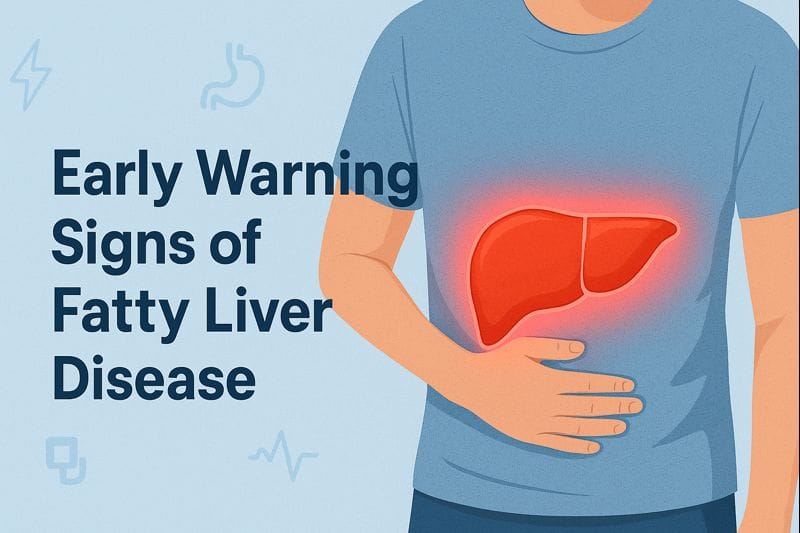
Most people who develop fatty liver disease never feel it happening, there’s no sharp pain, no dramatic symptoms, and nothing that immediately signals trouble. Yet silently, fat begins accumulating in the liver, triggering metabolic changes that can set the stage for far more serious conditions years down the line.
That’s the danger, the earliest red flags don’t look like liver problems at all. They show up as everyday issues like fatigue, bloating, stubborn weight gain, shifts in appetite, or unexplained metabolic changes, symptoms that many people ignore or blame on stress, aging, or a busy lifestyle.
But understanding these subtle clues early can change everything. Spotting the warning signs before inflammation, fibrosis, or cirrhosis begins is the key to protecting long-term liver function and overall metabolic health.
This guide breaks down the early warning signs that matter most, the patterns that distinguish liver-related symptoms from other conditions, and what steps to take the moment you start noticing them.
Why Fatty Liver Disease Is Often Missed Early
The liver is responsible for detoxification, energy storage, hormone metabolism, digestion, immunity, and blood sugar regulation because it manages such a wide range of essential tasks, early damage rarely produces obvious symptoms. The liver is incredibly adaptive, it keeps functioning even as fat builds up in its cells and inflammation begins.
Fat accumulation starts when metabolic processes fall out of balance. Over time, this excess fat triggers oxidative stress, hormonal disruption, and impaired detoxification but the body compensates, masking most signs during the early stages. This is why many people discover fatty liver by accident during routine tests.
For most individuals, the earliest clues show up in energy levels, digestion, metabolism, and subtle physical changes, long before any noticeable discomfort in the liver area itself.
1. Persistent Fatigue and Low Energy
One of the earliest and most overlooked signs of fatty liver disease is a constant feeling of fatigue. This isn’t typical tiredness from lack of sleep or a busy week. It’s a deeper, more persistent form of exhaustion that continues even when you rest properly.
Why It Happens
When the liver is overloaded with fat, its ability to perform key metabolic functions decreases. This leads to:
- Reduced glucose regulation, causing unstable energy
- Increased inflammation, which drains cellular resources
- Declining mitochondrial efficiency
- Slower detoxification, allowing toxins to remain longer in the bloodstream
All of these factors contribute to chronic low energy and feelings of heaviness.
What It Feels Like
- Waking up tired even after a full night’s sleep
- Feeling sluggish or weighed down throughout the day
- Experiencing energy crashes, especially after meals
- Relying on caffeine or sugary snacks to stay alert
Many people attribute this fatigue to work stress, aging, or lifestyle issues, but it can be one of the earliest physiological signs of liver dysfunction.
2. Unexplained Weight Gain, Especially Around the Belly
Gradual weight gain particularly around the midsectionm can be an early warning sign of fatty liver disease. What makes it concerning is that it often happens without any major changes in diet or activity levels.
How Fatty Liver Causes Weight Gain
A fatty liver disrupts insulin metabolism, making the body less sensitive to insulin. Once this happens:
- The body stores more fat instead of burning it
- Blood sugar spikes more sharply after meals
- Hunger hormones become imbalanced, increasing appetite
- Fat accumulates disproportionately around the abdomen
This isn’t just typical weight gain, it’s a metabolic shift that originates in the liver.
Signs to Watch For
- Belly fat increasing while the arms and legs remain relatively slim
- Weight that refuses to budge despite exercise or dieting
- Needing larger pants or belts even without overeating
This pattern is strongly associated with early non-alcoholic fatty liver disease (NAFLD) and often appears long before inflammation or scarring develops.
3. Discomfort or Fullness in the Upper Right Abdomen
While the liver itself doesn’t have pain receptors, the thin capsule surrounding it does. As the liver enlarges due to fat accumulation, that capsule can stretch, causing discomfort.
What It Feels Like
- A dull ache under the right rib cage
- A sense of fullness or tightness after eating
- Occasional sharp twinges when bending, twisting, or moving suddenly
- A crowded or compressed feeling when sitting for long periods
These sensations are often mistaken for digestive issues, gallbladder problems, acid reflux, or muscular strain.
When to Take It Seriously
If this discomfort occurs alongside other early symptoms such as bloating, persistent fatigue, or unexplained weight changes, it’s a strong indication that liver enlargement may be involved. This is especially true if the feeling persists for weeks or keeps returning.
4. Digestive Problems and Bloating
The liver produces bile, a substance essential for breaking down fats and regulating gut motility. When the liver is stressed or inflamed, bile production and flow decrease, slowing digestion and triggering noticeable discomfort.
Early Digestive Signs Include
- Frequent bloating
- Gas shortly after meals
- Difficulty digesting fatty or fried foods
- Acid reflux or a burning sensation in the chest
- Slower digestion or prolonged fullness
- Feeling overly full from small portions
These issues often appear long before any advanced liver dysfunction, sometimes years earlier.
Why They Occur
- Reduced bile flow: Fat digestion becomes sluggish, causing bloating and discomfort.
- Inflammation affects the microbiome: The liver and gut communicate continuously; liver stress can disrupt the balance of gut bacteria.
- Slower detoxification: A sluggish liver can impact gut motility, leading to constipation, heaviness, or the feeling that food “just sits” in your stomach.
If your digestion changes noticeably especially if bloating starts happening more frequently, it may be an early signal that the liver is under strain.
5. Elevated Liver Enzymes on a Routine Blood Test
One of the most common ways fatty liver disease is discovered is during a routine blood panel. Elevated ALT (alanine aminotransferase) and AST (aspartate aminotransferase) levels can be early indicators that liver cells are under pressure.
What Elevated Enzymes Indicate
- Liver cells are inflamed or stressed
- Fat accumulation is beginning to impair function
- Early metabolic changes are underway
However, liver enzymes can be misleading. Around 25-30% of people with fatty liver have completely normal ALT and AST levels, so normal labs do not rule it out.
Additional Markers That May Rise Early
- GGT (gamma-glutamyl transferase)
- Triglycerides
- LDL cholesterol
- Fasting blood glucose
- A1C (glycated hemoglobin)
If two or more of these numbers begin trending upward over time, fatty liver is often a contributing factor even before symptoms appear.
6. Unexplained Nausea or Decreased Appetite
The liver communicates closely with the digestive system through hormonal and metabolic pathways. When liver function becomes compromised even slightly, nausea and appetite changes can appear unexpectedly.
You May Notice
- Reduced appetite in the morning
- Nausea or queasiness after eating fatty or rich meals
- Mild, recurring waves of nausea unrelated to infection
- A sudden lack of interest in foods you normally enjoy
Because these symptoms are vague and inconsistent, most people chalk them up to stress, acidity, or “a sensitive stomach,” not realizing the liver is involved.
7. Brain Fog and Difficulty Concentrating
The liver plays a role in clearing toxins, regulating blood sugar, producing cellular energy, and balancing hormones. Even mild dysfunction can affect the brain.
Early Cognitive Signs Include
- Shorter attention span
- Slower mental processing
- Forgetting simple tasks
- Feeling mentally cloudy or unfocused
- Difficulty concentrating on conversations or work
Why It Happens
- Inflammation: Systemic inflammation affects memory and mental clarity.
- Insulin resistance: The brain relies on steady glucose to function.
- Toxin buildup: When detoxification slows, cognitive performance declines.
While many people attribute brain fog to lack of sleep or stress, it can be an early metabolic consequence of fatty liver.
8. High Blood Pressure or High Blood Sugar (Even in Otherwise Healthy People)
Fatty liver disease is deeply connected to metabolic syndrome, a cluster of conditions that affect blood pressure, blood sugar, cholesterol, and weight. Surprisingly, the earliest dysfunction often shows up outside the liver.
Why This Happens
The liver plays a major role in:
- Regulating blood sugar
- Processing cholesterol
- Producing hormones that influence blood pressure
When excess fat accumulates in liver cells, these regulatory functions weaken.
Early Warning Signs
- Blood pressure gradually increasing over several months
- Higher-than-normal fasting blood sugar
- Cravings for carbs, sweets, or constant snacking
- Feeling shaky, weak, or anxious if meals are delayed
These symptoms can appear years before a formal diagnosis of diabetes or hypertension.
9. Dark Patches on the Skin (Acanthosis Nigricans)
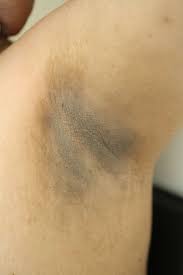
Acanthosis nigricans is one of the clearest external signs of insulin resistance, a condition strongly linked to fatty liver disease. It appears as darker, thicker, or velvety patches of skin.
Where It Commonly Appears
- Neck folds
- Armpits
- Elbows
- Knees
- Knuckles
Many people assume these patches are due to friction, dirt, or pigmentation changes, but they are actually an early and visible warning that the body is struggling with insulin sensitivity, a key trigger for fatty liver.
10. Unusual Itching (Especially at Night)
Itching is not typically one of the first symptoms of fatty liver disease, but mild, unexplained itching can appear as bile flow becomes sluggish.
Why It Happens
When the liver is stressed, bile acids may build up in the bloodstream and irritate nerve endings, causing pruritus (itching).
Characteristics
- Often worse at night
- No visible rash accompanies the itch
- Commonly affects the arms, legs, or back
If you notice persistent itching alongside fatigue, digestive issues, or abdominal discomfort, it may be an early indicator of liver stress.
11. Mild Swelling in Legs or Ankles
Even in early stages, fatty liver disease can trigger subtle fluid retention due to low-grade inflammation, affecting circulation and water balance.
What It Looks Like
- Socks leaving deeper marks on the skin
- Slight puffiness in the ankles
- Swelling that improves overnight
While edema is more prominent in advanced liver disease, minor swelling can appear when metabolic and hormonal dysfunction begins.
12. Hormonal Imbalances
The liver plays a central role in hormone metabolism, including sex hormones, cortisol, and thyroid-related hormones. Fatty liver can subtly disrupt this balance.
In Women, Early Signs May Include
- Irregular or heavier periods
- Worsening PMS symptoms
- Increased facial or body hair
- Acne flare-ups
In Men, Early Signs May Include
- Reduced libido
- Mild erectile difficulties
- Fat accumulation in the chest and abdomen
- Lowered energy and motivation
Hormonal changes without another clear cause should prompt evaluation of metabolic health including liver function.
13. Changes in Stool Color or Appearance
Fatty liver can impair bile production and flow, which often shows up in stool changes.
Early Stool-Related Clues
- Pale, light-colored, or yellowish stool
- Greasy or oily texture
- Floating stool
- Difficulty flushing
- More frequent bowel movements after fatty meals
These signs indicate fat malabsorption and can be an early clue that the liver is under stress.
14. Increased Thirst and Frequent Urination
These symptoms are often linked to insulin resistance, which frequently develops alongside fatty liver disease.
Why It Happens
- A fatty liver cannot maintain stable blood glucose levels effectively
- Blood sugar spikes more easily after meals
- The kidneys work harder to excrete excess glucose
- Increased thirst arises as the body tries to maintain balance
Constant thirst, even after drinking plenty of fluids, may signal underlying metabolic dysfunction involving the liver.
15. Mild Yellowing of the Eyes (Very Subtle)
A faint yellow tint in the whites of the eyes can be an early sign of bilirubin buildup, even before more obvious jaundice develops.
Why It Happens
- The liver struggles to process bilirubin efficiently
- Mild accumulation creates a light yellow cast
- This is not the deep jaundice seen in advanced liver disease, but a subtle warning that liver function may be compromised
Noticeable yellowing in natural light, especially when paired with other early symptoms, should prompt medical evaluation.
Who Is Most at Risk of Developing Fatty Liver Disease
Although anyone can develop fatty liver disease, certain factors significantly increase risk:
- Being overweight, particularly with central obesity
- High triglycerides
- High blood pressure
- Insulin resistance or prediabetes
- Type 2 diabetes
- Polycystic ovary syndrome (PCOS)
- Sedentary lifestyle
- Heavy alcohol use
- Diets high in sugar, refined carbohydrates, and ultra-processed foods
- Sleep apnea
- Hypothyroidism
- Genetics and family history
Even individuals who are not overweight can develop fatty liver, especially if they have metabolic risk factors, consume alcohol regularly, or experience poor sleep quality.
When Early Signs Become Serious
If early symptoms are ignored, fatty liver disease can progress to more severe conditions such as inflammation (steatohepatitis), fibrosis, and cirrhosis. Warning signs that the condition is advancing include:
- Persistent right-sided abdominal pain
- Severe, unrelenting fatigue
- Noticeable swelling in legs or abdomen
- Yellowing of the skin or eyes (jaundice)
- Easy bruising or bleeding
- Strong, persistent itching
- Significant unexplained changes in appetite or body weight
Catching fatty liver in its early stages allows most people to completely reverse the condition with lifestyle changes and proper medical care, preventing these serious complications.
What to Do If You Notice Early Signs
Recognizing the early signs of fatty liver disease is crucial. The earlier you act, the more effectively you can reverse liver fat accumulation and prevent long-term complications. The following steps provide a clear roadmap:
1. Get a Liver Panel Test
Blood tests are often the first way fatty liver is detected. A liver panel can assess how well your liver is functioning and identify early stress or inflammation.
Key tests to request:
- ALT (Alanine Aminotransferase): Elevated levels indicate liver cell stress.
- AST (Aspartate Aminotransferase): Another enzyme that rises when liver cells are inflamed.
- GGT (Gamma-Glutamyl Transferase): Sensitive to bile flow problems and liver stress.
- Bilirubin: Can reveal early processing issues before jaundice appears.
Even if results are normal, repeat testing may be necessary if other risk factors or symptoms are present.
2. Get an Abdominal Ultrasound
A non-invasive ultrasound can detect fat accumulation in the liver. It is safe, widely available, and one of the most reliable ways to confirm fatty liver in its early stages.
3. Track Metabolic Markers
Because fatty liver is closely tied to metabolic dysfunction, monitoring these markers helps assess risk and progress:
- Fasting blood glucose
- A1C (glycated hemoglobin)
- Triglycerides
- Cholesterol ratios (LDL/HDL)
Tracking these markers over time can reveal early trends and highlight areas for intervention.
4. Make Early Lifestyle Changes
Small, consistent changes can dramatically reduce liver fat and restore function within months. Focus on:
- Reducing sugar and refined carbohydrates to improve insulin sensitivity.
- Increasing protein and fiber to stabilize blood sugar and support metabolism.
- Limiting alcohol to reduce additional liver stress.
- Prioritizing sleep to support hormonal balance and liver repair.
- Increasing daily step count to improve circulation and metabolic efficiency.
- Adding resistance training to build muscle and improve insulin sensitivity.
- Maintaining a consistent eating pattern to prevent blood sugar spikes.
These adjustments don’t require extreme dieting or exercise, consistency is more important than intensity.
5. Address Hidden Contributors
Other factors can worsen liver fat accumulation, even if diet and exercise are optimized:
- Treat sleep apnea to improve oxygenation and reduce metabolic stress.
- Evaluate thyroid function to correct hormonal imbalances affecting metabolism.
- Reduce chronic stress through meditation, mindfulness, or therapy.
- Support gut health if digestive issues or dysbiosis impair nutrient absorption and metabolism.
Addressing these underlying issues can accelerate recovery and prevent recurrence.
6. Follow Up Every 3-6 Months
Early fatty liver is reversible, but regular monitoring ensures progress is on track. Repeat liver panels, ultrasounds, and metabolic checks every 3-6 months. This approach allows you to adjust lifestyle strategies, catch any setbacks, and prevent the condition from advancing.
Taking these steps as soon as subtle symptoms appear gives you the best chance to reverse fatty liver disease and protect your long-term health.
Final Thoughts
Fatty liver disease often develops quietly, but your body does send signals if you know what to look for. Early clues like persistent fatigue, unexplained belly weight, digestive changes, bloating, appetite shifts, rising metabolic markers, and subtle hormonal imbalances are all red flags that shouldn’t be ignored.
The most important takeaway? Early-stage fatty liver is reversible. By paying attention, making targeted lifestyle changes, and monitoring your health consistently, you can restore liver function and prevent serious complications like fibrosis or cirrhosis.
Don’t wait for pain or severe symptoms. Recognizing and acting on these early signs now can save you years of health struggles and protect one of the most vital organs in your body. Your liver won’t warn you loudly, but it will respond to care if you act early.

Dr. Ijasusi Bamidele, MBBS (Binzhou Medical University, China), is a medical doctor with 5 years of clinical experience and founder of MyMedicalMuse.com, a subsidiary of Delimann Limited. As a health content writer for audiences in the USA, Canada, and Europe, Dr. Ijasusi helps readers understand complex health conditions, recognize why they have certain symptoms, and apply practical lifestyle modifications to improve well-being