⚠️ Affiliate Disclaimer: This post may contain affiliate links, which means I may earn a small commission — at no extra cost to you — if you make a purchase through one of these links. I only recommend products or services I genuinely trust and believe can provide value. Thank you for supporting My Medical Muse!
7 Surprising Health Dangers of Sleeping with the Light On
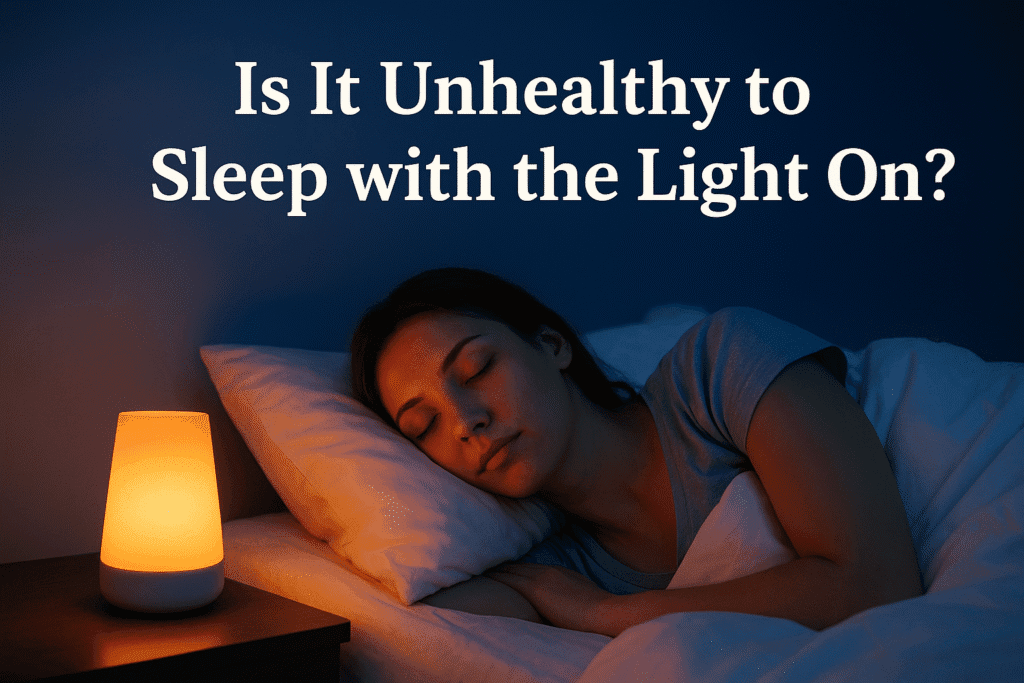
Imagine crawling into bed after a long day, only to find yourself tossing and turning while the glow of a lamp or the faint shine of a streetlight filters into your room. For many, sleeping with the lights on or leaving a nightlight glowing feels comforting, like a small reassurance in the dark. It seems harmless, even cozy but beneath that sense of security, your body may be quietly paying the price.
Science has revealed that even minimal exposure to light while you sleep can interfere with your body’s natural rhythms, hormone production, and overall health. From subtle disruptions that leave you groggy in the morning to more serious long-term effects on your metabolism, heart, and mental well-being, the consequences are far-reaching.
In this blog, we’ll break down why darkness is essential for restorative sleep, how artificial light can interfere with your body’s internal clock, and practical strategies to create a sleep environment that truly lets you rest. Whether you rely on a nightlight for comfort or simply find it hard to turn off the lights, understanding the science behind sleep and light exposure can help you make better choices and finally enjoy the deep, refreshing sleep your body craves.
Understanding the Sleep Cycle
Before we examine the risks of sleeping with the light on, it’s essential to understand how sleep actually works. Sleep is not a uniform state of rest, it is a complex, highly organized process, divided into two major phases that are critical for both physical and mental health:
1. Rapid Eye Movement (REM) Sleep
REM sleep is the stage where most dreaming occurs. During this phase, your brain is highly active, consolidating memories, processing emotions, and supporting cognitive functions such as learning and problem-solving. REM sleep is essential for emotional balance and mental clarity, without sufficient REM sleep, you may experience mood swings, difficulty concentrating, and impaired decision-making.
2. Non-REM Sleep
Non-REM sleep includes several stages, culminating in deep sleep (also called slow-wave sleep). This stage is crucial for physical restoration: your body repairs tissues, strengthens the immune system, and restores energy reserves. Growth hormone secretion peaks during deep sleep, and critical cellular repair occurs. Skimping on non-REM sleep can leave you feeling physically drained, more prone to illness, and slower to recover from stress or exercise.
3. Circadian Rhythm: Your Internal Clock
Your sleep-wake cycle, or circadian rhythm, is a 24-hour internal clock regulated by your brain and influenced heavily by light and darkness. Specialized cells in your eyes detect light and send signals to your brain, informing it whether it’s day or night. When light is present, especially blue light from LEDs and screens, your brain interprets it as daytime, suppressing the production of melatonin, a hormone that signals your body it’s time to sleep. Disrupting this natural rhythm can affect not just sleep but overall health.
How Light Affects Sleep Quality
Artificial light exposure at night, whether from lamps, streetlights or electronic devices can interfere with sleep in multiple ways. Even dim lighting can disrupt the delicate balance of your body’s internal clock, reducing both the quality and quantity of restorative sleep.
1. Suppression of Melatonin Production
Melatonin is often called the “sleep hormone” because it regulates your circadian rhythm and helps your body prepare for rest. Exposure to light at night directly inhibits melatonin production, which can:
- Delay sleep onset, making it harder to fall asleep
- Fragment sleep, causing frequent awakenings
- Reduce time spent in deep, restorative stages of sleep
Even small amounts of light, such as the glow of a digital clock or a dim nightlight, can interfere with melatonin levels and disrupt your natural sleep cycle.
2. Disruption of Circadian Rhythm
Your circadian rhythm controls not just sleep but a host of other vital processes, including metabolism, hormone production, and body temperature regulation. Sleeping with the lights on can confuse your internal clock, leading to:
- Difficulty falling asleep or staying asleep (insomnia)
- Daytime fatigue and reduced alertness
- Mood disturbances, including irritability or depression
- Hormonal imbalances that affect appetite, stress response, and energy
Long-term circadian disruption has even been linked to chronic conditions such as obesity, diabetes, and cardiovascular disease.
3. Impact on Sleep Architecture
Artificial light doesn’t just affect when you sleep; it also changes the structure of your sleep. Research shows that light exposure at night can reduce the proportion of deep sleep and REM sleep, leaving you less rested and less recovered. Consequences include:
- Slower physical recovery and impaired immune function
- Difficulty consolidating memories and retaining new information
- Increased vulnerability to chronic diseases, including heart disease, obesity, and type 2 diabetes
In other words, even if you manage to get the recommended 7-9 hours of sleep, sleeping with the light on can prevent you from getting the truly restorative rest your body and mind need.
Health Risks Associated with Sleeping with the Light On
Sleeping with lights on may feel harmless, but the health implications run deeper than just disrupted sleep. Artificial light at night interferes with vital hormonal, metabolic, and neurological systems, contributing to both short-term discomfort and long-term health risks. Below are the major consequences backed by scientific evidence:
1. Weight Gain and Metabolic Issues
Your body’s metabolism is closely linked to your circadian rhythm. When light exposure interferes with melatonin production, it also disrupts the timing of insulin release and the regulation of leptin and ghrelin, the hormones responsible for appetite control. As a result, you’re more likely to experience:
- Increased late-night snacking
- Higher blood sugar levels
- Reduced fat metabolism
- Elevated risk of obesity and metabolic syndrome
Studies have shown that individuals exposed to even dim lighting during sleep are more prone to weight gain, even when diet and physical activity remain unchanged. Your body interprets light as daytime, altering metabolism when it should be burning fat and recovering.
2. Mental Health Challenges
Sleeping in a well-lit environment disrupts the brain’s ability to regulate emotion-related hormones and neurotransmitters, including serotonin, dopamine, and cortisol. Over time, this imbalance can increase susceptibility to mental health conditions. People who sleep with light exposure are more likely to experience:
- Persistent anxiety
- Low mood or depressive symptoms
- Higher stress levels upon waking
- Reduced emotional resilience
Poor-quality sleep affects mood regulation and emotional processing, especially during REM sleep. When artificial light blocks restorative sleep, emotional stability is one of the first casualties.
3. Increased Risk of Cardiovascular Disease
Deep, uninterrupted sleep plays a critical role in heart repair and blood pressure regulation. When light disrupts sleep cycles, the body produces more stress hormones like cortisol and adrenaline, which elevate heart rate and blood pressure, even at rest. Over time, this may contribute to:
- Hypertension (high blood pressure)
- Increased resting heart rate
- Greater risk of stroke and heart disease
Long-term exposure to nighttime light has been associated with poorer heart health, even in individuals who do not have traditional risk factors such as obesity or smoking.
4. Impaired Cognitive Function
Quality sleep is essential for memory consolidation, learning, focus, and decision-making. Even small amounts of light can trigger micro-awakenings, brief interruptions that you may not notice but that prevent your brain from reaching deep sleep stages. The consequences include:
- Reduced alertness and concentration
- Memory lapses
- Slow reaction time
- Poor problem-solving and decision-making
This cognitive fog can affect productivity, academic performance, and even increase accident risk during tasks that require vigilance, such as driving.
5. Eye Strain and Potential Retinal Stress
Although long-term effects are still being studied, prolonged exposure to bright artificial light, especially blue-rich LED light may contribute to eye strain and potential retinal stress. This is especially concerning for people who sleep with bright screens or overhead lighting near their faces. Symptoms may include:
- Dry, irritated eyes
- Light sensitivity
- Headaches or eye fatigue upon waking
While more research is needed, experts recommend avoiding bright light sources near the eyes during sleep.
Light Types and Their Effects
Not all light affects your brain in the same way. The type, color, and intensity of light make a major difference in how it impacts sleep.
Light Type | Characteristics | Impact on Sleep |
Blue Light | From phones, tablets, laptops, and LED bulbs | Strongly suppresses melatonin, delays sleep onset, disrupts REM sleep |
White Light | From overhead bulbs, fluorescent lamps, bathroom or hallway lights | Moderately disruptive, interferes with sleep quality and circadian rhythm |
Red or Amber Light | Warm, soft glow often used in sleep lamps or nightlights | Least disruptive, minimal impact on melatonin, safer for night use |
Blue light is the most disruptive because it closely mimics natural daylight, telling your brain to stay awake. On the other hand, dim red or amber light has the least biological impact and is the better option if a nightlight is truly needed.
Situations Where Sleeping with Light Might Be Necessary
While total darkness is ideal, some circumstances require some lighting, especially for safety and comfort. In such cases, careful use of light can help minimize sleep disruption.
- Elderly individuals or fall-risk patients: A very dim nightlight can prevent accidents when moving at night.
- Infants and young children: Soft, warm nightlights may help reduce anxiety or allow parents to check on them without turning on bright lights.
- Shift workers: Those who sleep during the day may be exposed to light through windows. Blackout curtains, sleep masks, and red indoor nightlights can help reduce circadian disruption.
- Anxiety or trauma history: Some individuals find complete darkness unsettling. Using red or amber low-intensity lighting is a safer compromise.
When light is necessary, it should be dim, warm-colored, and placed away from direct eye exposure.
Tips for Creating an Ideal Dark Sleep Environment
Improving your sleep setting doesn’t require expensive tools, just strategic changes. Here’s how to make your bedroom sleep-friendly:
1. Use Blackout Curtains
These block streetlights, headlights, and any outdoor light that may seep into your room. They help keep your circadian rhythm aligned with true darkness, especially if you live in urban areas.
2. Remove Electronics from the Bedroom
Phones, laptops, and TV screens emit blue light that delays melatonin production. Ideally, avoid screen use at least one hour before bed. If absolutely necessary, activate night mode or blue-light filters.
3. Choose Nightlights Strategically
If you must use a nightlight, choose a dim, red, or amber light placed low and away from your eyes. Avoid bright white or blue LED nightlights, which are the worst offenders for circadian disruption.
4. Wear a Sleep Mask
A good-quality sleep mask blocks out any remaining light, even from electronic devices, hallway lights, or window glare allowing your body to stay in deep, continuous sleep.
5. Dim Lights Before Bed
Start lowering your exposure to bright lights 60-90 minutes before sleeping. This signals your brain that nighttime is approaching, allowing melatonin production to naturally increase.
6. Consider Partner Habits
If your partner prefers a light or uses gadgets at night, consider using individual sleep masks, directional lights, or room dividers to avoid disrupting your own sleep quality.
The Connection Between Light Pollution and Sleep Disorders
Light pollution, excessive, misdirected, or intrusive artificial light from streetlights, buildings, vehicles, and billboards has become a silent public health issue. Many people live in urban environments where night never truly feels dark. Even when indoors, light enters through windows, curtains, or reflective surfaces, subtly affecting sleep quality.
Research shows that individuals living in brightly lit urban areas are more likely to experience:
- Insomnia and poor sleep quality
- Depressive symptoms and mood instability
- Weight gain and metabolic disorders
- Elevated risk of heart disease and hypertension
The reason is simple, your brain cannot fully differentiate between indoor light, streetlight, or daylight, it only registers light as a signal to stay awake. This leads to delayed melatonin release, fragmented sleep, and long-term circadian misalignment. Reducing unnecessary light exposure in your bedroom by using blackout curtains, window films, or sleep masks can protect your biological clock and significantly improve sleep.
Long-Term Consequences of Sleeping with Light Exposure
Occasional exposure to light may seem harmless, but over time, the effects accumulate. Chronic disruption of melatonin and circadian rhythm can slowly impact major systems in the body, including hormonal balance, metabolism, immune function, and cellular repair.
Some long-term consequences include:
• Hormonal Imbalances
Light exposure affects hormones such as cortisol, insulin, leptin, ghrelin, and reproductive hormones. Over time, this can increase stress levels, disrupt menstruation, impair fertility, and contribute to metabolic disorders.
• Weakened Immune System
Deep sleep is when the body produces cytokines, proteins vital for fighting infections and healing. Interrupted sleep reduces cytokine production, making you more vulnerable to illnesses and slower to recover.
• Accelerated Aging
During sleep, the body repairs damaged cells, reduces inflammation, and removes toxins from the brain. Poor sleep caused by light exposure slows these restorative processes, increasing cellular aging and visible signs of aging, such as dull skin and wrinkles.
Even when you don’t feel immediate symptoms, light exposure during sleep may gradually erode your health in the background, making your body more susceptible to illness, premature aging, and chronic disease.
Myths About Sleeping With Lights On
Despite growing evidence, many people still believe sleeping with lights on is harmless. Let’s debunk the most common myths:
Myth 1: Nightlights Help With Fear and Make Sleep Better
While light may provide a sense of comfort, it comes at the cost of reduced sleep quality. Artificial light suppresses melatonin, the hormone that promotes calmness and relaxation making you more likely to wake up frequently or feel anxious when you do sleep.
Better solution: Use a dim, amber or red nightlight placed far from your bed, or wear a sleep mask if you prefer darkness without feeling exposed.
Myth 2: Small Lights Don’t Make a Difference
Even dim light such as from hallway lights, digital clocks, TV standby lamps, or phone notifications can disrupt melatonin production. Research shows that as little as 5-10 lux of light (the brightness of a dim nightlight or phone screen) can delay sleep onset and reduce time spent in deep sleep.
Your eyes have light-sensitive receptors that don’t need full brightness to trigger a biological response. So yes, even very small lights matter.
Myth 3: You Can Just “Catch Up” on Sleep Later
You may feel rested after sleeping in, but biologically, you can’t fully recover lost deep sleep or reset disrupted circadian rhythms. Inconsistent light exposure confuses your internal clock, leading to ongoing fatigue, mood swings, and metabolic disturbances even if you sleep longer the next day.
Sleep depth is more important than sleep duration. A full night of uninterrupted, dark sleep is more restorative than 10 hours of light-exposed, fragmented sleep.
Reducing artificial light at night isn’t just about comfort, it’s about protecting your long-term physical and mental health.
Conclusion
Sleeping with the light on may seem harmless, but the evidence is clear: exposure to artificial light at night can disrupt circadian rhythms, impair sleep quality, and increase risks of chronic health conditions. From hormonal imbalances to mental health challenges, the consequences of light exposure while sleeping are real and measurable.
Creating a dark sleep environment, using blackout curtains, sleep masks, minimizing electronics, and choosing dim, amber nightlights if necessary can dramatically improve your sleep and long-term health. Darkness is not just about comfort, it is an essential component of restorative sleep and overall well-being.
👩⚕️ Need Personalized Health Advice?
Get expert guidance tailored to your unique health concerns through MuseCare Consult. Our licensed doctors are here to help you understand your symptoms, medications, and lab results—confidentially and affordably.
👉 Book a MuseCare Consult NowRecommended Post:
- Sleeping with AC or Heater: 7 Powerful Health Truths You Must Know
- 9 Powerful Ways to Avoid Feeling Sleepy After Eating (and Why It Happens)
- 7 Proven Fixes for Neck Stiffness After Sleeping Wrong
- Why Do I Jerk Awake Just as I’m Falling Asleep? 7 Powerful Facts You Must Know
- 7 Powerful Benefits of Avoiding Alcohol Before Bed for Better Sleep and Less Snoring
- 15 Powerful Natural Remedies to Improve Sleep Apnea Without CPAP

Dr. Ijasusi Bamidele, MBBS (Binzhou Medical University, China), is a medical doctor with 5 years of clinical experience and founder of MyMedicalMuse.com, a subsidiary of Delimann Limited. As a health content writer for audiences in the USA, Canada, and Europe, Dr. Ijasusi helps readers understand complex health conditions, recognize why they have certain symptoms, and apply practical lifestyle modifications to improve well-being