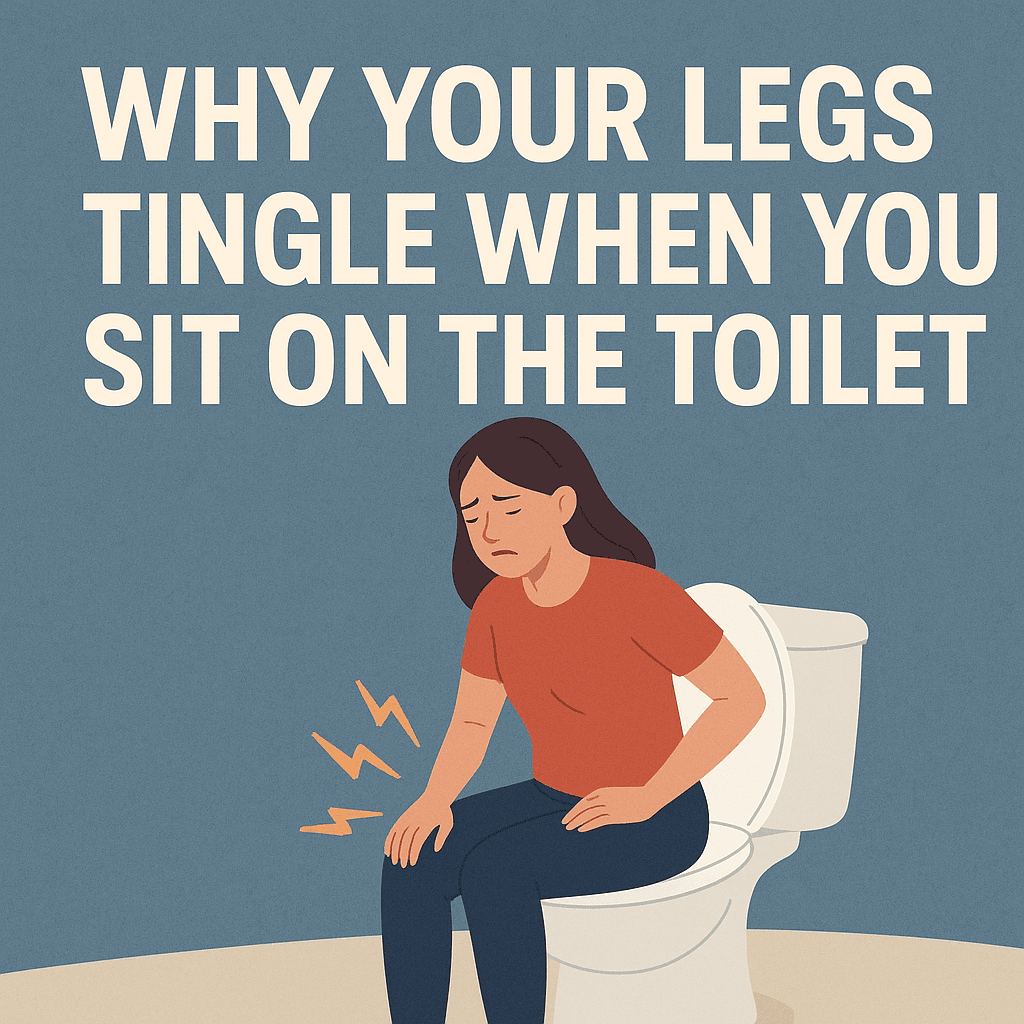
Poor Toilet Posture: The Real Problem
It’s not just that you sit, it’s how you sit that makes the difference. Most people don’t sit on a toilet the same way they sit on a chair. Instead, they unconsciously lean forward, hunch their shoulders, rest elbows on thighs or allow their knees to drop lower than their hips. All these positions strain the lower back and pelvis, squeezing major nerves and reducing blood flow to the legs.
Forward-leaning posture puts extra pressure on:
- The sciatic nerve in the buttocks.
- The pudendal nerve in the pelvic area
- Blood vessels that supply the legs
Even sitting upright, if you stay there too long still compresses the same nerve pathways and slows circulation.
This problem is worse on toilets than on normal chairs. Why?
- Toilet seats are hard: They provide minimal cushioning, increasing direct nerve compression.
- They are curved and narrow: The weight is concentrated on a small area, especially the thighs and buttocks.
- They provide no back support: This increases slouching, spinal pressure, and poor posture.
- They don’t support your legs: Hanging legs mean extra pressure behind the knees, exactly where important nerves and vessels run.
Chairs distribute your weight across your hips, thighs and back. Toilets concentrate your body weight in just a few pressure points and that’s where your nerves complain.
Smartphones Make It Worse
Before smartphones, toilet time was quick. People got in, did what they came to do and left, typically in three to five minutes.
Today, that’s changed, scrolling, texting, or watching videos while sitting on the toilet stretches toilet time to 10, 15, and even 25 minutes without realizing it and the more time you sit, the more nerve compression and circulation restriction builds up.
More time sitting equals
- more pressure
- More numbness
- More tingling
- More weakness after standing
Even though “toilet leg syndrome” isn’t a formal medical term, it’s a very real phenomenon observed by doctors. It’s simply the effect of staying too long in a nerve-compressing position while distracted especially by a phone.
When to Ignore It and When NOT To
Occasional tingling or numbness that fades shortly after standing is usually harmless. It’s simply temporary compression that resolves quickly once circulation returns and nerves normalize.
But sometimes, it’s a red flag, especially if symptoms are frequent, lasting or progressively worsening.
Pay attention if:
- It happens every time you sit on the toilet, even for short durations.
- Numbness or tingling lasts more than 10-15 minutes after standing up.
- You also have lower back, hip or buttock pain (could signal nerve irritation or sciatica).
- You feel burning, heaviness or weakness in one or both legs.
- You have diabetes, sciatica, nerve disorders or poor circulation, you’re more prone to nerve irritation.
Serious warning signs:
- Tingling spreads to your groin, buttocks, or genital area.
- You have bladder or bowel control issues.
- You experience muscle weakness, numbness, or leg instability.
These are signs of possible nerve injury or spinal involvement especially conditions like sciatica, spinal stenosis, disc compression or neuropathy. In such cases, you shouldn’t delay, get a medical opinion.
Most Common Reasons Your Legs Tingle on the Toilet
When your legs suddenly feel numb, prickly, or tingly during or after sitting on the toilet, it’s usually a temporary response not a disease, but why does it happen so easily there, even more than on regular chairs?
Here’s a breakdown of the most common, realistic causes.
1. Sitting Too Long
The longer you sit, the more pressure builds up on nerves and blood vessels that run through your buttocks, thighs and lower back.
Toilet seats don’t support your thighs well unlike chairs, so there’s more direct pressure on the sciatic nerve and blood circulation gets restricted. That “pins and needles” feeling is your nerve saying, “Hey, I can’t transmit signals properly right now!”
The longer you sit, the stronger the tingling.
2. Leaning Forward or Slouching
Many people naturally lean forward, rest elbows on their knees or hunch while scrolling on their phones. This posture bends the lower spine and increases pressure on the sciatic, pudendal, and femoral nerves.
These nerves supply sensation to your legs, buttocks and pelvic area and when compressed, they fire off tingling, buzzing or numbness.
Bad posture causes bad nerve positioning leading to leg tingling.
3. Hard Toilet Seat Pressure (Direct Nerve Compression)
Unlike padded chairs, most toilet seats are hard, narrow and have a cutout shape that creates localized pressure on two key nerve zones:
- Gluteal (buttock) region
- Upper thigh region
Right underneath these areas lie branches of the sciatic nerve and major blood vessels. When pressure increases in those areas, nerve conductivity slows and you feel tingling, numbness or that dead leg feeling.
4. Slight Existing Nerve or Lower-Back Irritation
If you already have mild sciatica, tight lower-back muscles or a pinched nerve even if it’s not painful, your legs may tingle faster than others.
Even slight irritation makes nerves more hypersensitive to posture, pressure and sitting angles.
If you already have back or nerve sensitivity, the toilet simply triggers it faster.
5. Poor Circulation (Reduced Blood Flow)
In some people, blood vessels get compressed more easily, especially in the thighs and buttocks. This affects how quickly tingling develops and how long it takes to go away.
You’re more likely to experience toilet tingling if you have:
- Sedentary lifestyle
- Overweight or obesity
- Diabetes
- Smoking habit
- High cholesterol
- Varicose veins or poor leg circulation
Slower blood flow means slower nerve recovery, so the tingling lingers longer.
6. Early Neuropathy (Nerve Sensitivity)
For some, tingling during toilet sitting may be the first early sign of nerve sensitivity, especially in those with risk factors such as:
- Diabetes or prediabetes
- Vitamin B12 deficiency
- Thyroid imbalance
- Alcohol overuse
- Chronic inflammation
This doesn’t mean you’re sick but if tingling starts to appear in other sitting positions or happens frequently, it’s worth checking.
How to Stop Your Legs from Tingling on the Toilet
These strategies are simple but surprisingly effective. Applying them can prevent or significantly reduce tingling episodes.
1. Limit Toilet Time
Try to keep toilet sessions under 5-7 minutes.
Lingering, scrolling or relaxing too long is the biggest risk factor. The toilet isn’t a meditation zone, phone booth or reading lounge. It’s a functional space, go in, do what you’re there for, finish and get up.
2. Improve Your Toilet Posture
Best sitting posture on the toilet:
- Keep your back relatively upright, not fully slouched.
- Feet flat on the floor, no hanging, tiptoeing or leg crossing.
- Don’t lean heavily on your elbows or knees.
- Avoid extreme forward bending.
- Use a small stool to elevate your feet slightly if constipated but don’t lean forward for too long.
Stable, upright, balanced posture equals less nerve pressure.
3. Get Up and Move Immediately After
Once you’re done, stand and add movement:
- Wiggle your toes
- Stretch your legs
- Do ankle rolls
- March lightly in place
Movement helps blood rush back, wakes the nerves up, and boosts sensory recovery.
4. Strengthen Your Core, Glutes and Lower Back
Weak core and hip muscles force your body to slouch when sitting, making nerve compression worse.
Simple exercises that help:
- Pelvic tilts
- Cat-cow stretches
- Hip bridges
- Gentle hamstring stretches
Regular movement improves sitting tolerance and reduces tingling episodes over time.
5. Don’t Overthink Every Tingle
Not every buzz or tingle is a sign of nerve damage. Quick tingling during toilet sitting is usually compression, not disease.
It’s only concerning if:
- It happens in normal chairs or while walking.
- It comes with pain, burning or leg weakness.
- It lasts for hours or keeps worsening.
- You have underlying diabetes, spinal issues or poor circulation.
Can It Be Serious?
Most cases? Not serious, just temporary compression, but if tingling becomes frequent, random, or persistent, it may be related to:
Possible Condition | Warning Signs |
Peripheral Neuropathy | Burning, numbness or tingling in feet/hands, worse at night |
Sciatica | Pain or tingling traveling down one leg |
Spinal Stenosis | Tingling when standing or walking, relieved by sitting |
Circulation Issues | Cold feet, color changes or leg pain when walking |
Vitamin B12 Deficiency | Numbness, fatigue, balance problems |
If symptoms begin appearing outside the toilet context, it deserves medical evaluation.
Myths vs Truths About Leg Tingling on the Toilet
Myth 1: Tingling always means a nerve condition.
- Truth: Most tingling that happens only when sitting on the toilet is caused by temporary nerve compression, not permanent nerve damage. When pressure is removed, normal sensation usually returns within minutes.
Myth 2: It’s only because of poor blood circulation.
- Truth: It’s a mix of nerve compression and restricted blood flow. Toilet seats put pressure on both nerves and blood vessels in the buttocks and thighs, that’s why your legs tingle, go numb or feel buzzy.
Myth 3: Tingling on the toilet means I have diabetes, neuropathy or sciatica.
- Truth: Those conditions cause tingling during everyday sitting, standing or even at night, not only on the toilet. If the tingling shows up only during toilet sitting and disappears soon after, it’s probably not a disease.
Myth 4: It’s normal to sit on the toilet for 20-30 minutes.
- Truth: It may be common, but it’s not healthy. Extended toilet sitting stresses your pelvic floor, slows circulation, compresses nerves and increases the risk of hemorrhoids and constipation. 3-7 minutes is generally enough.
Final Thoughts: Listen to the Signals Your Body Sends
That tingling sensation in your legs while sitting on the toilet is rarely a sign of illness. It’s more like a warning light, your body’s way of telling you that you’re spending too long in one position, compressing nerves, restricting blood flow and placing unnecessary pressure on your spine and pelvic region. It’s not an emergency but it is a message and like all body signals, ignoring it repeatedly can eventually turn a harmless habit into a real problem.
Here’s the good news: this is one of the easiest issues to fix. You don’t need medication, you don’t need expensive treatment. You just need better habits.
- Sit with proper posture: Avoid leaning forward, slouching or putting elbows on your thighs.
- Limit your toilet time: The toilet isn’t a chair or a mini lounge. Do your business, and get up.
- Don’t doom-scroll on your phone in the bathroom: More screen time equals more nerve compression time.
- Stand up and reset circulation: Stretch, walk around, wiggle your toes and let your blood flow properly again.
When you respond to tingling early, it goes away quickly but when you repeatedly ignore it, allowing numbness to linger, pressure to build, and time to stretch longer, you slowly train your nerves to become more irritated and less resilient.
So here’s your simple rule:
Occasional pins-and-needles? Probably harmless.
Frequent, worsening or lasting beyond a few minutes? That’s your cue to pay attention.
Your nerves are not broken, they’re just asking for less pressure, better posture and smarter habits, listen to them.

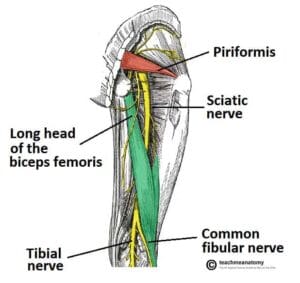 which runs from your lower back through your buttocks and all the way down both legs.