⚠️ Affiliate Disclaimer: This post may contain affiliate links, which means I may earn a small commission — at no extra cost to you — if you make a purchase through one of these links. I only recommend products or services I genuinely trust and believe can provide value. Thank you for supporting My Medical Muse!
10 Surprising Reasons Your Fingers Go Numb When You Stretch Your Arms
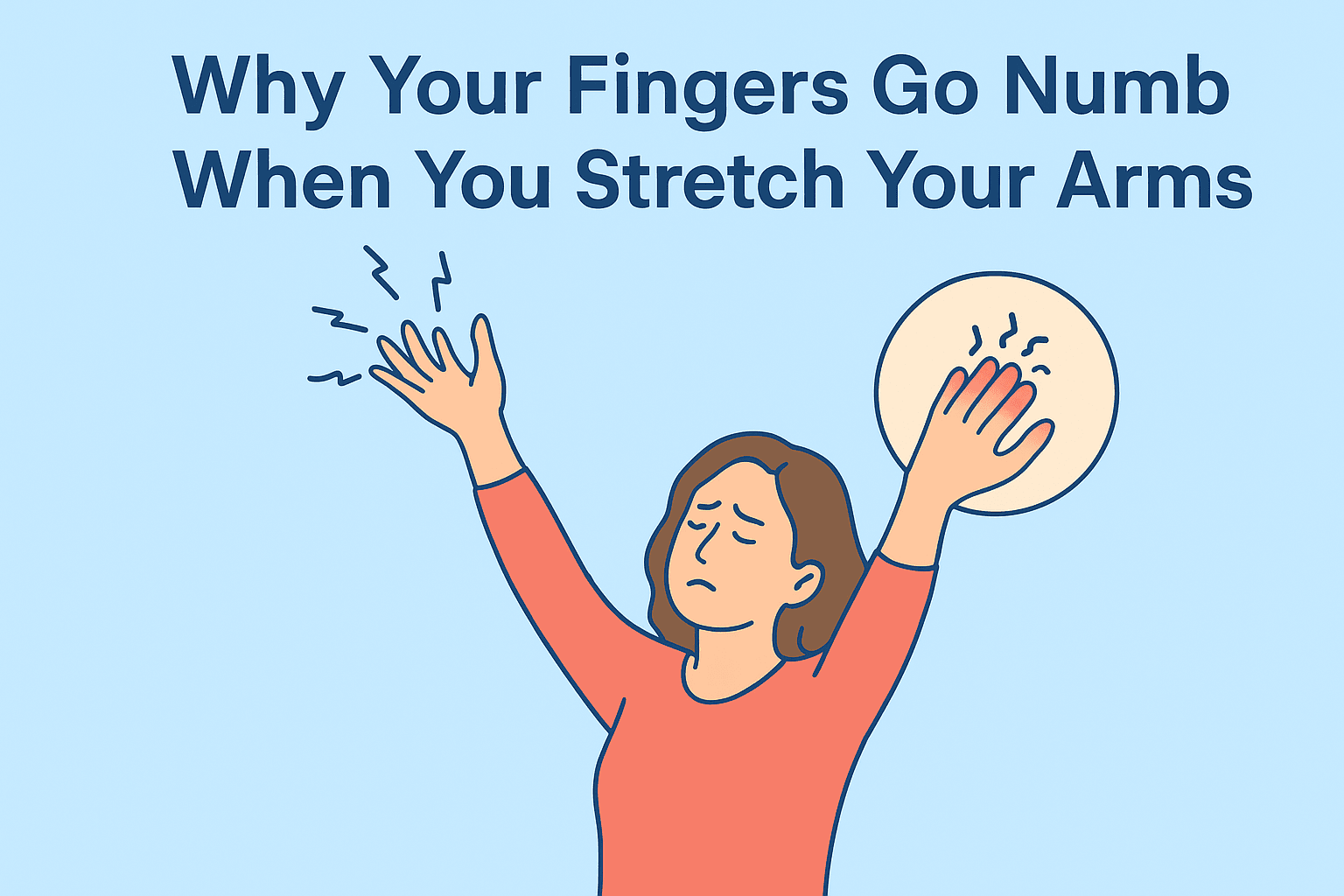
Picture this, you’ve been sitting at your desk for hours, typing away or scrolling through emails, when you finally decide to stretch your arms overhead. At first, it feels relieving, almost like a mini reset for your body but then, suddenly, your fingers start to tingle or go numb. That prickly, almost “pins-and-needles” sensation can catch you off guard, leaving you momentarily concerned, is something wrong with my nerves?
The truth is, this phenomenon is surprisingly common and in most cases, completely harmless. Your body is simply reacting to a combination of nerve positioning, blood flow and muscle tension. Understanding what’s happening beneath the surface can not only ease your worries but also empower you to prevent discomfort, move more freely and take better care of your upper body.
In this post, we’ll take a closer look at why your fingers go numb during stretches, exploring the anatomy of your arms and hands, the physiological processes behind the sensation, common triggers, and practical strategies to relieve and prevent it. By the end, you’ll have a clear understanding of this curious yet normal bodily response and tips to keep your arms and hands feeling flexible and energized throughout the day.
The Anatomy of Your Arm and Hand
To understand why stretching can cause numb fingers, it helps to know a bit about the anatomy of your upper limbs. Your arms and hands are made up of a complex network of bones, muscles, joints, nerves and blood vessels.
- Bones and Joints
- Your upper arm has a single bone, the humerus, while the forearm contains the radius and ulna.
- Your hands and fingers are made up of multiple small bones called carpals, metacarpals, and phalanges.
- Joints connect these bones, allowing a wide range of motion.
- Your upper arm has a single bone, the humerus, while the forearm contains the radius and ulna.
- Muscles
- Muscles in your arms, such as the biceps, triceps, and forearm flexors, are responsible for moving your arms, wrists and fingers.
- These muscles work in coordination with tendons to transmit force and allow precise movements.
- Muscles in your arms, such as the biceps, triceps, and forearm flexors, are responsible for moving your arms, wrists and fingers.
- Nerves
Three main nerves control sensation and movement in the hand:
- Median nerve: Responsible for thumb, index, middle finger and part of the ring finger sensation.
- Ulnar nerve: Responsible for the little finger and part of the ring finger.
- Radial nerve: Provides sensation to the back of the hand and helps with wrist and finger extension.
- Median nerve: Responsible for thumb, index, middle finger and part of the ring finger sensation.
- Blood Vessels
- Arteries and veins supply oxygen-rich blood to your muscles and nerves. Any temporary restriction in blood flow can cause tingling or numbness.
- Arteries and veins supply oxygen-rich blood to your muscles and nerves. Any temporary restriction in blood flow can cause tingling or numbness.
The Physiology Behind Numbness
When you stretch your arms, several physiological processes occur that can lead to temporary numbness or tingling in your fingers.
1. Nerve Compression or Stretching
One of the most common reasons for numb fingers during stretching is nerve compression. Nerves are flexible, but excessive stretching can irritate them.
- Ulnar nerve irritation Often triggered by bending your elbow sharply, which can pinch the nerve running along the inner arm to your little finger and part of the ring finger. This can cause tingling or numbness in those fingers.
- Median nerve irritation: Stretching that places your wrist or forearm in an extreme position can compress the median nerve, causing numbness in the thumb, index or middle fingers.
- Radial nerve irritation: Less common, but certain positions can compress the radial nerve along the outer arm, leading to tingling on the back of your hand.
Nerves communicate through electrical signals. When compressed or stretched, these signals become temporarily disrupted, causing your fingers to feel “asleep.”
2. Blood Flow Restriction
Stretching your arms above your head or behind your back can temporarily reduce blood flow to your hands. Nerves and tissues need a constant supply of oxygenated blood to function properly. When this supply is briefly reduced, you may feel tingling or numbness.
- Temporary ischemia: A short period of reduced blood flow is harmless, but it can produce a prickling sensation.
- Venous compression: Blood returning from your fingers to the heart may be slightly slowed by certain stretches, contributing to the tingling feeling.
3. Muscle Tension
Muscles themselves can cause nerve irritation. When muscles are tight, they can compress nearby nerves or alter your posture, increasing the risk of numb fingers.
- Shoulder and neck tension: Poor posture, prolonged sitting, or stress can make your shoulder and neck muscles tight, compressing nerves like the brachial plexus (a nerve bundle that supplies your arm).
- Forearm muscle tightness :Stretching can put pressure on the median or ulnar nerve in the forearm, triggering tingling in the fingers.
4. Joint and Tendon Mechanics
Joints and tendons can indirectly affect nerves. If a tendon presses on a nerve during stretching, or if your wrist or elbow is hyperextended, the nerve’s pathway can be temporarily compressed.
- Carpal tunnel involvement: Stretching with wrists bent can temporarily narrow the carpal tunnel, compressing the median nerve.
- Elbow hyperextension: Overstretching can pinch the ulnar nerve at the elbow (often called the “funny bone” sensation).
Common Situations Where Stretching Causes Numbness
Here are a few typical scenarios where finger numbness can appear during stretching:
- Overhead stretches: Raising your arms above your head can slightly compress the brachial plexus or restrict blood flow to the hands.
- Elbow-bent stretches: Bending your elbows sharply while stretching can irritate the ulnar nerve.
- Extended wrist stretches: Bending your wrist backward or forward can compress the median nerve temporarily.
- Neck rotation during arm stretches: Turning your head while stretching your arms can increase tension in your shoulder and neck muscles, indirectly affecting nerve pathways.
Who Is More Likely to Experience This?
Some individuals are more prone to finger numbness during stretching:
- People with nerve entrapment conditions: Conditions like carpal tunnel syndrome or cubital tunnel syndrome increase the likelihood of numbness.
- Individuals with poor posture: Slouching or rounded shoulders can compress nerves and make stretching more likely to trigger tingling.
- Those with diabetes or neuropathy: Nerve sensitivity is higher, so even minor stretching can cause noticeable tingling.
- People with circulatory issues: Reduced blood flow makes tingling more likely during arm elevation.
When to Worry
Most finger numbness during stretching is harmless and resolves quickly. However, seek medical evaluation if:
- Numbness lasts more than a few minutes.
- You experience weakness in your hand or fingers.
- Tingling occurs frequently, even without stretching.
- Pain accompanies numbness.
- You notice skin color changes, such as a blue or white tint.
These could indicate underlying nerve compression, circulation problems or other medical conditions.
Strategies to Prevent Numb Fingers During Stretching
While occasional tingling is normal, there are ways to reduce or prevent it.
1. Improve Posture
Maintaining good posture reduces nerve compression:
- Keep shoulders relaxed and down, not hunched.
- Avoid slouching or leaning forward when sitting.
- Align your neck with your spine during stretches.
2. Stretch Gradually
Avoid abrupt or extreme stretches:
- Slowly raise your arms overhead instead of jerking them upward.
- Bend elbows and wrists gently, stopping if you feel tingling.
- Hold stretches for 10-30 seconds rather than pushing beyond comfort.
3. Strengthen Supporting Muscles
Strong muscles support nerves and joints:
- Perform shoulder and upper back exercises to reduce tension.
- Strengthen forearm muscles with light resistance training.
- Incorporate hand and finger exercises to improve flexibility and circulation.
4. Stay Hydrated and Warm
Hydration and warmth improve circulation:
- Drink water regularly throughout the day.
- Warm up muscles before stretching, especially in cold environments.
- Gentle hand and arm movements before full stretches can prepare nerves and muscles.
5. Avoid Prolonged Arm Elevation
Extended periods with arms overhead can trigger numbness:
- Take breaks if holding your arms up during exercise or cleaning.
- Alternate arm positions to reduce pressure on nerves.
6. Ergonomic Adjustments
Simple changes in your daily environment can prevent nerve irritation:
- Use supportive chairs with armrests to reduce shoulder tension.
- Adjust computer monitor height to avoid neck strain.
- Position your desk and chair to encourage neutral wrist and elbow angles.
Exercises to Reduce Tingling
Here are some targeted exercises that can help reduce nerve compression and finger numbness:
- Wrist Flexor Stretch
- Extend your arm with your palm facing upward.
- Use the opposite hand to gently pull your fingers down and back.
- Hold for 15-20 seconds, repeat on both sides.
- Extend your arm with your palm facing upward.
- Ulnar Nerve Glide
- Raise your arm to the side, bend the elbow, and extend the wrist upward.
- Slowly straighten the elbow while keeping the wrist extended.
- Repeat 5-10 times per arm.
- Raise your arm to the side, bend the elbow, and extend the wrist upward.
- Shoulder Shrugs and Rolls
- Shrug your shoulders toward your ears and release.
- Roll shoulders forward and backward to reduce tension in the neck and shoulder muscles.
- Shrug your shoulders toward your ears and release.
- Hand Open/Close Exercises
- Open your fingers wide, then make a tight fist.
- Repeat 10-15 times to improve circulation and nerve flexibility.
- Open your fingers wide, then make a tight fist.
Lifestyle Considerations
Certain habits can contribute to nerve sensitivity and circulation issues:
- Sedentary lifestyle: Sitting for long periods increases nerve compression risk.
- Poor nutrition: Deficiencies in vitamin B12, magnesium or potassium can affect nerve function.
- Smoking: Reduces circulation and nerve health.
- Repetitive movements: Typing, texting or heavy lifting can irritate nerves over time.
Addressing these factors improves overall nerve health and reduces the likelihood of tingling during stretches.
When Professional Help Is Needed
Persistent or severe numbness should not be ignored. A healthcare professional may recommend:
- Physical therapy: Targeted exercises to relieve nerve compression.
- Nerve conduction studies: To assess nerve function and identify compression points.
- Imaging: MRI or ultrasound to visualize nerve or joint problems.
Medical intervention: In rare cases, surgery may be required for severe nerve entrapment.
Quick Takeaways
- Finger numbness during arm stretches is usually temporary and harmless.
- The main causes are nerve compression, restricted blood flow, and muscle tension.
- Maintaining good posture, stretching gradually and strengthening muscles can prevent symptoms.
- Persistent numbness or associated weakness warrants professional evaluation.
Conclusion
The tingling or numbness you sometimes feel in your fingers when stretching your arms is, in most cases, a perfectly normal physiological response. It’s your body’s subtle way of communicating temporary changes in nerve signaling and blood flow, a gentle reminder of just how interconnected your muscles, nerves and circulation truly are. By taking the time to understand the underlying anatomy and mechanics, you gain more than just knowledge, you gain the power to make small adjustments that have a lasting impact on your comfort and health.
Simple steps like maintaining proper posture, stretching gradually and keeping your muscles strong and flexible can go a long way in minimizing discomfort. These adjustments don’t just prevent temporary tingling, they improve the overall resilience of your arms, shoulders and hands, helping you move more freely in your day-to-day activities.
While a momentary tingle is rarely cause for concern, it’s important to pay attention if numbness persists, becomes painful or is accompanied by weakness. In those cases, consulting a healthcare professional ensures that any underlying issues are addressed early, before they develop into something more serious.
Ultimately, listening to your body and responding thoughtfully, whether that’s pausing a stretch, adjusting your posture, or incorporating gentle exercises, lets you keep your fingers, hands and arms healthy and responsive. With awareness, consistency and a mindful approach to movement, each stretch becomes not just a way to relieve tension, but a simple act of care for your body, keeping your hands nimble, your nerves happy and your daily movements fluid.
👩⚕️ Need Personalized Health Advice?
Get expert guidance tailored to your unique health concerns through MuseCare Consult. Our licensed doctors are here to help you understand your symptoms, medications, and lab results—confidentially and affordably.
👉 Book a MuseCare Consult NowMust Read:
- 10 Surprising Causes of Random Eyelid Numbness and How to Fix Them
- 7 Powerful Reasons Why Your Throat Clicks When Swallowing Saliva (And How to Fix It)
- 10 Real Reasons Why Your Stomach Feels Cold Inside (and How to Stop It)
- 7 Possible Causes of Random Body Zaps at Night and How to Stop Them
- 10 Effective Foot Exercises for Neuropathy to Improve Circulation and Relieve Nerve Pain

Dr. Ijasusi Bamidele, MBBS (Binzhou Medical University, China), is a medical doctor with 5 years of clinical experience and founder of MyMedicalMuse.com, a subsidiary of Delimann Limited. As a health content writer for audiences in the USA, Canada, and Europe, Dr. Ijasusi helps readers understand complex health conditions, recognize why they have certain symptoms, and apply practical lifestyle modifications to improve well-being