Is your teenage daughter constantly tired, struggling to stay focused in school, or complaining of frequent headaches or dizziness? It is easy to brush these symptoms off as stress, late nights, or the normal ups and downs of adolescence, but in many cases, they point to something more serious and far more common than most parents realize.
Iron deficiency anemia is one of the most overlooked health issues in teenage girls, yet it quietly affects millions worldwide because its symptoms develop gradually, they are often mistaken for mood changes, academic burnout, or hormonal shifts. By the time the problem is recognized, iron levels may already be dangerously low.
Teen girls are particularly vulnerable due to rapid physical growth, hormonal changes, and monthly menstrual cycles, all of which significantly increase iron requirements. When the body does not get enough iron to keep up with these demands, the effects extend far beyond low energy. Iron deficiency can impact mood stability, skin and hair health, immune function, concentration, memory, and overall school performance.
The good news is that iron deficiency anemia is highly treatable once identified. The challenge lies in recognizing the warning signs early.
In this post, we break down 21 signs of iron deficiency anemia in teenage girls, from subtle symptoms that are easy to miss to more obvious red flags that should never be ignored. You will also learn what steps parents can take to support diagnosis, treatment, and recovery.
What Is Iron Deficiency Anemia?
Iron deficiency anemia occurs when the body lacks enough iron to produce healthy red blood cells. These cells are responsible for carrying oxygen from the lungs to the rest of the body.
When iron levels are low, red blood cells become smaller, paler, and less efficient at transporting oxygen. As a result, organs and tissues do not receive the oxygen they need to function properly. This oxygen shortage leads to symptoms such as persistent fatigue, weakness, headaches, poor concentration, and reduced physical endurance.
Because the condition often develops gradually, symptoms may be mild at first and easily overlooked, especially in teenagers.
Why Teenage Girls Are More Vulnerable
Teenage girls have some of the highest iron needs of any age group. Several factors contribute to this increased risk:
1.Menstruation
Monthly menstrual bleeding causes regular iron loss, which must be replaced through diet or supplementation.
2.Rapid growth
During adolescence, the body expands muscle mass, blood volume, and bone structure, all of which require additional iron.
3.Dietary gaps
Skipping meals, restrictive dieting, frequent fast food consumption, or avoiding iron-rich foods such as red meat can significantly reduce iron intake.
4.Athletic training
High-impact or endurance sports can increase iron loss through sweat and microscopic blood loss, particularly in runners and competitive athletes.
5.Heavy menstrual cycles
Girls with heavy or prolonged periods lose more iron each month, making deficiency more likely if intake does not compensate for the loss.
21 Signs of Iron Deficiency Anemia in Teenage Girls
The symptoms of iron deficiency anemia can range from subtle to severe. Some are easy to dismiss, while others signal a more advanced deficiency.
1. Constant Fatigue
This is not ordinary tiredness after a long school day. It is persistent, deep exhaustion that does not improve with rest or adequate sleep.
2. Pale or Washed-Out Skin
Low hemoglobin reduces oxygen delivery to the skin, causing a pale, dull, or slightly yellow appearance. This may be noticeable on the face, lips, gums, or inner eyelids.
3. Frequent Headaches
Inadequate oxygen supply to the brain can trigger recurring headaches that may occur daily or worsen with mental effort.
4. Shortness of Breath
Simple activities such as climbing stairs, walking short distances, or light exercise may cause unexpected breathlessness.
5. Fast or Irregular Heartbeat
The heart compensates for low oxygen levels by pumping faster, which can feel like a racing or fluttering heartbeat.
6. Dizziness or Lightheadedness
Sudden position changes may cause faintness or balance issues. In severe cases, brief blackouts can occur.
7. Cold Hands and Feet
Reduced circulation can make the hands and feet feel cold even in warm conditions.
8. Brain Fog and Trouble Concentrating
Iron deficiency can impair attention, memory, and mental clarity, making schoolwork more challenging.
9. Irritability and Mood Changes
Low iron levels can affect neurotransmitter balance, contributing to irritability, anxiety, or emotional sensitivity.
10. Restless Legs Syndrome
An uncomfortable urge to move the legs, especially at night, is strongly associated with low iron levels in the brain.
11. Loss of Appetite
Some teens experience reduced hunger or feel full quickly, particularly in the morning.
12. Craving Non-Food Items (Pica)
Cravings for substances like ice, paper, chalk, or clay are classic signs of iron deficiency. Ice chewing is the most common form.
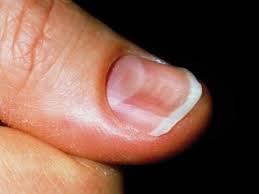
13. Brittle or Spoon-Shaped Nails

Iron deficiency can weaken the nails, making them thin, fragile, and prone to splitting or breaking. In more advanced cases, nails may curve upward at the edges, a condition known as spoon-shaped nails. This change develops gradually and is a classic physical sign of anemia.
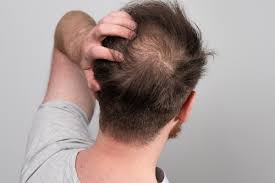
14. Hair Thinning or Excessive Shedding
Iron plays a key role in hair follicle growth. When iron levels drop, the body prioritizes essential organs, often at the expense of hair production. This can lead to increased shedding, slower hair growth, and hair that appears dull or brittle.
15. Chest Pain or Pressure
In moderate to severe anemia, the heart must work harder to deliver oxygen to the body. This strain can cause sensations of chest tightness, pressure, or discomfort, especially during physical activity. Any chest pain should always be evaluated by a healthcare professional.
16. Dark Circles Under the Eyes
Persistent dark circles are not always caused by lack of sleep. In some cases, they reflect poor circulation and reduced oxygen delivery to tissues, both of which are common in iron deficiency anemia.
17. Slow Wound Healing
Iron is essential for tissue repair and collagen production. If cuts, bruises, acne, or minor wounds take longer than usual to heal, low iron levels may be interfering with the body’s natural healing process.
18. Frequent Infections
Iron supports immune system function. When levels are low, the body becomes less effective at fighting bacteria and viruses, leading to more frequent colds or prolonged illnesses.
19. Sore or Swollen Tongue
Iron deficiency can cause inflammation of the tongue, making it appear smooth, red, or swollen. Some teens may also notice changes in taste or a persistent uncomfortable sensation in the mouth.
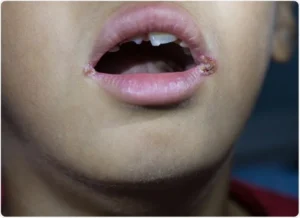
20. Cracks at the Corners of the Mouth
Painful splits or sores at the edges of the lips, known as angular cheilitis, are commonly associated with iron deficiency and sometimes occur alongside B-vitamin deficiencies.
21. Low Stamina During Exercise or Sports
Reduced oxygen delivery to muscles can significantly lower endurance. Teens who previously enjoyed physical activity may tire quickly, struggle to keep up with peers, or avoid sports altogether.
How Is Iron Deficiency Anemia Diagnosed?
Iron deficiency anemia can only be confirmed through blood testing, a healthcare provider will typically order the following tests:
Hemoglobin (Hb) to assess the blood’s oxygen carrying capacity.
Hematocrit (Hct) to measure the proportion of red blood cells in the blood.
Ferritin to evaluate iron storage levels.
Serum iron and TIBC to measure circulating iron and the blood’s ability to transport it.
If your teen shows several symptoms from this list, a medical evaluation is strongly recommended.
Natural Ways to Boost Iron Levels at Home
If testing confirms iron deficiency, or early signs are present, these strategies can support recovery.
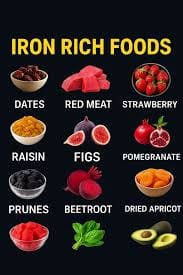
1. Increase Iron-Rich Foods
Include more of the following in daily meals:
2. Pair Iron With Vitamin C
Vitamin C significantly improves iron absorption. Combine iron-rich foods with:
Oranges or orange juice
Strawberries
Tomatoes
Bell peppers
Pineapple
Example: Spinach and chickpea salad with a lemon-based dressing.
3. Limit Iron Blockers Around Meals
Certain foods and drinks reduce iron absorption, including:
Consume these at least one to two hours away from iron-rich meals.
4. Cook With Cast Iron Cookware
Preparing food in cast iron pans, especially acidic dishes like tomato-based meals, can naturally increase iron content.
5. Consider Iron Supplements
When diet alone is not sufficient, a healthcare provider may recommend:
Iron sulfate or iron gluconate tablets
Liquid iron or gummies, which may be easier on the stomach
Slow-release iron supplements to reduce digestive side effects
Supplements should be taken exactly as prescribed, ideally with a vitamin C source. Avoid taking iron with milk or antacids, as they interfere with absorption.
When to See a Doctor
Do not wait for symptoms to become severe or disruptive. Early evaluation makes treatment simpler and recovery faster. Schedule a medical appointment if your daughter:
Appears unusually pale, weak, or exhausted despite adequate sleep
Has heavy, prolonged, or irregular menstrual periods
Shows unusual cravings such as chewing ice or non-food items
Struggles with concentration, memory, or declining school performance
Complains of dizziness, shortness of breath, chest discomfort, or hair loss.
Has a family history of anemia or known nutritional deficiencies.
Prompt diagnosis and treatment can prevent complications such as delayed growth, learning difficulties, weakened immunity, and persistent fatigue. A simple blood test can provide clarity and peace of mind.
Final Thoughts
Iron deficiency anemia rarely announces itself loudly. More often, it develops quietly, slowly draining your daughter’s energy, focus, and confidence over time because many of its symptoms overlap with normal teenage changes, it is easy to miss until the impact becomes significant.
Knowing what to watch for makes all the difference, use this list of 21 signs as a guide, trust your instincts as a parent, and advocate for proper testing when something feels off. Support your teen with iron-rich meals, balanced nutrition, and open conversations about how she is feeling both physically and emotionally.
With early attention and the right care, iron deficiency anemia is highly treatable, when iron levels are restored, energy returns, concentration improves, and your daughter can fully engage in school, activities, and daily life again. Sometimes, restoring iron is all it takes to help her feel like herself.