Feeling constantly tired, dizzy, or short of breath, even after a full night’s sleep? It’s easy to blame stress or a busy schedule, but your body may be signaling something deeper. Iron deficiency is one of the most common nutrient deficiencies worldwide, affecting millions of people, particularly women and children, and many don’t realize they have it until symptoms start interfering with daily life.
When iron levels drop, your body struggles to deliver enough oxygen to your cells, energy falls, focus slips, and even simple tasks can feel exhausting. The usual advice is supplementation, but what if you’re not ready for iron pills, can’t tolerate them, or your doctor hasn’t prescribed one yet? A question naturally follows: can food alone fix iron deficiency?
The honest answer is yes, but only under the right conditions, diet can be a powerful tool for restoring iron levels, but results depend on how low your iron stores are, how well your body absorbs iron, and how consistent your intake is over time. For some people, food works surprisingly well. For others, it is not enough on its own.
In this in-depth guide, you’ll learn how long it realistically takes to correct iron deficiency using food, the factors that speed up or slow down recovery, which iron-rich foods actually make a difference, nutrients that enhance or block absorption, and the warning signs that tell you dietary changes are not working and it’s time to reassess.
Let’s dive in.
How Long Does It Take to Correct Iron Deficiency With Food Alone?
For most people with mild to moderate iron deficiency, restoring iron levels through diet alone typically takes 3 to 6 months, provided the diet is consistent and absorption is adequate.
The exact timeline varies based on several factors:
Severity of deficiency at the start.
How efficiently your body absorbs iron from food.
Ongoing iron losses, such as heavy menstrual bleeding or gastrointestinal bleeding
Underlying health conditions, including celiac disease or chronic gut inflammation
Some individuals notice improved energy and reduced symptoms within a few weeks. Others may need closer to a year, especially if iron intake is inconsistent or absorption is impaired.
What Is Iron Deficiency?
Iron is an essential mineral required to produce hemoglobin, the protein in red blood cells that transports oxygen throughout the body. When iron levels are low, oxygen delivery to tissues drops, leading to reduced energy production and impaired physical and cognitive function.
Iron deficiency develops gradually, which is why symptoms are often overlooked or attributed to stress or lack of sleep.
Common Symptoms
Persistent fatigue and weakness
Pale skin or pale inner eyelids
Brittle nails and increased hair shedding
Difficulty concentrating or frequent headaches
Shortness of breath, especially during exertion
Rapid heartbeat or palpitations
Restless legs, particularly at night
Cold hands and feet
Can Iron Deficiency Be Corrected With Food Alone?
Yes, diet alone can correct iron deficiency, when the condition is mild to moderate and iron absorption is normal.
However, when ferritin levels fall below 10 to 15 ng/mL or when anemia is present, dietary changes alone are often too slow. In these cases, doctors usually recommend iron supplements to restore levels more efficiently. Food still plays an important role, but it may not reverse anemia quickly without additional support.
Iron Blood Tests Explained
Doctors use several lab markers to assess iron status:
Ferritin
Reflects iron storage in the body
Typical reference range: 30 to 200 ng/mL
Low ferritin indicates depleted iron storesHemoglobin
Measures oxygen-carrying capacity
Normal range:
Women: 12 to 16 g/dL
Men: 13 to 17 g/dL
Low levels suggest anemiaTransferrin Saturation
Indicates how much iron is available for use
Normal range: 20 to 50%Serum Iron
Measures circulating iron in the blood
Normal range: 50 to 170 mcg/dL
Ferritin is often the earliest marker to fall and the most reliable indicator of iron deficiency.
Factors That Influence Recovery Time
Starting Iron Levels
Mild deficiency: Symptoms may improve within 4 to 8 weeks, with ferritin recovery in 3 to 6 months
Severe deficiency or anemia: May require 6 to 12 months or longer if relying on food alone
Ongoing Iron Loss
Heavy menstrual bleeding, pregnancy, or gastrointestinal bleeding can offset dietary intake, without addressing the source of loss, iron levels may not improve despite a well-planned diet.
Iron Absorption
Iron absorption may be reduced by:
Chronic gut inflammation or digestive disorders
Low stomach acid
Frequent use of antacids or excessive calcium intake
When absorption is impaired, even iron-rich diets may fail to restore levels efficiently.
Diet Quality and Consistency Matter
Correcting iron deficiency with food is not about eating one iron-rich meal occasionally. It requires consistent daily intake of iron from high-quality sources, paired with nutrients that improve absorption.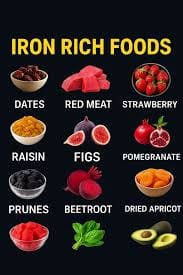
A diet that regularly includes heme iron, plant-based iron, and vitamin C-rich foods leads to far better results than focusing on iron alone. Consistency over weeks and months is what determines whether iron stores actually recover.
The Two Types of Iron in Food
Iron from food comes in two forms, and the body absorbs them very differently.
Heme Iron:
Found in animal-based foods
Absorption rate: 15 to 35%
Sources include:
Red meat
Poultry
Fish and shellfish
Heme iron is efficiently absorbed and is less affected by other foods eaten at the same meal.
Non-Heme Iron:
Found in plant-based foods
Absorption rate: 2 to 20%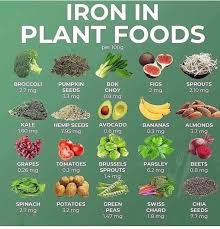
Sources include:
Beans and lentils
Tofu and tempeh
Spinach and leafy greens
Whole grains
Non-heme iron absorption depends heavily on other nutrients consumed alongside it, if you follow a plant-based diet, you will need higher iron intake and intentional absorption support to meet your needs.
Best Iron-Rich Foods to Include Regularly
Heme Iron Sources (Best Absorbed)
Beef or chicken liver:
Beef and lamb
Chicken and turkey thighs
Sardines and tuna
Oysters and clams
Non-Heme Iron Sources (Plant-Based):
Cooked spinach and kale
Lentils and beans (black, kidney, chickpeas)
Tofu and tempeh
Pumpkin seeds
Quinoa and fortified cereals
Dried apricots, prunes, and raisins
Blackstrap molasses (1 tablespoon provides approximately 3.5 mg of iron)
Nutrients That Improve Iron Absorption
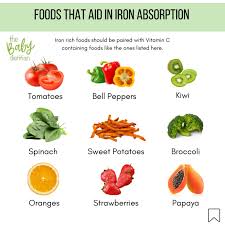
Vitamin C
Vitamin C significantly enhances non-heme iron absorption by converting it into a more usable form.
Best sources include:
Bell peppers
Oranges and citrus fruits
Strawberries
Tomatoes
Broccoli
Kiwi
Adding lemon juice to beans, lentils, or greens can noticeably improve iron uptake.
Vitamin A and Beta-Carotene:
These nutrients support iron mobilization and may help improve iron status over time.
Sources include:
Sweet potatoes
Carrots
Butternut squash
Mango
Foods and Habits That Block Iron Absorption
Calcium:
(Large Amounts)
Calcium competes with iron for absorption.
Sources include:
Milk
Cheese
Yogurt
Calcium supplements
To reduce interference, separate calcium-rich foods and iron-rich meals by 2 to 3 hours.
Coffee and Tea:
Black and green tea contain polyphenols that reduce iron absorption, wait at least one hour after meals before drinking them.
Phytates in Whole Grains and Legumes:
Phytates bind iron and reduce absorption.
To minimize their effect:
Soak beans and grains
Use sprouted or fermented options when possible
Sample Iron-Boosting Meal Rotation
Day 1:
Breakfast: Fortified oats with strawberries and pumpkin seeds
Lunch: Chicken liver stir-fry with bell peppers
Dinner: Quinoa and lentil salad with lemon vinaigrette
Snack: Dried apricots and orange juice
Day 2:
Breakfast: Spinach and mango smoothie with vitamin C-rich fruit
Lunch: Turkey sandwich on sprouted bread
Dinner: Beef stew with carrots and potatoes
Snack: Roasted chickpeas and kiwi
Rotate similar meals throughout the week, alternating heme and non-heme sources and pairing iron with vitamin C.
How You’ll Know It’s Working
Symptom Improvement
You may notice:
Increased energy within 2 to 4 weeks
Improved concentration and fewer headaches
Reduced dizziness or shortness of breath
Better sleep and fewer palpitations
Blood Marker Changes:
Lab results often show:
Ferritin increasing by 10 to 20 ng/mL every 1 to 2 months
Gradual return of hemoglobin to normal range
If there is no improvement after 8 to 12 weeks, further evaluation is necessary.
When Food Alone Is Not Enough
Dietary changes may not fully correct iron deficiency if:
You have ongoing blood loss, such as heavy periods or ulcers
You are pregnant or recently postpartum
Ferritin levels are below 15 ng/mL
You follow a vegetarian or vegan diet and cannot meet needs consistently
You remain fatigued after 2 to 3 months of structured dietary changes
In these cases, food can support recovery, but supplementation or medical treatment is often required.

Dr. Ijasusi Bamidele, MBBS (Binzhou Medical University, China), is a medical doctor with 5 years of clinical experience and founder of MyMedicalMuse.com, a subsidiary of Delimann Limited. As a health content writer for audiences in the USA, Canada, and Europe, Dr. Ijasusi helps readers understand complex health conditions, recognize why they have certain symptoms, and apply practical lifestyle modifications to improve well-being