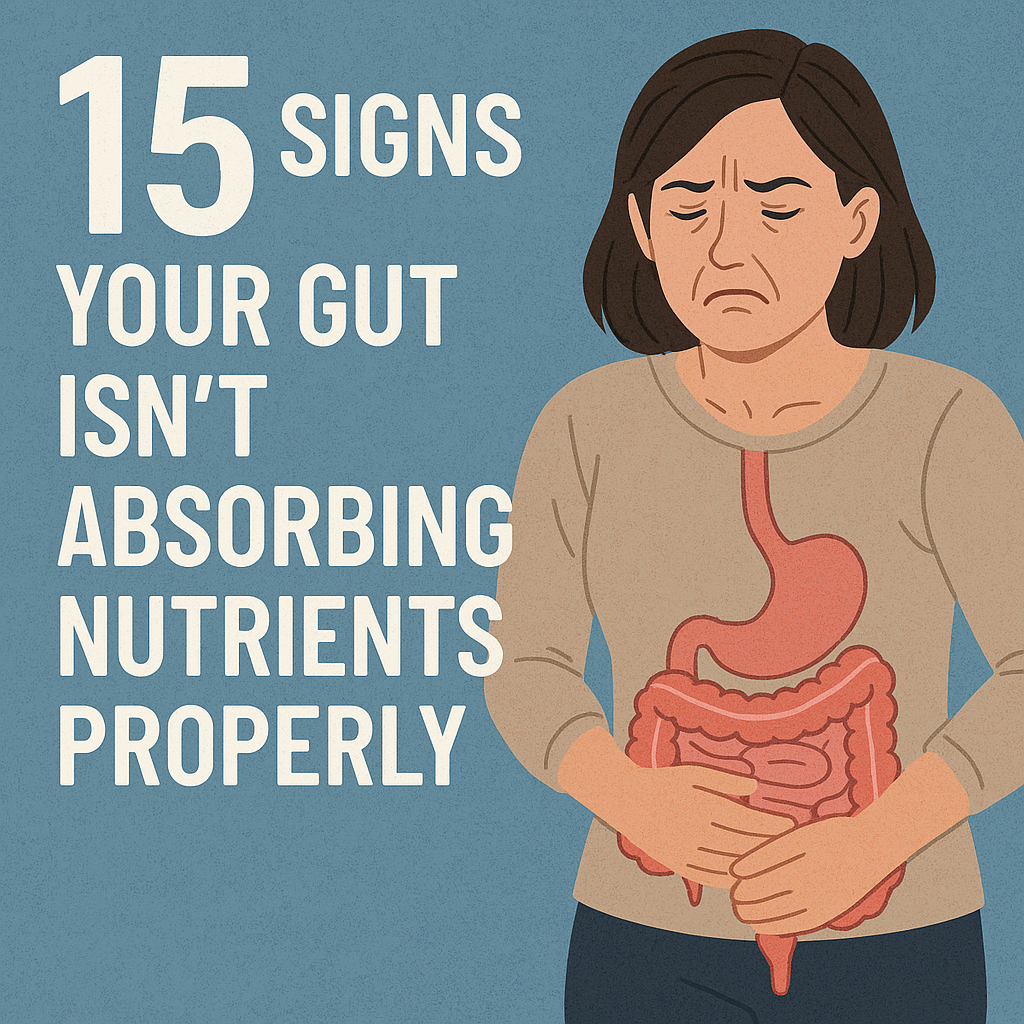
You can do everything right and still feel wrong, you eat well, take supplements, and try to live healthy, yet your body feels tired, bloated, or low on energy. That disconnect is frustrating, and it often leads people to blame stress, age, or a busy lifestyle. But there is a deeper possibility many people overlook, if your gut is not absorbing nutrients properly, even the best diet will fail you. Malabsorption is a quiet problem that shows up through vague, easy-to-ignore symptoms. In this article, you will learn the 15 key signs your gut is not absorbing nutrients properly, why it happens, and how to restore healthy digestion so your body can finally use the fuel you give it.
Table of Contents:
- Chronic Fatigue That Doesn’t Improve With Rest
- Unexplained Weight Loss
- Bloating and Gas After Eating
- Pale or Fatty Stools
- Hair Thinning or Hair Loss
- Cracked Lips or Mouth Sores
- Easy Bruising
- Dry, Flaky, or Itchy Skin
- Tingling or Numbness in Hands and Feet
- Brittle Nails or Ridged Nails
- Poor Wound Healing
- Brain Fog and Difficulty Concentrating
- Frequent Illness or Weak Immune System
- Menstrual Irregularities or Fertility Issues
- Depression, Anxiety, or Mood Swings
- How to Help Your Gut Absorb Nutrients Again
- FAQs About Gut Absorption
- Final Thoughts
- Related Blog Posts
Why Malabsorption Happens
Your gut lining plays a critical role in turning food into usable fuel. It absorbs vitamins, minerals, amino acids, fats, and calories from what you eat and delivers them into your bloodstream. When this lining becomes inflamed, infected, damaged, or imbalanced, nutrient absorption drops sharply.
Common triggers include chronic inflammation, gut infections, enzyme deficiencies, bacterial overgrowth (dysbiosis), low stomach acid, and autoimmune conditions such as celiac disease. Digestive disorders like IBS, Crohn’s disease, gallbladder dysfunction, or pancreatic insufficiency can also interfere with proper absorption. When this process breaks down, the body may be nourished on paper but starved at a cellular level.
Below are the most common warning signs your gut may not be absorbing nutrients properly.
1. Chronic Fatigue That Doesn’t Improve With Rest
If you wake up tired even after a full night’s sleep, nutrient absorption may be the issue. Energy production relies heavily on iron, vitamin B12, magnesium, and folate, when these nutrients are not absorbed efficiently, your cells struggle to generate energy. Rest alone cannot fix this. In some cases, people are diagnosed with depression or chronic fatigue syndrome when the real cause is an underlying absorption problem.
2. Unexplained Weight Loss
Losing weight without dieting or increasing physical activity is a major red flag. It may mean your body is not pulling enough calories or nutrients from food. Conditions such as celiac disease, Crohn’s disease, and chronic pancreatitis often cause early weight loss due to malabsorption. When energy intake falls short, the body breaks down fat and muscle to survive, leading to visible weight loss and muscle wasting.
3. Bloating and Gas After Eating
Persistent bloating is not just about eating too much, when food is not properly broken down due to low digestive enzymes or bacterial imbalance, it ferments in the gut. This produces gas, pressure, and discomfort while also interfering with nutrient absorption. Frequent bloating after meals, especially when accompanied by strong-smelling gas, may indicate small intestinal bacterial overgrowth.
4. Pale, Greasy, or Floating Stools
Fatty stools, known as steatorrhea, signal poor absorption of dietary fats and fat-soluble vitamins such as A, D, E, and K. These stools are often pale, bulky, foul-smelling, and difficult to flush. An oily film in the toilet is another common clue, this pattern usually points to problems with bile flow or pancreatic enzyme production.
5. Hair Thinning or Hair Loss
Hair growth depends on adequate absorption of protein, iron, zinc, and biotin. When these nutrients do not reach hair follicles, shedding increases and hair becomes thin or dull. Thinning around the temples or crown is especially common. For many people, hair changes are one of the earliest visible signs of malabsorption.
6. Cracked Lips, Mouth Sores, or Swollen Tongue
Cracks at the corners of the mouth, recurrent mouth ulcers, or a smooth, red, swollen tongue often point to deficiencies in vitamin B or iron. Even with a nutrient-rich diet, these symptoms can appear if absorption is impaired. The tongue may look shiny or unusually smooth due to loss of normal surface texture.
7. Easy Bruising
If you bruise easily or notice frequent unexplained bruises, your body may be low in vitamin C or vitamin K, both nutrients are essential for blood clotting and tissue strength. Poor absorption weakens blood vessels and connective tissue, making bruising more likely.
8. Dry, Flaky, or Itchy Skin
Healthy skin requires essential fats, omega-3 fatty acids, and vitamin E. When these nutrients are not absorbed, the skin loses moisture and resilience. Chronic dryness, flaking, itching, or eczema-like symptoms may be linked to underlying gut absorption issues rather than topical skin problems.
9. Tingling or Numbness in Hands and Feet
Numbness, tingling, or pins-and-needles sensations are commonly associated with vitamin B12 deficiency. This deficiency is often caused by poor absorption rather than low intake. If untreated, nerve damage can progress and become irreversible, leading to balance problems and chronic pain.
10. Brittle Nails or Vertical Nail Ridges
Weak, splitting, or ridged nails may reflect long-term deficiencies in zinc, iron, or protein. Nail changes develop slowly, making them a useful indicator of chronic nutritional problems linked to malabsorption.
11. Poor Wound Healing
Cuts or scrapes that take longer than normal to heal may signal low zinc or vitamin C levels. These nutrients are essential for collagen formation and tissue repair. Inflammatory or leaky gut conditions often impair their absorption.
12. Brain Fog and Difficulty Concentrating
The gut and brain are closely connected. When the brain does not receive enough omega-3s, iron, or B-complex vitamins, cognitive performance declines. Brain fog, forgetfulness, and difficulty focusing are common, especially after meals when digestion is under strain.
13. Frequent Illness or Weak Immunity
More than 70 percent of the immune system is linked to the gut. A compromised gut lining reduces absorption of immune-supporting nutrients such as vitamin A, zinc, selenium, and glutamine. This can lead to frequent infections, slow recovery, and chronic inflammation.
14. Menstrual Irregularities or Fertility Issues
Hormone balance depends heavily on proper nutrient absorption. Low levels of iron, omega-3 fatty acids, and fat-soluble vitamins A, D, E, and K can disrupt ovulation, delay or stop menstrual cycles, and contribute to fertility challenges. The gut also plays a key role in hormone metabolism, particularly estrogen. When gut function is impaired, estrogen may not be properly broken down and eliminated, leading to hormonal imbalances that affect menstrual regularity and reproductive health.
15. Depression, Anxiety, or Mood Swings
The gut produces more than 90 percent of the body’s serotonin, a neurotransmitter essential for mood regulation. If your gut is not absorbing nutrients like tryptophan, vitamin B6, magnesium, or omega-3s, neurotransmitter production suffers. Chronic gut inflammation has also been linked to higher cortisol levels and increased risk of anxiety and depression. In many cases, mood symptoms improve only after gut health is addressed.
How to Help Your Gut Absorb Nutrients Again
Digestive enzyme supplements can improve how efficiently food is broken down. Look for full-spectrum formulas that include:
These enzymes reduce fermentation, bloating, and nutrient loss during digestion.
Test for Underlying Conditions
Persistent malabsorption often has a root cause. Conditions such as celiac disease, SIBO, Crohn’s disease, or Helicobacter pylori infection can severely impair absorption. Ask your doctor about blood tests, stool analysis, or breath testing to identify hidden issues.
Also Read: Malabsorption
A damaged intestinal lining cannot absorb nutrients effectively. Support repair with gut-soothing compounds such as:
L-glutamine
Zinc carnosine
Aloe vera juice
Bone broth
Slippery elm
These help reduce inflammation and restore barrier function.
Healthy gut bacteria are essential for digestion and nutrient absorption. Probiotic-rich foods like kefir, yogurt, and sauerkraut support microbial balance. In some cases, a high-quality probiotic supplement may be helpful.
Consider Food Sensitivity Testing
Undiagnosed food intolerances, particularly to gluten or dairy, can damage the gut lining over time. This damage blocks nutrient absorption even in people who eat well. An elimination diet is often more reliable than commercial sensitivity tests.
Switch to More Bioavailable Nutrients
When digestion is compromised, nutrient form matters. Easier-to-absorb options include:
Methylated vitamin B12 (methylcobalamin)
Magnesium glycinate or malate
Iron bisglycinate
Liquid or liposomal vitamins
These forms place less strain on the gut.
Cut back on ultra-processed foods, sugar, alcohol, and NSAIDs (like ibuprofen). Eat more anti-inflammatory foods like leafy greens, fatty fish, turmeric, ginger, and berries.
Chew Thoroughly and Eat Mindfully
Digestion begins in the mouth, chew slowly, eat in a calm setting, and avoid eating on the go. It helps your body activate enzymes and absorb better.
FAQs About Gut Absorption
Can blood tests show if I am not absorbing nutrients?
Yes. Low levels of vitamin B12, iron, vitamin D, or folate despite adequate intake or supplementation often suggest malabsorption.
What is the most common cause of malabsorption?
Chronic gut inflammation from IBS, SIBO, or gluten sensitivity is very common. Digestive enzyme deficiencies are also frequent, especially after age 40.
How long does it take to heal the gut?
Many people notice improvement within 4 to 12 weeks. Full gut repair may take 3 to 6 months depending on severity and consistency of treatment.
What foods are easiest to absorb?
Cooked vegetables, bone broth, wild-caught fish, low-FODMAP fruits, and fermented foods like kefir or miso are generally easier on digestion.
Final Thoughts
If you eat well but still struggle with fatigue, bloating, skin issues, mood changes, or nutrient deficiencies, the problem may not be your diet, it may be your gut. Malabsorption often develops quietly, with symptoms that seem unrelated at first, but over time they affect nearly every system in the body.
The key takeaway is simple, nutrition is not just about what you consume, but what your body can actually absorb and use. A compromised gut can turn even the healthiest meals into missed opportunities for healing and energy.
The good news is that gut function is highly responsive to the right support, identifying underlying causes, reducing inflammation, restoring gut bacteria, and improving digestion can dramatically change how your body responds to food with consistency, many people see meaningful improvements in energy, immunity, mental clarity, and overall well-being.
If you recognize several of the signs discussed in this article, do not ignore them. Addressing gut health early can prevent long-term deficiencies and help your body finally benefit from the nutrients you are already giving it. Your food has value, make sure your gut can unlock it.