⚠️ Affiliate Disclaimer: This post may contain affiliate links, which means I may earn a small commission — at no extra cost to you — if you make a purchase through one of these links. I only recommend products or services I genuinely trust and believe can provide value. Thank you for supporting My Medical Muse!
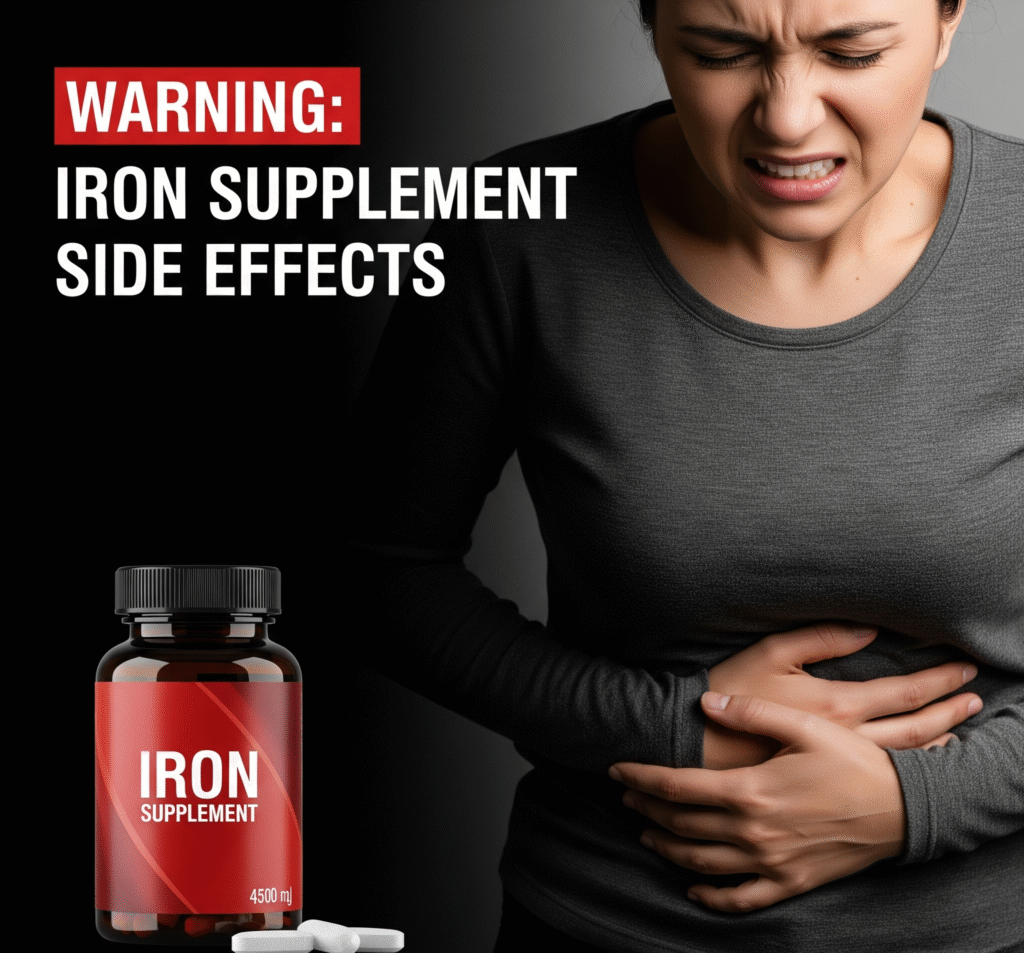
Iron Supplement Side Effects: What You Need to Know Before You Start.
Iron is the most abundant mineral in the human body, yet iron deficiency remains surprisingly common especially among women, children, and those with chronic illnesses. Check out this post to learn more about why fatigue might signal a vitamin or mineral deficiency.
Due to the rising rate of iron deficiency, doctors often recommend iron supplements or iron pills to patients who are deficient or at risk, while these supplements are effective in restoring iron levels and reducing fatigue, many people are caught off guard by the side effects that can come with them.
It’s important to remember that iron is a mineral, and like any mineral, it can be toxic in excess. Taking too much iron at once can lead to allergic reactions, nausea, diarrhea, vomiting, and in severe cases, life-threatening conditions such as myocarditis, liver failure, or kidney failure.
In this post, we’ll explore the common and rare side effects of iron supplements, how to minimize them, and when to seek medical attention.
Why Take Iron Supplements?
Iron plays a vital role in your body’s ability to function properly, It is a key component of hemoglobin, the protein inside red blood cells that transports oxygen from your lungs to every tissue and organ. When iron levels are adequate, your cells receive the oxygen they need to produce energy and maintain normal metabolic activity.
When iron levels drop, oxygen delivery suffers, this can quickly lead to noticeable symptoms such as persistent fatigue, generalized weakness, pale or ashen skin, dizziness, headaches, shortness of breath with minimal exertion, and reduced exercise tolerance. Many people also experience difficulty concentrating or a constant feeling of mental fog.
Iron deficiency does not always mean full-blown anemia, even before hemoglobin levels fall, low iron stores, measured as low ferritin, can negatively affect how you feel. At this stage, blood tests may still appear normal, yet symptoms can be very real and disruptive. This is why healthcare providers often treat low ferritin early, especially in menstruating women, pregnant individuals, endurance athletes, vegetarians, and people with chronic gastrointestinal conditions.
Iron supplements are commonly recommended to rebuild iron stores, restore healthy red blood cell production, and relieve symptoms. They may be prescribed in cases of diagnosed iron-deficiency anemia or suggested as over-the-counter supplements when iron levels are borderline low. When used correctly, iron supplementation can significantly improve energy levels, cognitive function, physical endurance, and overall quality of life.
However, iron is not a harmless vitamin, like most medications and nutrients, taking iron incorrectly or in excessive amounts can lead to unwanted side effects and, in some cases, health risks. Understanding why you need iron, how much is appropriate, and how to take it properly is essential for safe and effective treatment.
Read More: Benefit of Iron to the body
Common Side Effects of Iron Supplements
Iron is essential for health, but it can be difficult for the digestive system to tolerate, especially when taken as oral tablets or capsules. Most side effects occur in the gastrointestinal tract and are dose related, meaning higher doses increase the likelihood of symptoms.
1. Constipation or Diarrhea
Constipation is the most common side effect of iron supplementation, iron slows intestinal motility in many people, making bowel movements less frequent and harder to pass. In contrast, some individuals experience diarrhea instead.
This happens because iron can irritate the intestinal lining and alter how fluids are absorbed in the gut, excess iron that is not absorbed may also draw water into the intestines, leading to loose stools. If your deficiency is mild, improving iron intake through food may be better tolerated than supplements, iron rich foods include red meat, liver, spinach, lentils, beans, pumpkin seeds, and fortified cereals.
Ways to manage constipation
Drink adequate water throughout the day
Increase dietary fiber from fruits, vegetables, and whole grains
Stay physically active
Use stool softeners only if recommended by a healthcare professional
2. Nausea or Upset Stomach
Nausea, stomach discomfort, bloating, or abdominal cramps are common, particularly when iron is taken on an empty stomach. Iron supplements also have a strong taste and odor, which can trigger nausea or vomiting in sensitive individuals.
Taking iron with food often improves tolerance, although this may slightly reduce absorption. In people who struggle significantly with nausea, switching to a lower dose or a different formulation may help.
3. Dark or Black Stools
Iron supplements often cause stools to appear dark green or black, this occurs when excess iron that is not absorbed passes through the digestive tract.
This change is harmless and expected, but it can be alarming if you are not aware of it. However, black stools accompanied by severe abdominal pain, weakness, or dizziness should be evaluated to rule out gastrointestinal bleeding.
4. Metallic Taste in the Mouth
Some people notice a metallic or iron-like taste, especially with ferrous sulfate, liquid iron, or chewable tablets. This side effect is unpleasant but not dangerous, drinking water or taking iron with a small meal may reduce the sensation.
Serious or Rare Side Effects
Although uncommon, the following symptoms require urgent medical attention:
Severe or worsening abdominal pain
Persistent vomiting, especially if blood is present
Continuous diarrhea that does not improve
Skin rash, itching, swelling of the lips or face, suggesting an allergic reaction
Difficulty breathing or chest tightness
Important warning:
Iron overdose is a medical emergency, particularly in children, even a small number of tablets can be fatal. Always store iron supplements out of reach and never exceed the prescribed dose.
How to Reduce Side Effects From Iron Supplements
If iron supplements leave you feeling worse instead of better, the problem is usually not iron itself but the dose, formulation, or how it is taken. Small adjustments can significantly improve tolerance while still allowing iron levels to recover.
Choose a Gentler Form of Iron
Not all iron supplements affect the body the same way. Some forms are absorbed more efficiently and cause less irritation to the stomach and intestines.
Ferrous bisglycinate is often better tolerated and causes less constipation and nausea
Carbonyl iron releases iron slowly and is less likely to cause toxicity or severe irritation
Slow-release or enteric-coated tablets may reduce stomach discomfort, although absorption can be slightly lower
If you have previously experienced side effects, avoid high-dose ferrous sulfate, which is the most commonly prescribed but also the harshest on the digestive system. A healthcare provider can help you choose the most appropriate formulation and dose.
Take Iron With Vitamin C
Vitamin C significantly enhances iron absorption by converting iron into a form that is easier for the gut to absorb. Better absorption means less unabsorbed iron left behind to irritate the intestinal lining.
You can take iron with:
A small glass of orange juice
Citrus fruits
A low-dose vitamin C supplement
Improved absorption may allow for lower iron doses, which further reduces side effects.
Avoid Taking Iron With Calcium or Dairy
Calcium interferes with iron absorption by competing for the same transport pathways in the intestine. Taking iron together with calcium rich foods or supplements can reduce effectiveness and increase gastrointestinal irritation.
Avoid taking iron at the same time as:
Milk, yogurt, or cheese
Calcium supplements
Antacids containing calcium
Space iron and calcium intake by at least two hours for optimal absorption.
Consider Timing and Dose Adjustment
Taking iron at night or with a light meal can reduce nausea in some people. Others tolerate smaller doses taken every other day better than daily high doses. Recent studies show that alternate-day dosing can improve absorption and reduce side effects without compromising effectiveness. Always adjust dosing under medical guidance.
Who Should Be Extra Cautious With Iron Supplements
Certain groups are more sensitive to iron or require carefully adjusted dosing.
Pregnant women often need iron supplementation but should only take doses recommended by their healthcare provider to avoid complications
Children must never take iron without medical supervision due to the high risk of overdose
People with ulcers, gastritis, or inflammatory bowel disease may experience worsening symptoms with oral iron
Older adults are more prone to constipation, nausea, and drug interactions
For individuals who cannot tolerate oral iron despite adjustments, alternative options such as lower doses, liquid formulations, or medically supervised intravenous iron may be considered.
Speak to a healthcare provider before starting any iron supplement. You can also book a consult with MuseCare for expert advice.
FAQs About Iron Supplement Side Effects
- Can I take iron at night?
Yes, but it might cause stomach upset. If it affects your sleep or digestion, take it in the morning instead.
- How long do side effects last?
Mild side effects usually resolve in a few days. Severe or persistent symptoms should be discussed with your doctor.
- Can I stop taking iron if I feel better?
No. Iron stores take weeks or months to rebuild. Always follow your healthcare provider’s timeline even if you feel fine.
Conclusion
Iron supplements can be highly effective for restoring iron levels, improving energy, sharpening mental clarity, and correcting iron deficiency when they are used correctly. The key is understanding that iron is a powerful mineral, not a harmless vitamin, taking the wrong dose, using a poorly tolerated form, or combining it incorrectly with other nutrients can do more harm than good.
Knowing the potential risks, choosing the right formulation, and supporting your body with proper timing, diet, and absorption strategies makes a significant difference in both safety and results. Side effects are not something to ignore or push through blindly, persistent nausea, bowel changes, or abdominal discomfort are signals that your dose or formulation needs adjustment.
If you are unsure whether you truly need iron, or if supplements are causing unpleasant reactions, avoid self-medicating. A simple blood test and professional guidance can determine whether supplementation is necessary and, if so, the safest and most effective way to take it. Used thoughtfully and under medical advice, iron supplements can be a valuable tool rather than a source of unnecessary discomfort or risk.
👩⚕️ Need Personalized Health Advice?
Get expert guidance tailored to your unique health concerns through MuseCare Consult. Our licensed doctors are here to help you understand your symptoms, medications, and lab results—confidentially and affordably.
👉 Book a MuseCare Consult NowRelated Post:
- 7 Powerful Benefits of Vitamin K2 for Your Metabolic Health
- Can Vitamin Deficiency Make You Feel Tired All the Time?
- Early Signs of Vitamin D Deficiency You Might Be Ignoring
- What Your Tongue Can Reveal About Vitamin Deficiencies
- 7 Critical Facts You Must Know: How to Choose the Right Multivitamin
